Day 29: Go Yen (1 April 2019)

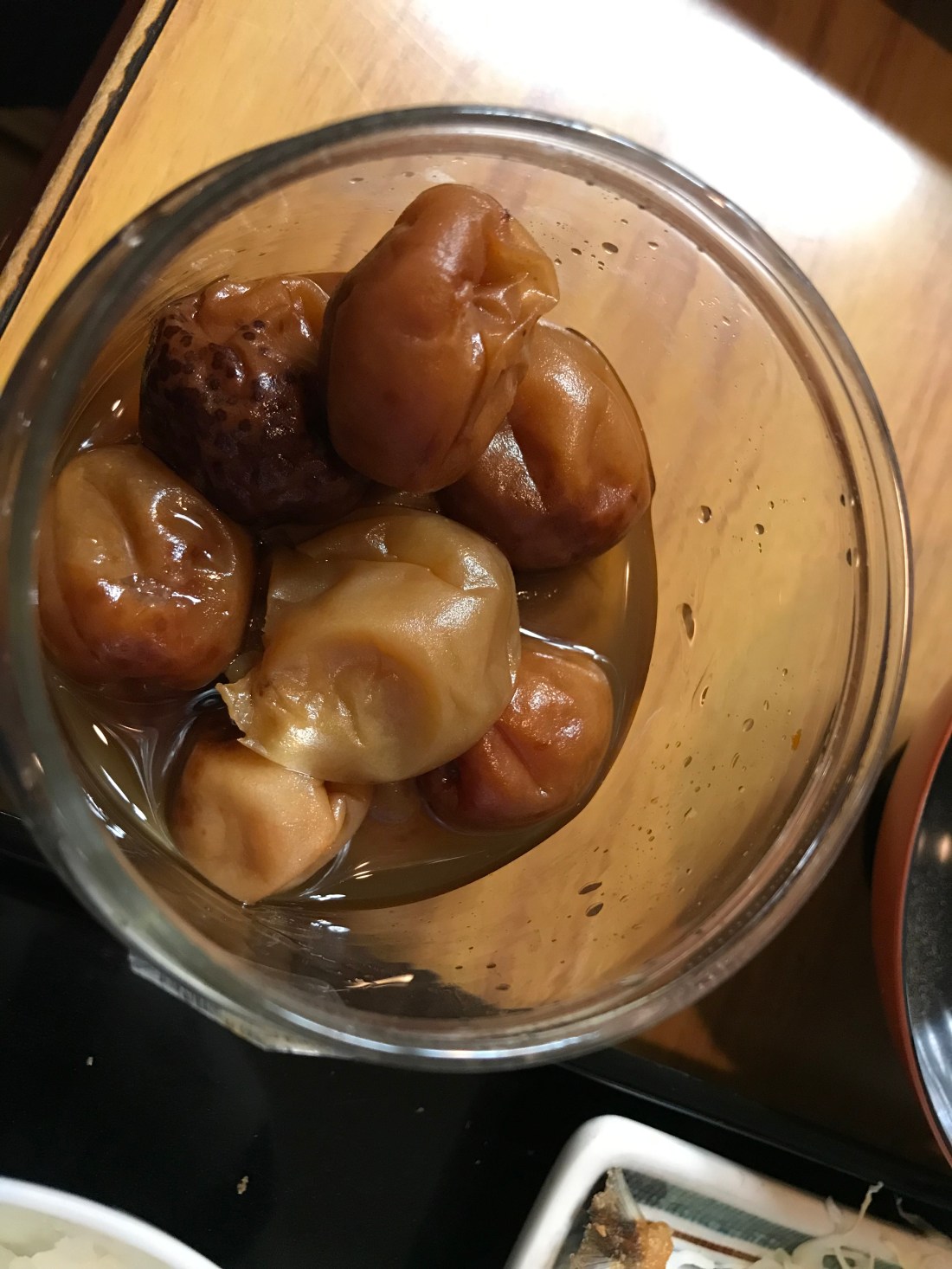
As breakfast ended with a last taste of another homemade umeboshi, our host placed our bill on the table with a small plate containing two go (five) yen coins, one for each of us.
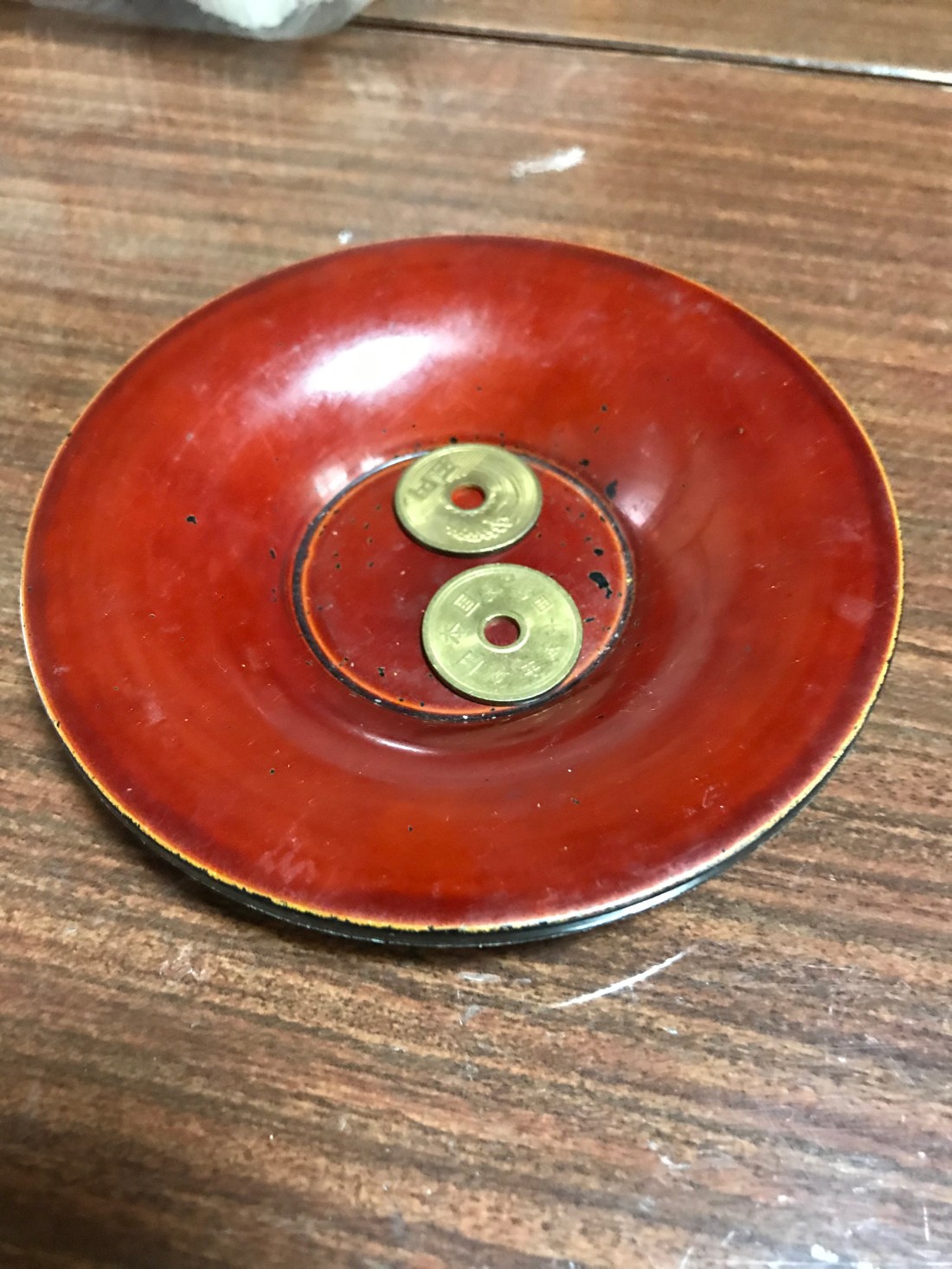
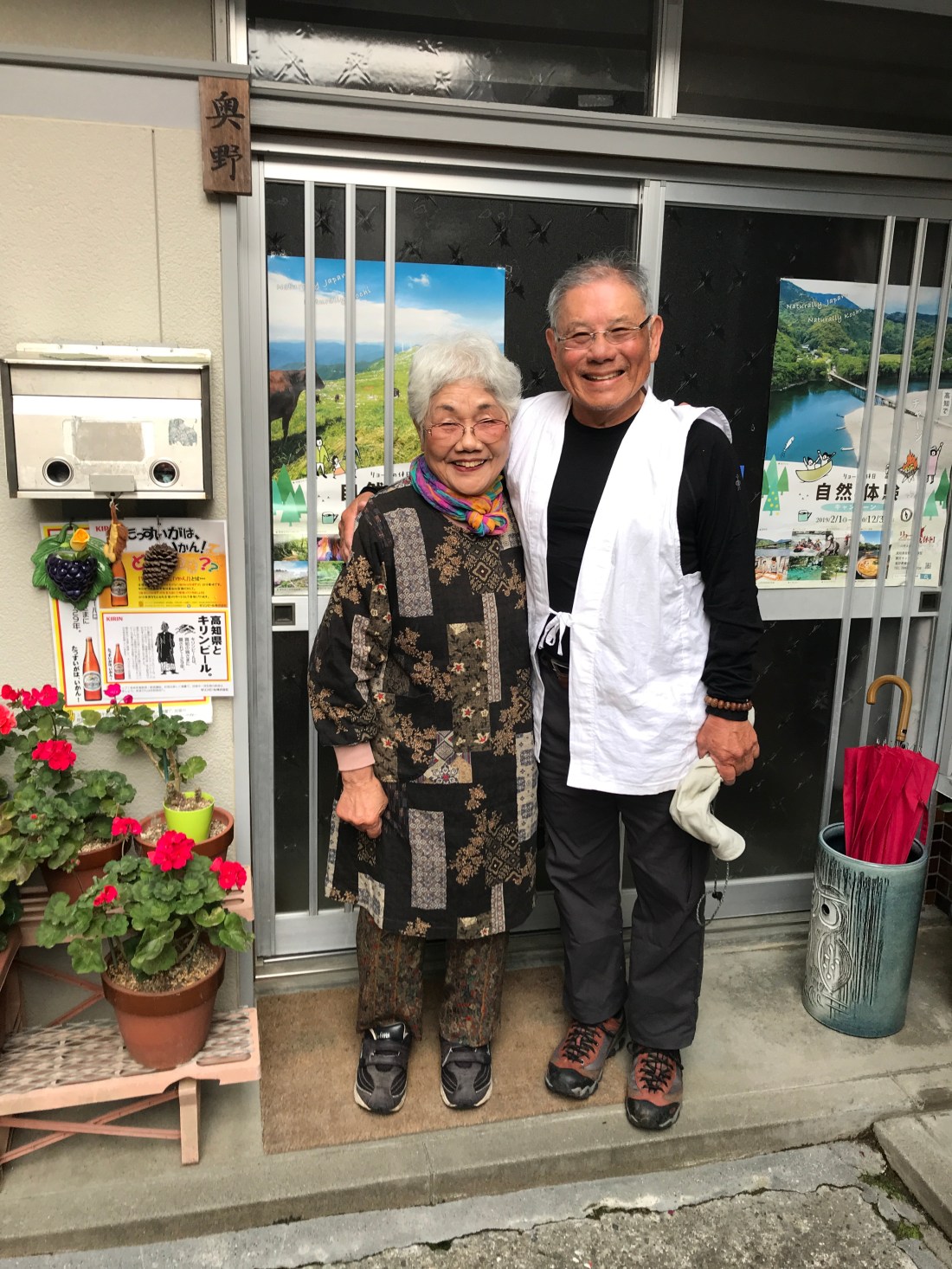
Ayoyama-san explained that the coins were symbolic of wishing that the guest would return one day. I thanked her for the coin and told her that I will be taking it home. She said that I should toss it into the collection box at a temple for good health and fortune. Also, what I will bring home are the good thoughts and feelings from the ohenro. No need to keep the coin as a reminder.

On our walk, Aoyama-san suggested that I put it in the hondo’s collection box at Temple 1 when I complete the journey as a thanks to Kukai. That’s what I’m going to do.

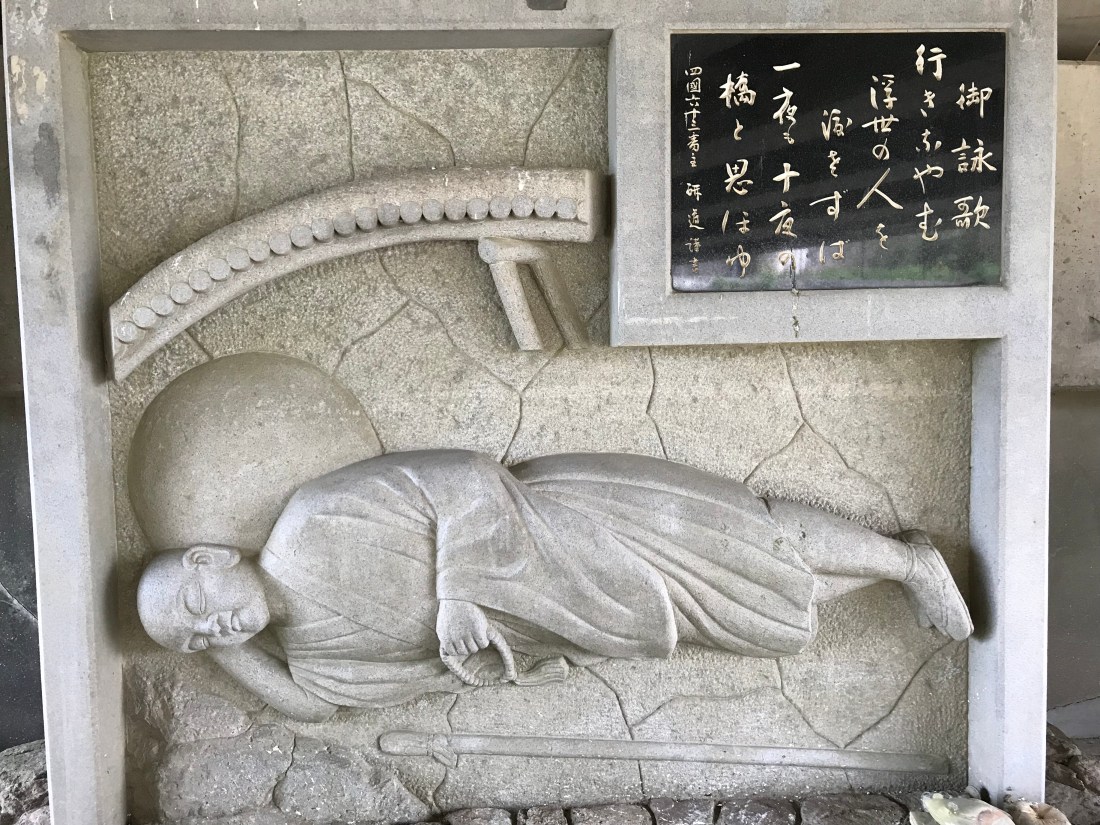
We took the train from Unomachi to Iyo-Ozu. From there, we went to Toyogahashi, the place where a Kukai spent the night under a bridge because no one offered him lodging. You can see Kukai resting on his side at the shrine underneath the current bridge.
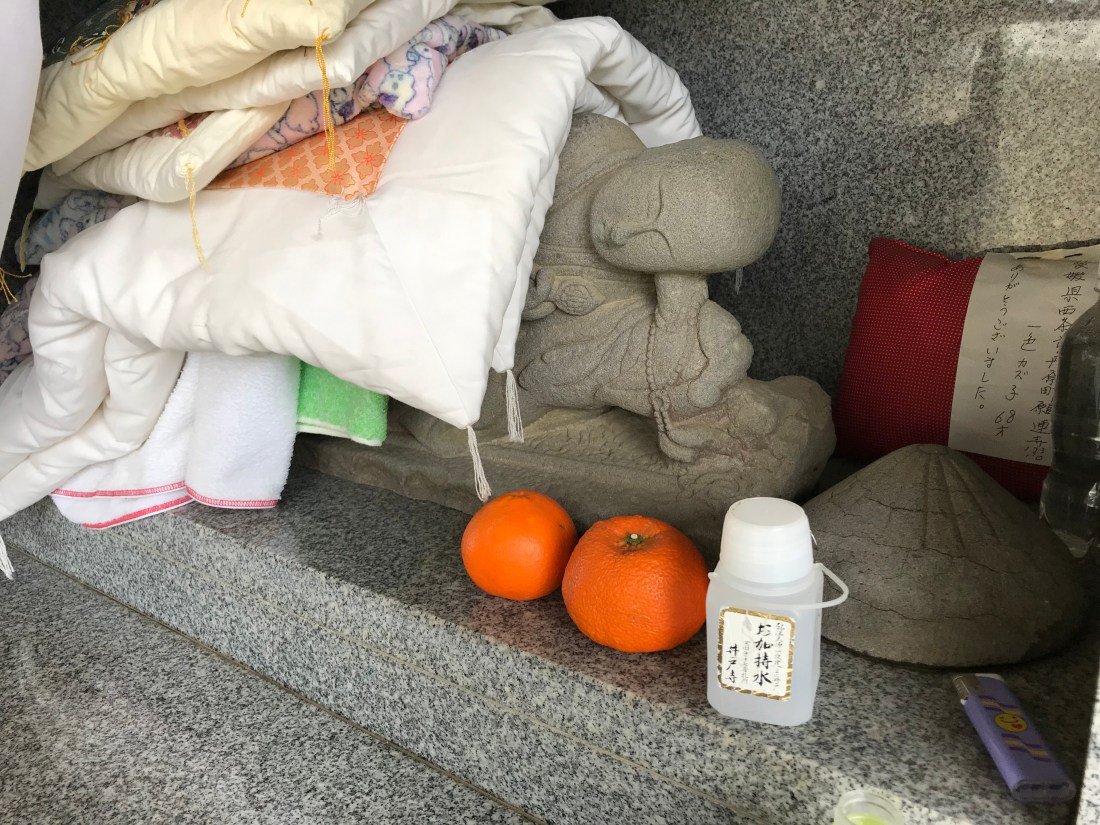
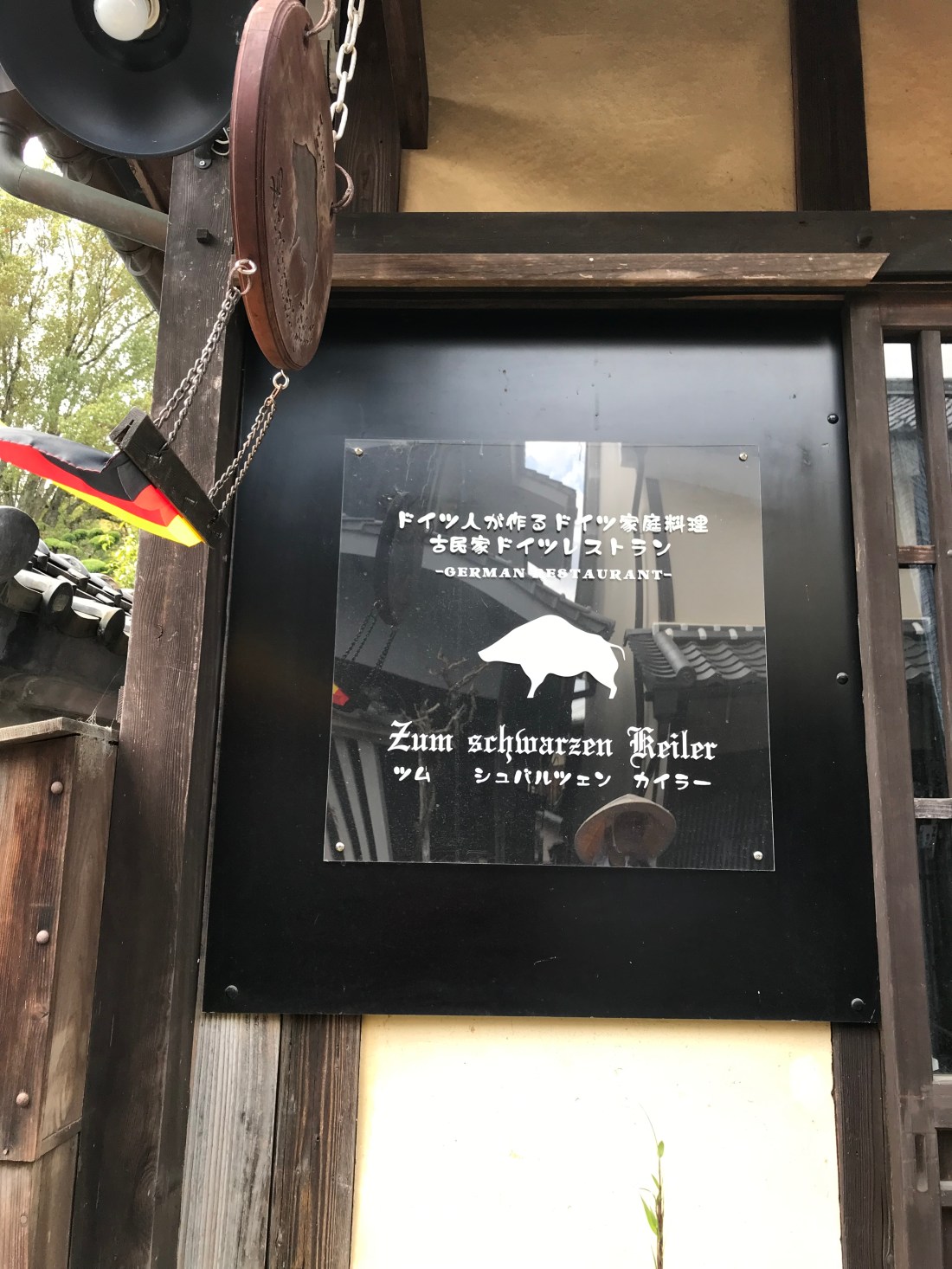
In order to save Aoyama-san’s feet for later in the day, we took a cab to central Uchiko. We toured the Meiji area built theater where performances are still held. Uchiko has one of the few long streets in Japan that has historic buildings dating before 1900. We walked up and down that street before embarking on a 12 mile walk to our base camp at the foot of the mountain that we will climb tomorrow. As a footnote, Uchiko has a German restaurant. The German flag was waving by the restaurant’s sign. International cuisine can be found in this small town.

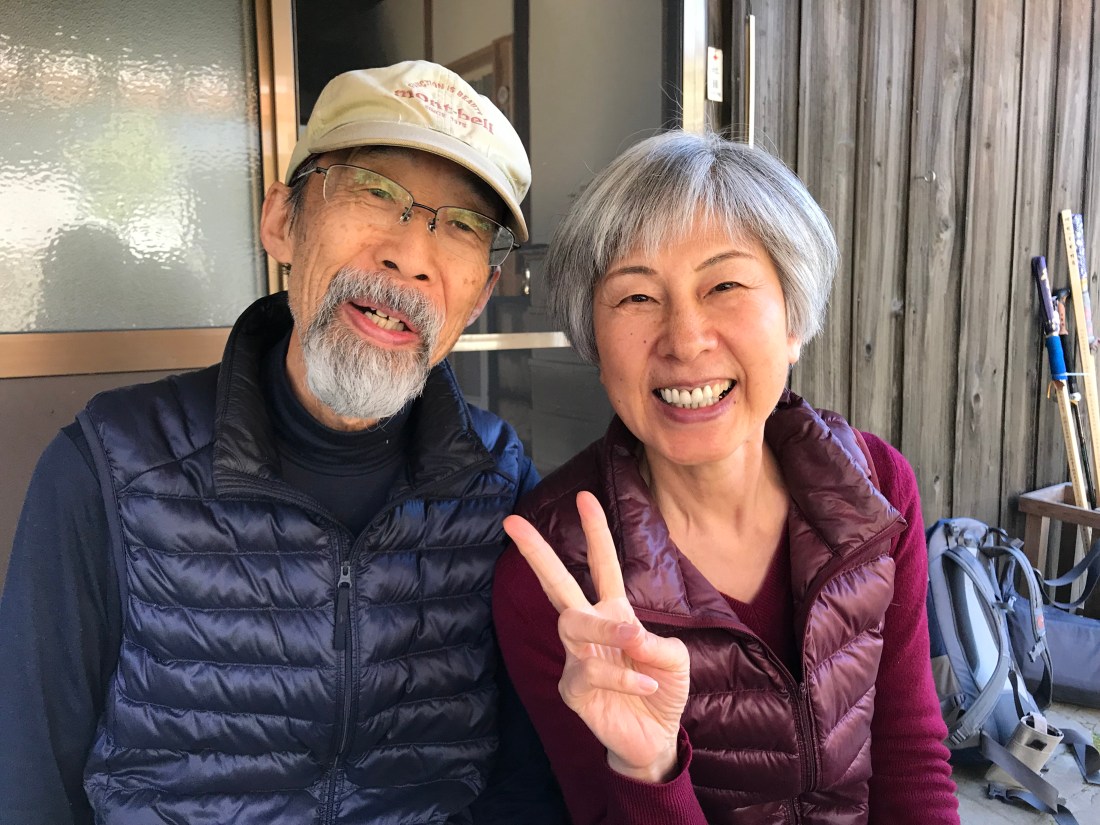
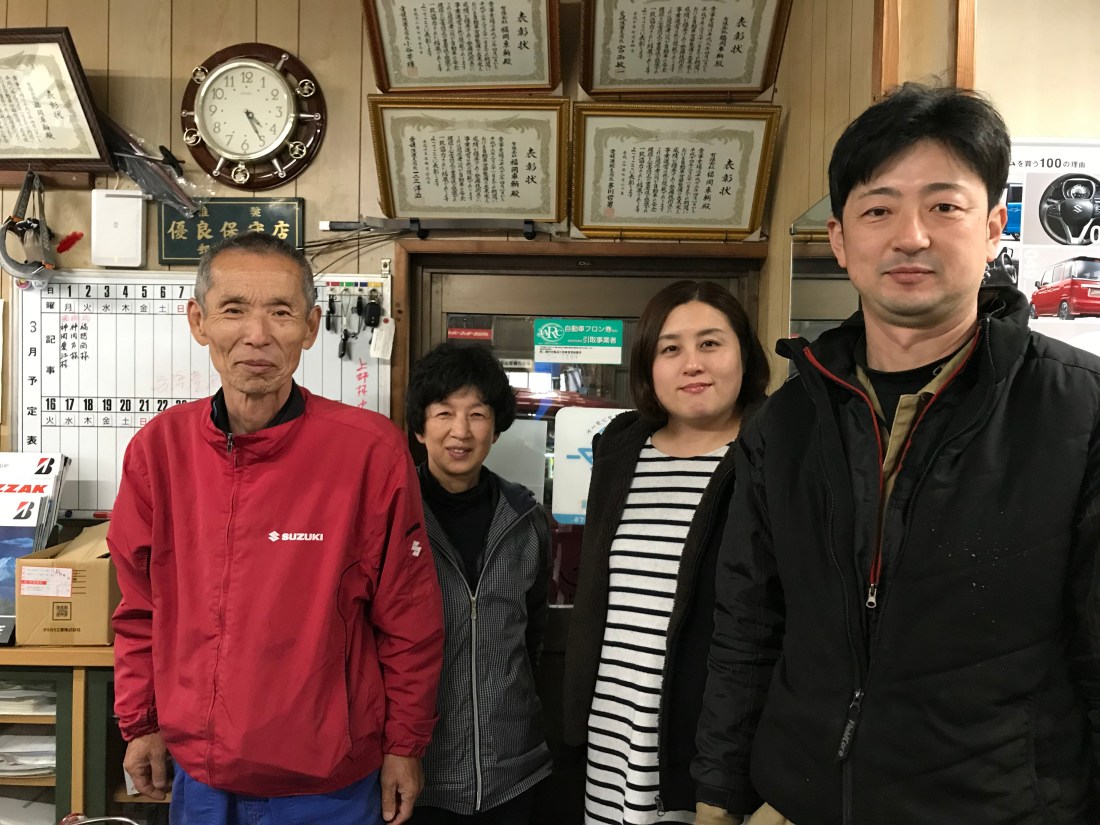
As we branched off the main highway to find our minshuku, we stopped at an auto repair shop to make sure that we were headed in the right direction. After some chit-chat, the owner of the shop invited us in for some coffee and cookies. It was drizzling and cold. We quickly accepted.

In the shop’s office was the young owner, his wife, mother and father. The coffee warmed our spirits. The father was assembling a new bicycle. Aoyama-san asked whether children liked bicycles. He misinterpreted the question and said that he sells very few bicycles because there were fewer children in the area. The local elementary school enrolls 41 students, grades 1-6. We said our good-byes to walk another mile and a half to find our minshuku.
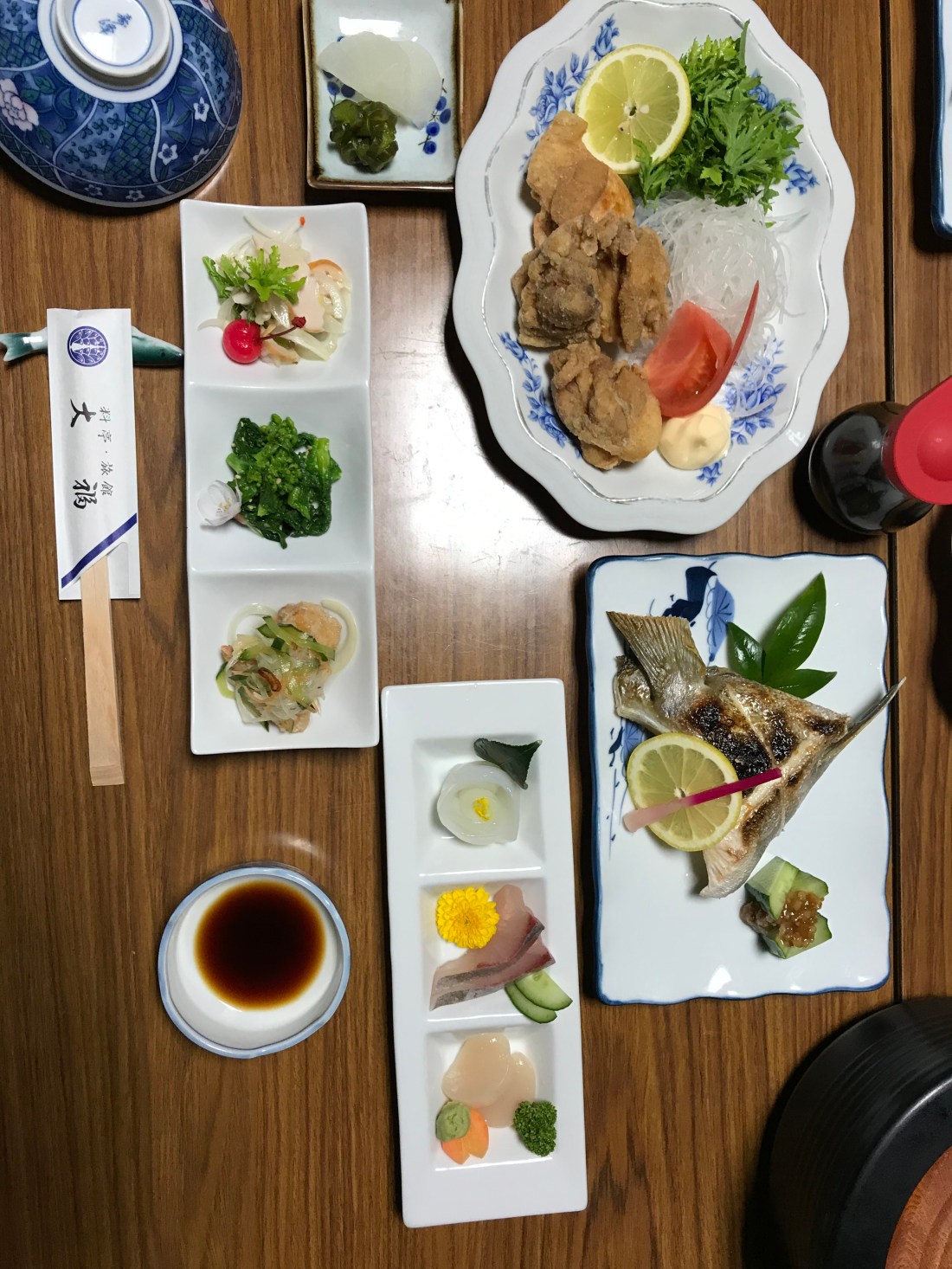
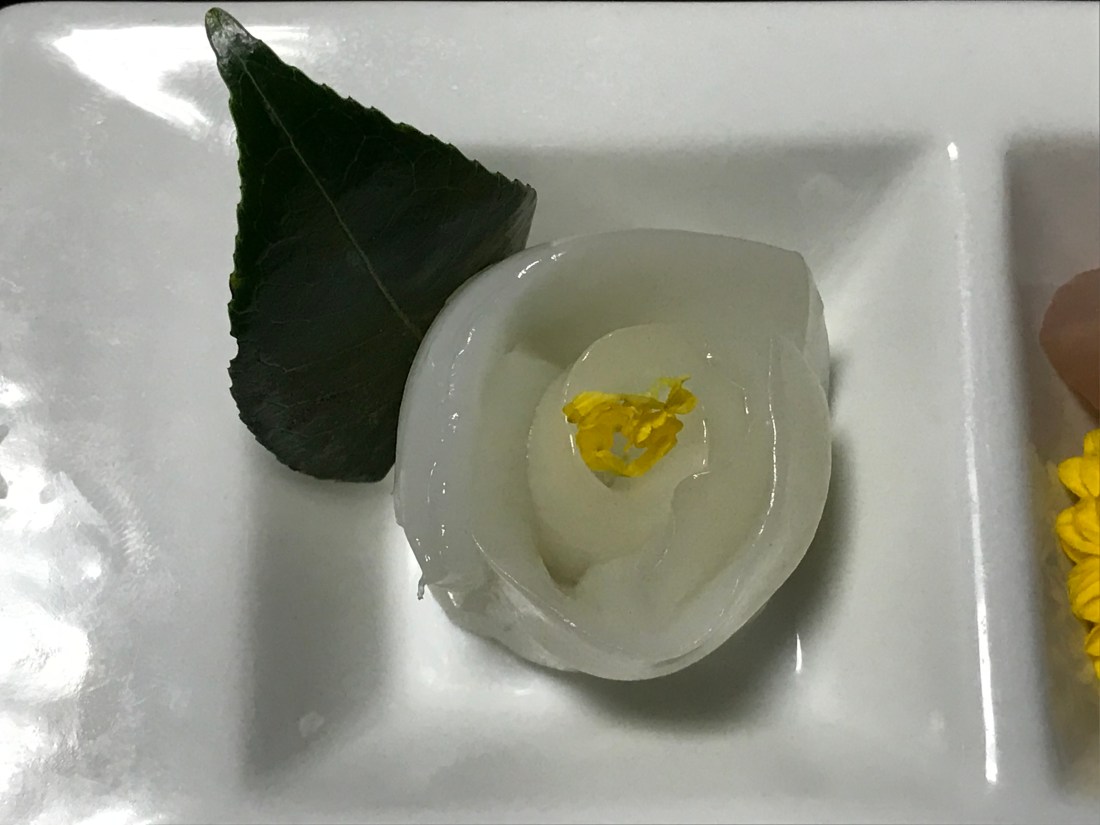
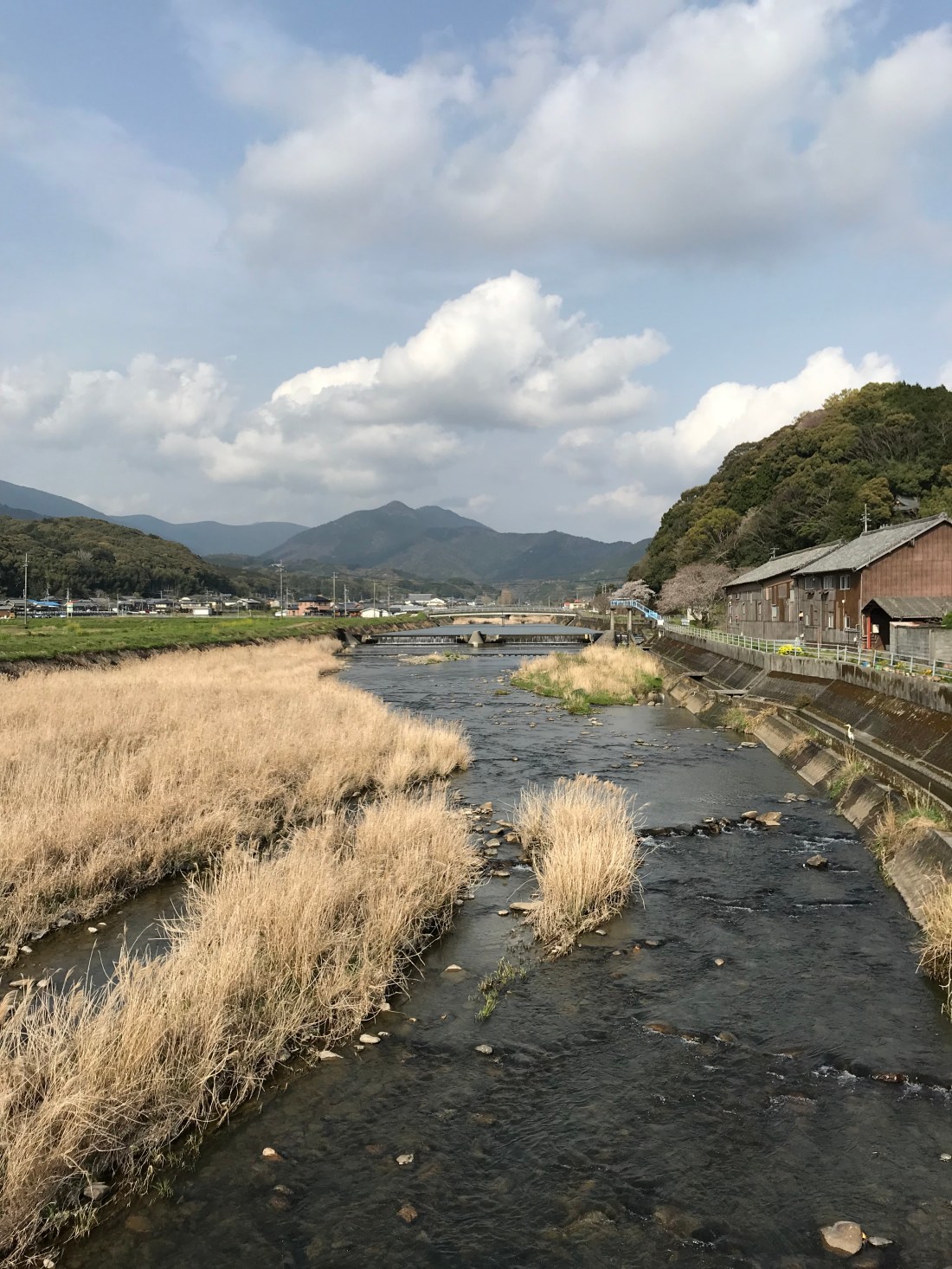
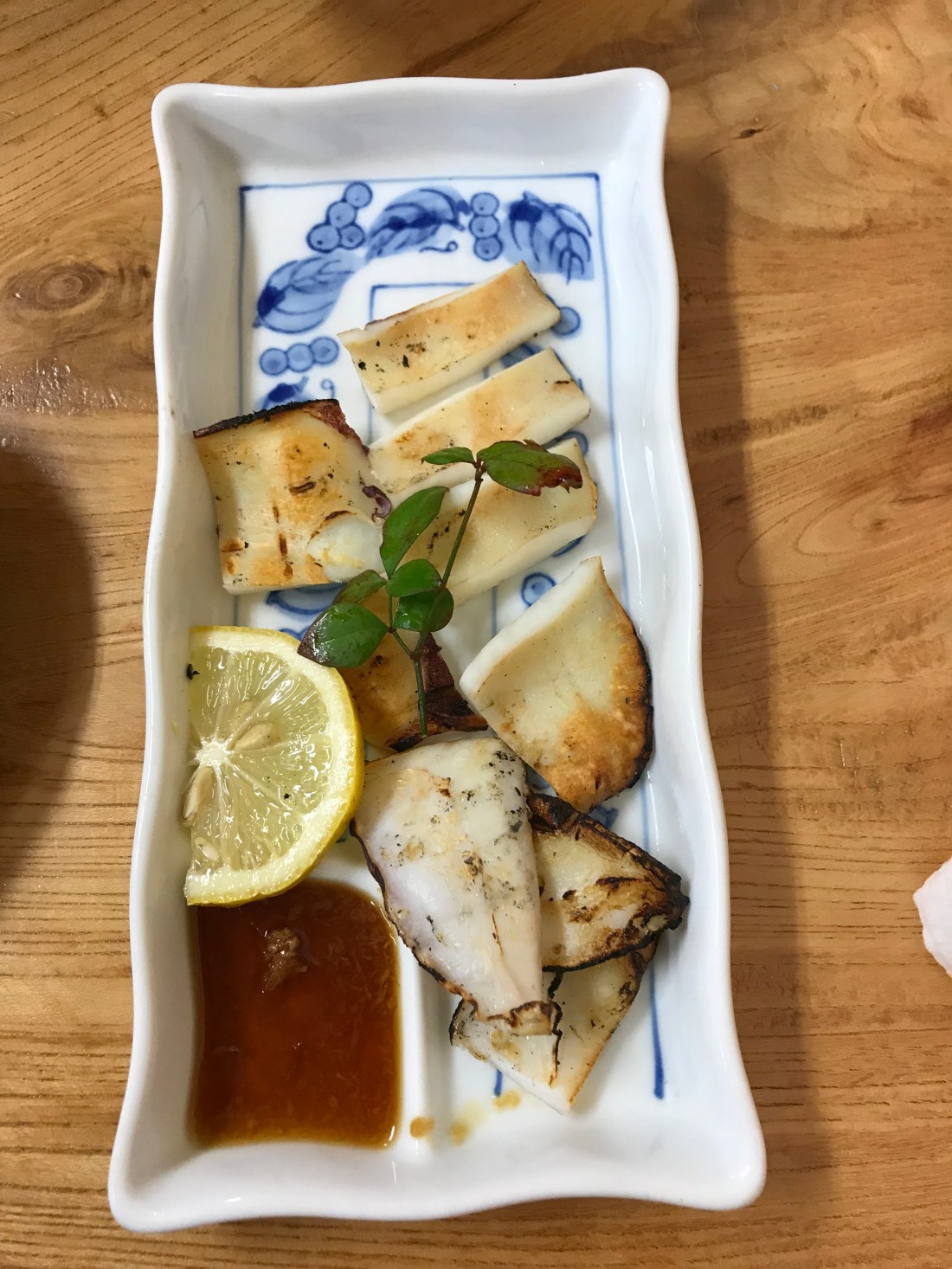
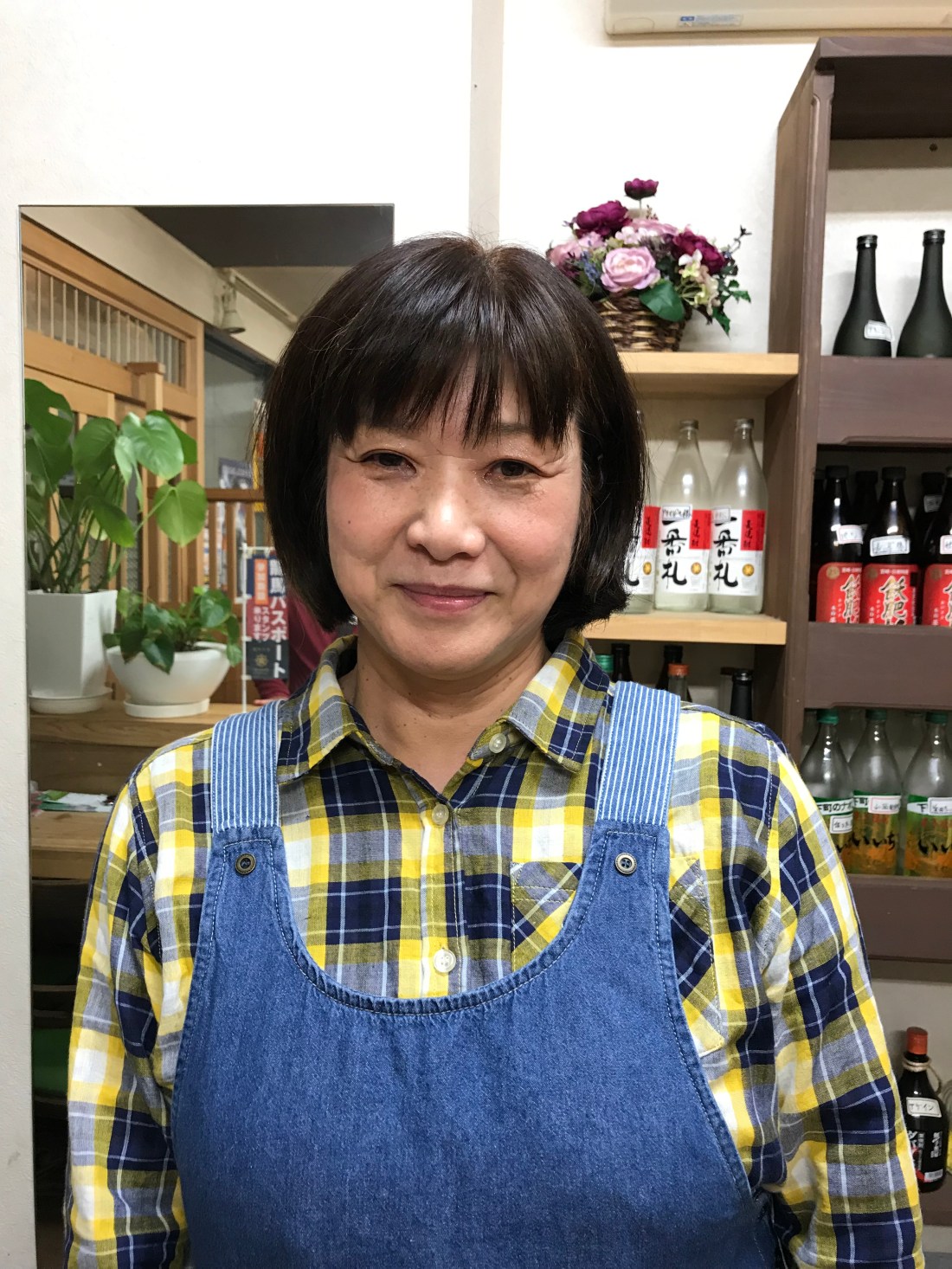
After asking another local, we eventually found it. Here is its exterior with the mountains we will climb peeking out from behind. This minshuku was founded by the wife’s grandfather. Lucky for us that it has stayed in the family. The house was built about 80 years ago. My room was a classic and the dining was exquisite. I took a close-up of the ika sashimi shaped like a flower with tiny chrysanthemum petals in the middle. Her husband buys the fish from a man who goes 25 miles to the markets in Matsuyama. How about this individual hot pot with shrimp, scallops, tofu, mushroom, and greens. This minshuku ronin was really pleased. We told the host how much we loved the dinner.

Day 28: It Happened Again (31 March 2019)

It happened again with a twist. We started our day at 7:15 walking a main road. It was Sunday. Very few cars were passing. As we neared the intersection, a woman approached us and handed us something wrapped in tissue. She said that it was osettai. We were surprised. Aoyama-san bowed and said thank you in more words than I could understand.

We unwrapped the gift. A 1000 yen note (about $9.00) was in each of our hands. We were flabbergasted. Neither Aoyama-san nor I have ever been given money by a stranger. We wanted to return it but she said no and sped off.

We have been given fruits, gum, and candy along our journey. This money was a first. Regardless, people in Shikoku extend themselves by offering things and more importantly, their generous spirit to help people.

We passed by Temple 41 because we had visited it the previous afternoon. As we got to Temple 42, the image of the sign came into focus. Could it be? Was I in Yoshidaland, my homeland with my people? The kanji characters are exactly how I write my name in formal Japanese. Too bad to break the news but Yoshida is in top 20 family names in Japan. In a country of 110 million people, Yoshidas populate the land far and wide.

The temple was across the street from the sign. If you peer through the temple gates, you can see Kukai – always watchful and helpful.

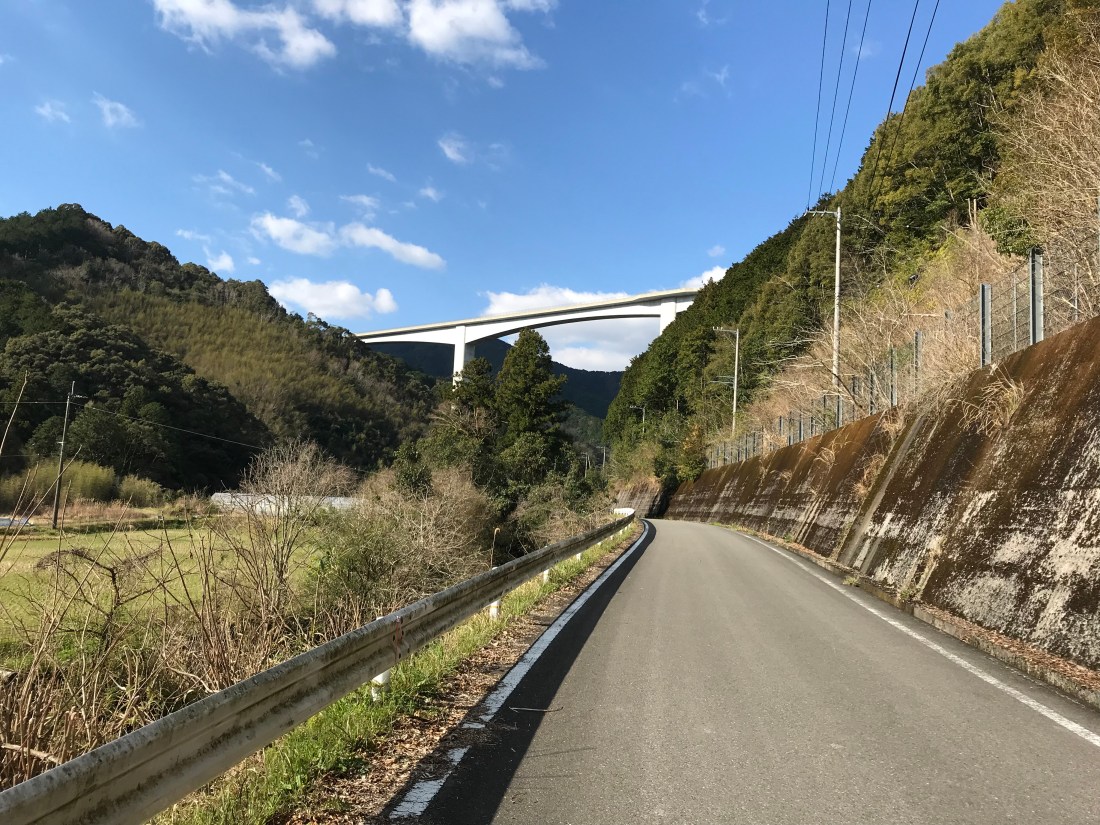
In order to reach Temple 43, we had go through a mountain pass. You can see what we saw down the valley as we reached the top of the pass. How often did we think –the far end of the valley as far as the eye can see is where we will be staying tonight. It’s a little intimidating to think that we must walk that far and the day was already half over. As usual, we made it to our minshuku in time. We could look back and see what we had walked.

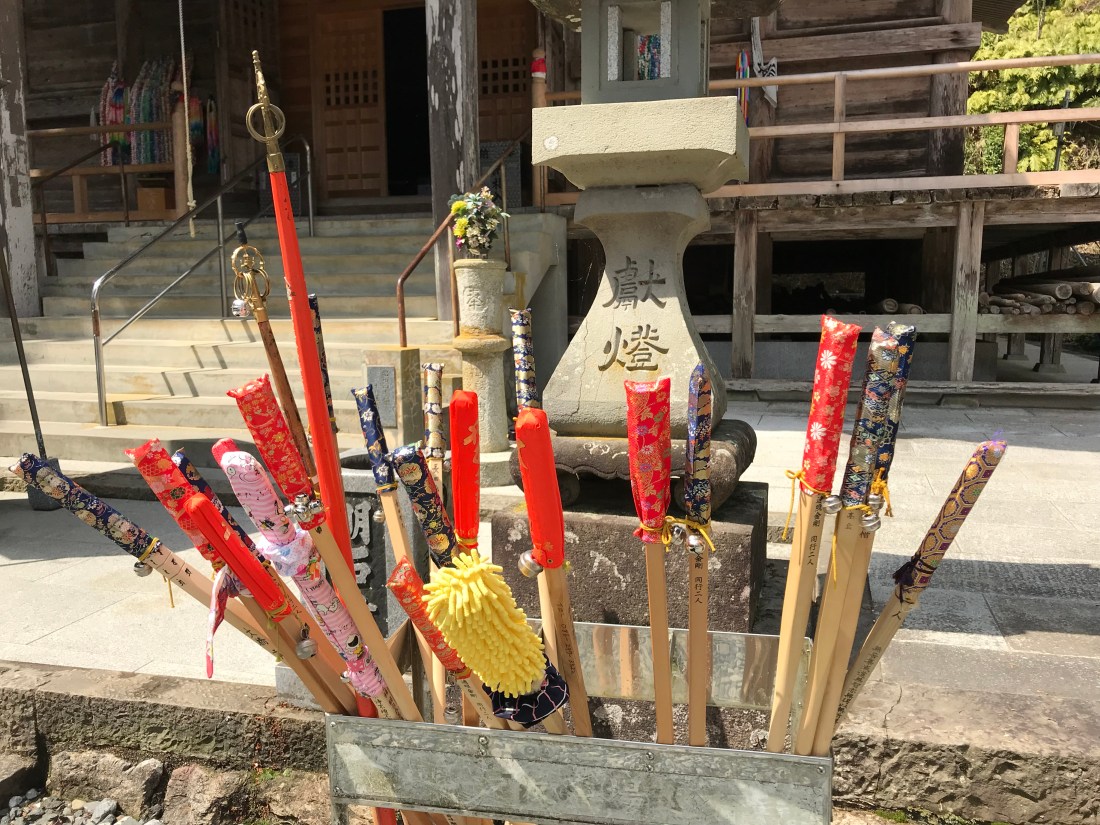
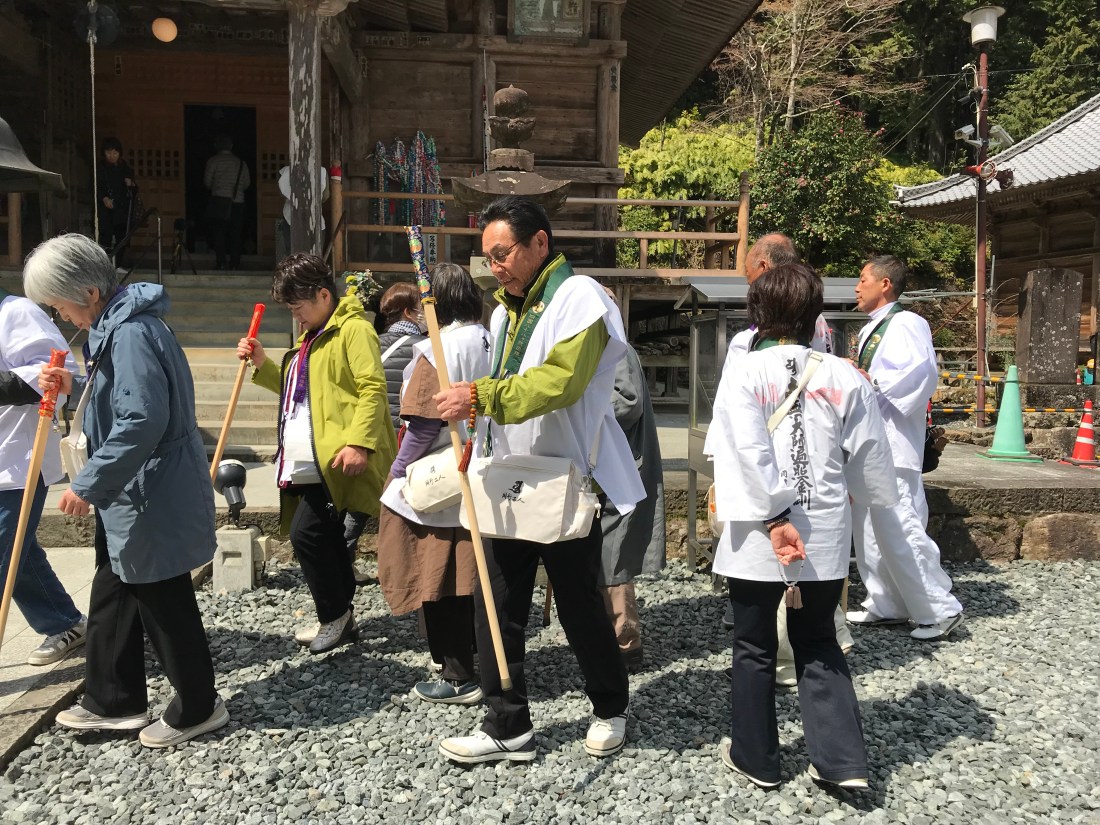
Down into the valley we came. We entered Temple 43. I have included several images of what one sees on the temple grounds — people chanting the heart sutra, their walking sticks arrayed in a holding bin, people getting their staffs after prayer. This sequence of events is repeated at every temple. After the groups leave, the temple grounds settle back into its natural state of calmness. Aoyama-san and I took the opportunity to sit and view the temple, how it is situated in its surroundings, and listen to the birds, and the rustling of the leaves in the wind. Certainly a gift when compared to what we generally experience in our daily lives back home.

It happened again! At the temple among a group of Japanese worshippers, I saw Kathy, the woman from Washington State who was walking with Monique and Joseph. Monique had written me that Kathy had an ankle injury. Here she was, taller than the tallest man and certainly looking different from the others.

She told me that she could not sit around for two weeks to let her ankle heal nor go home. Somehow she became part of this group. I could not get details on how this happened because her group was hurrying to bus to visit the next temple.

It happened again as we were walking from the temple. Up the ohenro path walked Christine from France whom we first met at Micchan’s. She was excited to tell us how Kukai was watching over her. The ohenro path from Temple 42 to Temple 43 had a portion washed out from the last typhoon. As Christine was about to enter the path, a woman came out of her house waving and yelling, abunae (danger). She did not know the word but got the message.

After walking the road down, she turned onto an ohenro path that Aoyama-san and I decided not to take to avoid stress on his feet. Christine said that the path narrowed to a point where she froze and did not want to cross. Just then, a Japanese couple arrived and helped her to the other side. Whether you believe that Kukai is with you, the community of walkers and people along the path are watchful and supportive of the ohenro.

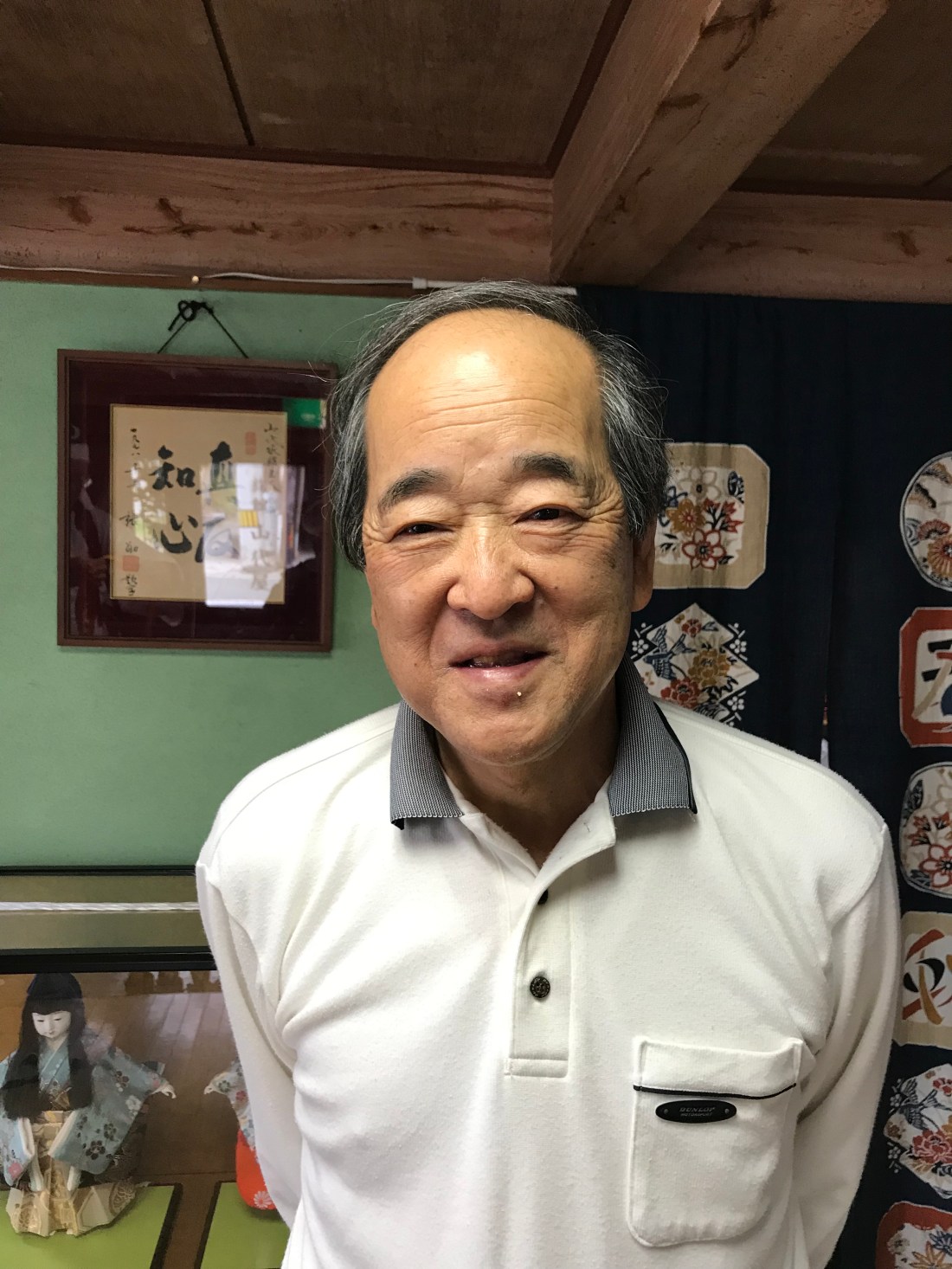
We finally found Minshuku Matsuchi-y with another welcoming owner who was so gracious from beginning to end. She told us that her town was known for four things. The first is the spring water said to be one of top 100 in Japan. Second, an elementary school built during the Meiji period whose main corridor measures 109 meters is completely made of wood. The students at the end of their day clean the walls and floors before leaving. Third, a German physician married a Japanese physician and together practiced medicine in the region. That was many decades ago when few non-Japanese came to this area. Finally, this town was the first in western Japan to have a school for all children, male and female alike. She was so proud of her town. Here’s her portrait.

As with every minshuku, the dinner was superb. I also included a photo of the rice container. I have seen rice cooked in a wooden container once before at a Japanese restaurant in Los Angeles but not used to serve the rice. How special. The rice was still a bit sticky as Japanese rice should be. But it had an airy texture to it. Almost like eating a cloud with substance.

I decided that I should become a minshuku ronin – a wandering traveler who goes from one minshuku to another enjoying the hospitality of the owner, comfort of the room, the ofuro, and of course, the dining delights of the house. Dream on!

Day 27: The “Last” Bus Ride (30 March 2019)

We had a delightful time at Ryokan Yamashiro. Our host Yamashiro-san was up and about serving breakfast and consulting with us about the times for bus service to Uwajima City.

Before leaving, Yamashiro-san told us that he was recently in the US. He had visited Manzanar, the National Historic Monument in Northern California where 10,000 Japanese, the majority of whom were US citizens, were imprisoned during World War 2 without due process of law. Just this summer, Sharon, my sister, and cousins Tim and Marie visited Topaz, Utah and Heart Mountain, Wyoming where our families were detained for three and a half years from 1942 to 1945. A dark period in American history.

Besides this serious part of the conversation, Yamashiro-san told us that he goes to his most favorite American city during the off-season, winter, when very few ohenro are walking about. Can you guess where? Las Vegas was the winner.

We ended with Yamashiro-san saying that he and his wife will be retiring from the hospitality business in the near future. He is 72 and the time seems to be coming to start a new chapter of life. Sound familiar, friends? The upshot is that senior citizens own and operate many of the minshuku and ryokans that we have visited. Their children are living in the big cities where the jobs are. These owners are not optimistic that their children will sacrifice their current lives to maintain the family businesses and traditions in rural Shikoku.

What does this mean for future walking ohenro? In many areas, the guidebook identified a single minshuku. Even with current availability, we sometimes had to call several lodging establishments to secure a reservation. Lodging seems to be more plentiful in larger cities with an ample selection of hotels and business hotels. But in the more sparsely populated areas where the ohenro walk, losing precious lodging may strain the ability of ohenro to walk smoothly and in a continuous direction from temple to temple.

The number of older owners is a part of the demographic trend that is affecting Japan and many developing countries. Japan is already declining in population. As Aoyama-san and I walked through rural Shikoku, we often commented about seeing no people on the streets in small towns and villages, about the number of abandoned homes, about how old the farmers seemed to be, and about school buildings with no children in them. In one town, Aoyama-san stayed at a “hotel” that was once an elementary school. As a high school principal, one of his last duties before retiring was to plan the merger of two high schools because the community could no longer support both. That was in a near suburb of a Tokyo. Here was the first time that I observed the stark reality of a declining population and its effects.

We then boarded what I think will be the last bus that I will take on this trip. The bus has been a necessary convenience to get us to Matsuyama by 5 April so that Ayoyama-san could return home to Ibaraki. We also had to consider his foot issues. He has been brave to walk as far as he has. You saw the photo when he applied raccoon oil to his blister.

Eric, my golf pro, has said you can have the best swing in golf but you need course management to succeed. For non-golfers, he means that hitting the ball as far as you can is not enough. You have to know where to place the ball on a hole in order to avoid hazards and to increase the chances of having the best angle to put the ball on the green.

Throughout this trip, we have had to work on course management. How to get the most out of our legs (we both are 70) while enjoying the walks and challenges. Over the next four days before we get to Matsuyama, we will be hiking up two mountain passes that are almost 3000 feet in order to reach Temples 44 and 45. So, today, we decided to take a break before the mountains. We took the bus from Temple 40 to Uwajima City. Nevertheless, we walked 8 miles, almost all of the hike in pouring rain.

We visited Temple 41, Ryukoji, just as the rain stopped. We met Miki again; she was the woman featured on a Day 24. We took the bus to get to Uwajima City; she walked all the way. One tough lady. We also met up with Matsuo-san whom we met four days ago. He was Marc from Switzerland’s walking partner. You may recall that Marc decided to end his journey because of severe blisters. Matsuo-san was walking with Marc’s staff. You can see Marc’s name written of the side of the staff. What a lovely gesture to carry his staff, his spirit, for the rest of the journey.

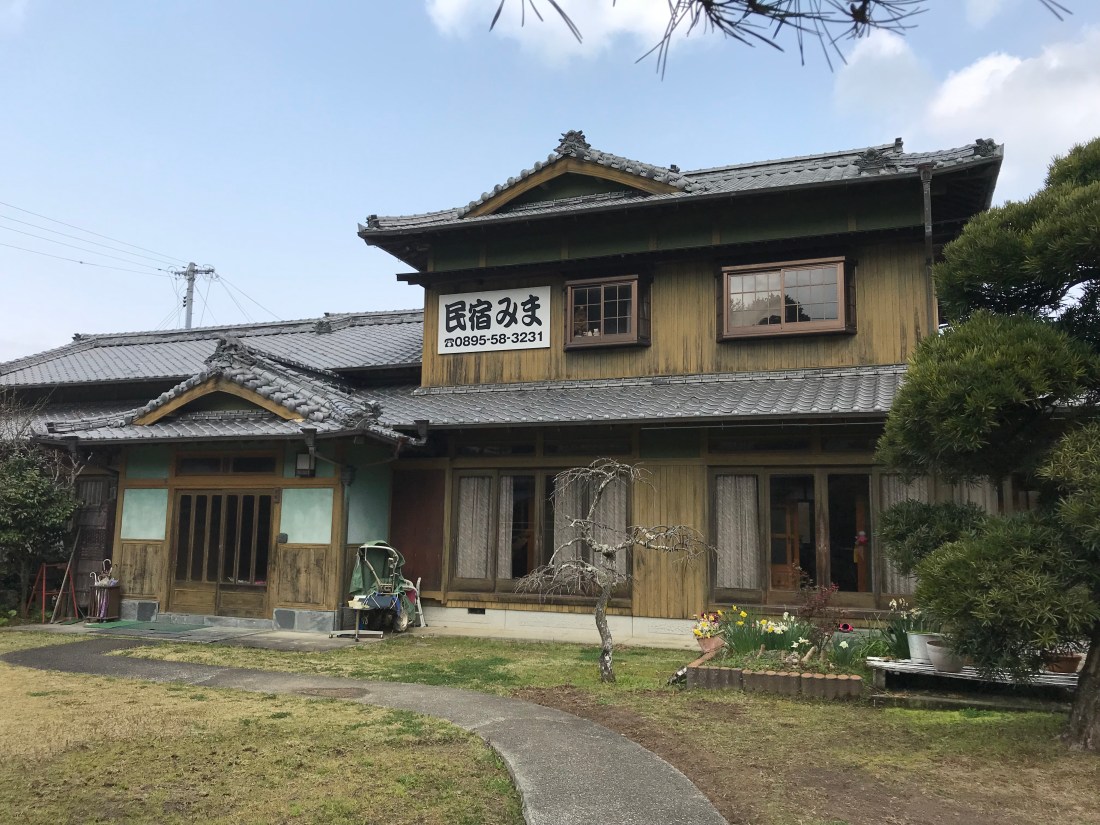
We retired to our Minshuku named Mima written as the last two characters on the sign posted on the house. The name, Mima, conjured up the image of Sheldon on the Big Bang. His grandmother’s nickname was Mima.

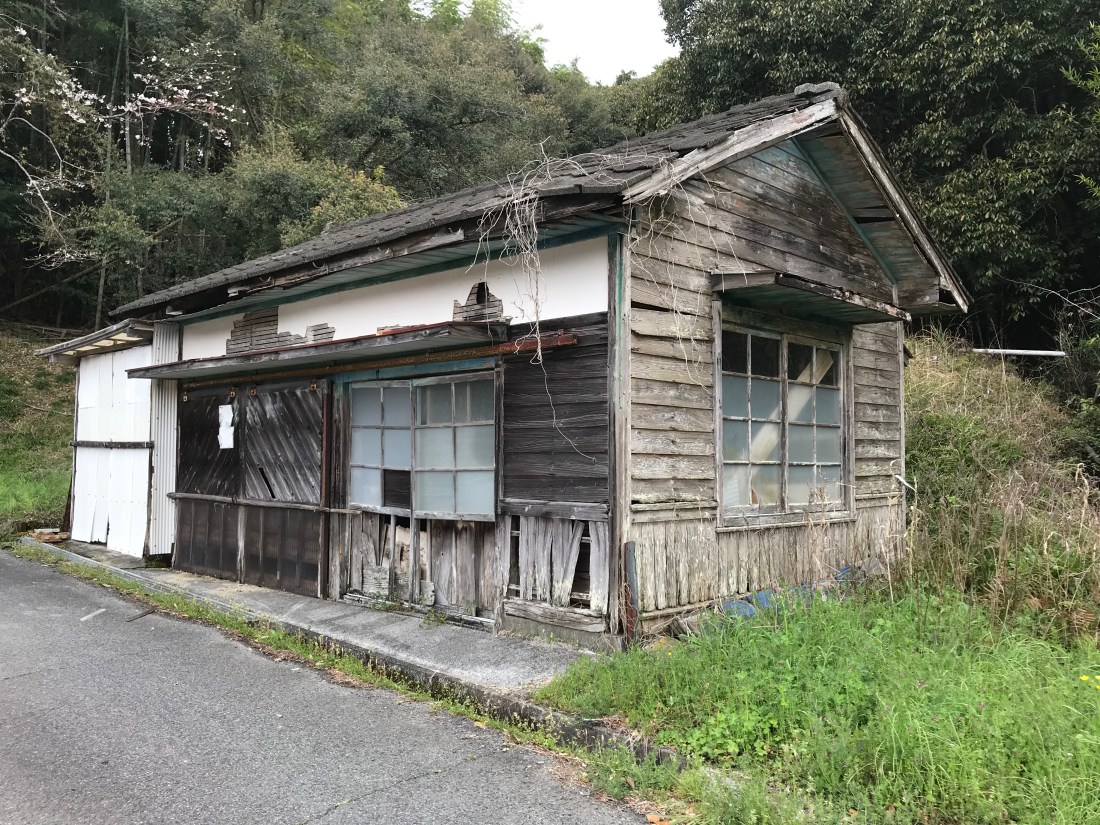
This minshiku was the best appointed so far on this trip. How about this room and dinner. I don’t think that Kukai has it so good. But as Yamashiro-san said in the morning, these owners are contemplating retirement. Another potential stop lost on the ohenro michi.
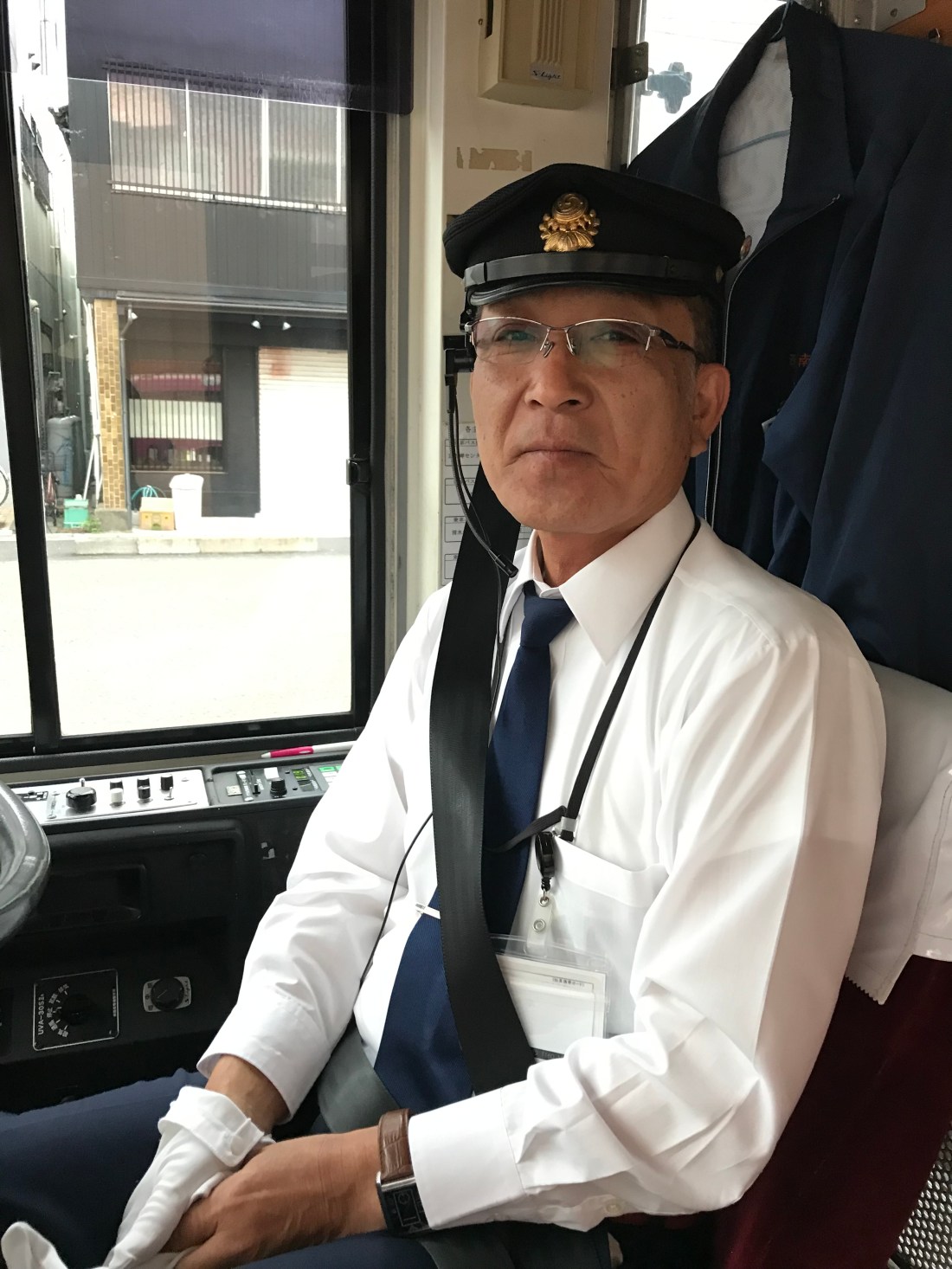
So, have I taken my last bus ride? Time will tell. At least I know that Kukai is with us in spirit.

Day 26: Go For It (29 March 2019)

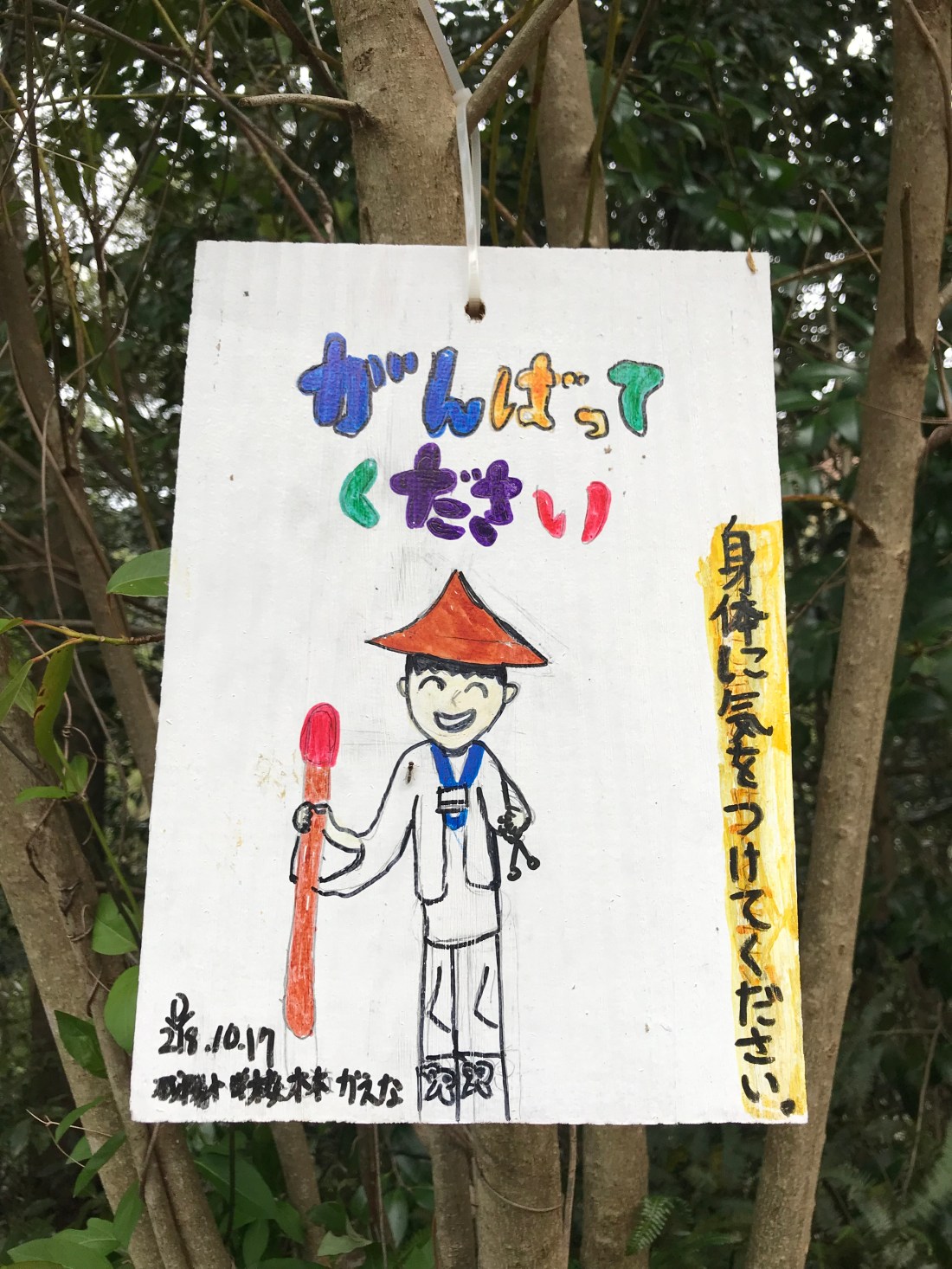
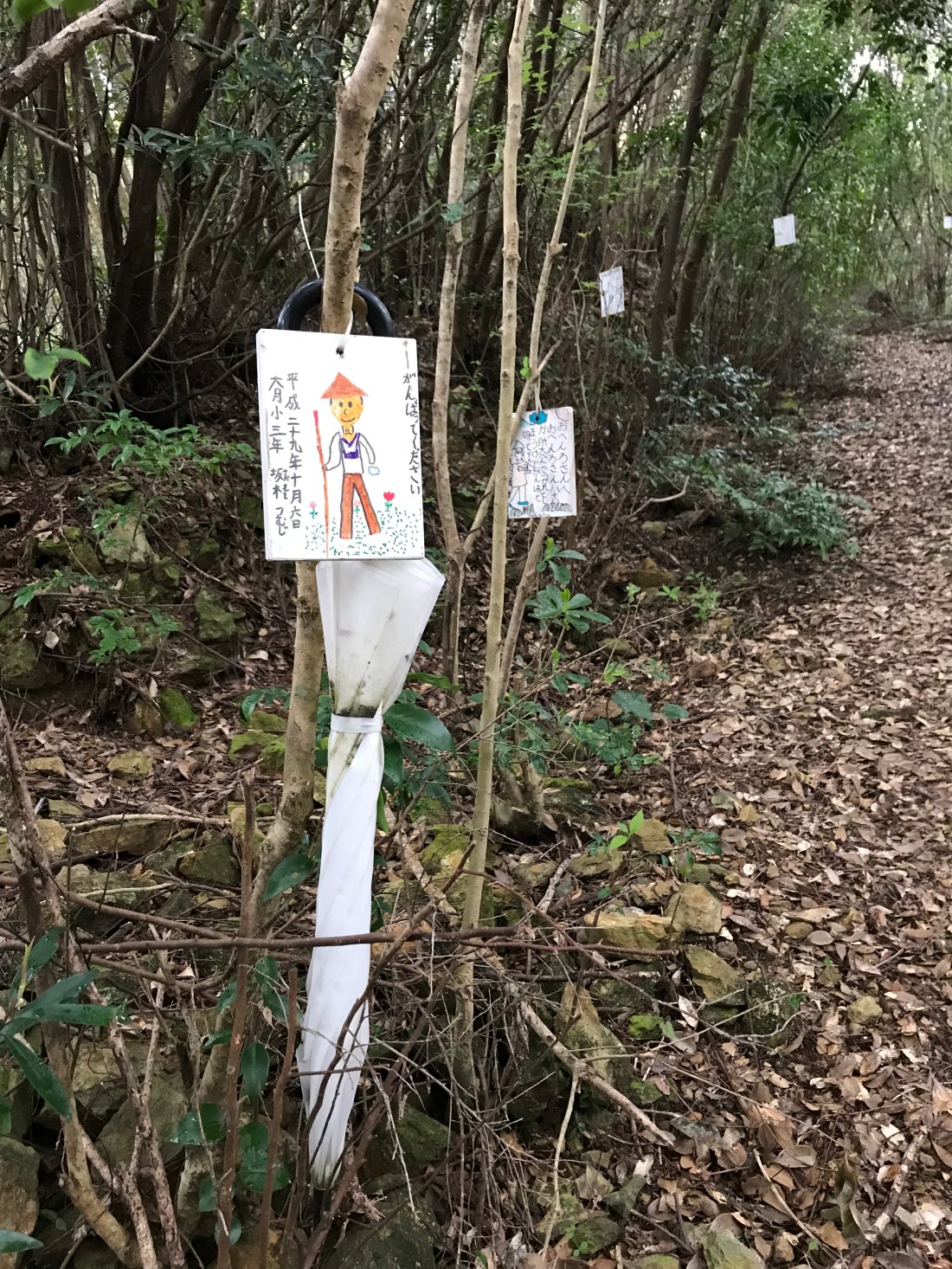
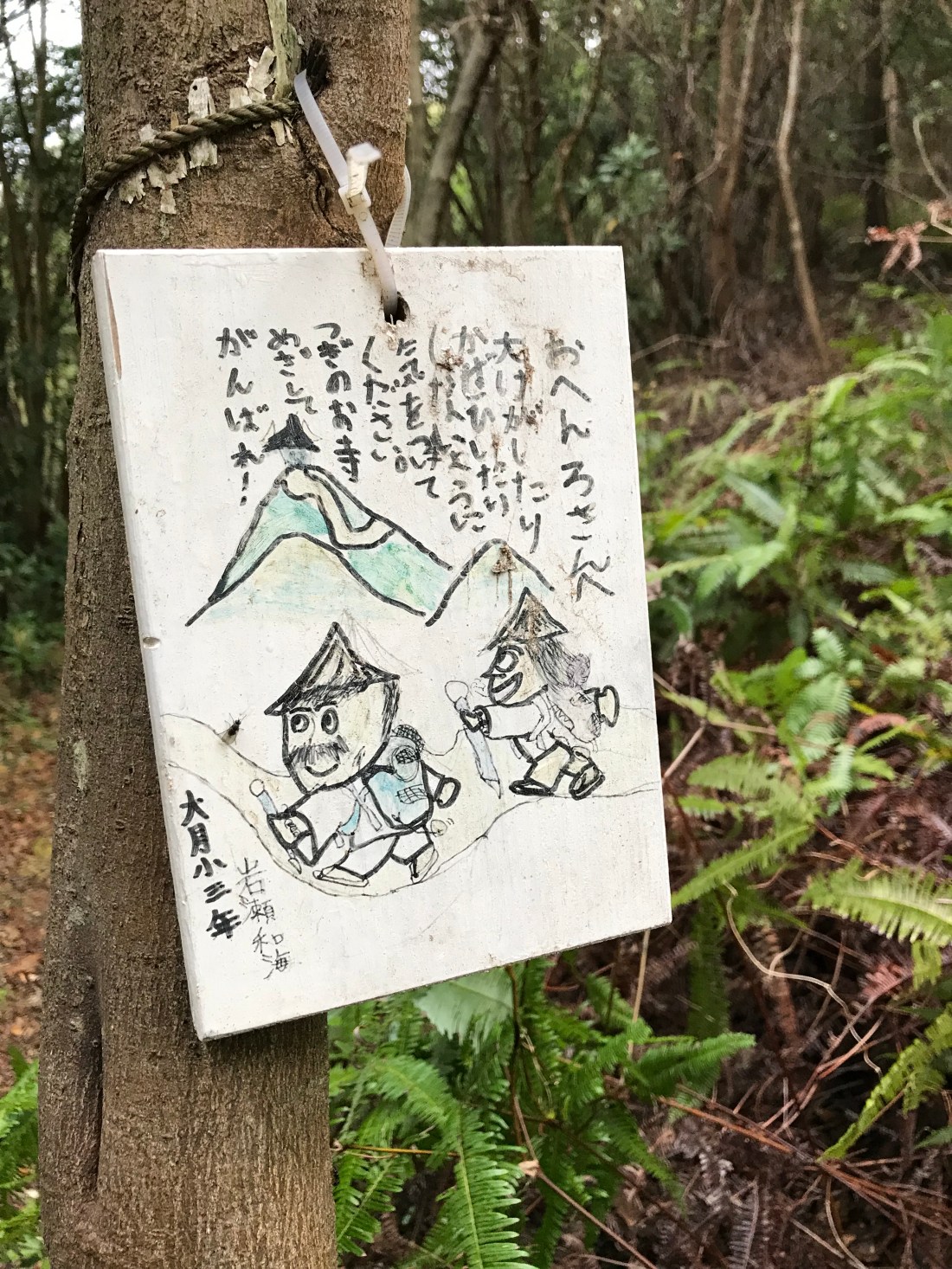
We started up the ohenro path that was the road used in the Edo period to traverse between Eihime and Kochi prefectures. The path was challenging rising from sea level to 1000 feet. Along the way, we read encouraging messages from elementary school students like the ones we saw on yesterday’s path.

I was particularly taken with the one with the simple message, “Ganbide, kudasai,” translated as “Go for it.” I wonder whether the Japanese-American soldiers of the 442nd Regimental Combat Team used ganbi as the basis for their motto, “Go for broke.”

We were inspired so much so that we took the wrong turn and ended up dealing with a very steep slope on the mountainside. I slid twice, once going down 10 feet. There were plenty of trees to break my fall. But I have to admit, it was scary to think that we were lost.

We backtracked and eventually found the trail. What had happened was that we powered straight ahead rather than seeing and taking the hairpin turn. Sharon would say — that’s hunter behavior rather than that of a gather.
After we took a deep breath, we continued to the pass where we met a French couple. They came to Japan to celebrate the wife’s (Sophie) 60th birthday on 8 May. They will be in Japan for 60 days. They intend to complete the circuit. You can see our view from the pass. Not much remains there. The information board said that a tea house once stood there to serve travelers on their way between Kochi and Ehime.

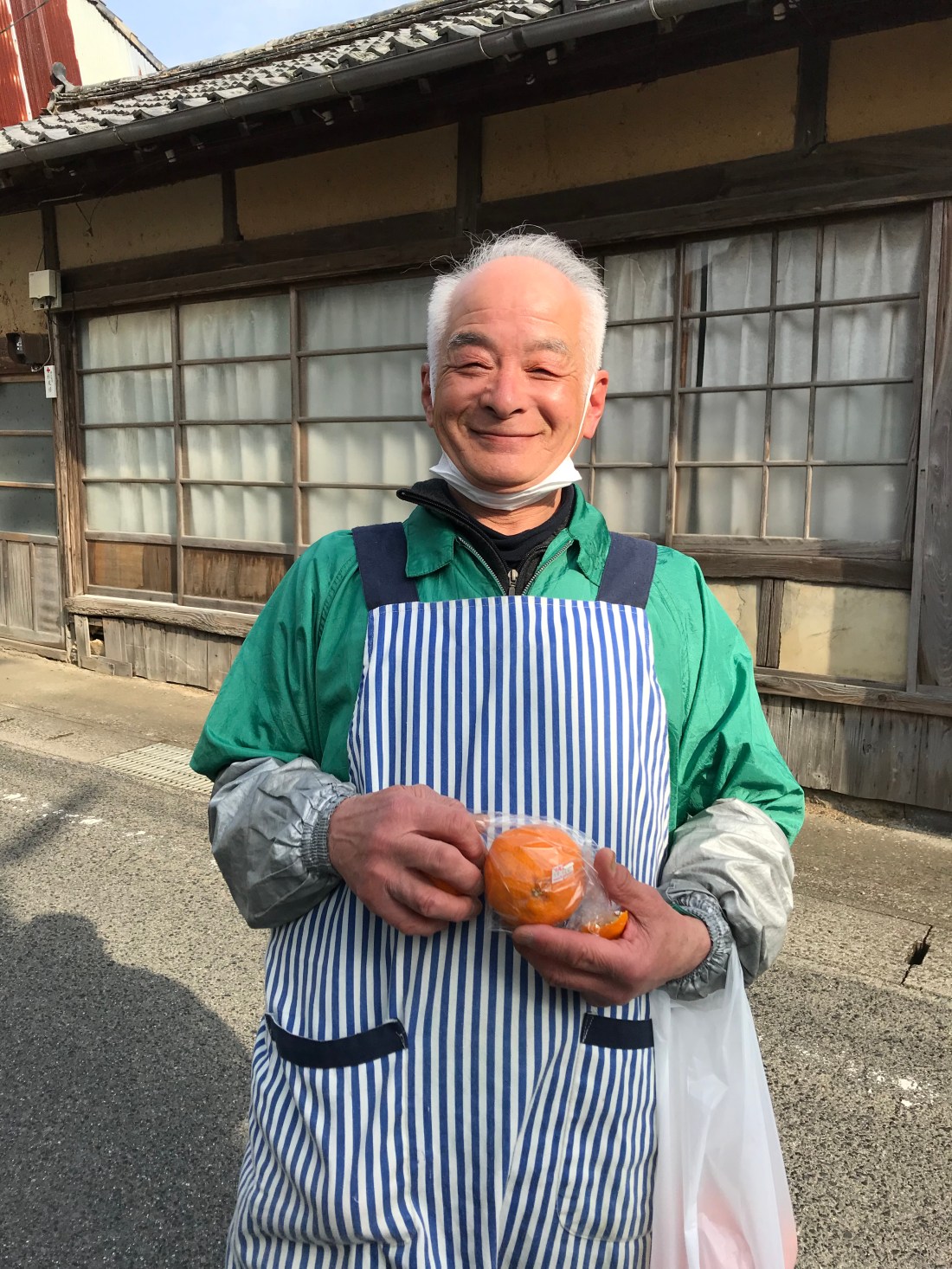
We continued down the mountain passing by a grocer who gave us some oranges and alongside a river whose course took us to Temple 40, Kanjizaji.

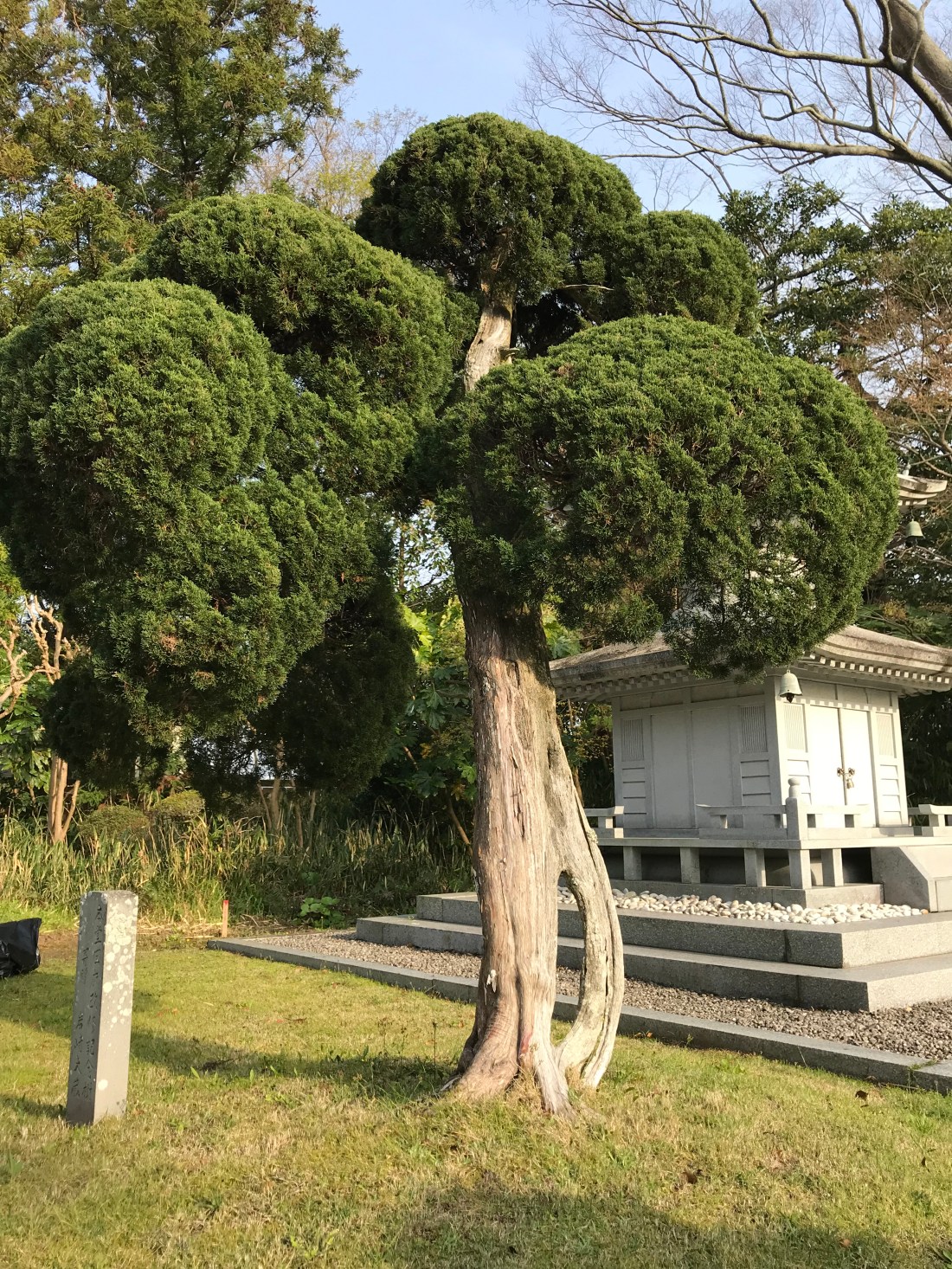
The temple was serene as closing time approached. Several outstanding examples of manicured trees stood out like the one below.

For the first time so far, a row of different Buddhas with a water cleansing fountain in front of each, was quite impressive. Each temple seems to have its own signature.

Once I had the temple stamps in my book, I was officially at the temple furthest away from Temple 1 – one way of thinking about the halfway point. We also crossed from Kochi to Ehime prefecture. We left the Place of Ascetic Training and now in the Place of Enlightenment. Stay tuned.

Day 25: Ichigo, Ichie (28 March 2019)

Our day started at 5:30 because we had to catch the 6:15 bus. I was awake, packed, and ready to go. To my surprise, the host came by to check that I was up.

She was a pip. Always on the go with a high volume voice speaking Japanese that I understood. Although breakfast is normally served at 6, she had it ready for us at 5:30. What a lady.

The bus stop was right next door to Minshuku Hatto. How convenient. Before we got on the bus, Sunano Itsuko, came out to say goodbye. Because he was only walking, the chances were slim that we would see him again. Aoyama-san said, “Ichigo, Ichie,” one life, one encounter. Indeed, we have one lifetime and throughout it, we meet many people only once but who have in some way affected us. I think of all of the people whom I have met on this trip who have helped me enjoy it, have smoothed the way, or have taught me lessons. Here was Sunano-san taking time to thank us for being part of his life.
We made our transfer to the bus bound for Sukumo City. The bus driver was very helpful in making sure that we got off at the stop we wanted. Ohenro and the occasional tourist do not get off where we did. What a professional. Notice the white glove? Bus and taxi drivers wear white gloves when they are operating their vehicles.

We found the part of the ohenro trail where the children from one of the local schools had left messages of encouragement to the ohenro. Since these were 3rd graders, they wrote in hiragana. When I get home, I will work on translating these messages into English. Messages are added each year. What a wonderful class project.

We finally made it to Sukumo City and the jumping off point for Temple 39, Enkoji. We walked there and thus our day’s total was 15 miles. An amazing feat for Aoyama-san. No pun was intended.

We deserved a nice dinner after today’s early start and amount of walking. But before, we went to the ofuro. I have mentioned the Japanese bath so why bring it up again? As Aoyama-san and I entered the bath area, members of a high school baseball team were toweling off. They bowed to us and made room for us. As they left, the most senior boy turned our slippers around so that pointed away from us. That way, we could easily put our feet into them when we were ready to leave. How thoughtful from a high school student.

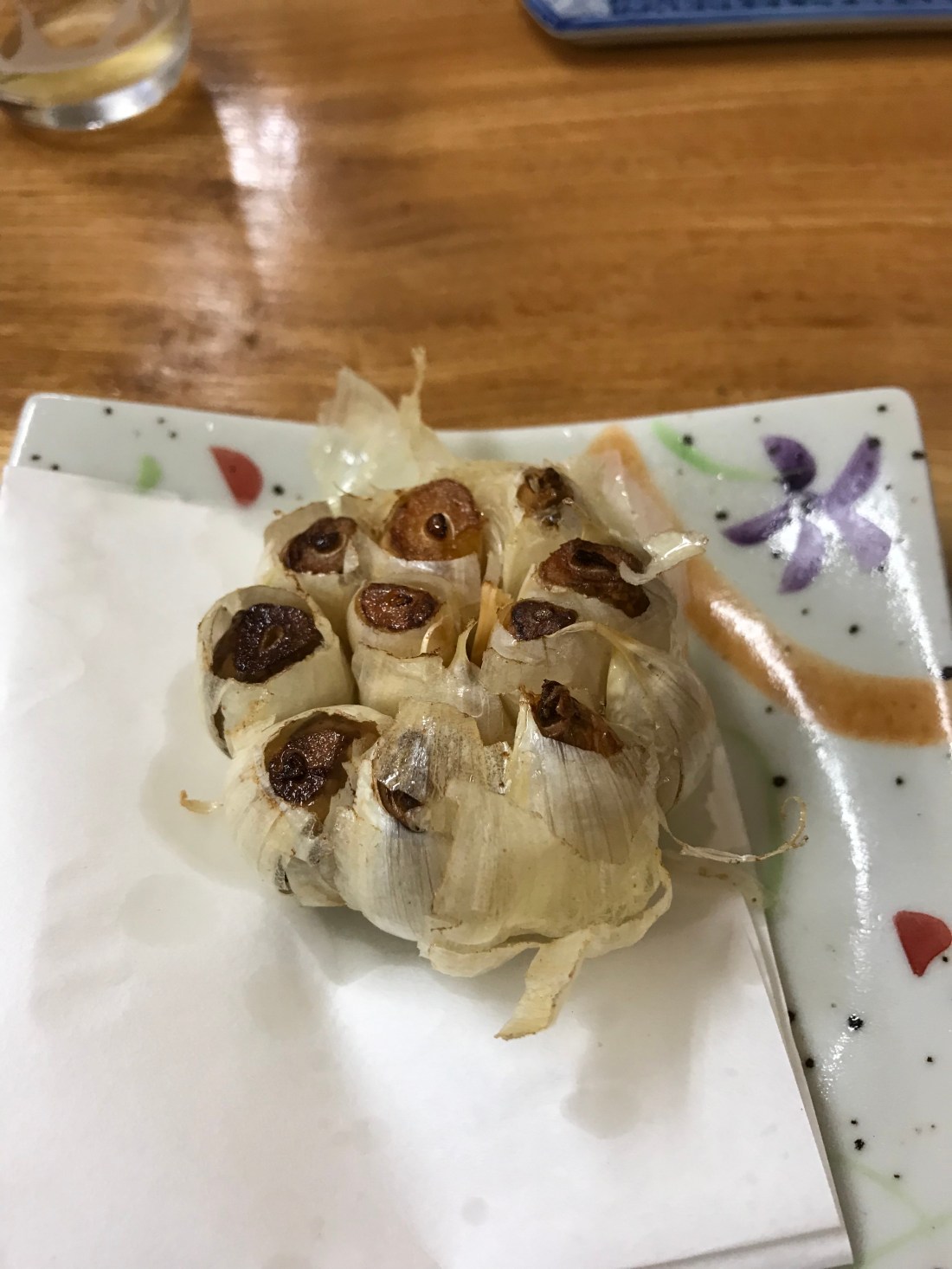
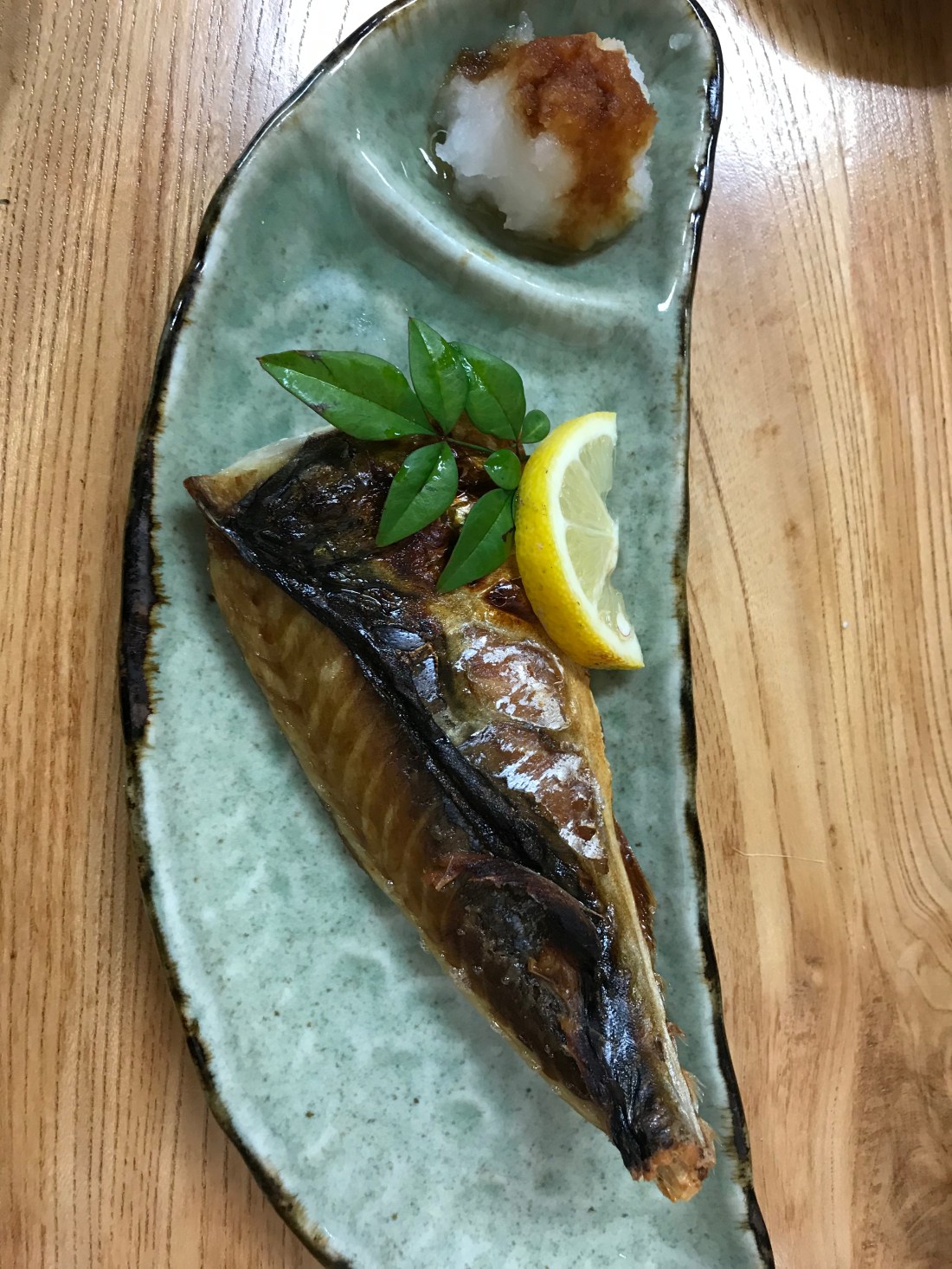
Back to dinner at the izakaya. I included several images such as the amuse bouche from the chef, saba ( my third time today), homemade rakkyo (pickled scallion heads), roasted garlic, and grilled ika (cuttlefish). Loved it all. We said kampai. The Asahi beer tasted so good. This bottle has its special spring label commemorating Sakura.

Here is our server at the izakaya.

Tomorrow Temple 40, Kanjizaiji, the furthest point from Temple 1.

Day 24: Going With the Flow (27 March 2019)

What you think or would like to happen, often does not regardless of how much you want it to be so. Several foreign ohenro have expressed this sentiment in so many words.

This morning, Marc from Switzerland decided to return home after reaching Temple 38 with blisters on his feet that were worse than Aoyama-san’s. Marc said that he was comfortable with his decision. He said that this is the current condition of his feet. Other than rest for an indeterminate amount of time, he would rather recuperate at home. It is what it is. I have to accept the situation,

“Accept the situation” and make decisions accordingly seems to be a general feeling among the ohenro. If you resist the current conditions, you may become angry and aggressive or sullen and depressed. Something that I have to learn during this pilgrimage.

The theme of going with the flow continued for the rest of the day. Aoyama-san and I had decided to take the bus from our minshuku to an end point about 8 miles down the road. From there, we would walk to Temple 38.

The plan was scuttled in the morning. Rather than wait for the bus, we decided to walk first, then take the bus, and finally walk the rest of the way. We changed the flow. A good outcome ensued when we met Miki whom we first met on day 13 at the Ozaki minshuku. She is on a break between jobs. She decided to walk the pilgrimage before her next job. A time for herself.

On the way to our next destination, we spotted a couple cycling ohenro. No motorcycle ohenro seen yet but I would not be surprised.

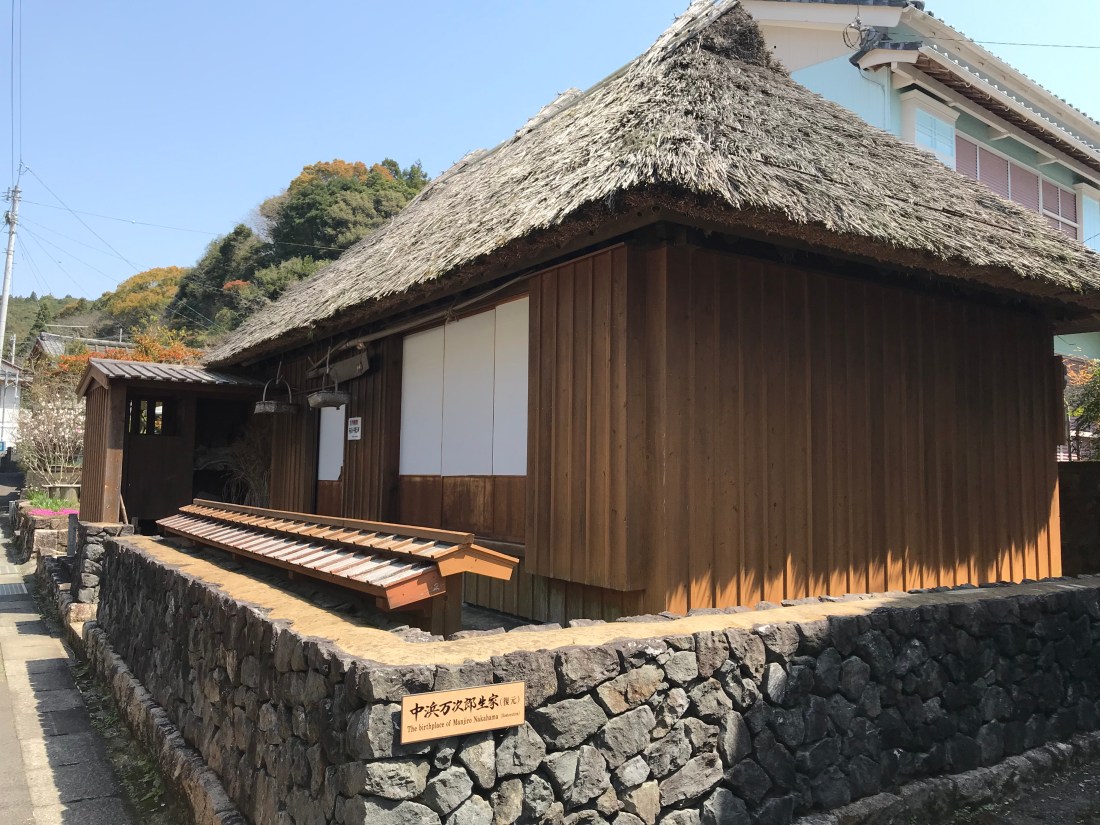
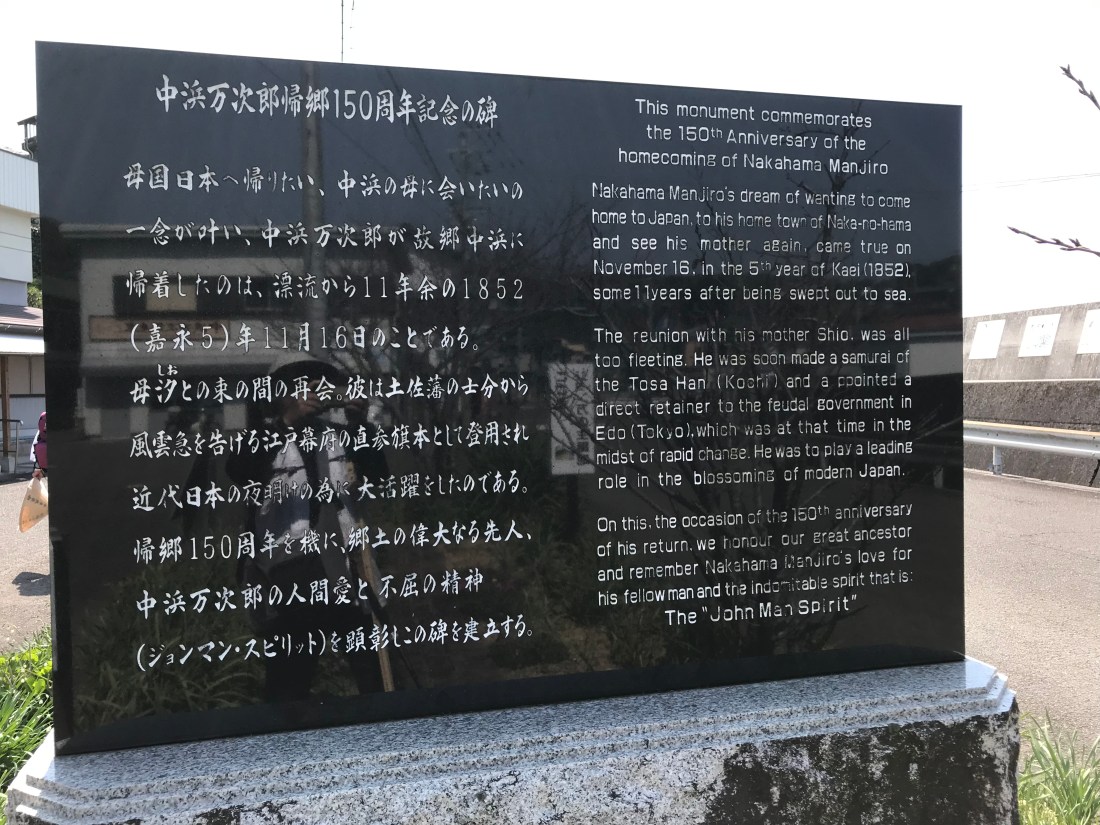
The big hero in this area is John Manjiro. In 1841 while fishing, he was caught in a storm and an American ship rescued him. The captain brought him to the US where he learned English. He returned to Japan around a decade later. He was the translator for the Edo government when Perry appeared in Edo Bay. His boyhood home has been restored and several memorials were erected to honor him in Nakanohama. We also saw a statue of him at Cape Ashizuri where Temple 38, Kongofukuji is located.

I also added in a photo of Nakahohama’s current main business, drying bonito that are added to miso soup. Aoyama-san said it takes several days for the fish to go from fresh to what you see on the ground. We stayed clear of the plant in order to avoid having our clothes perfumed with smoke.

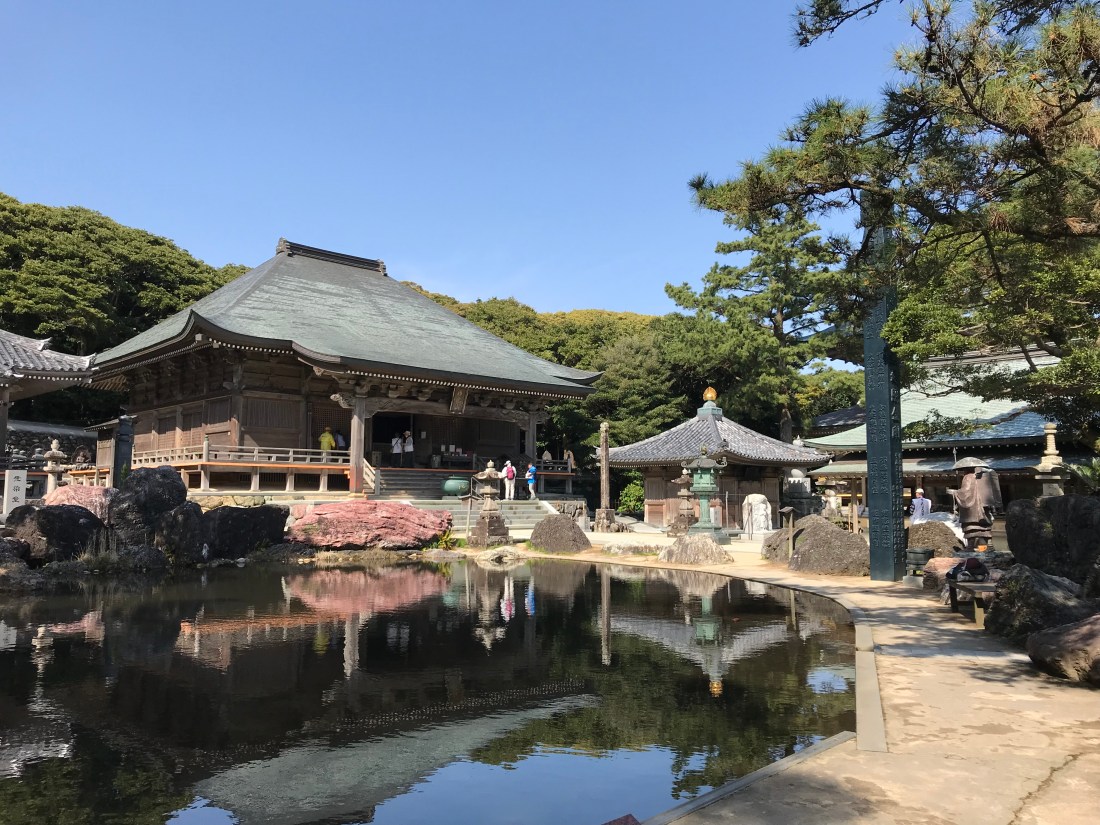
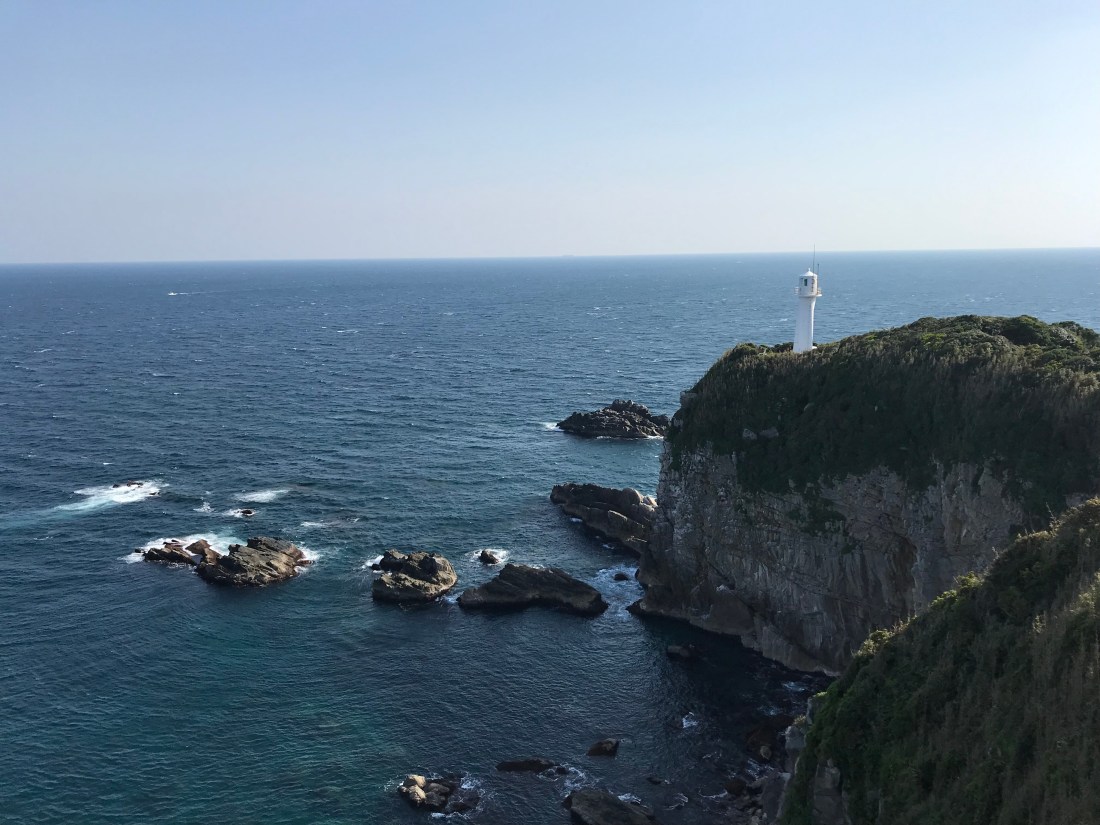
The 88 temples run the gamut from ordinary to the spectacular. Kongofukuji is spectacular. The stones that create the earthly scene around the temple are stunning. The temple gained its wealth for being located where Kukai called upon tortoises to carry him around a reef where he furthered his studies for the priesthood. Kukai must have been a tough fellow because the winds were gusting and even on this sunny day. It was chilly. The images are of the temple, the lighthouse at Cape Azihuri, and a medallion marking the most southern point on Shikoku.

I had to end this day with images of the sashimi at Minshuku Hatto. Saba, my favorite kind of sashimi. I don’t think the saying, “Here’s mud in your eyes,” applies here.

Day 23: An Ode to Joy (26 March 2019)

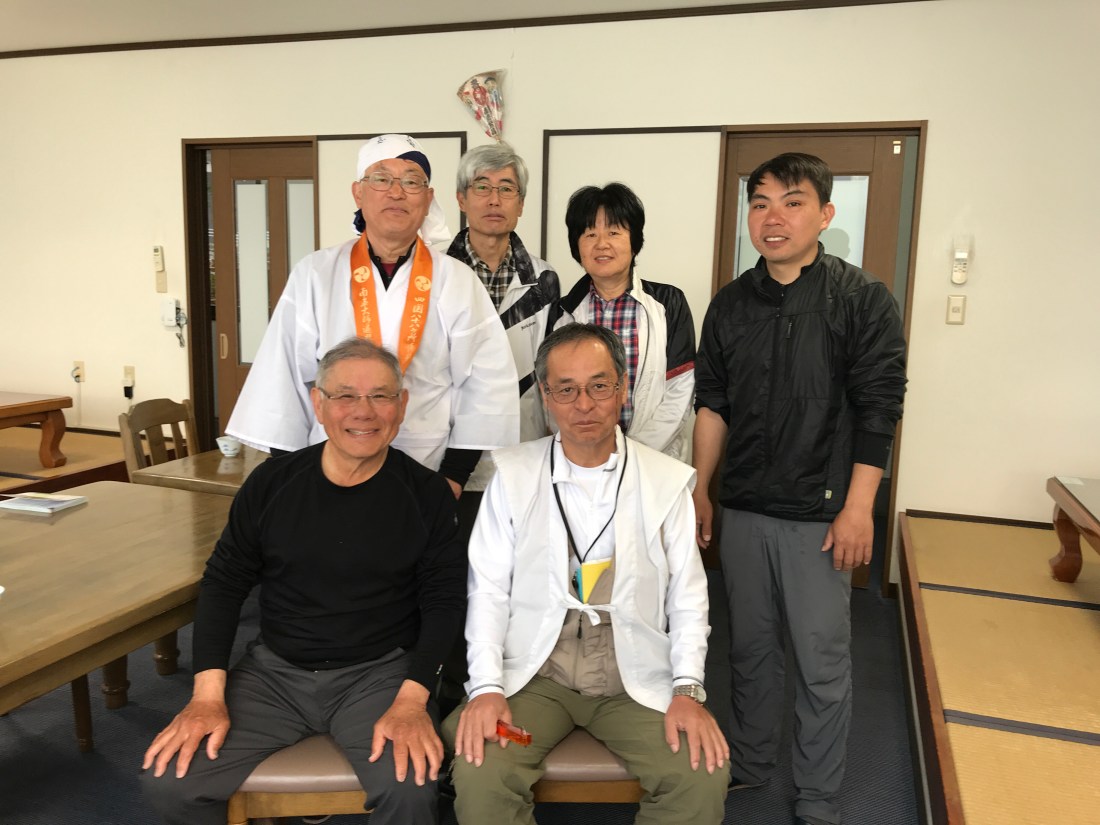
We took a group photo at breakfast. Throughout this journey, people intersect at various times. Aoyama-san and I met the fellow sitting next to me at Micchan’s. Everyday since, I have met him walking along the road. Here he was at our hotel. The young man standing to the right, I met on day 1 at Temple 4. He is from Taiwan and is 24. I was wrong when I wrote that the American, Adam, 33, was the youngest.

The aruki (walking) ohenro community is smaller than I thought. Aoyama-san found out from an innkeeper that about 500 ohenro complete the 88 temples within one continuous walk or within three months of starting. Another 2000 finish segments that when combined over a period time totals the 88. Thus, very few of the 250,000 ohenro who visit the temples walk the paths between them.

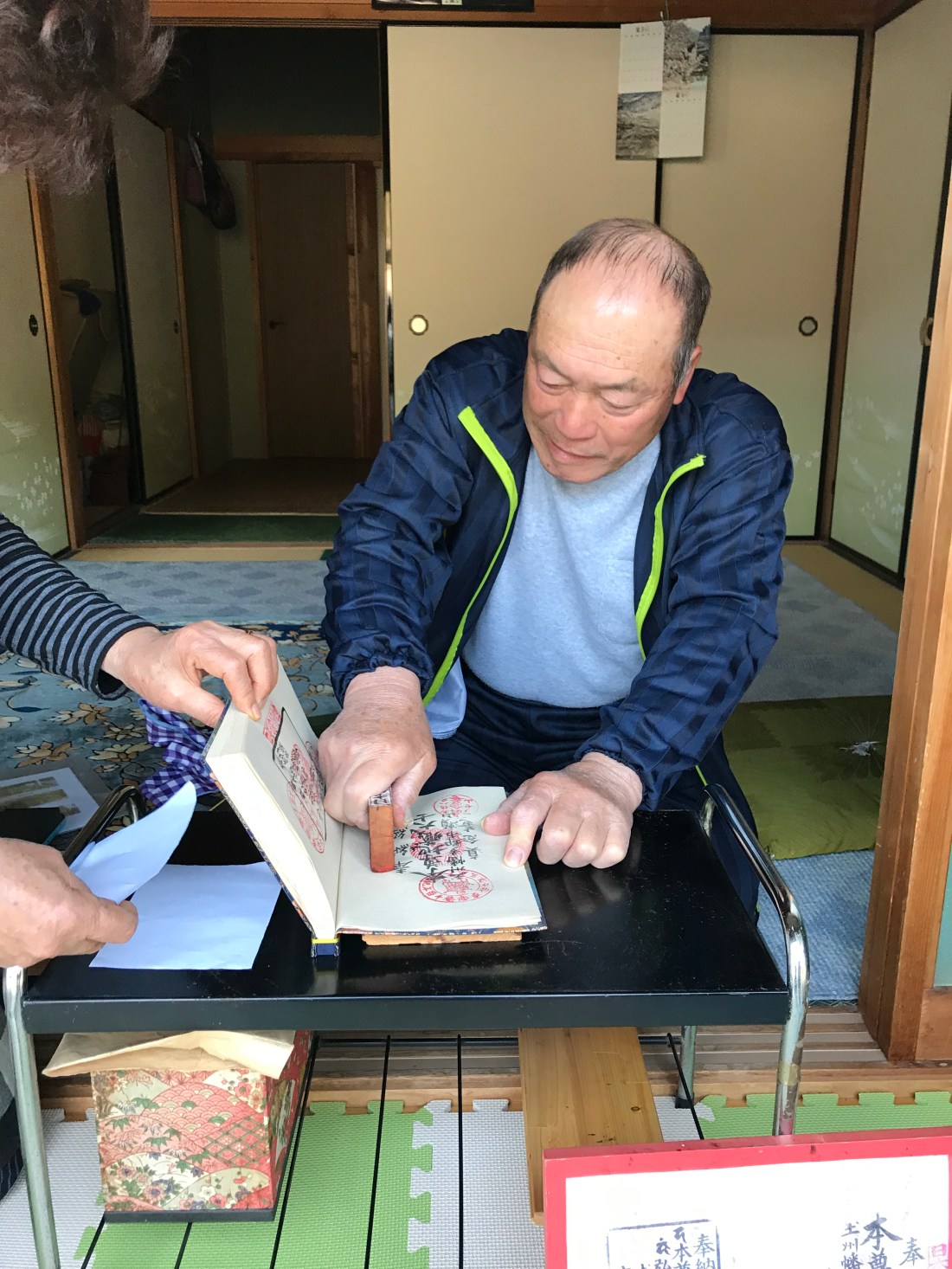
I was very fortunate to have met Aoyama-san. Besides getting first-hand experiences with Japanese people, he has studied the route such that he knows key places not to miss. Today, we missed the turnoff for Shinnen’s home. He is important because he wrote the first guidebook of the pilgrimage in 1687. After checking into our minshuku, we went back by bus to where he lived. A very quiet temple stands on the grounds. Our visit will be one of the highlights of the trip. The place was so peaceful. We were told that only 500 or so people visit each year, mostly on special bus tours. We had our signature book stamped by the family in a village of 12 families now assigned to affix these stamps.

Our day started off going to the train station. We walked down the main road and eventually turned right up a street that led to the station. We were 30 minutes early. About 10 minutes after our arrival, Susan from Long Beach, California appeared. She gave each of us a jar of hot tea and a bag that contained an apple, a sembei (Japanese crackers), and two pieces of chocolate. She saw us and was practicing osettai, showing charity to others.

She now lives in her village farming garlic at the moment. She married a Japanese fellow after meeting him on line. For serious fun, he is a surfer and asked if he could visit her in Long Beach because years before he surfed the area. Voila. Married for five years, she has lived in Japan for the past year and a half. Who could have predicted.

The train ride was very smooth. After getting off, we both had the urge – the most important search and task of the pilgrimage when “on the road.” Here’s what we found and used at the train station.

I also could not resist taking a photo of bicycles racked at the station. See any locks?

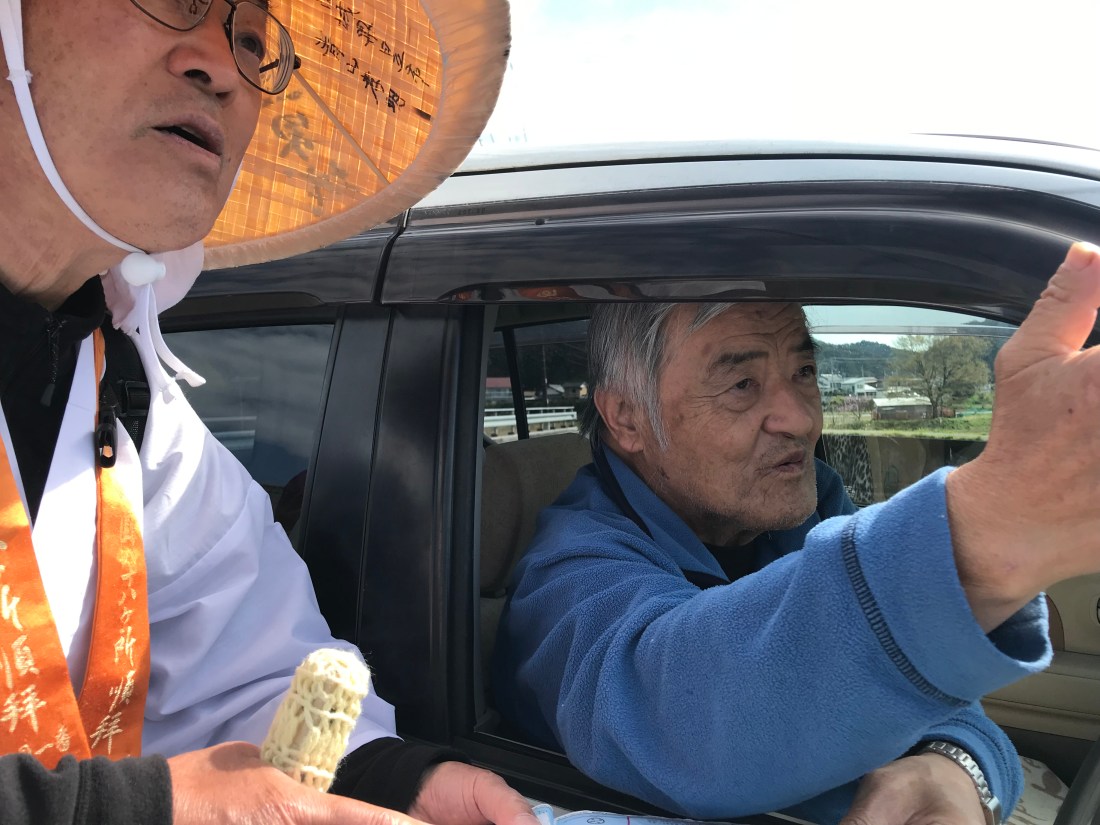
We turned to the right out of the station’s parking when a man called out from his car. He pulled over and told us that we were going down the wrong road. We should have turned right again about 50 feet after having left the station. Thank you, sir. You saved us from backtracking about 3 miles!

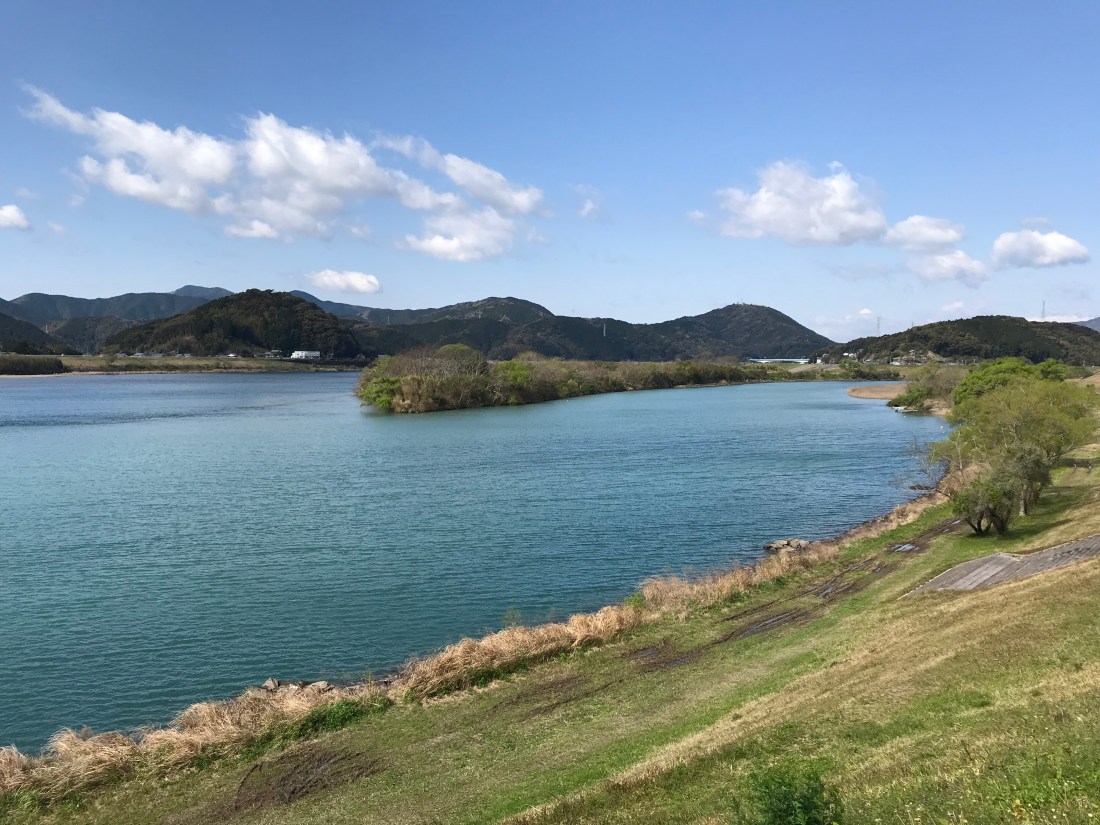
As we crossed the rice paddies, we came upon an embankment. What a beautiful sight – the Shimanto River. An hour later, we passed a class of 1st graders. It was wonderful to see these children. As you may know, Japan is declining in population. Several local schools are closing and consolidating. These children give hope to the future.

After a bend, we found a place to take our break when the noontime music came from the speakers mounted on a very tall cell tower. In Japan, a song is played at 7 AM, noon, and 5 PM in the towns and villages – modern equivalent of the town caller crying out times in rural Japan.

Aoyama-san said that in Bandō (town where Temple 1 is situated), Beethoven’s Chorus in the fourth movement of the 9th Symphony is played when elementary and high school students are dismissed for the day. I had been looking for a theme song. Here it was – how spot on given what I have experienced and how I feel. An Ode to Joy is how to describe our walks.

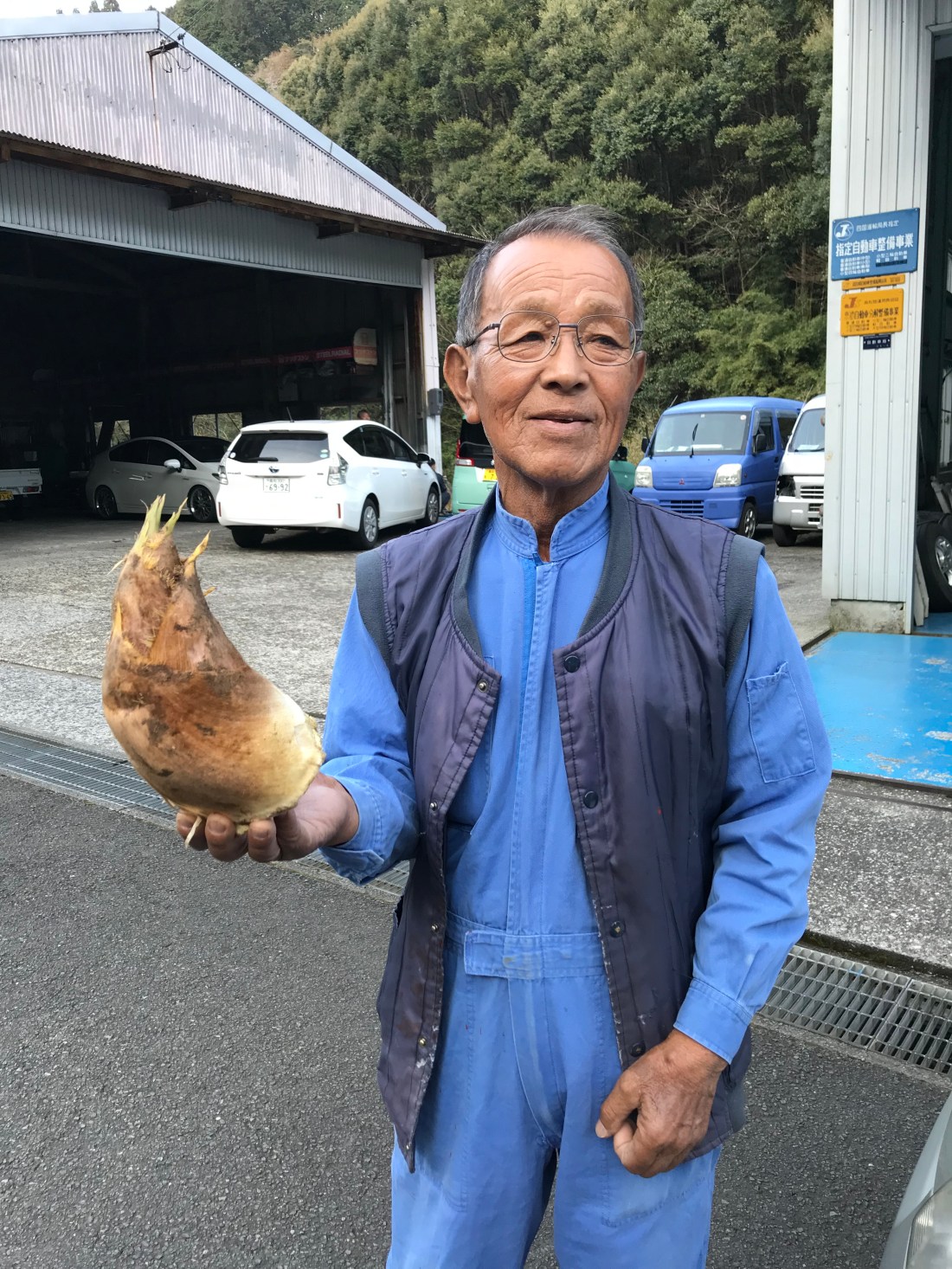
I need to end this blog with two notes about food. When we backtracked to Shinnen’s home, the bus stop was in front of a car garage. This place was busy! Just before we got on the bus, a pick-up truck came and stopped. The driver waved at the “boss” of the garage. The driver gave him the first pick of the bamboo shoots’ (takenoko) harvest. I bet that he gets priority the next time he brings his truck in for service.

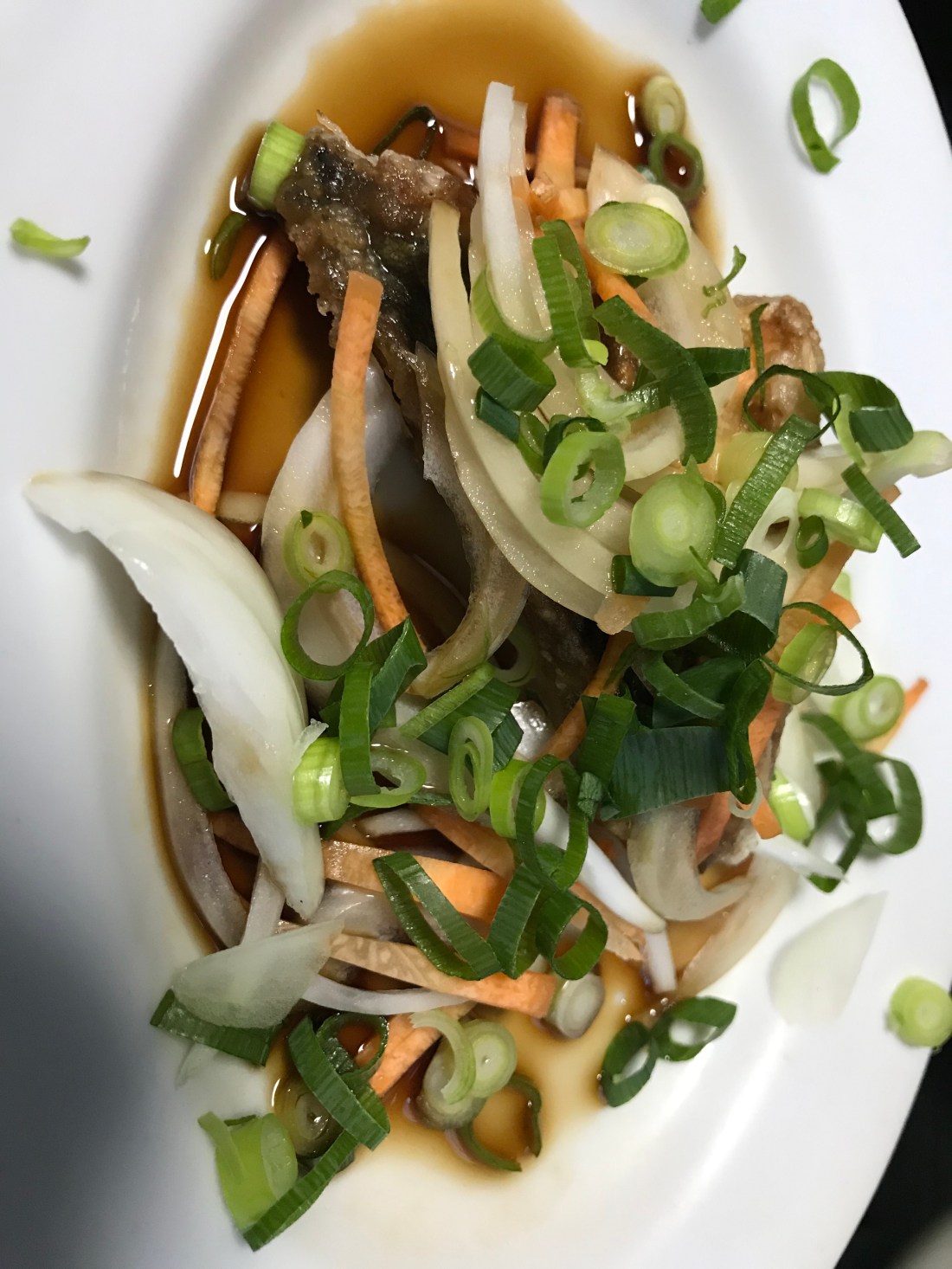
The other food note concerns adding orange juice to the soy sauce and wasabi mix. Never did that before but apparently that is the custom with this fish – a cousin of my all time favorite, saba, mackerel.

Day 22: Taco or Is It Tako? (25 March 2019)

We started with a sunrise ceremony at 6 AM in the hondo of the temple where we staying. While chanting, the priest took precise rhythmic beats of the taiko drum. Drums certainly play a powerful role in raising emotions. The ceremony ended with a single strike of the alter’s sacred chime.

We left the temple in great spirits. Aoyama-san had a spring in his step that I had not seen before. For several days, he would comment that his feet were dame (bad). A day ago, we reached ma-ma, so-so. Now, we were at good at least at the start of the day.

About 4 miles into the walk, a voice came out of a house that we were passing. Ohenro- san, stop and have something to drink. This fellow had constructed a seating area for ohenro that included a small frig stocked with cans and bottles of various cold drinks. He would make hot coffee or green tea as well on request.

He was really helpful in talking through our next five days – what minshukus had good reputations, which business hotels had larger rooms. He also had timetables for the trains and buses. After an hour and several phone calls to make and change reservations, we were on our way.

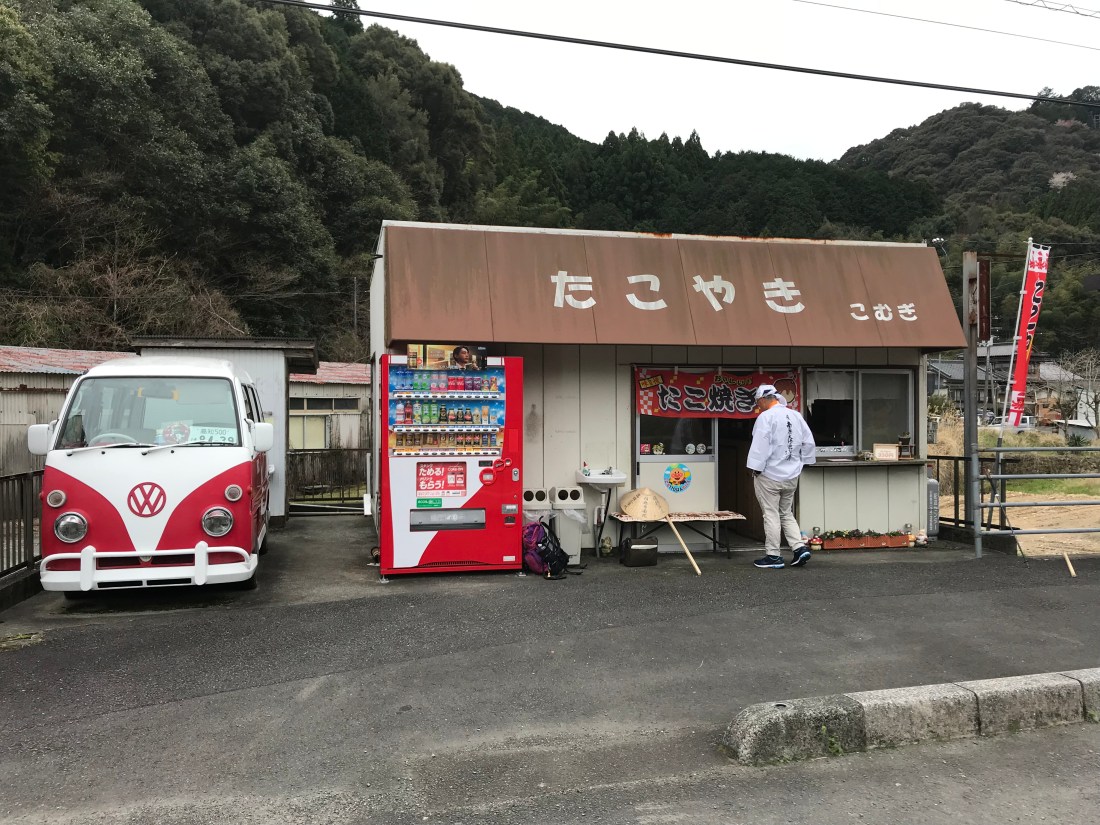
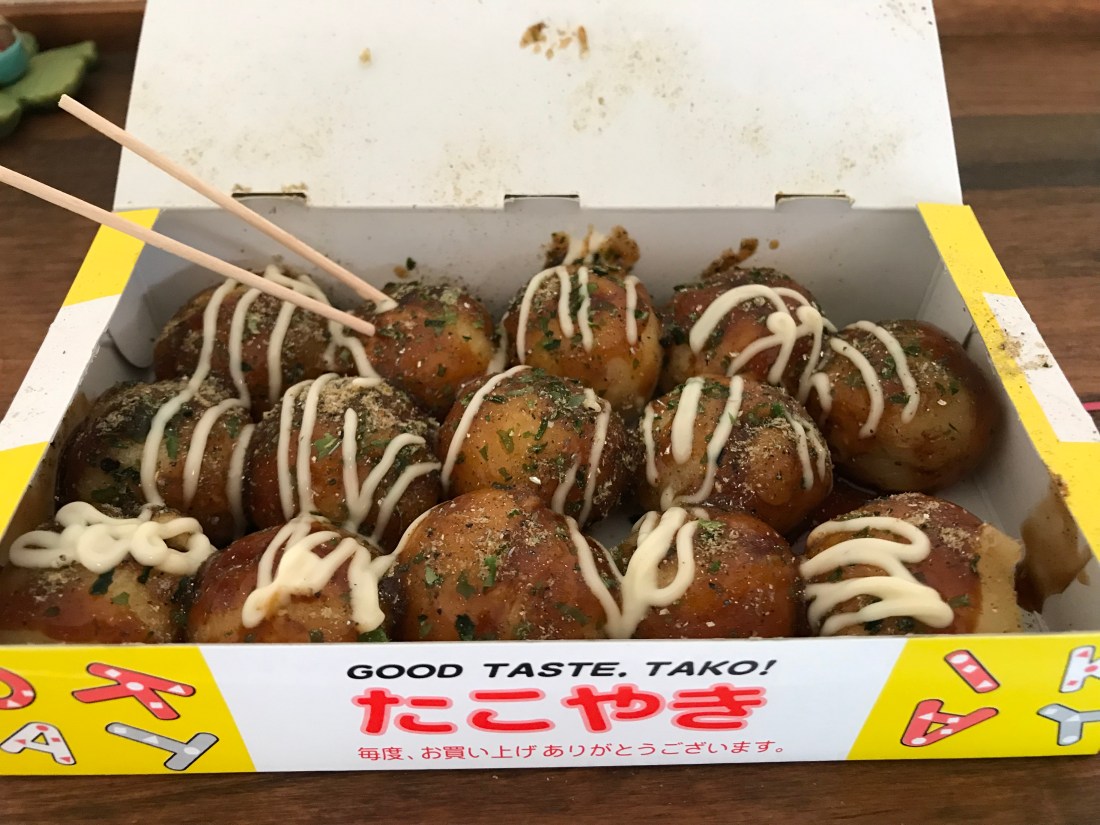
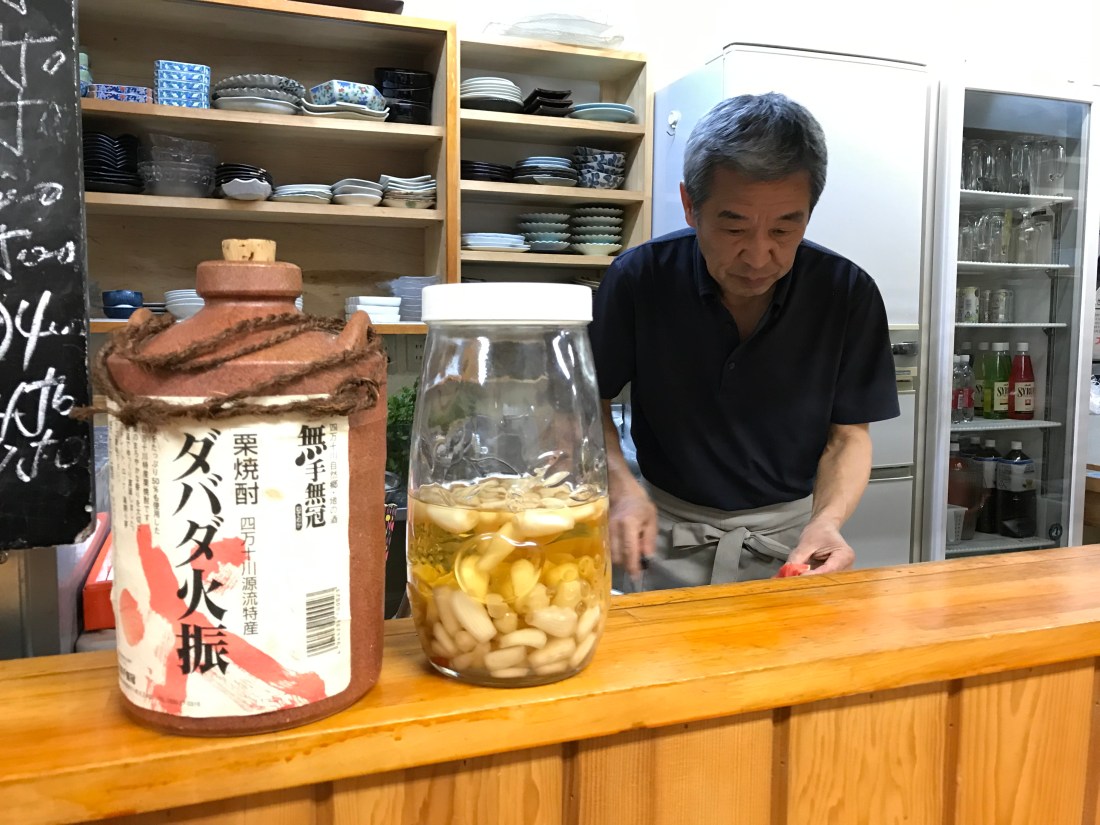
A siren sounded off at the same time the one in our stomachs did. Noontime, hirugohan, lunch time but no places in sight. We came around the corner and saw a stand offering one of Japan’s favorite fast food, tako-yaki, fried octopus balls. That’s tako, not taco. No tentacles or bodies. They have been mashed up and blended with flour. 350 yen for a box, about $3.20. How about the VW van as part of the frontage to the shop?

Some people say timing is everything. We were now in search of the train station that would take Aoyama-san to our hotel. It was about three miles down the road. His feet had tired after 8 miles. No surprise.

The tako shop was right next to a bus stop. Buses stop there only three times a day. The next bus, the 12:52. It was 12:53. Did we miss seeing the bus as it passed by. We looked to our left down the road and then right up the road and up the hill that we had just come down. (Note – the Japanese drive in the wrong or should I say different side of the road.). There was the bus at the top of the hill.

We caught the bus and got to the train station just as the train was pulling in. The gates were down to prevent crossing the tracks when a train is in the station. The engineer saw us and the conductor came out to manually open the gate. Ayoyama-san was home free. Later, he told me that he caught the express train that eventually stopped 2 miles after passing the intended stop. However, that was better than the 7 miles that I still had left.

Before leaving the station, I took a quick break. Here is the first English misspelling that I have seen on the trip.

The remaining part of the walk seemed long. After walking 100 miles of coastline, the waves and rocks become all too familiar. I did pass some rice paddies that were being planted. The light was such that this patch was mirror-like. I am told that by May, tall grass fields of green will cover these patches. We’ll see. I’ll still be in Japan.

Just as I was nearing the hotel, I took this image with the faint mountains in the background. Aoyama-san and I will be there in two days. The most southernly point on Shikoku where Temple 38, Kongofukuji, is located. This panorama is what I saw out of my hotel window. The hotel, Umibozu, is named after a bald sea creature. As the story goes, when fishermen see an umibozu, they are in big trouble and probably drown. We didn’t at the hotel. Rather, we enjoyed another delicious dinner/breakfast and warm hospitality. I still can’t believe that the price was 6300 yen excluding my beer. That is about $58 including taxes, tipping not allowed. Highly recommended.

We will be traveling partly by train tomorrow because our next minshuku is 30 miles away. We’ll be walking half of that distance.

Day 21: Stairway to Enlightenment (24 March 2019)

As the minshuku guests were departing, Aoyama-san pointed that two of them were father and son. The father was doing what his father did with him, showing him the way of the ohenro. What a wonderful gift.

On to Awa Station for the quick train ride to Tosa-Kure and the start of the Osaka Henro Trail. As we got to the station, we heard familiar voices. We ran into Monique and Joseph and their new traveling companion, Kathy from Washington State. Kathy is 74 and the second American whom I encountered on ohenro. She is a Camino veteran having walked several parts of the Camino including the start from Le Puy and over the Pyrenees. She, Monique, and Joseph agreed that that the Shikoku pilgrimage was more strenuous by leaps over the Camino. The mountain climbs on the ohenro path made the difference. Getting ahead a bit, we are at dinner in the evening. Joseph was taking the photo.

The Osaka Henro path slowly takes one up through a valley where shoga (ginger) is grown. We met several farmers, and went under the Kochi Expressway bridge. With 1 km to the end, we levitated about 900 feet to continue our walk to Shimanto Town and Temple 37. I called this last segment of the Osaka Henro, the Stairway to Enlightenment. The final photo is an image looking back down the valley. Can you see the bridge that we walked under an hour before?

Shortly after our climb, Aoyama-san and I split up. He stayed in a village to catch the train to Shimanto Town while I continued walking. We both had serendipitous encounters.

Aoyama-san reported that when asking someone where to find lunch, he was invited into that person’s home for lunch. His host was a former school principal like him. Godiva chocolates ended lunch.

While walking to Shimanto Town, a sign offering hospitality to ohenro beckoned me in. A couple opens their patio and garden to ohenro and offers them coffee, tea, cold water, a Japanese cookie, and two Hershey Kisses. Thank you very much. She is 69 and he is 77. They enjoy meeting ohenro throughout the year and throughout the world.

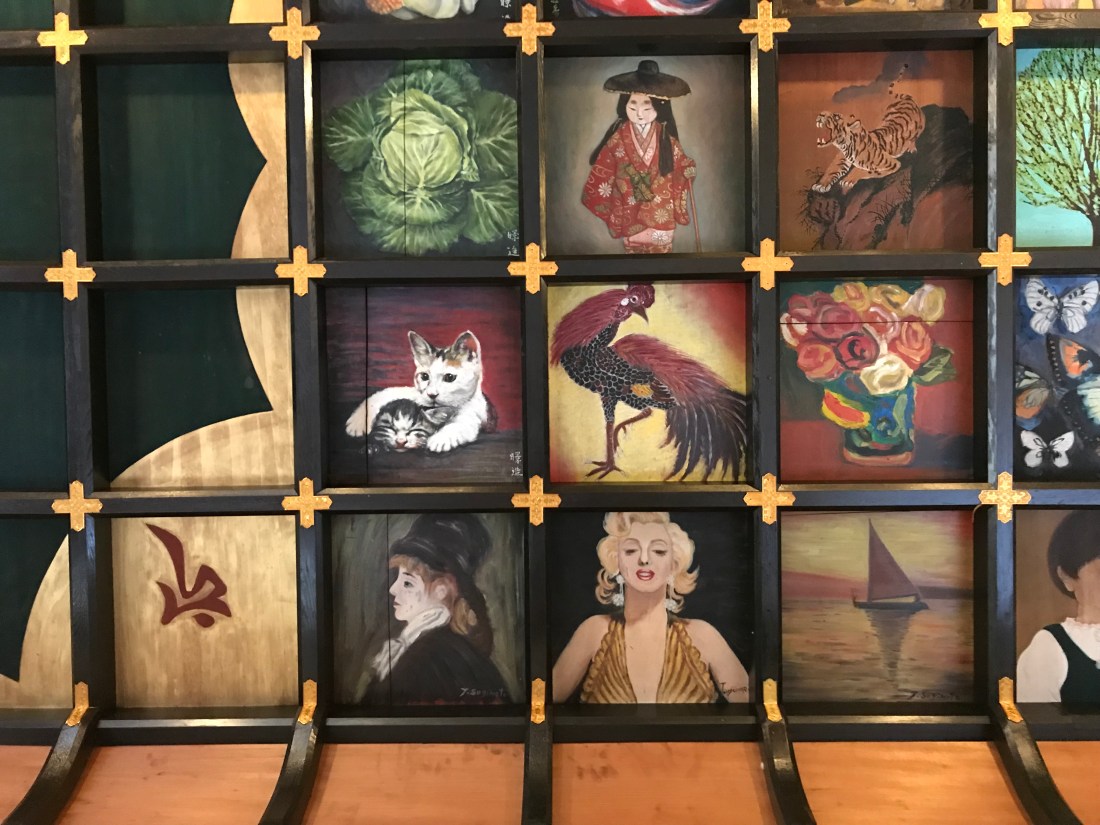
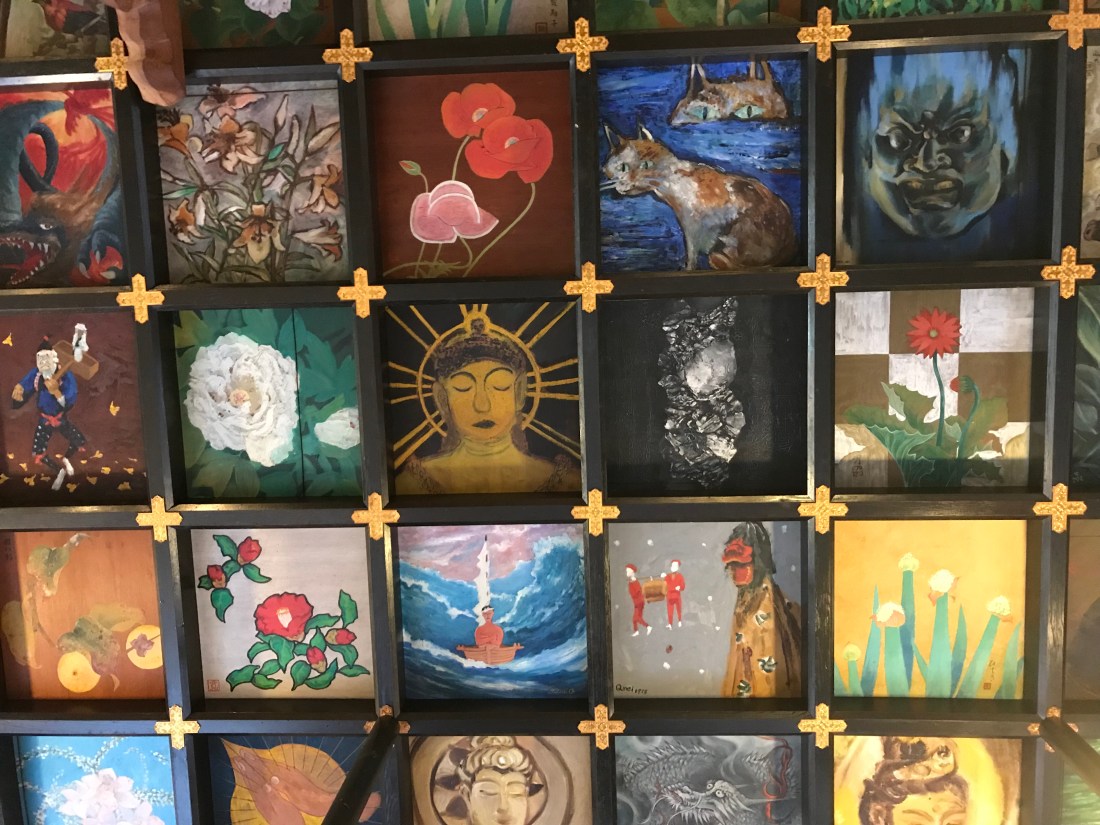
I finally reached Temple 37, Iwamotoji. The hondo is famous for the 575 painted pictures on its ceiling. Recognize anyone? Hint: one looks like our girl cat, Rhubie, looking forwards the Buddha. Tomorrow the morning service will be at 6 AM. I’ll be there.

Day 20: Wasuremono (Lost Things) (23 March 2019)

It was hard to leave Micchan. As an obachan (grandmother) figure, she fit me like a glove. My picture with her reminded me of how small my grandmother was. Those of you who knew her can appreciate how tall she stood relative to me. Someone once called me diminutive. I wonder what he would have said about her. In any case, both Micchan and my grandmother were short but powerful.

Remember, my comment about the walk down to her village. She drove her four guest to the crest of the ridge road in two shifts with a car equipped with a manual gear shift. I took a photo of the harbor a few steps from her minshuku before the drive up the hill. No wonder the fish the night before were so fresh.

Before leaving, she asked every guest whether they had left anything. Nothing, I assured her. In my head, I had gone over my list. But it must have been a short list. I left my wagesa (prayer stole) and my water bottle. Someone out there will be wondering what is the Charter High School for the Arts. Sharon says that I always leave mementos at various places on our travels. I have added to Micchan’s collection.

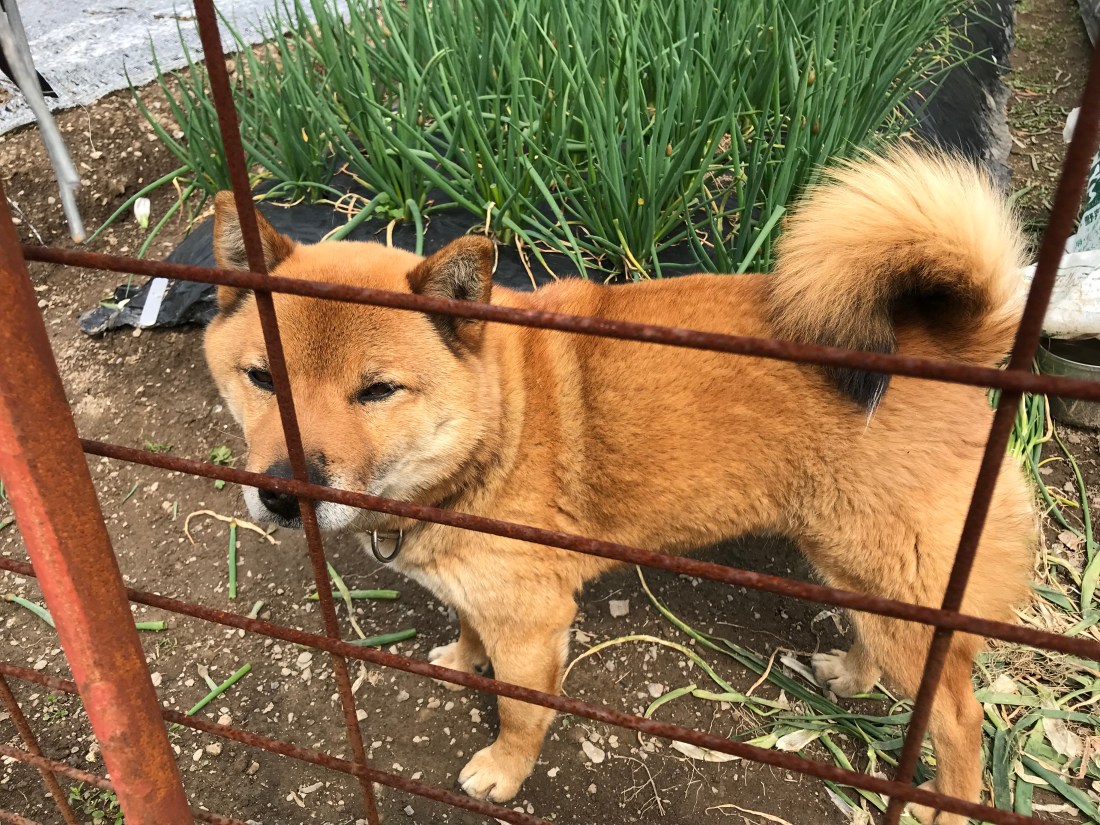
Our walk went by beautiful landscapes of the ocean. We also met a woman collecting greens by the road to feed her chickens – grass fed, for sure. The fellow in white was on his fifth circuit of the temples. We wondered how many he would complete in his lifetime because he looked pretty young. We also went by a garden with a friendly dog keeping his master company. I really like the look and posture of the Japanese breeds.

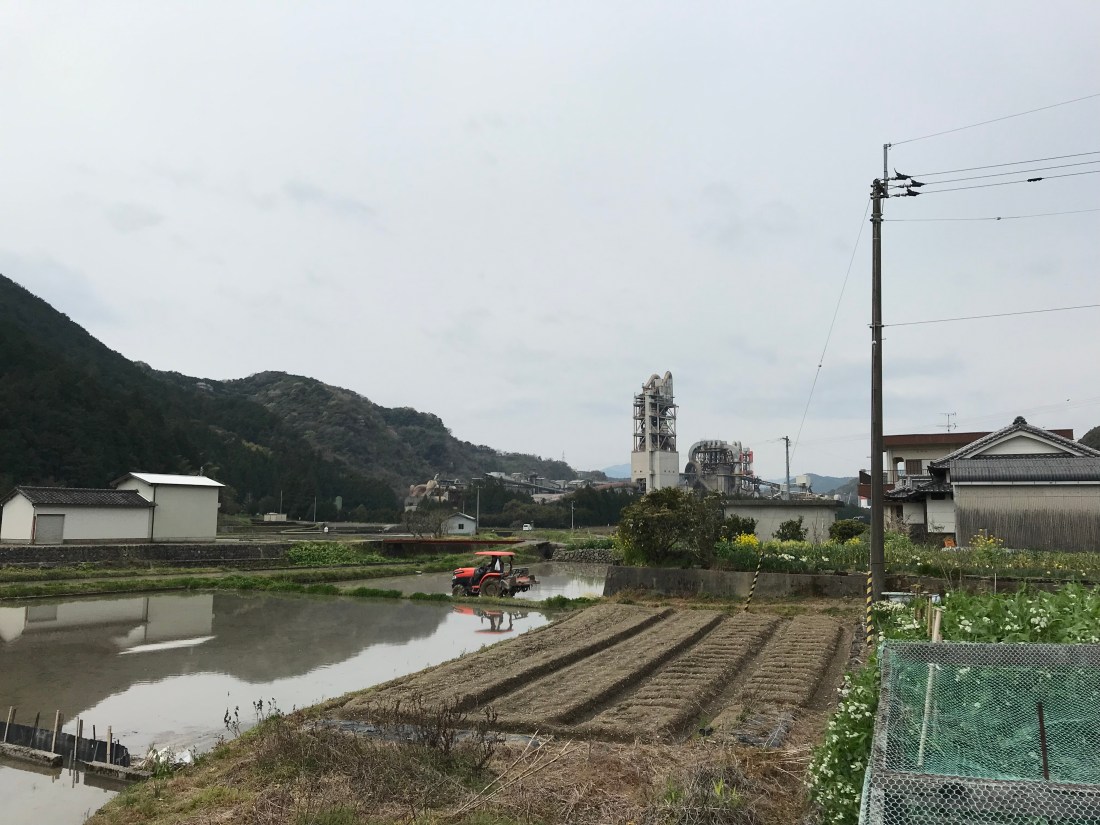
As we entered Susaki City, we passed by the ugliest structure so far seen on this trip. I took the photo juxtaposing the farmer on his tractor with the cement factory in the background. Progress? At least, the smokestacks weren’t belching waste into the atmosphere.

Since Sharon has the 2017 edition of the maps, she noted the night before that Nabeyaki Ramen is the speciality of Susaki City. Ayoyama-san enjoys his food as much as I do. When we got to the closest convenience store on our walk into Susaki City, in this case, the Family Mart, we asked where was the best place to try this meibutsu (the local speciality). Hashimoto Restaurant was located several kilometers down the road by the train station. Aoyama-san’s feet needed rest. We called a taxi to take us to lunch. The taxi came and we were whisked away to have ramen.

This version was the mother of all ramen. The broth was rich and flavorful. The noodles were egg based, just the way I like them. As the guidebook described, the ramen is served in a stoneware bowl topped with scallions, fish cake, and raw egg that actually cooks as long as you want in the piping hot broth. No wonder diners have to sign in and wait. This restaurant reminded me of Tampopo, sometimes referred to as the Japanese noodle western.

During lunch, I told Aoyama-san that I left my wagesa and bottle of water at Micchan’s. He looked down for a moment and said, “Micchan will be worried that you left such an important part of your pilgrimage. She will want to send it to you. We should call her to rest her mind. That is the Japanese way.” I responded that she can give the wagesa to a pilgrim who forgot his/hers somewhere. I opined that no call was necessary. He wrinkled his eyebrows.

At the end of lunch, Aoyama-san discovered that his staff (kongozue) was missing. He called the Family Mart where we first stopped for information about restaurants and the train station. Indeed, one of the clerks found it. How many things can we lose in a day?

We decided that he would go to the train station with my staff while I would return to the Family Mart to retrieve his staff. I would resume my walk from that point and meet him at our minshuku.

I arrived at 3 at our minshuku. No sign of Aoyama-san. I took my bath. He arrived at 4:15. Since today is Saturday, train service would have reached his station by 4. Instead of waiting, he took the bus.

We were now pretty much settled in. Baths taken. I was writing this blog. He was writing in his diary. A knock on the door and the minshuku owner handed me what I thought were the controls to the heating system. Aoyama-san overheard the conversation (the “walls” are literally paper thin) and said that I was holding a telephone receiver. Micchan was on the phone.

I handed the phone to Aoyama-san. She was calling about the wagesa. As Aoyama-san predicted, she was wondering where to send it to me. Back and forth went the conversation as my proposed solution was debated – please hold the wagesa for another pilgrim who may lost his/hers. In the end, she said ok and would discuss the matter with her local priest.

Aoyama-san smiled and said, “See I am Japanese and you are an American.” Perhaps now a cousin, once removed.

The day was not all lost. Besides serving a delicious meal, the minshuku owner offered a jar of her homemade umeboshi (pickled plums). All restraint melted. Five eaten at dinner and two at breakfast the next morning. They were the best because they had the right combination of sour/salty and sweet (a bit of sugar).

What more can this rice boy expect? Plenty! But he is certainly happy. To think, two months yet to go. Lots can happen.