Day 19: On to Micchan’s Minshuku (22 March 2019)

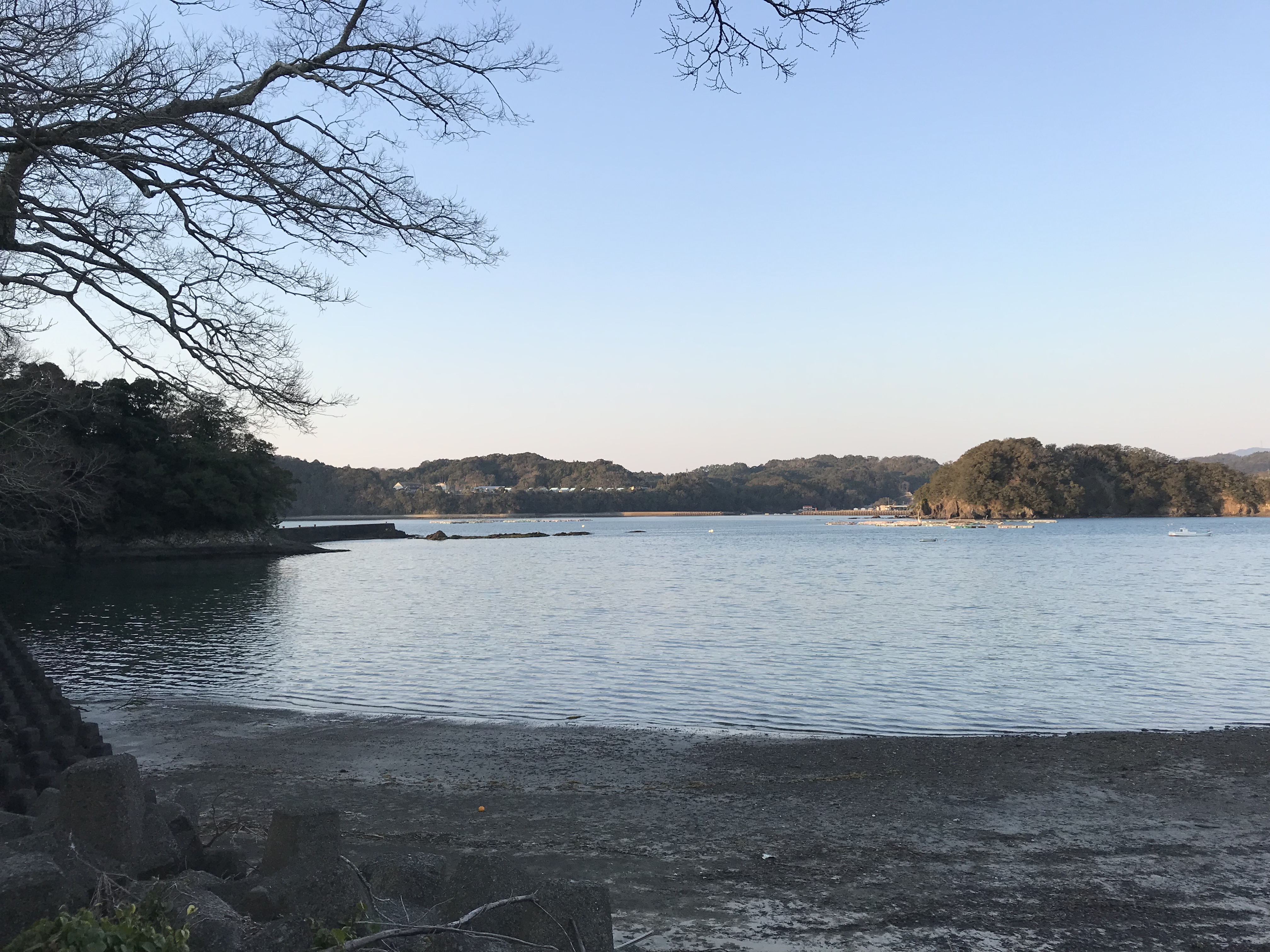
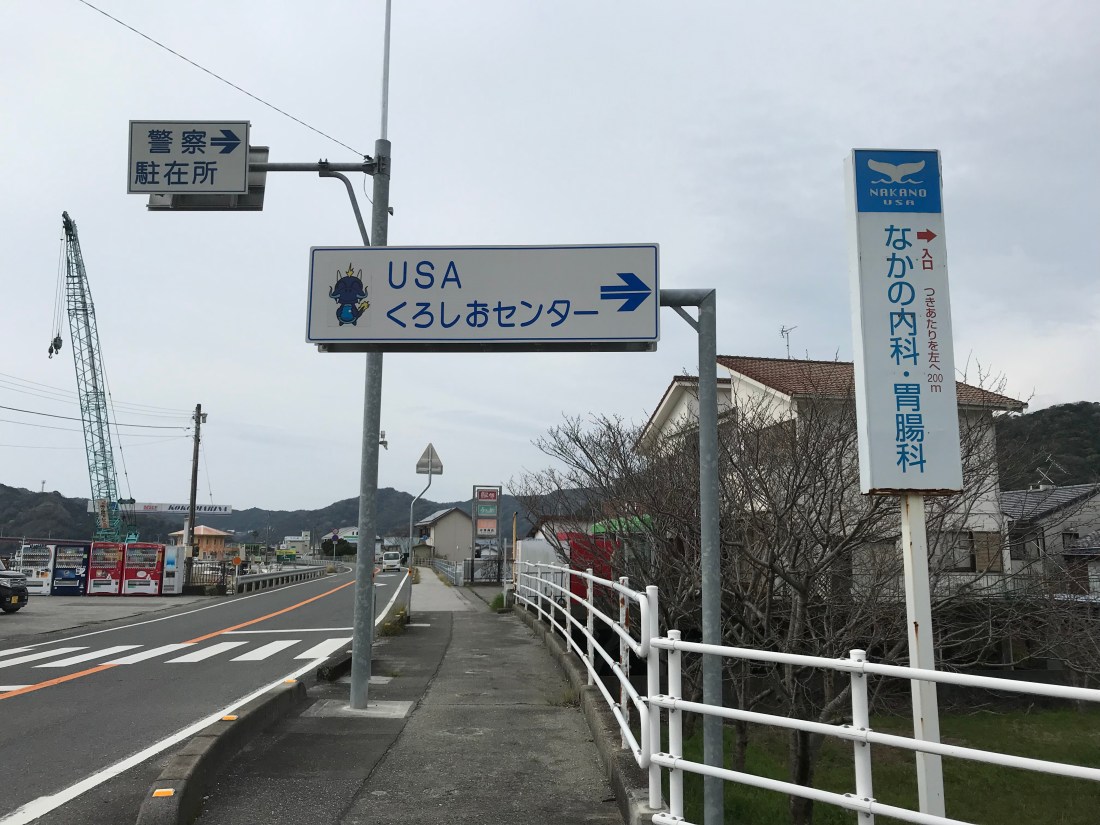
After crossing the pass of a slow rising mountain to the south of Tosa City, I descended into a crescent shaped bowl of a harbor. Shortly, I walked up to a sign that read, USA. Did I make a wrong turn somewhere? Actually, USA (pronounced oo-sa) is the small village that borders the harbor and is the gateway to Temple 36, Shoryuji.
On the way, fishermen were out at the end of a breakwater barrier. A young man was looking out to the ocean. It was quiet and I took my time because today was to be a shorter than usual walk.

But surprises awaited. What I took for the ohenro path turned out to be wrong. Up 300 feet and around a hill to end up almost back at the same starting point. Then, after walking by wetlands populated with frogs that serenaded me as I walked by, I passed by Temple 36 thinking it was a small shrine. Around the wetlands I went. This lap reminded me of Nordic skiers in the shooting competition. When they miss the bulls-eye, they have to ski a penalty lap. The upside was that I heard the frogs again.

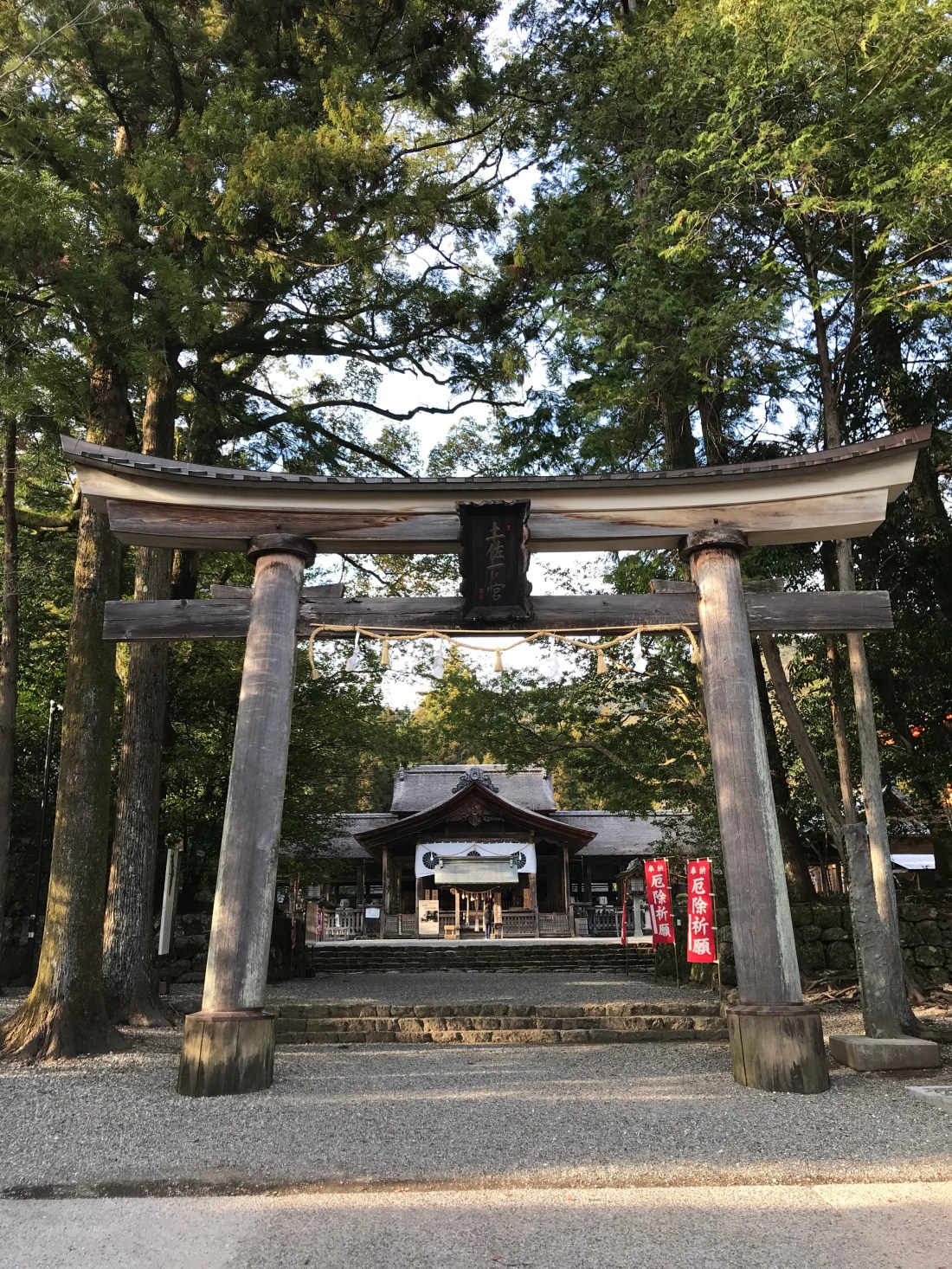
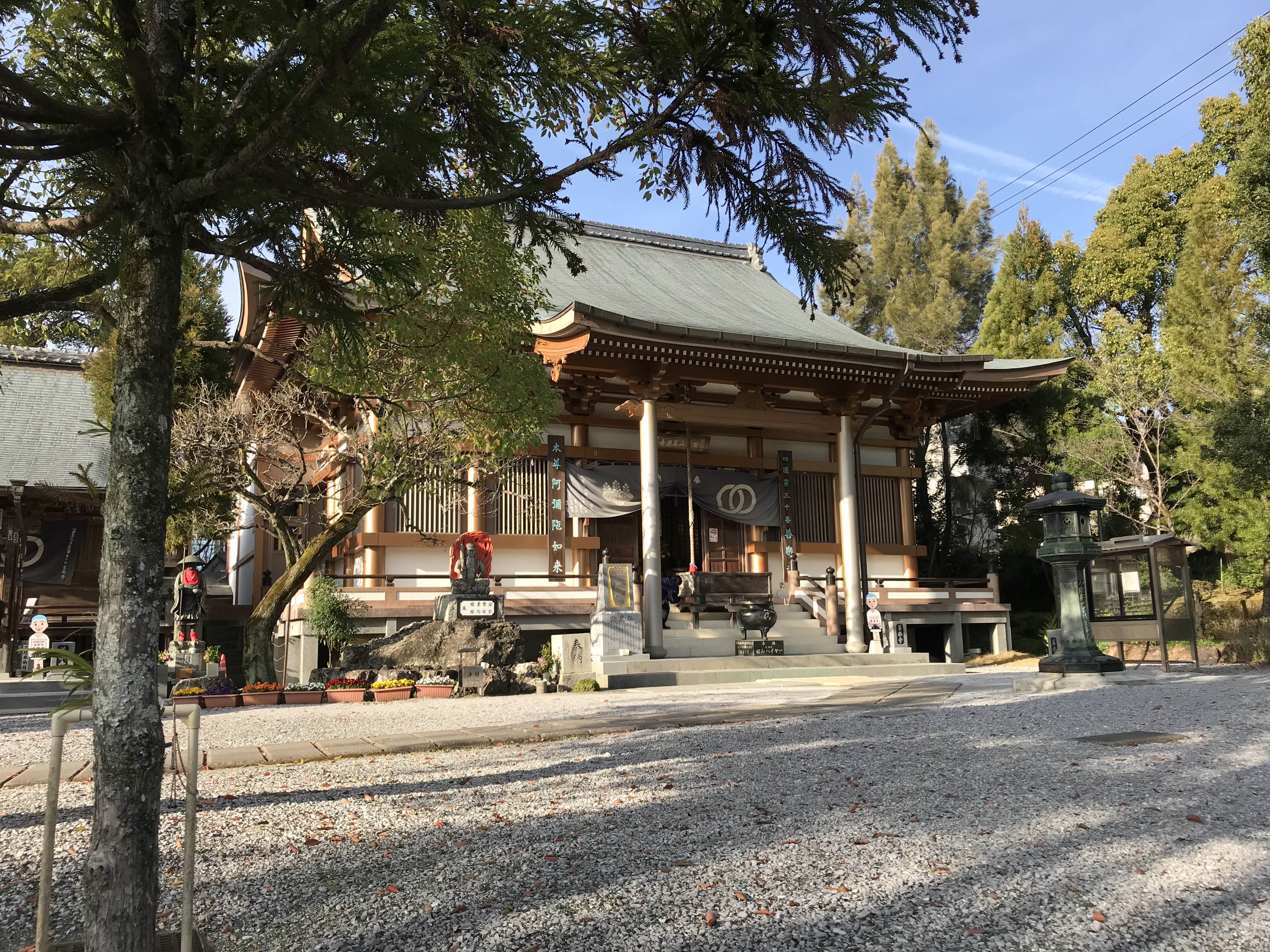
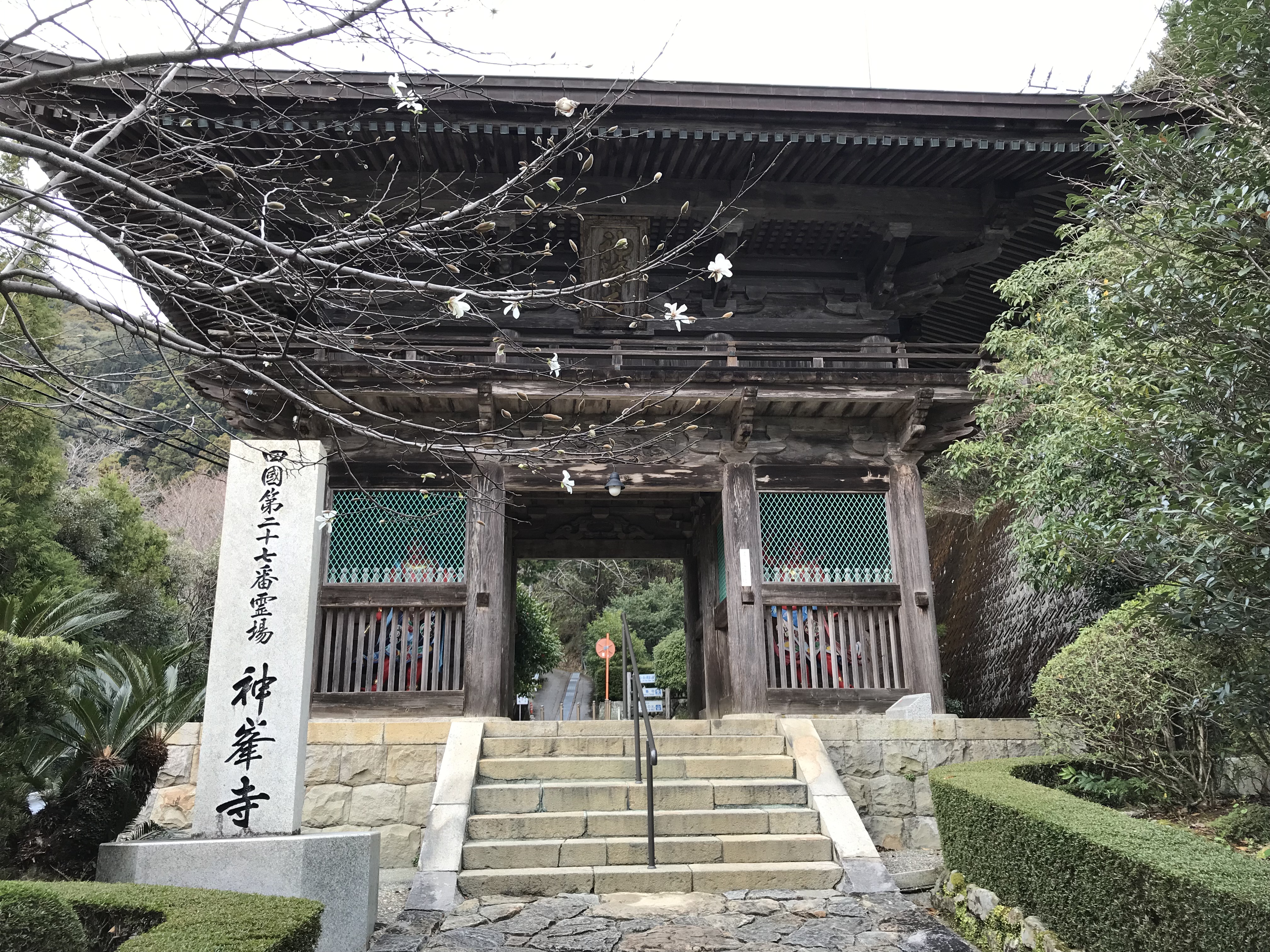
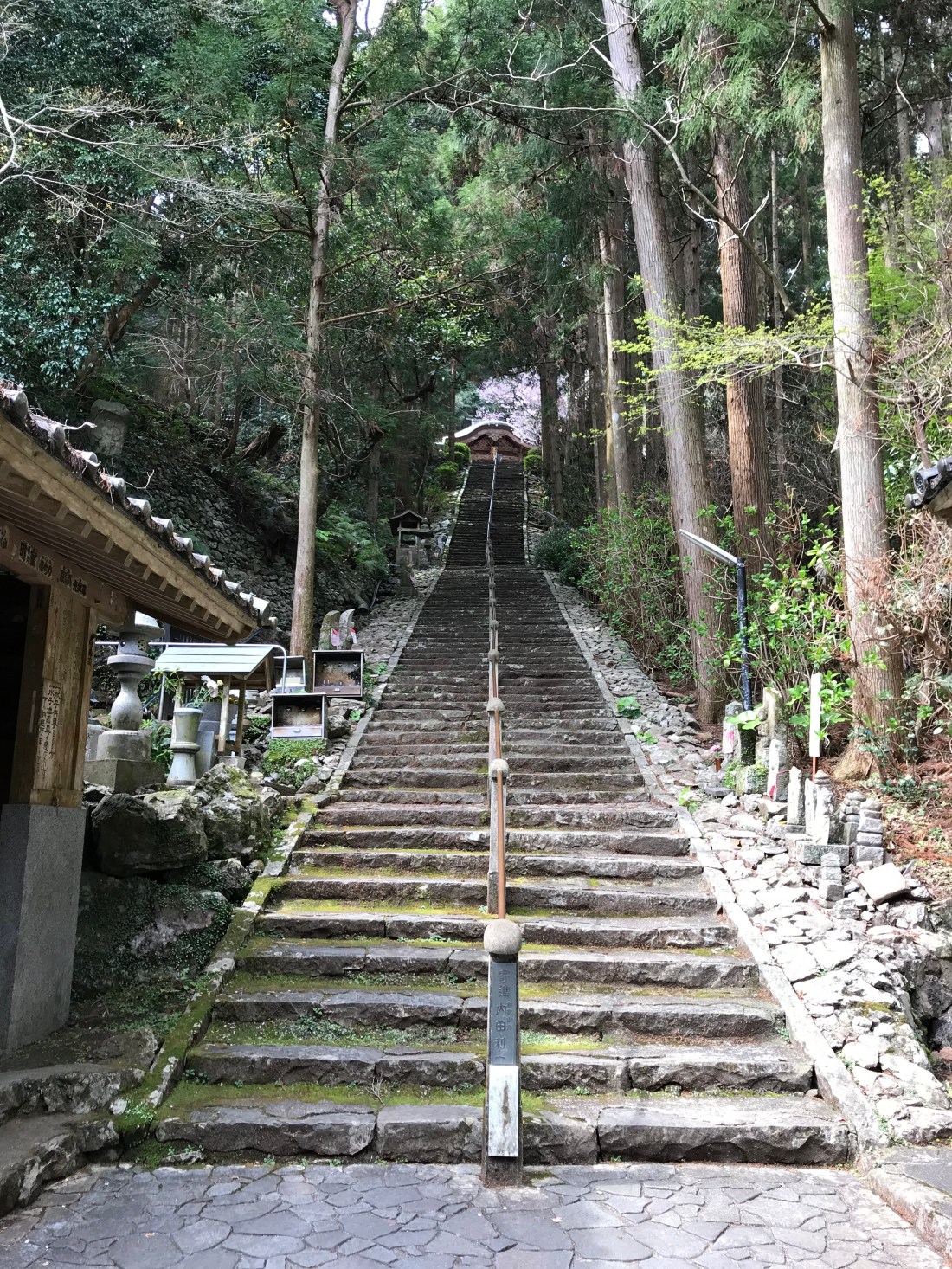
Why I missed Temple 36 can be seen in the photo below. After the entry gate, the rest of the temple is back in the woods that can only be reached by climbing 88 steps. I made up the number but it surely was a lot of steps. I am getting the hint that you really have to work towards enlightenment.
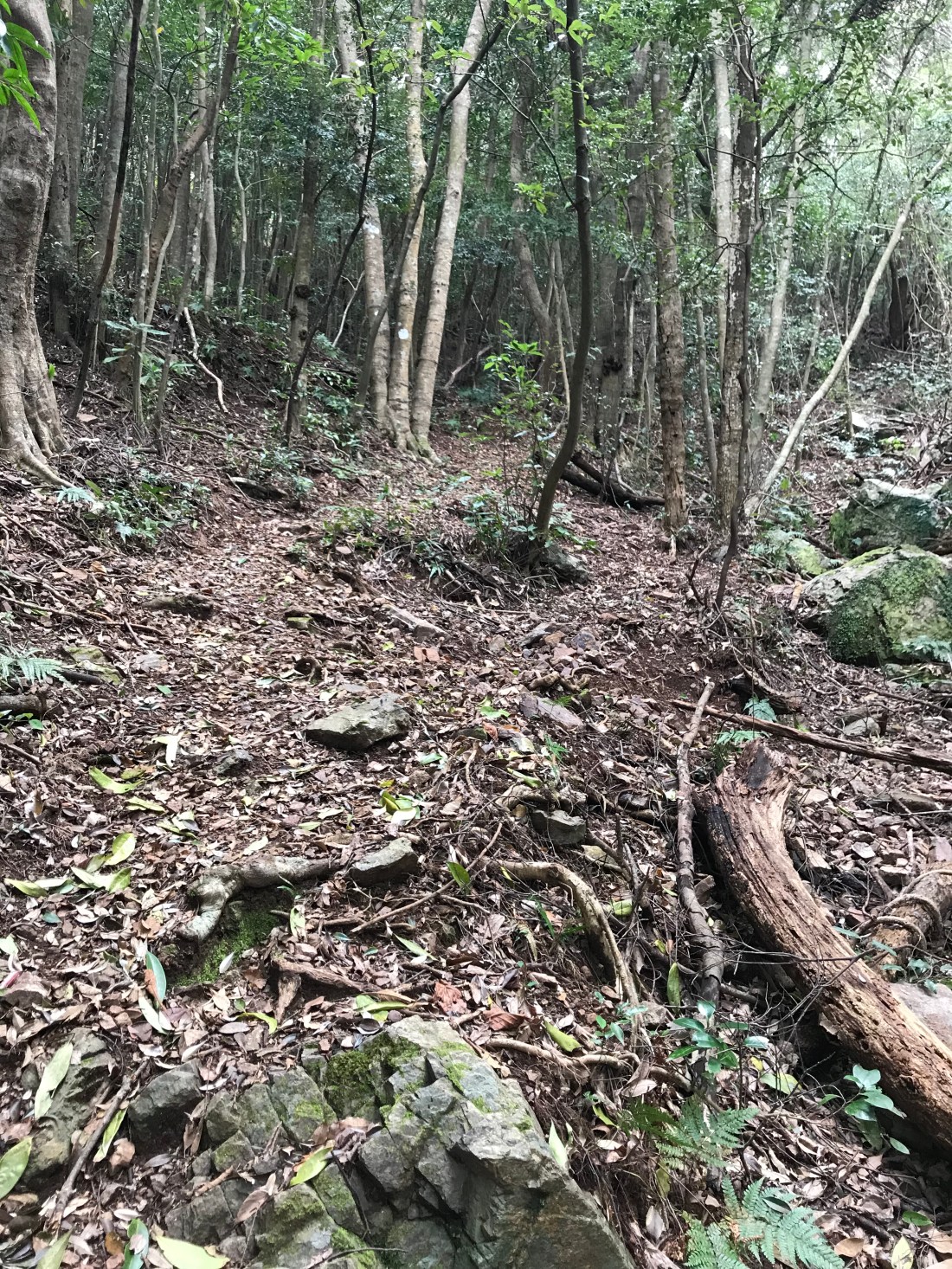
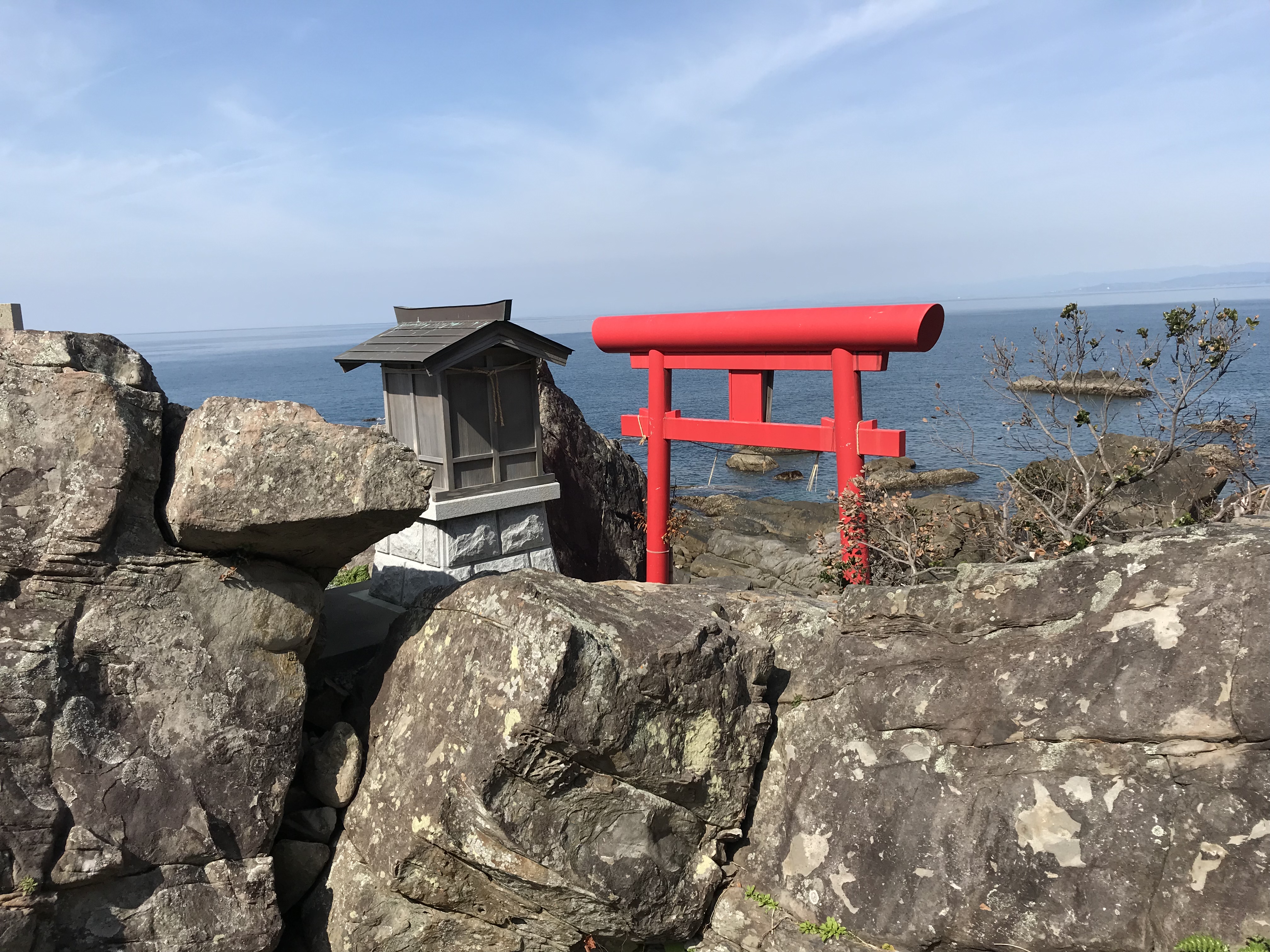
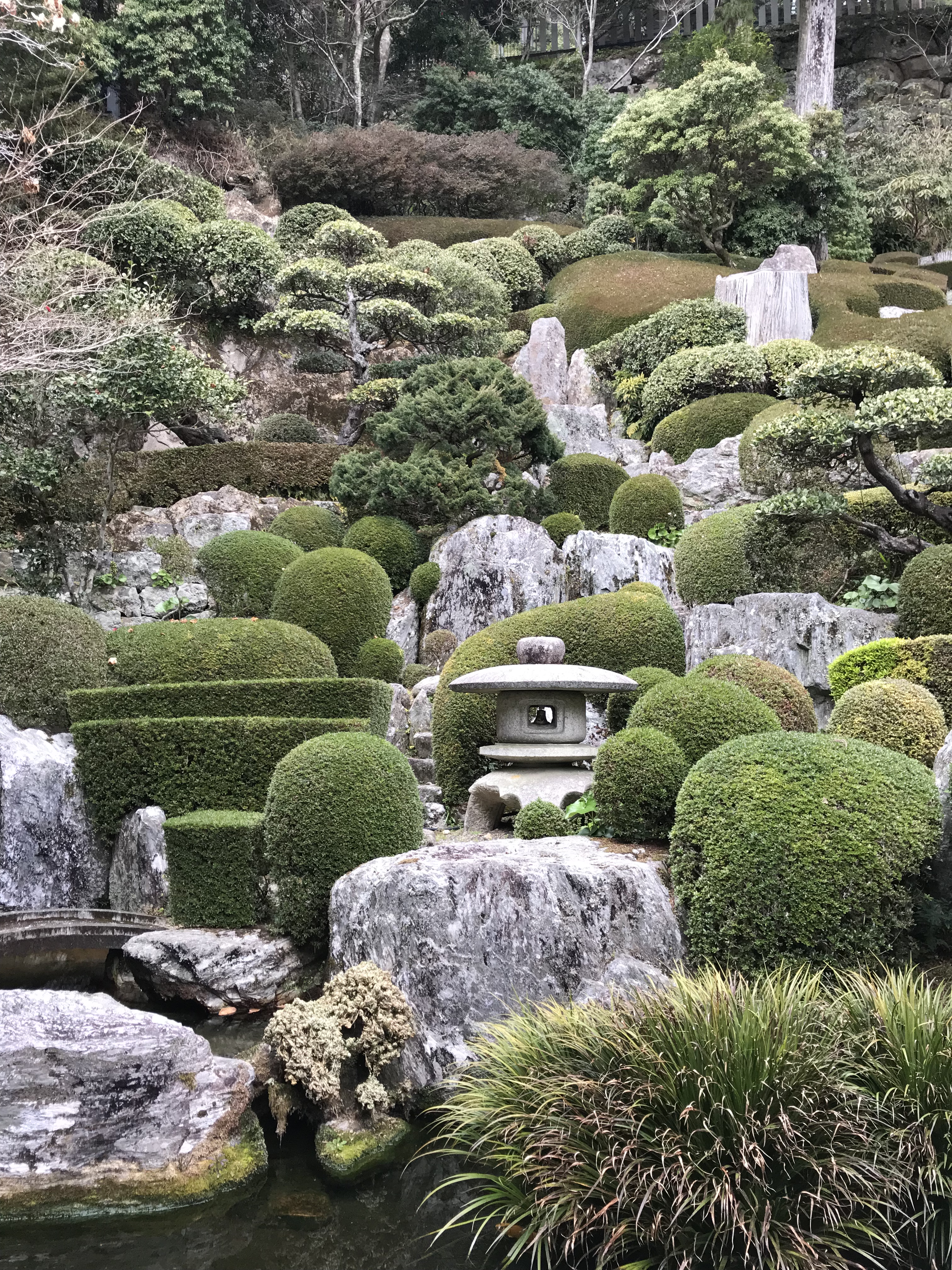
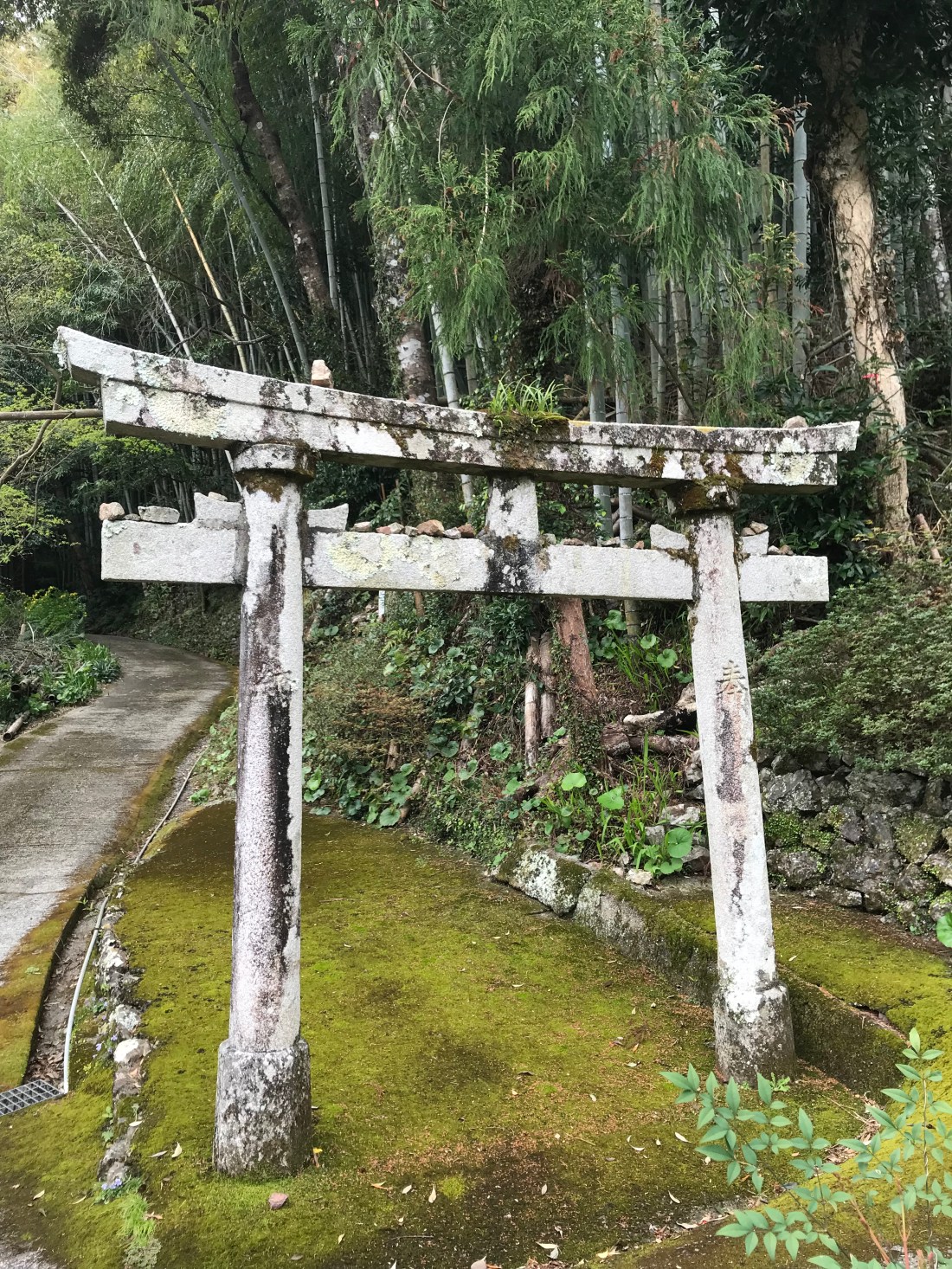
I left the temple via the forest trail. The torii beckoned the ohenro. More frog calls and then the solitude of small waterfalls and tall trees. Can you find the trail in the third photo below?
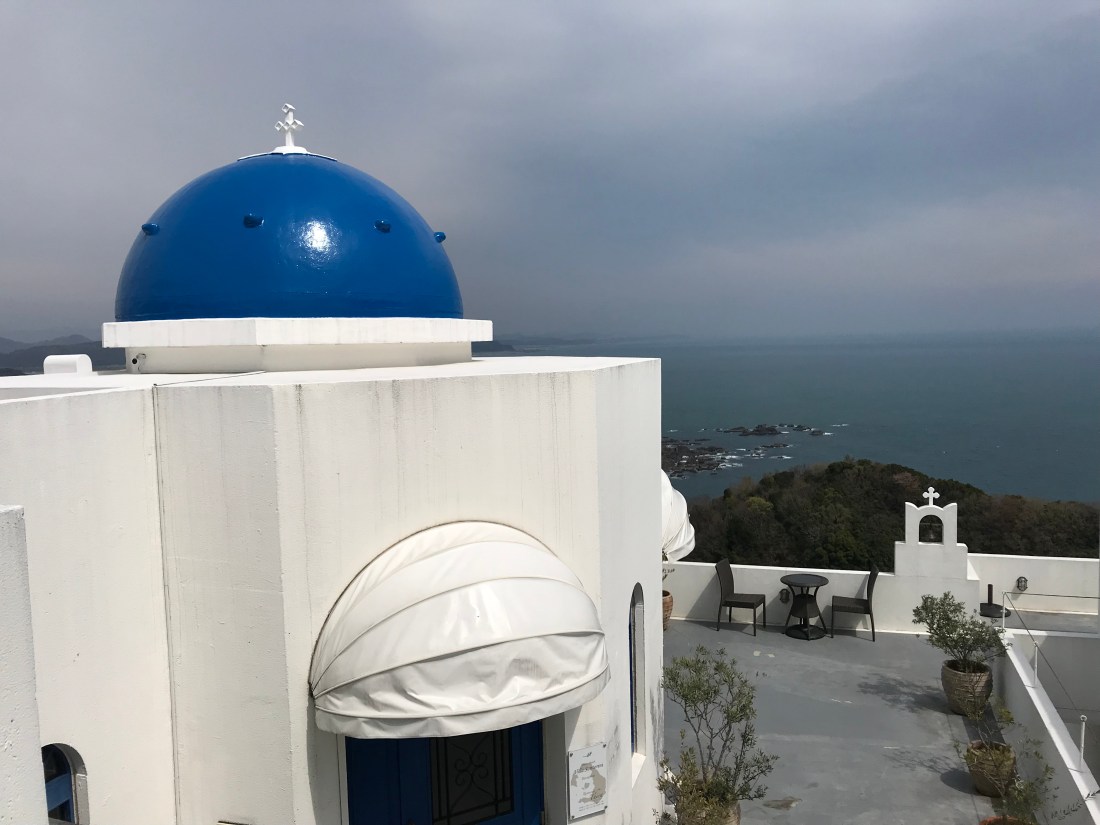
After getting back to a paved road, I crossed it and found a small temple that faced the ocean. Again, making a wrong turn, I came upon a blue domed building. Could it be that Scottie beamed me to Santorini? I had come upon a defunct project to create a condo project of a faux Santorini. Superb location, high above the seashore on a coastline similar to the Santorini caldera. I was looking forward to some seafood and dry chilled Santorini white wine. It was noontime but nigiri and water would have to do. Some Japanese have had their pipe dreams dashed.
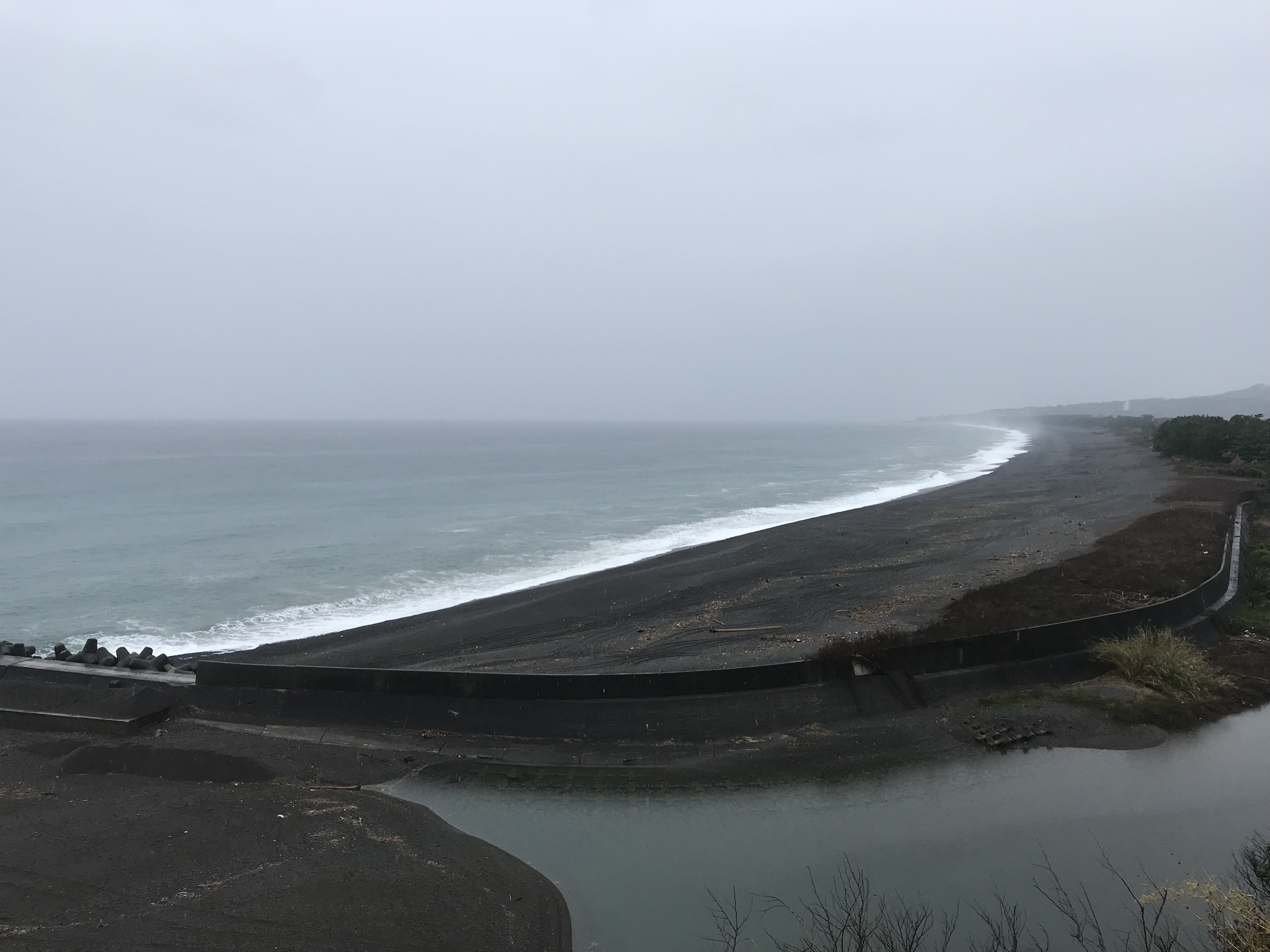
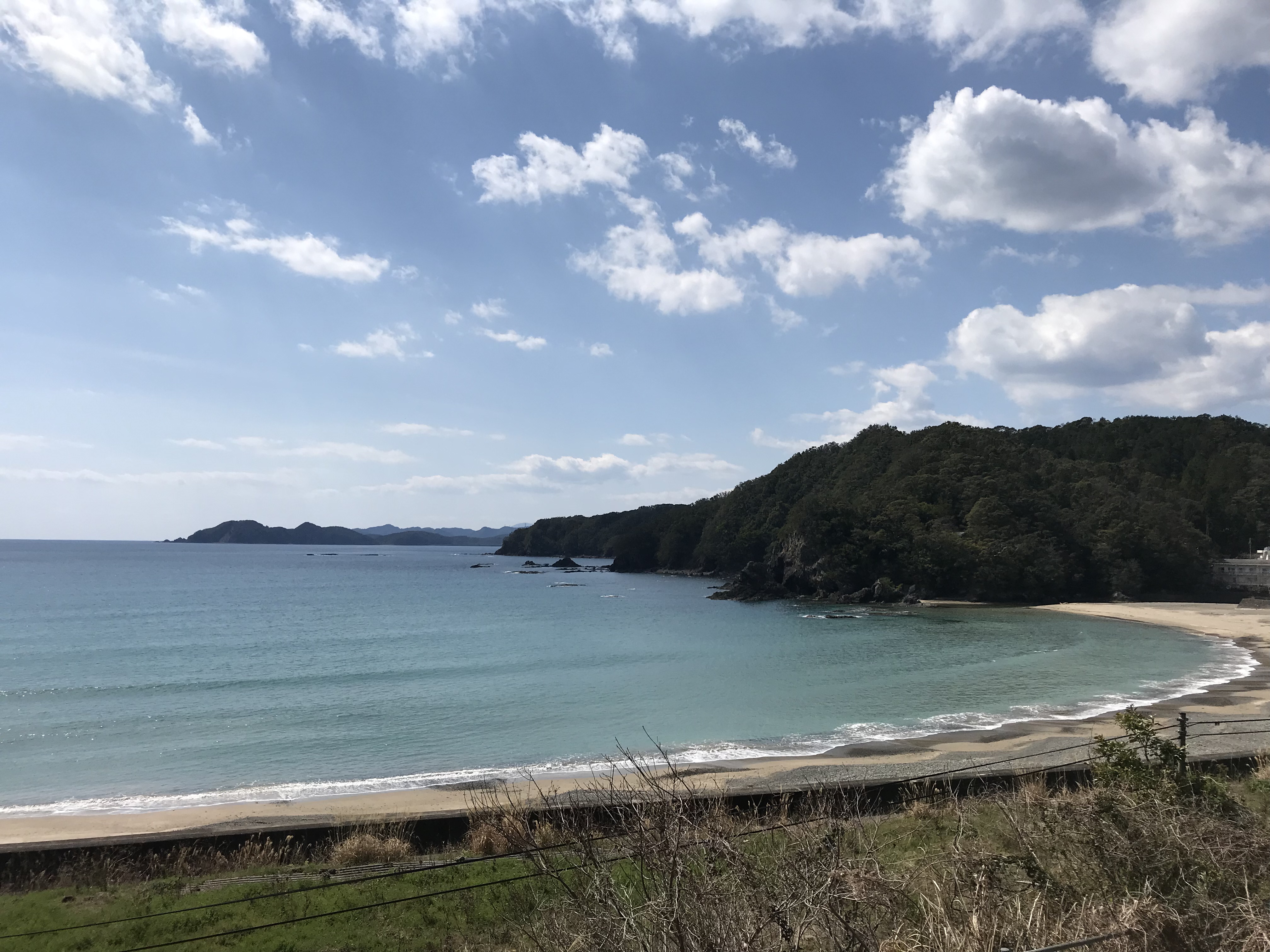
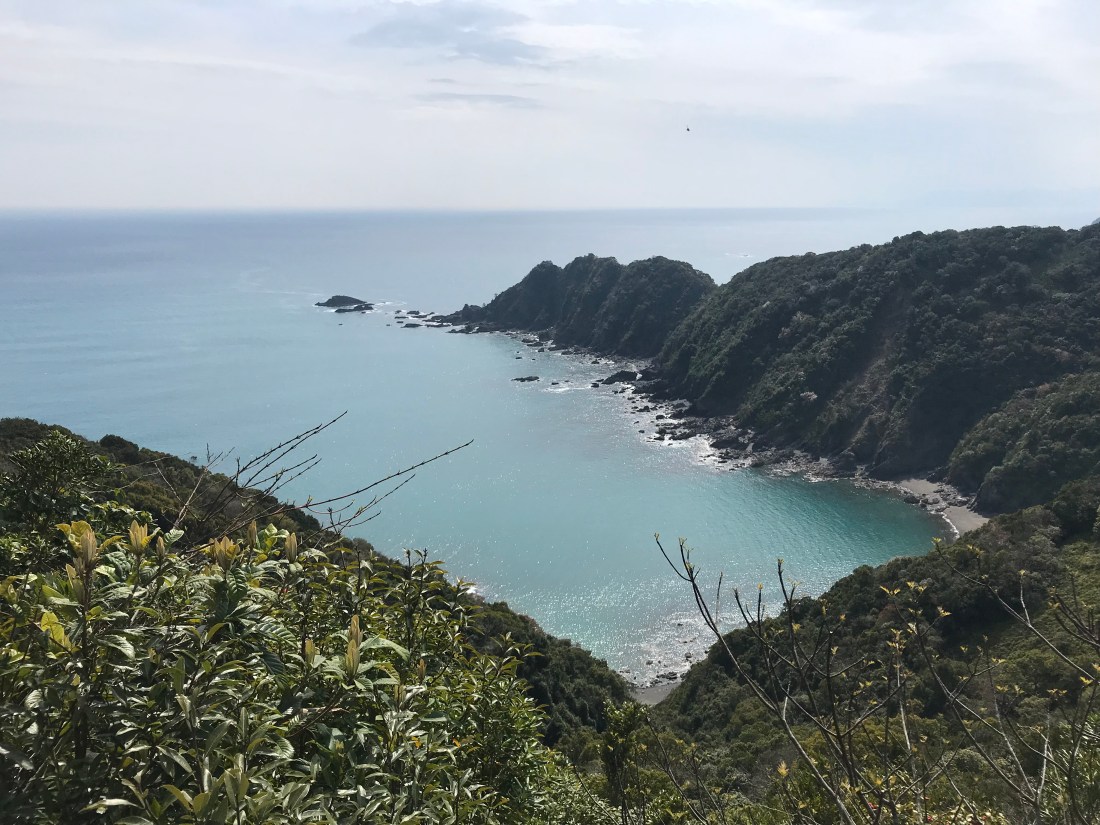
The walk continued with some peeks of the ocean in between hills covered with trees and shrubs. A few hearty surfers were bobbing in ocean waiting for their wave. The coastline is dramatic and then I had to bear down to find Micchan’s place by the ocean. 4 PM was coming up.
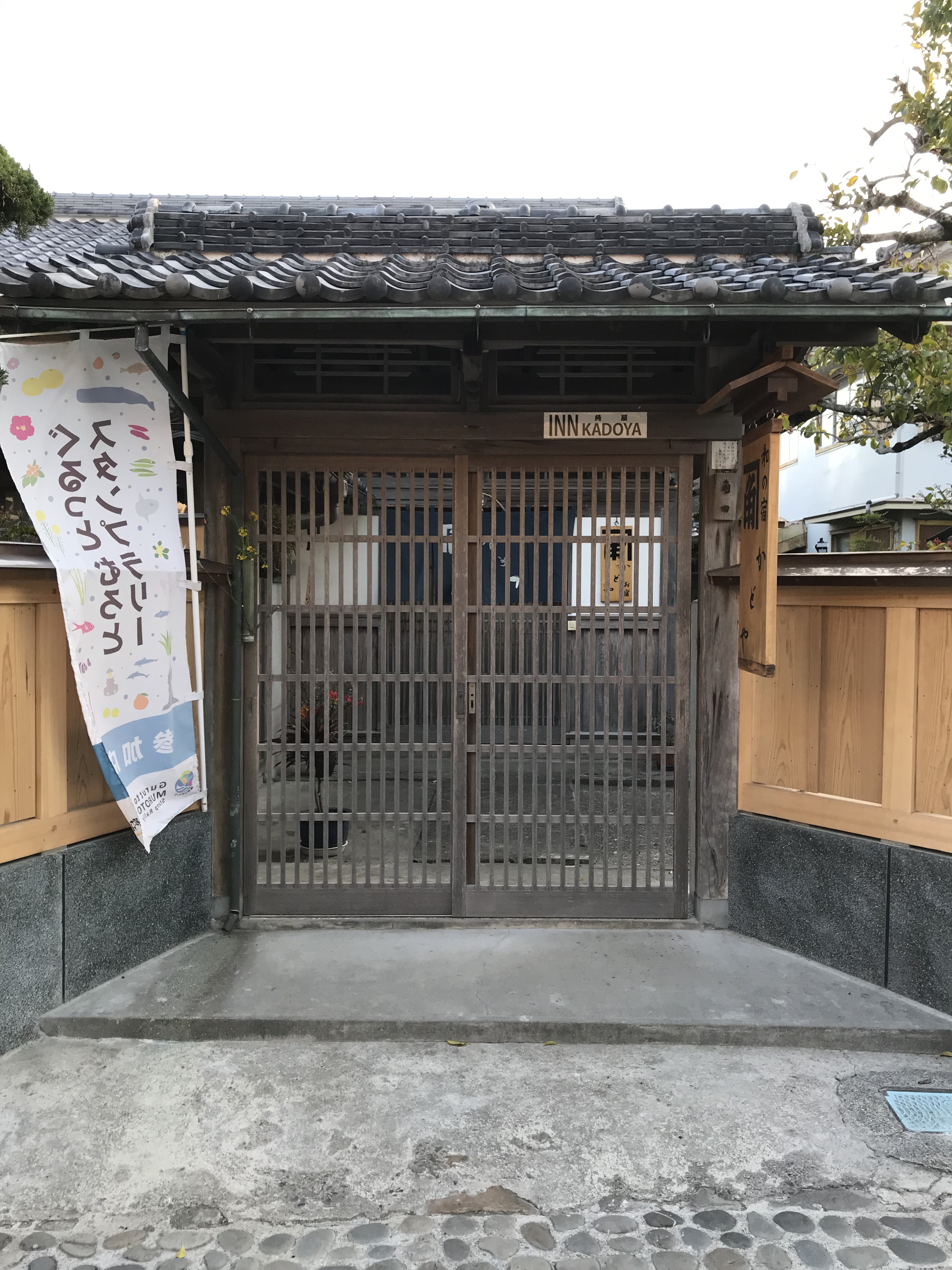
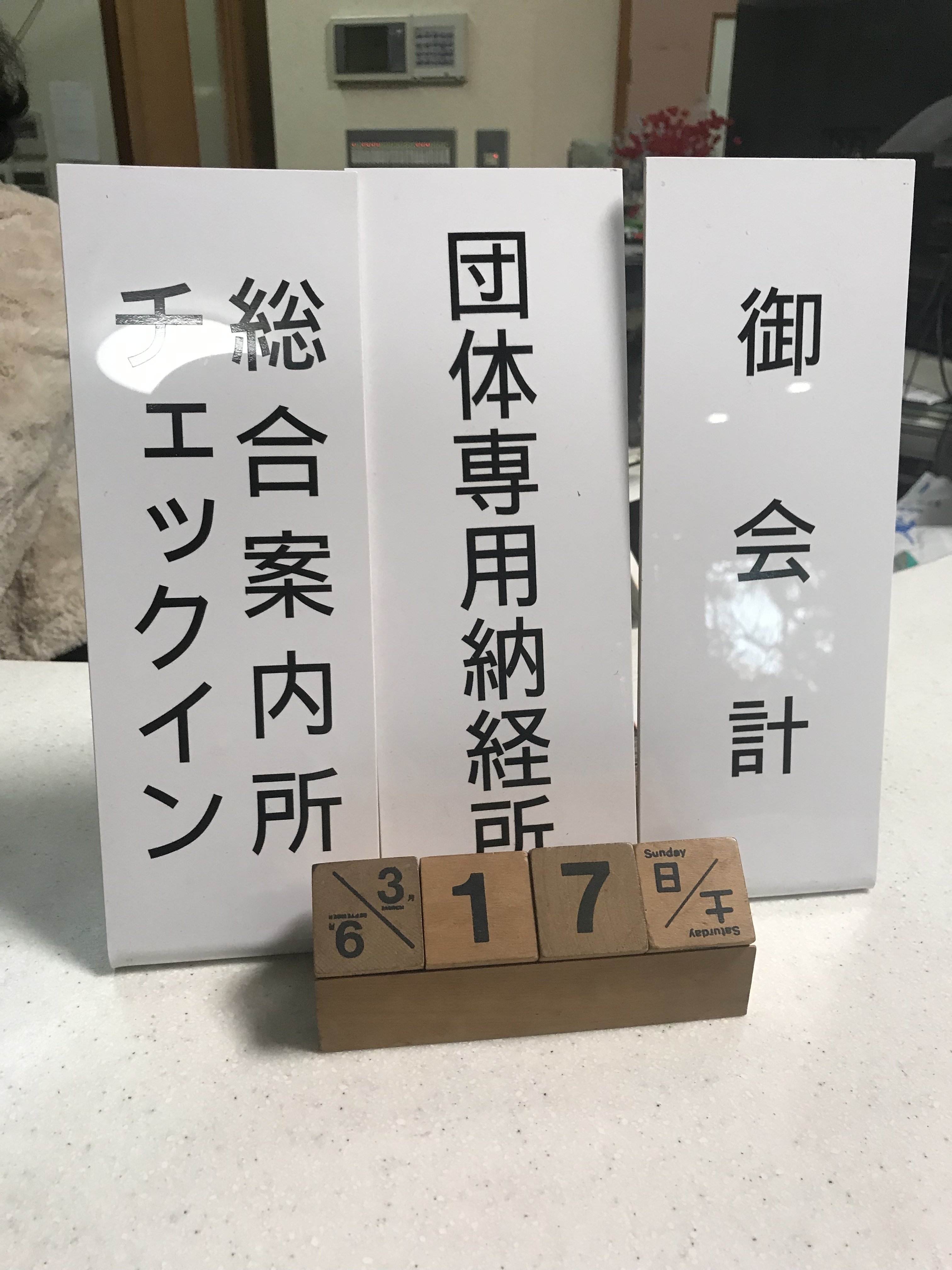
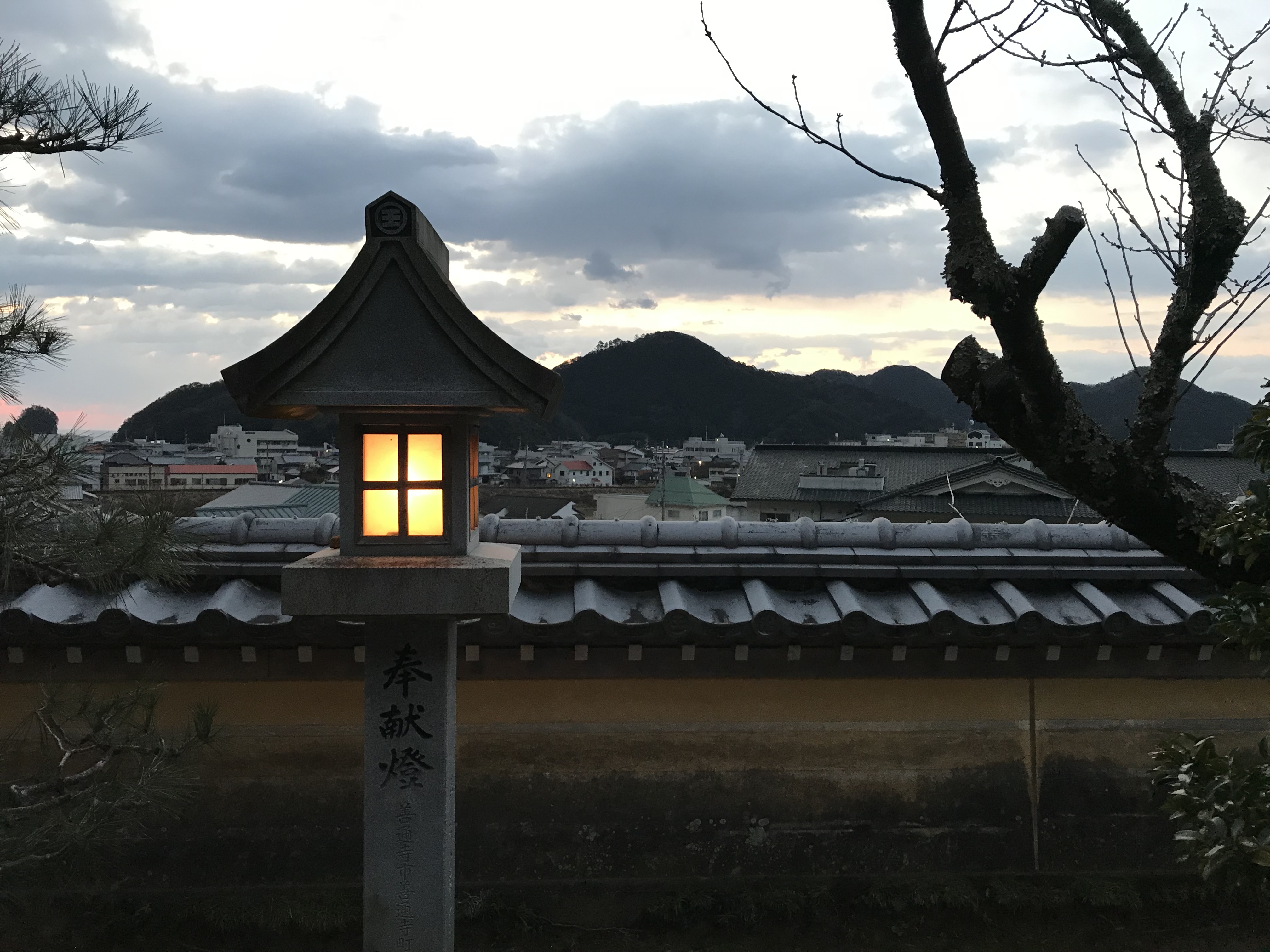
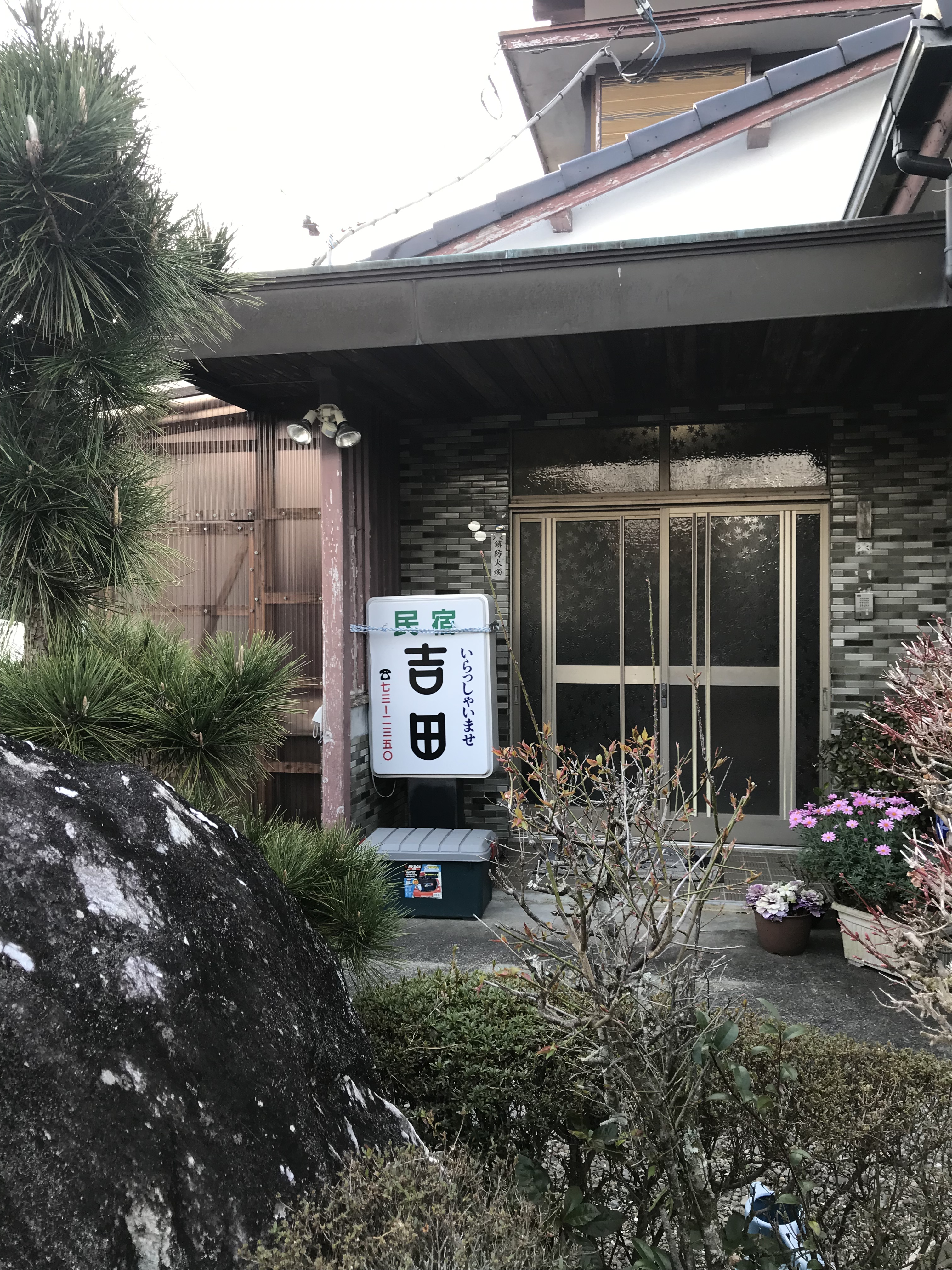
I was getting tired. Luckily, I recognized her name written in hiragana. As I walked down to her village, I thought of the morning climb up. Here is her name above the entry to her minshuku.

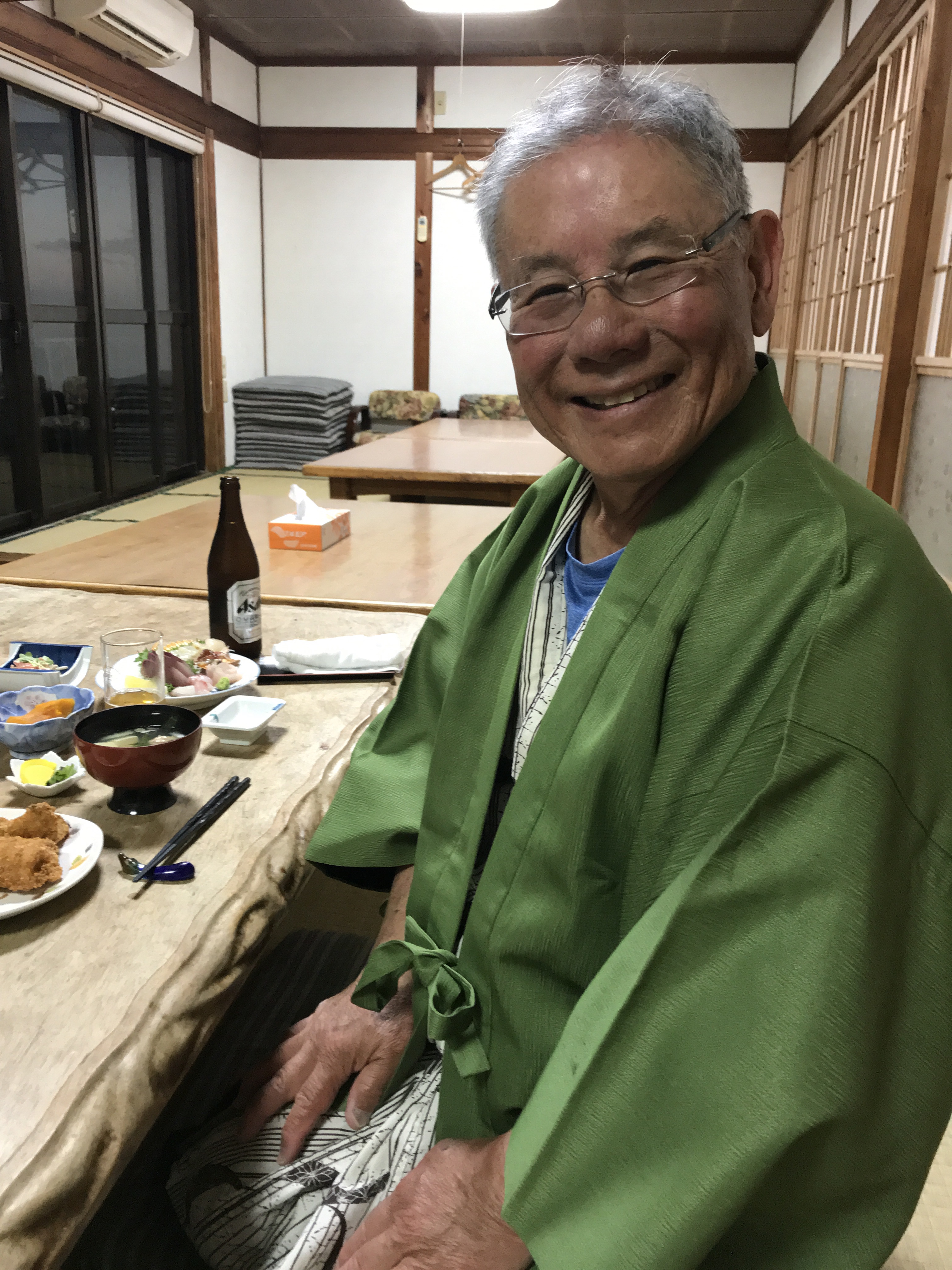
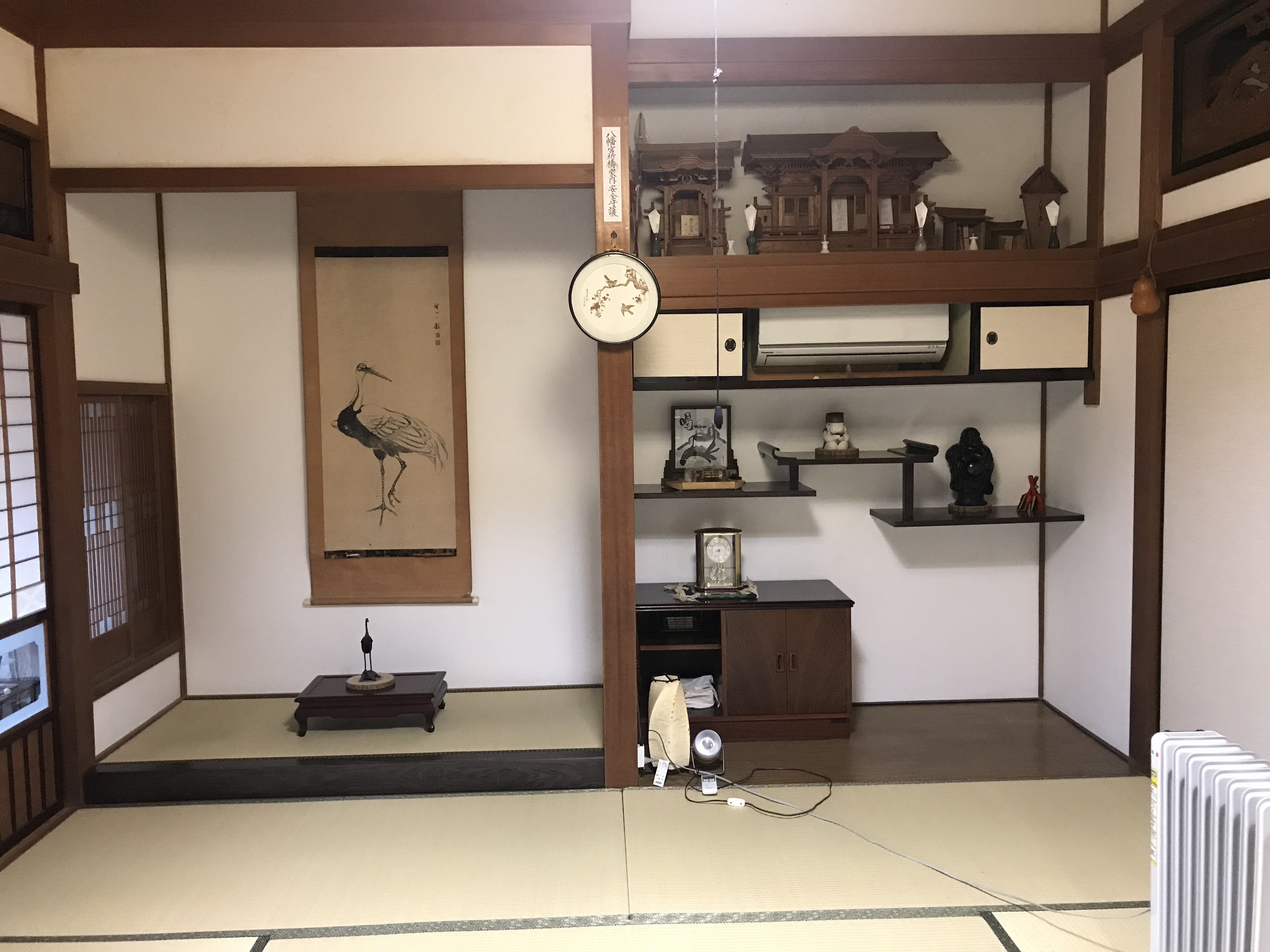
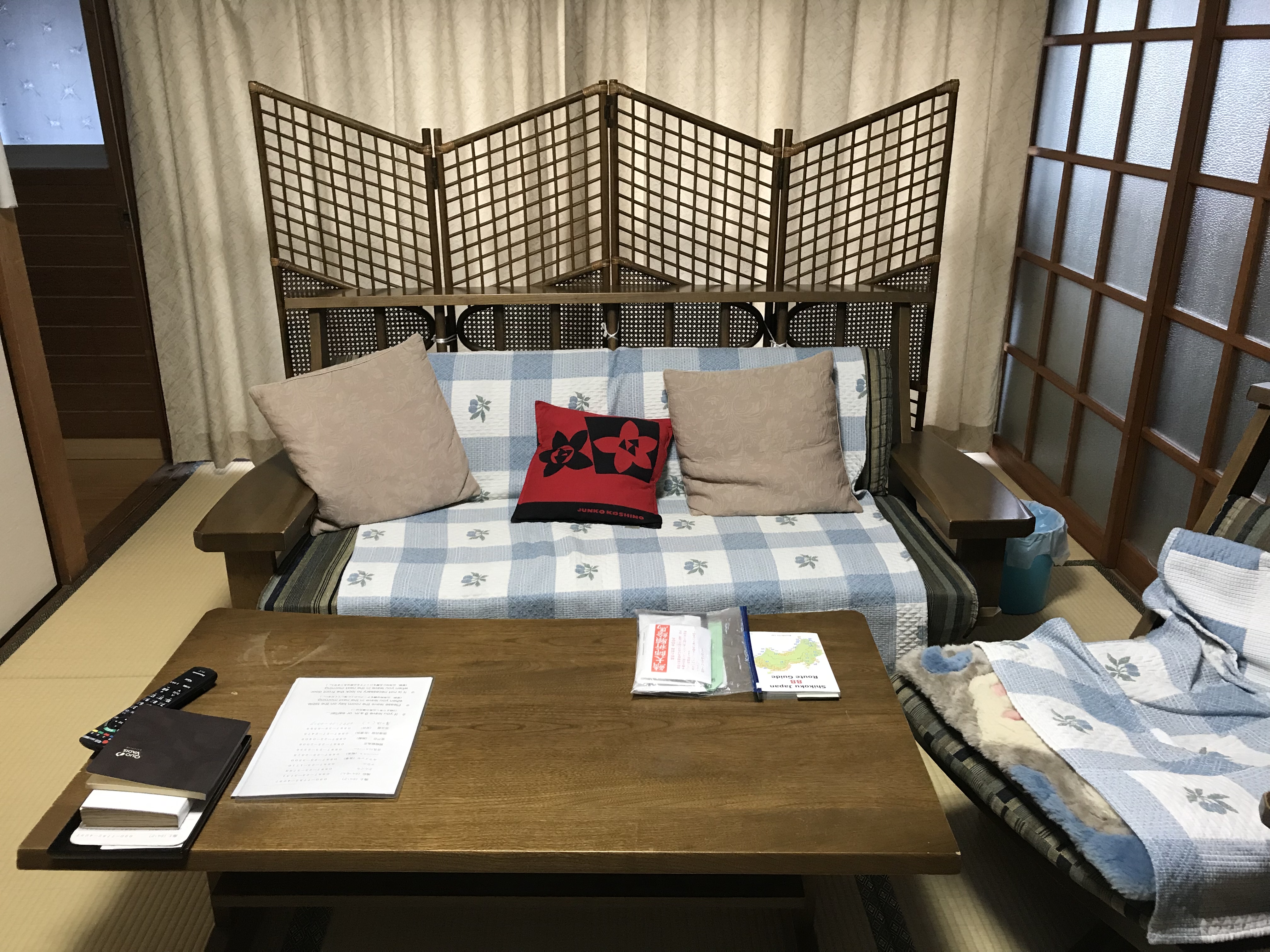
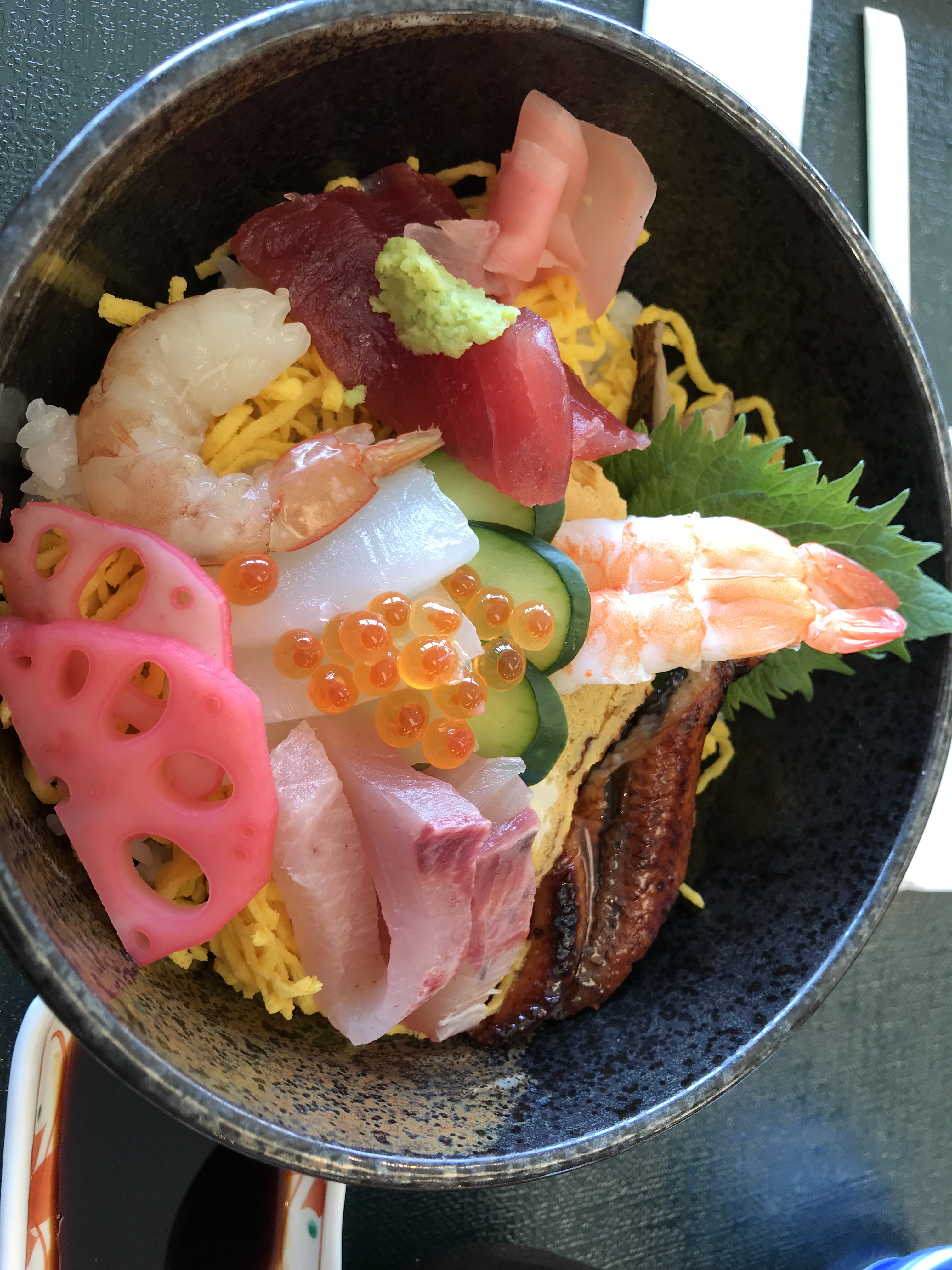
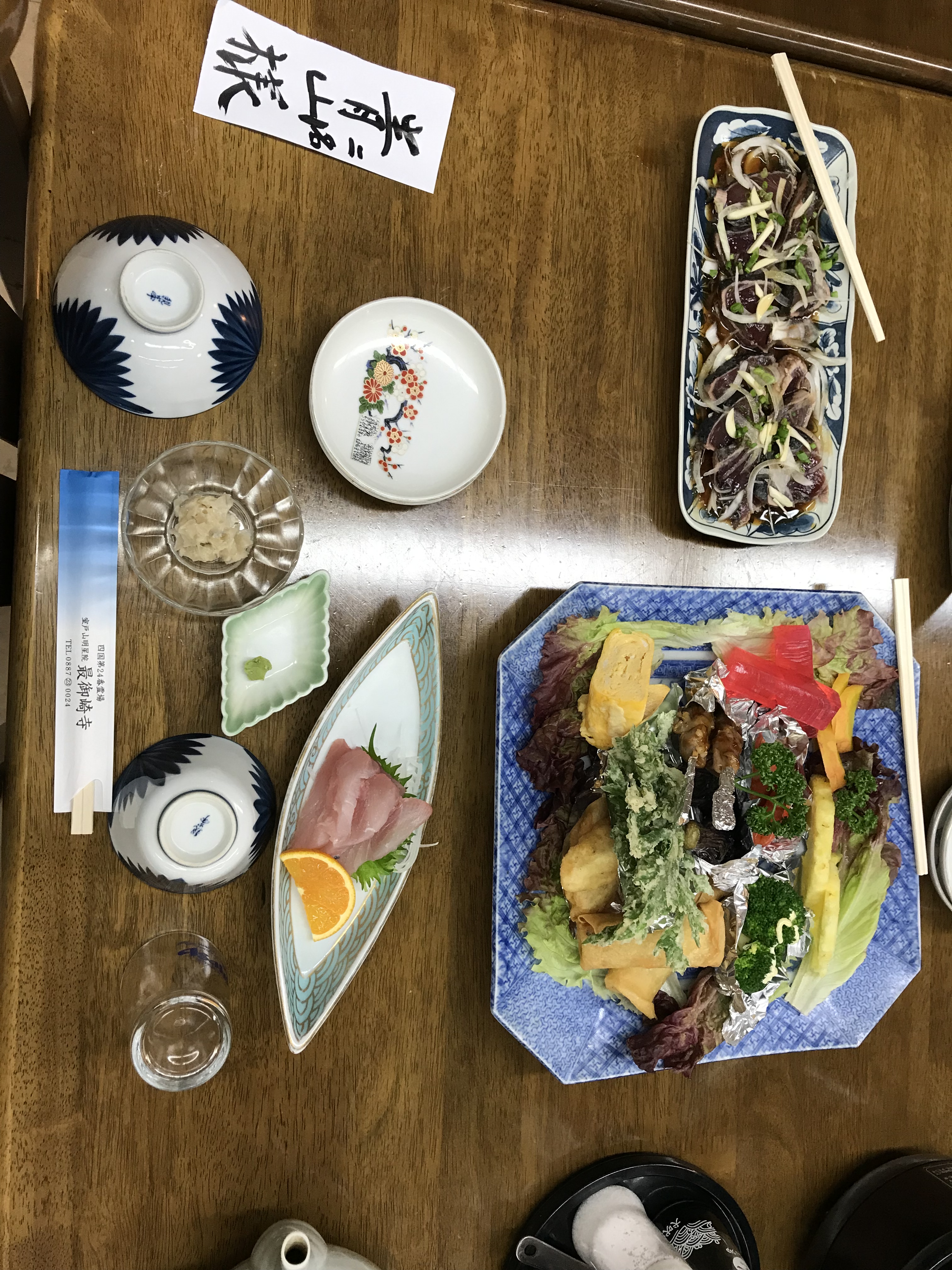
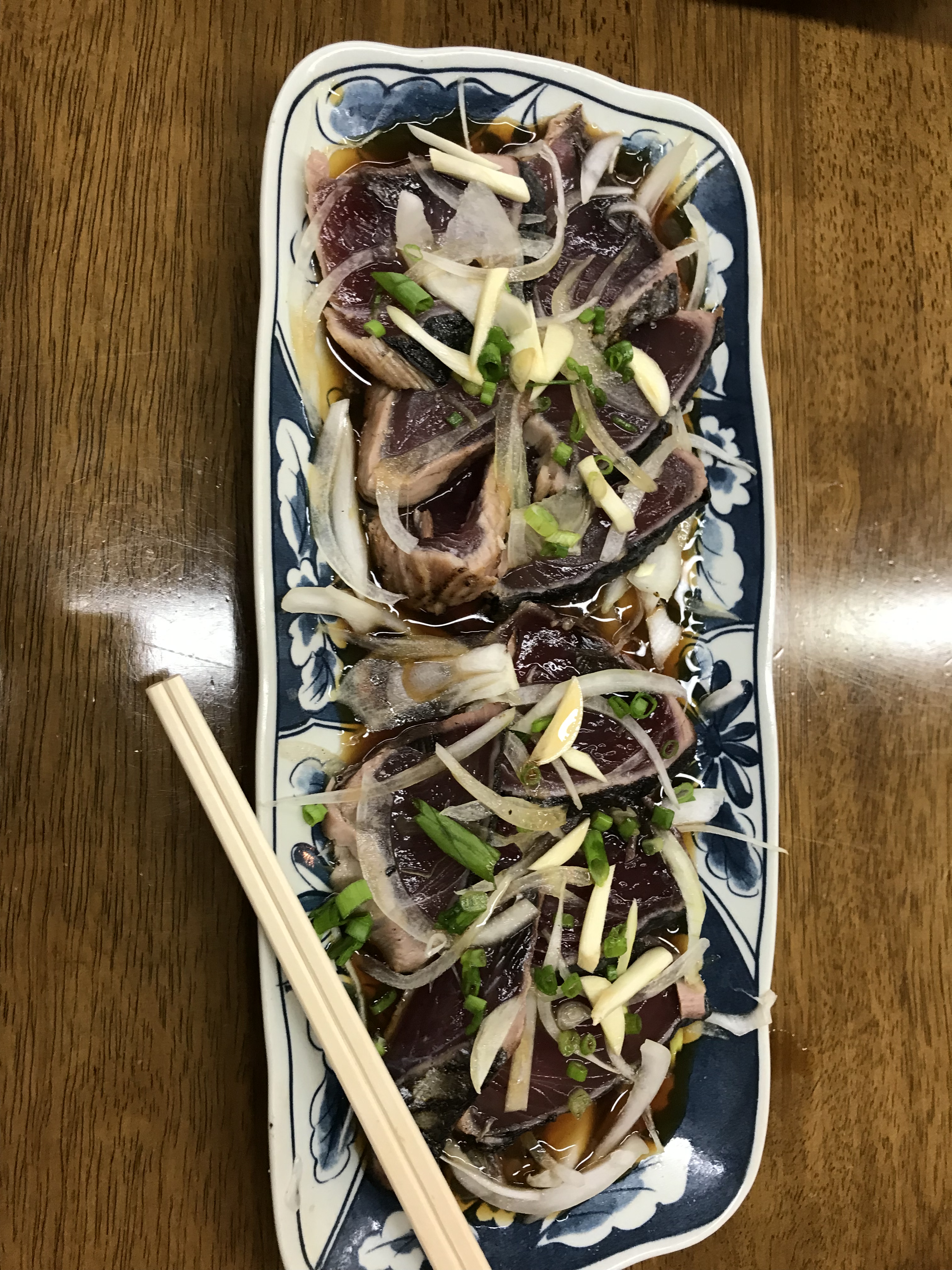
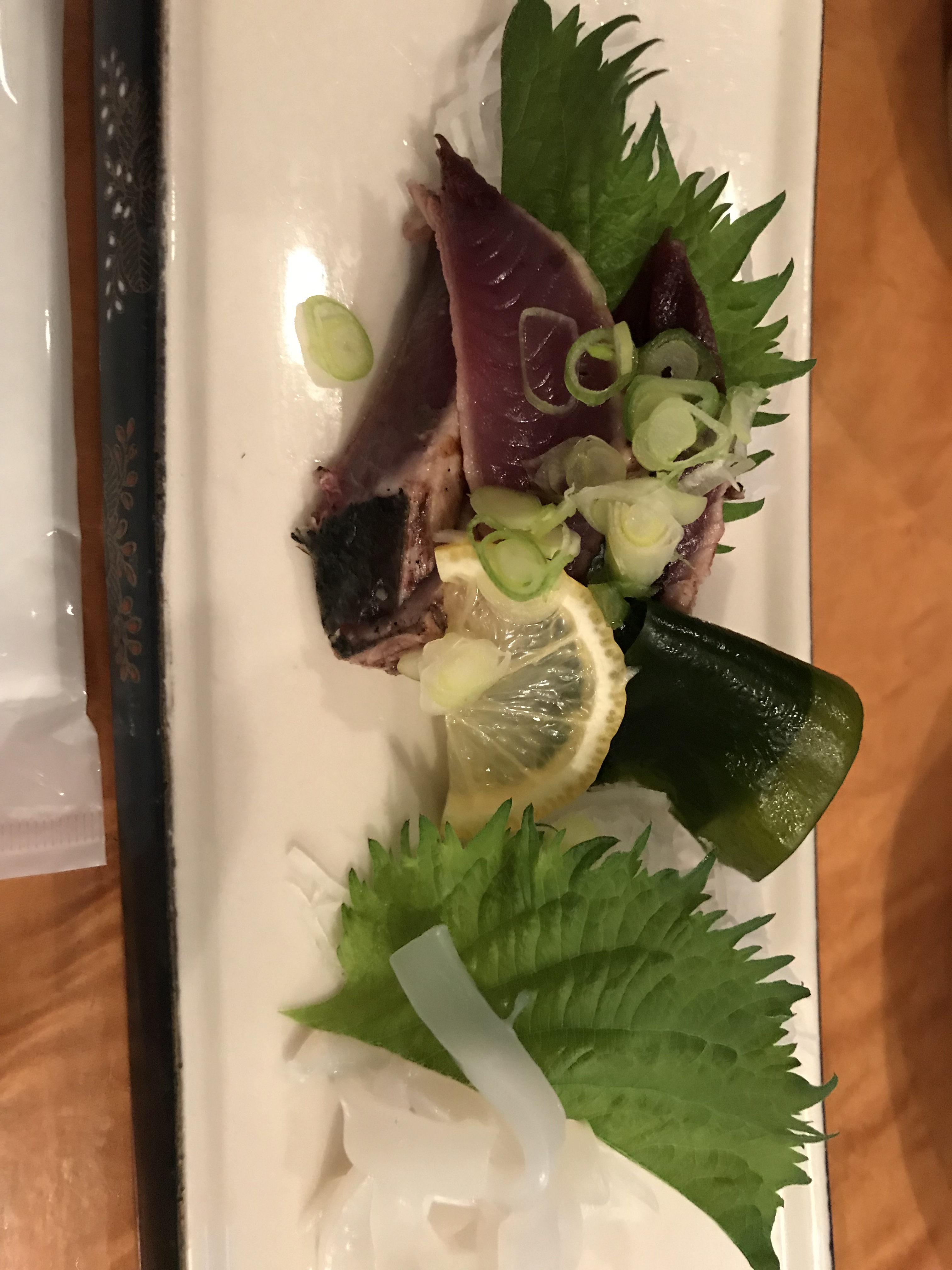
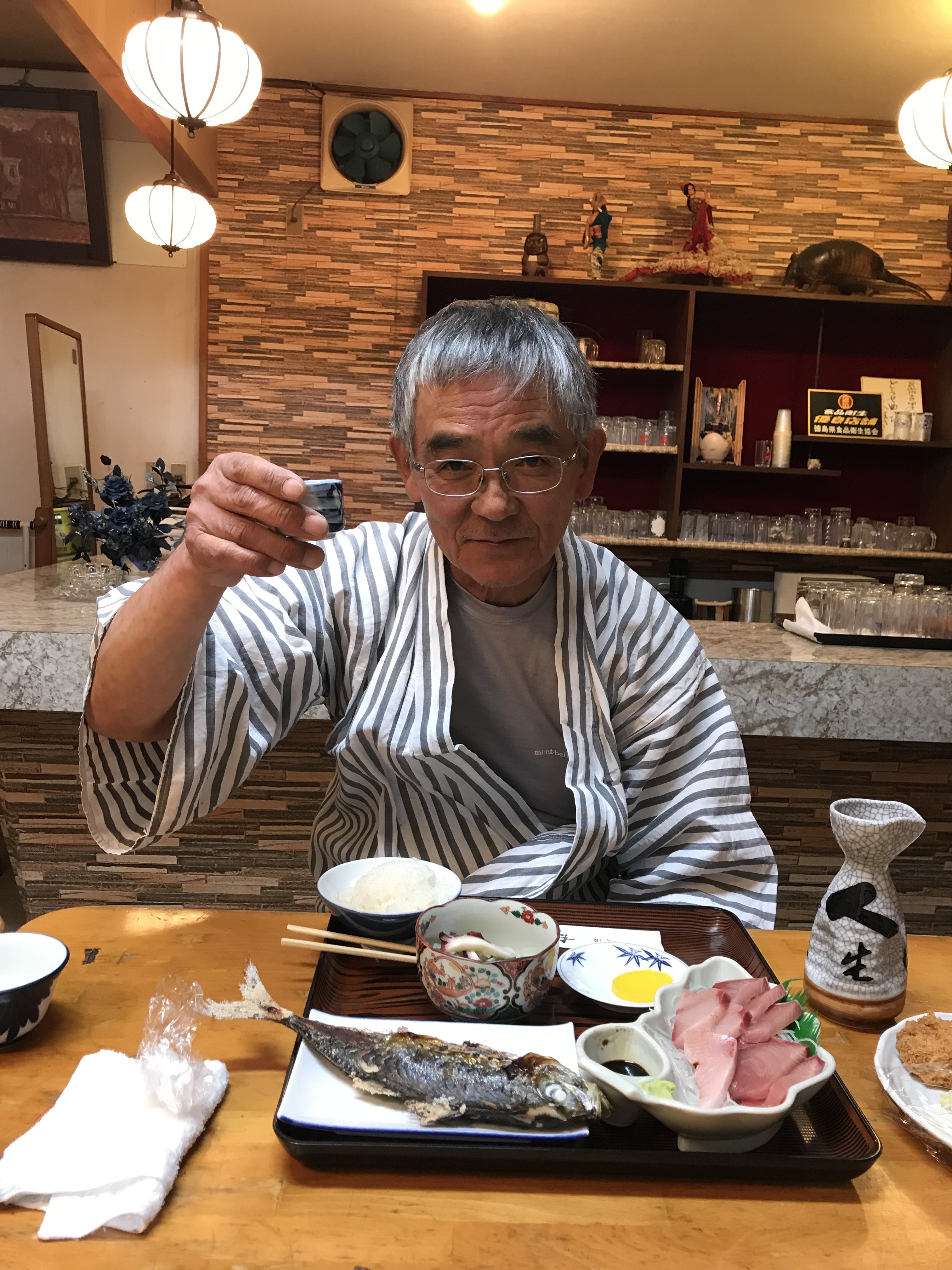
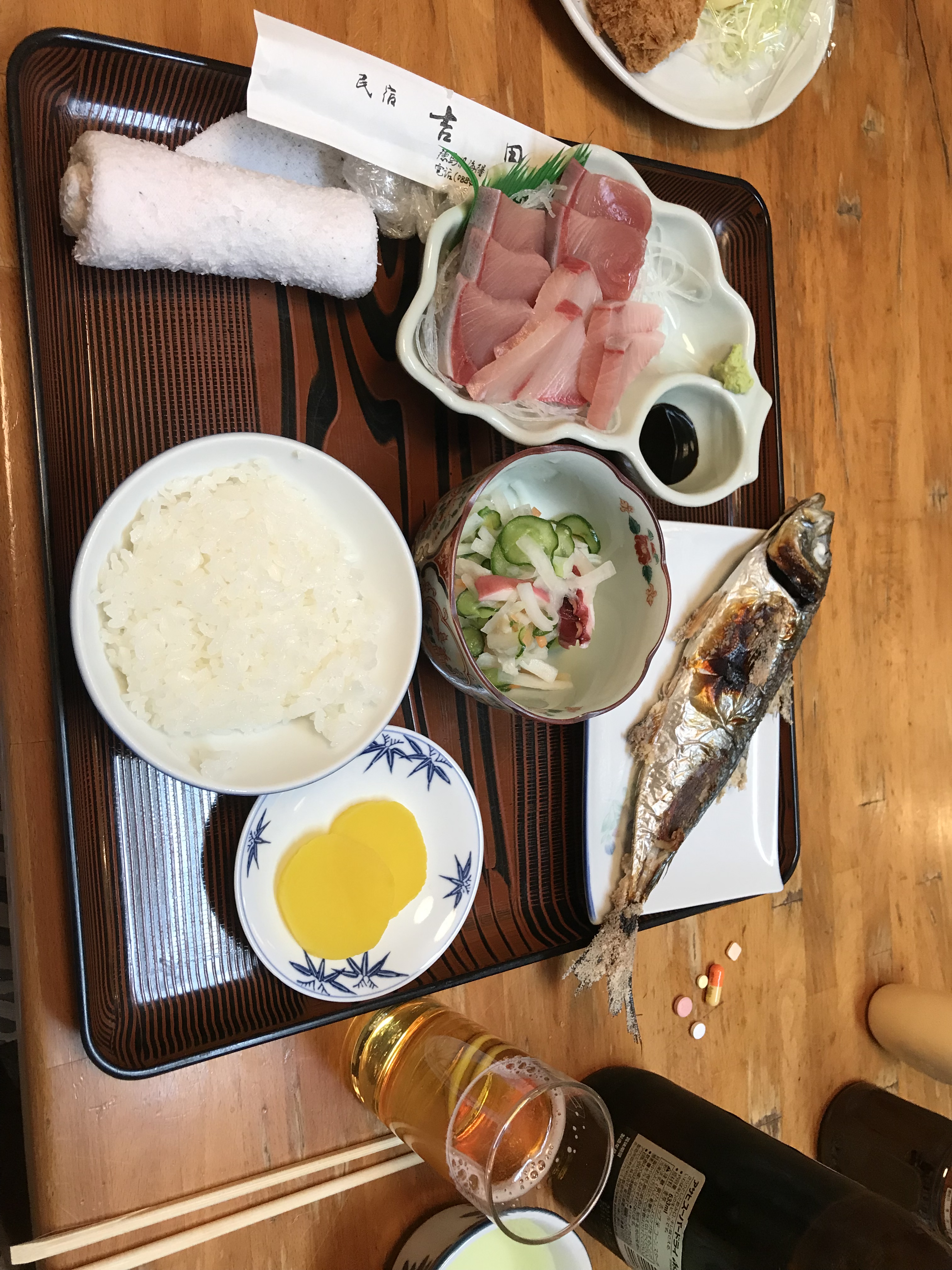
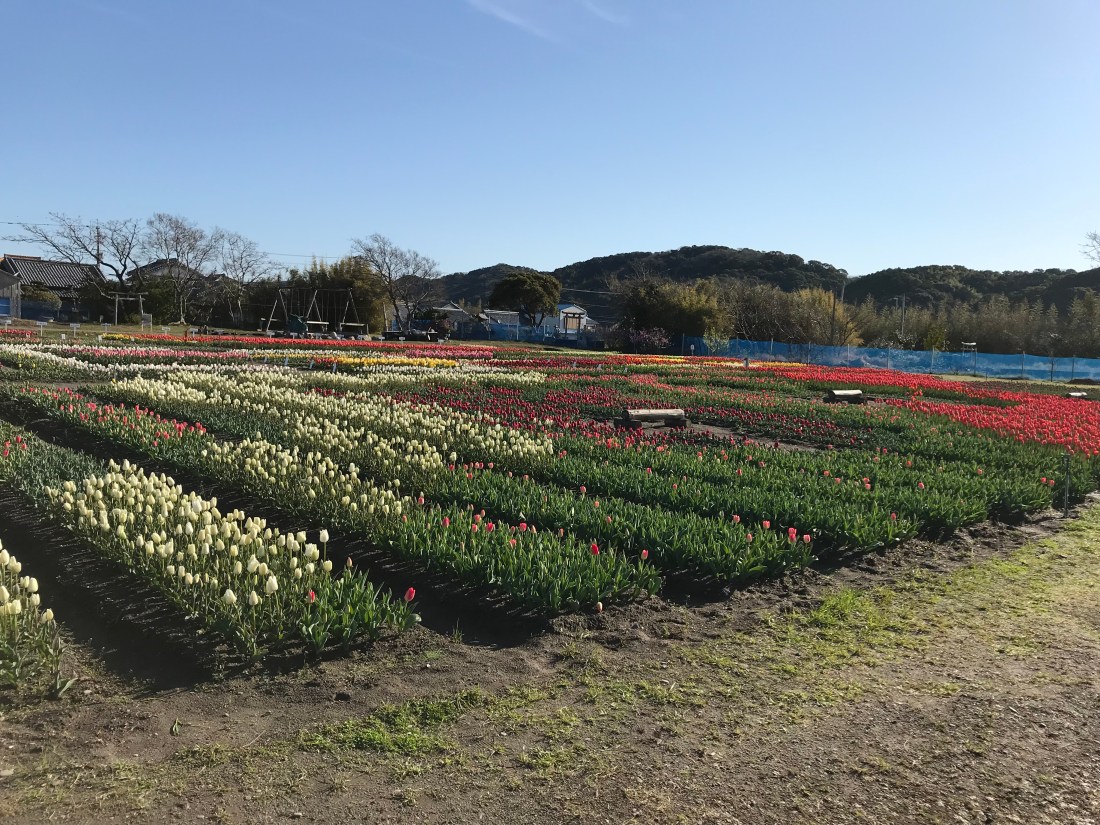
Minshuku is a family owned and operated business. Micchan started hers decades ago to support herself and her children after her husband died while commercially fishing. Renowned after a review in the prestigious Asahi Shinbun, she provides well appointed Japanese styled rooms and of course dinner and breakfast. Pictured below are some dishes that she prepared for us. Loved the grilled fish and sashimi. Both locally caught.

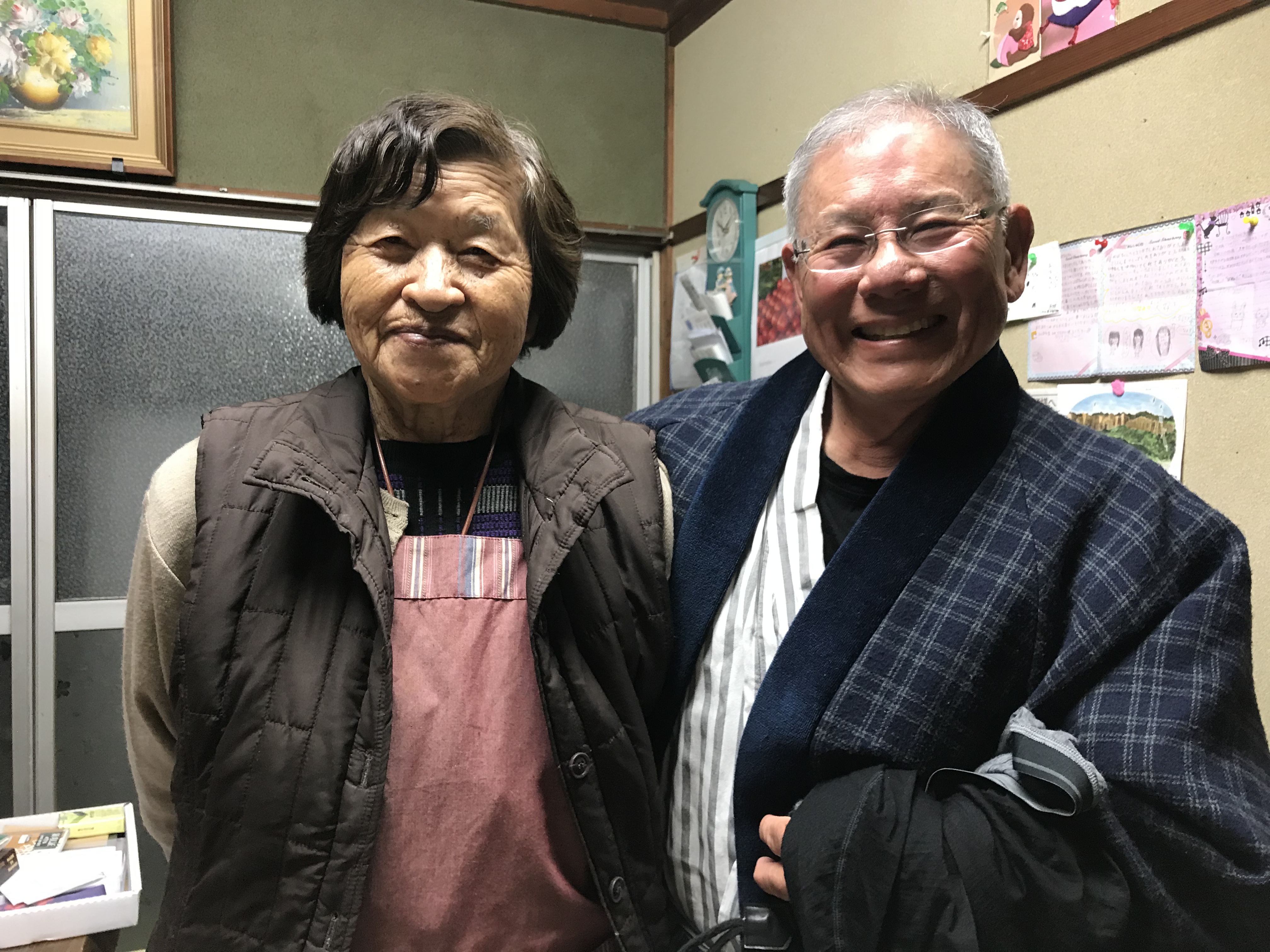
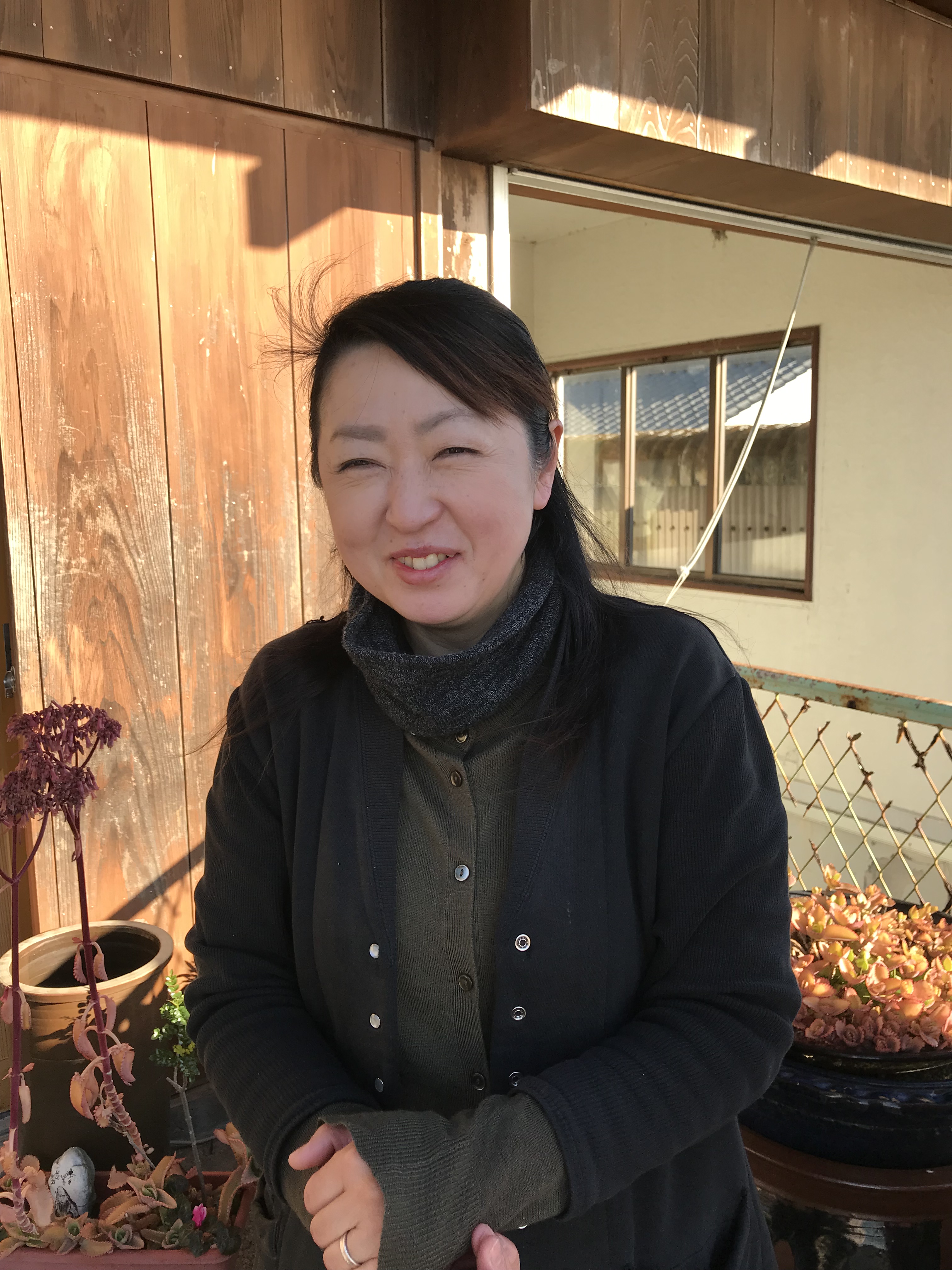
But she performs other duties such as helping Aoyama-san with the blister on his big toe. I knew that he was hurting. But I didn’t know how badly. He is shown lancing his blister with a needle and thread. Thread? Yes, covered in raccoon oil so that the oil can get beneath the skin. I kid you not. We relieved our stress with a good laugh when Micchan pulled out a large pair of sewing scissors to cut the needle from the string. Doesn’t this lady look fierce? She also is about as tall as my grandmother, say, 4’8″or so.

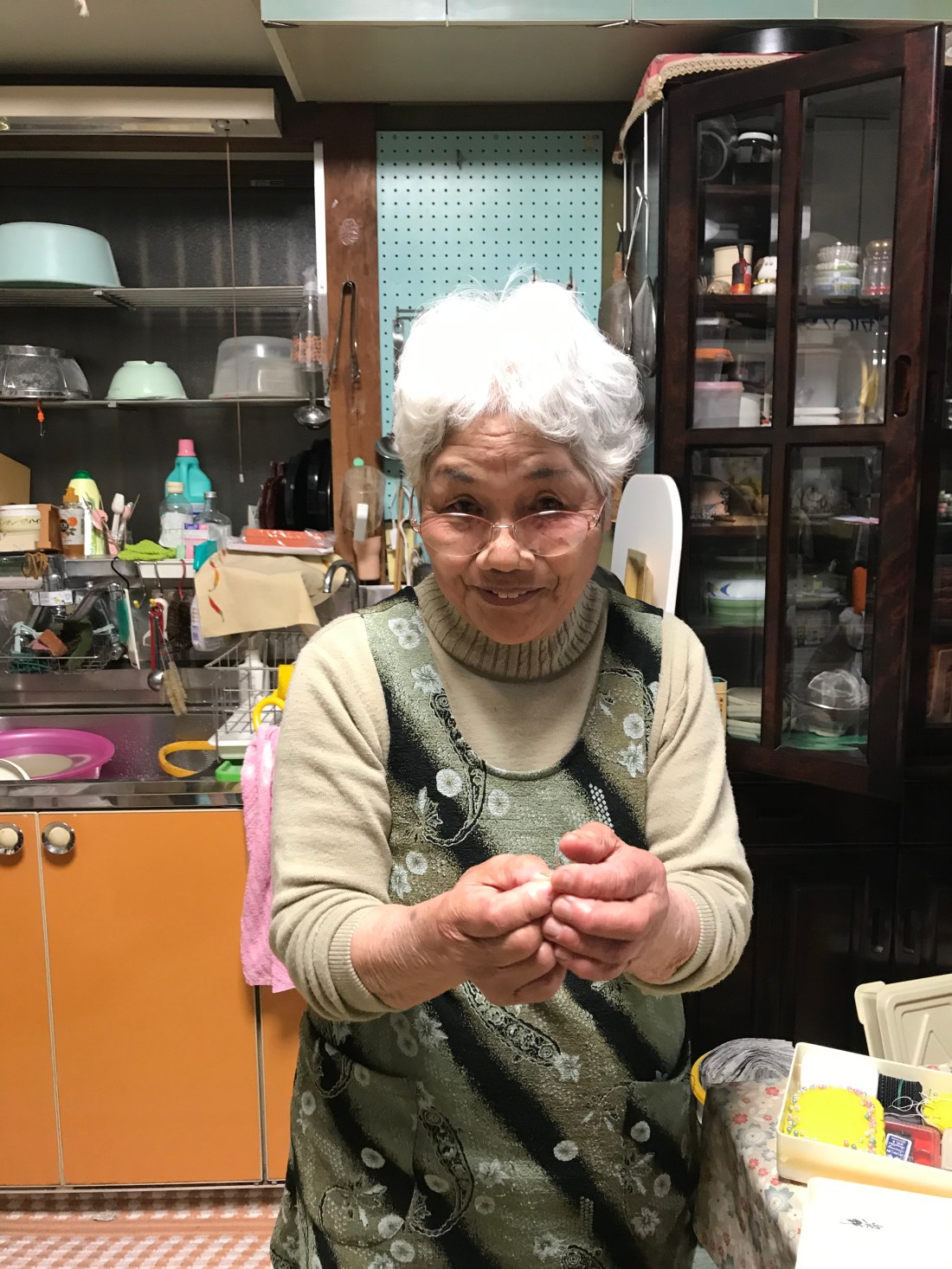
She gave Aoyama-san the small jar of the raccoon oil to apply during the night. We’ll see if it works. Imagine the FDA approving this treatment. Raccoon oil.

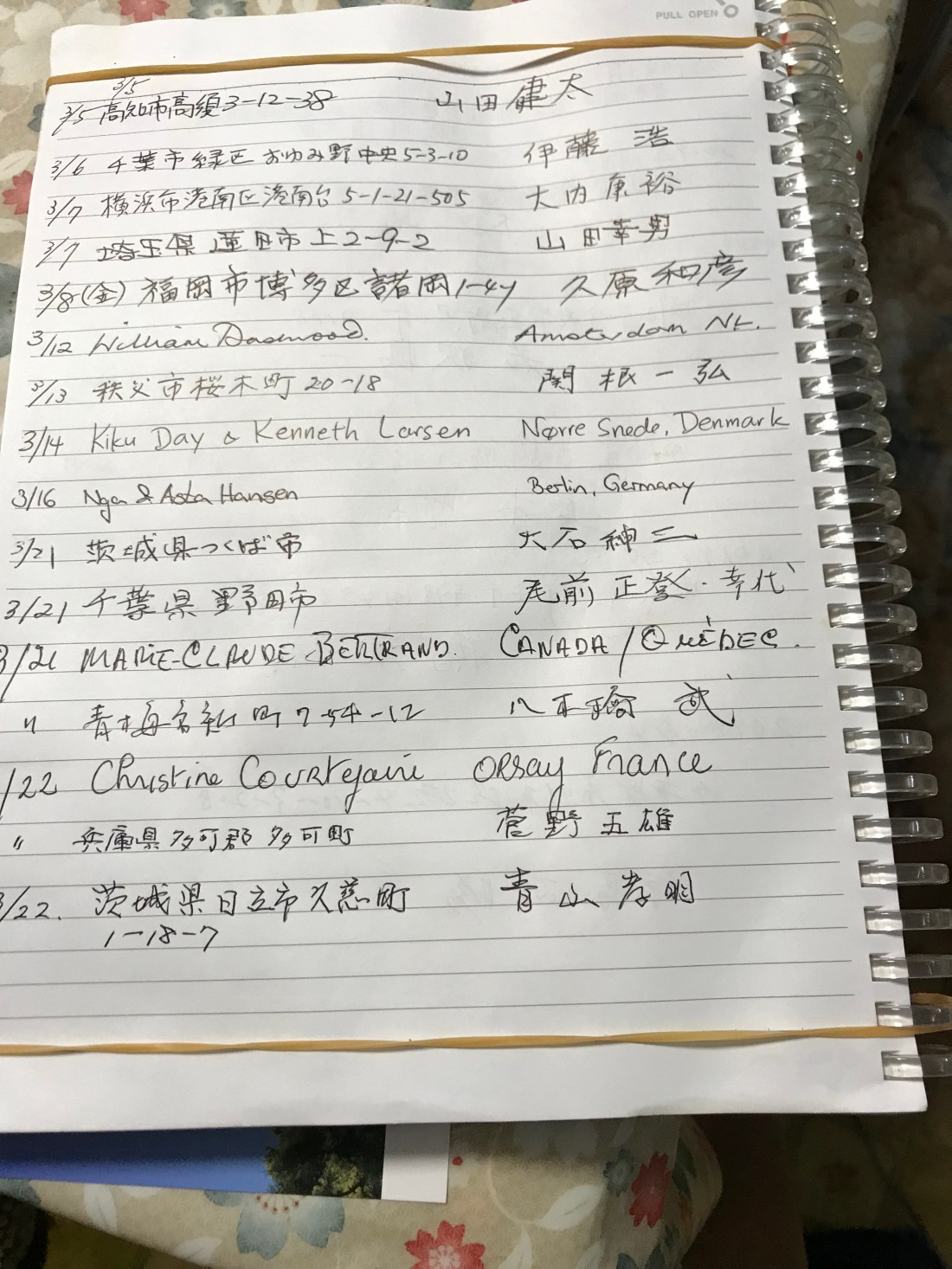
As we signed the guest list, Marie Claude Bertrand’s signature appeared. She had stayed the night before. She and I met at Temple 11 and climbed to Temple 12, Shosanji, together. I was glad to see that she is still on the road. BTW, I have met only one American so far on this trip. He was the young man sitting next to Aoyama-san back on Day 9. He stopped walking to Temple 24.
My evening is coming to close. Hard to keep the eyes open.
Day 18: Invoking the Emergency Walking Act (21 March 2019)

Today’s sunrise was bleak. See image of Kochi at sunrise from my hotel room.

Heavy rains again. Aoyama-san’s feet were in bad shape. What to do?

I decided to invoke the emergency provision of the Walking Act of 2019 namely, we can take an alternative form of transportation. Thus, we started off at 8 AM for Temple 31, Chikurinji.

I had to get over my purist tendency for this trip. That is, every step of the way had to be a step on the ground. Mixed in with helping Aoyama-san was my feeling of not facing another 8 hours of walking in the rain. I am sure that another opportunity to do so will arise.

I also must apologize for the snarky remark about the fellow who left Temple 28 in a car. Each one of us is doing the best we can in making this journey. Keep it simple and keep within yourself. This morning was another humbling learning experience.

We arrived at Temple 31 in heavy rains which created its own mood. Shortly thereafter, a couple appeared all dressed in traditional Japanese clothing. They were celebrating graduation from college. I rationalized that if it weren’t for the emergency declaration, we would not arrived in time to see this joyous couple.

Was it raining hard? Check out this pair walking up the stairs to the main temple grounds and the rain spout. Pretty heavy in my opinion.

We left Temple 31 with our cab driver. He asked how many times had we had done o-henro. We said that this was the first time and that this was the first time that we had used cabs during the pilgrimage (well, not quite). Remember the priest calling up the taxi for me at Temple 12? He said, not to worry. The good things that you learned in the pilgrimage will stay with you whether you walk or ride. Thank you very much. He gave me a small frog charm, kaeru, return and have a safe journey. Kukai personified? Enough of this guilt.

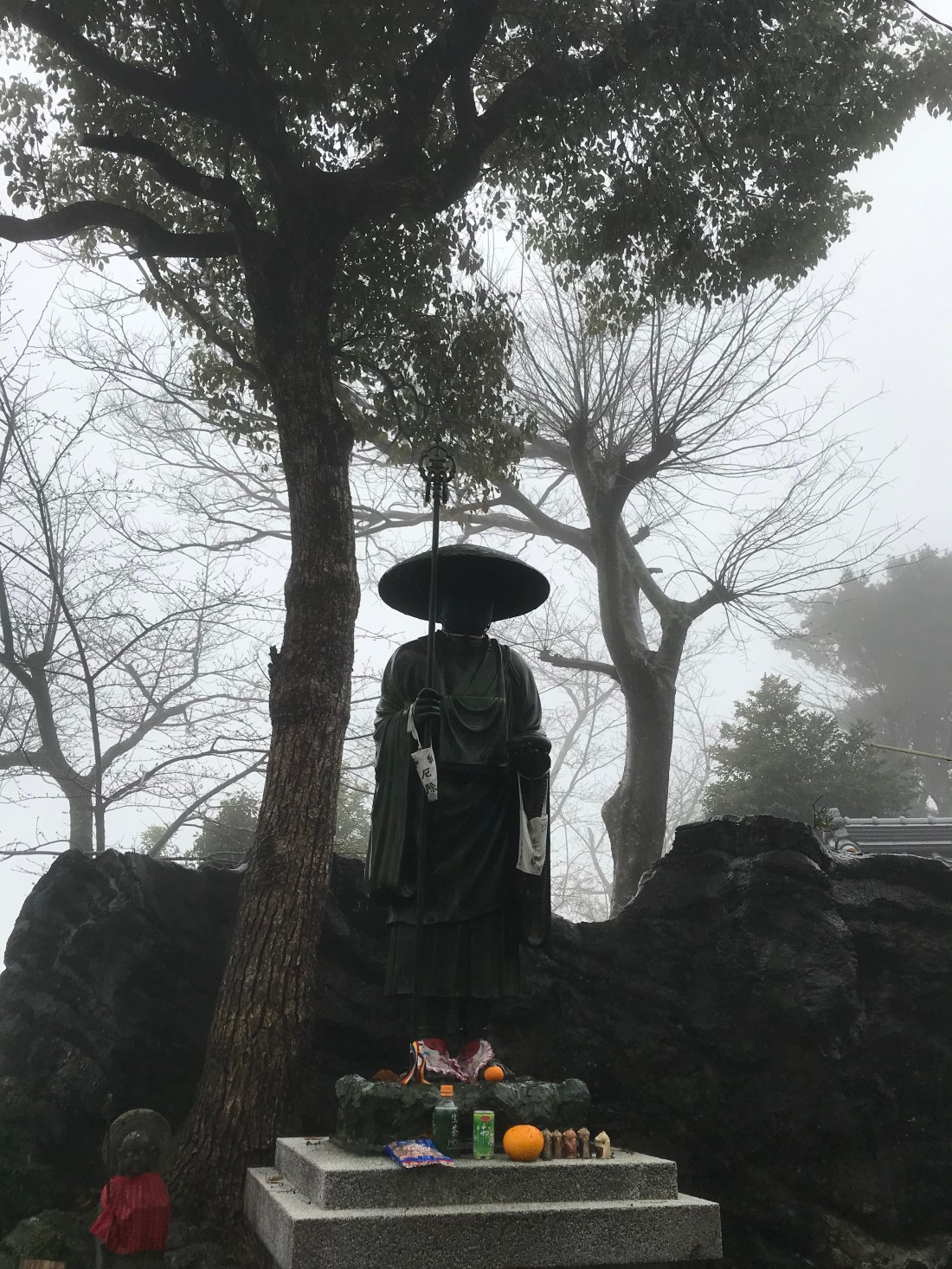
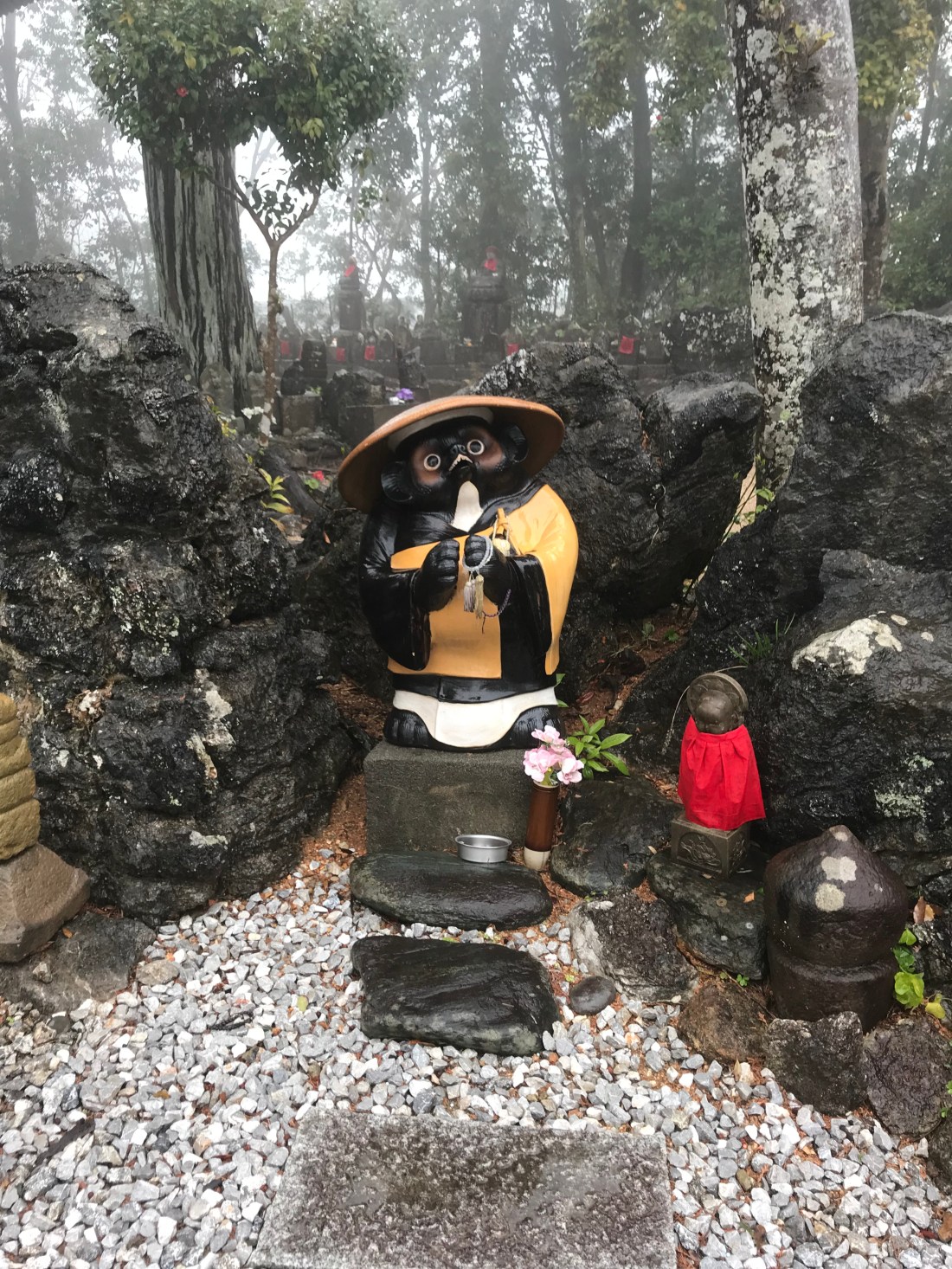
Temple 32, Zenjibuji, was covered in fog giving it the backdrop of how heaven is sometimes pictured – in the clouds. The first photo is of the guardian of temple followed by Kukai. The temple also had a separate area of devotion to Tanuki, a raccoon figure which brings good fortune. We have Tanuki in our backyard garden too.

To get to Temple 33, Sekkeiji, we had to take a ferry across an inlet. The ferrymen were really strict. I went up to the second deck and the skipper scolded me for being there. If there was a sign, I missed it. Everything was in kanji. Even on the main deck, the hands pointed at a white line that you dared not cross. The mist was intense. Here is what we saw.

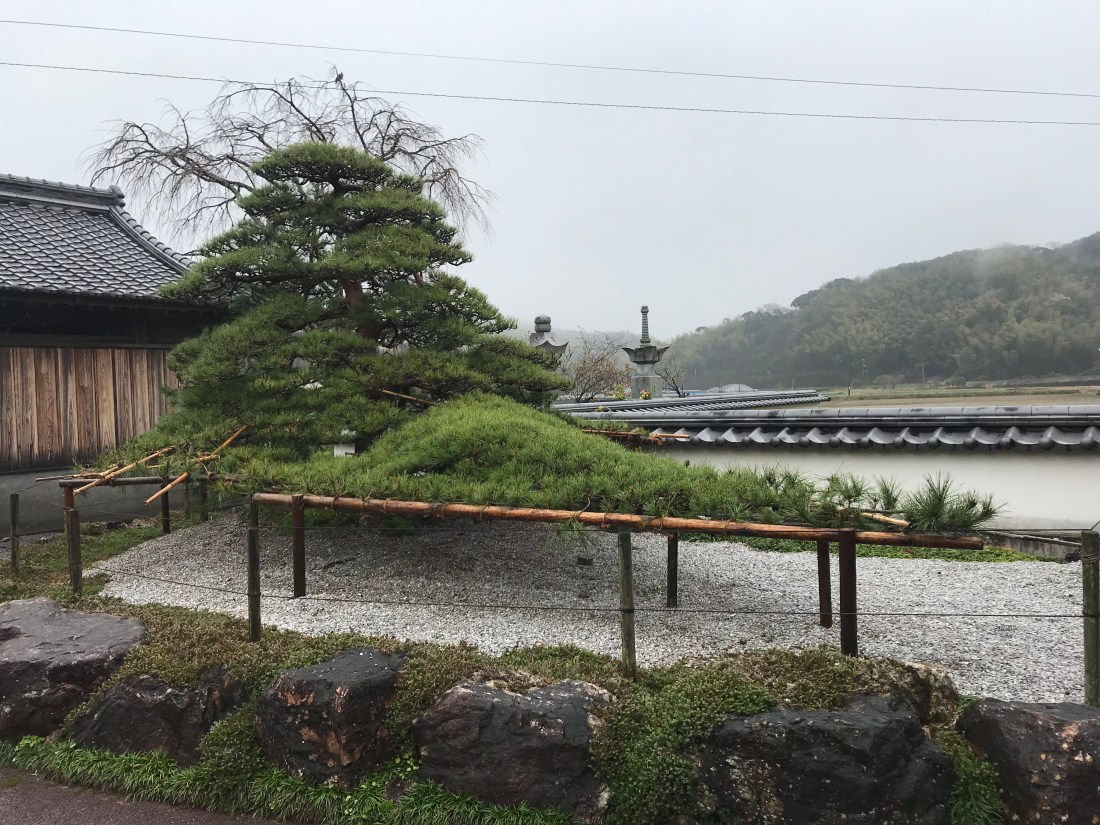
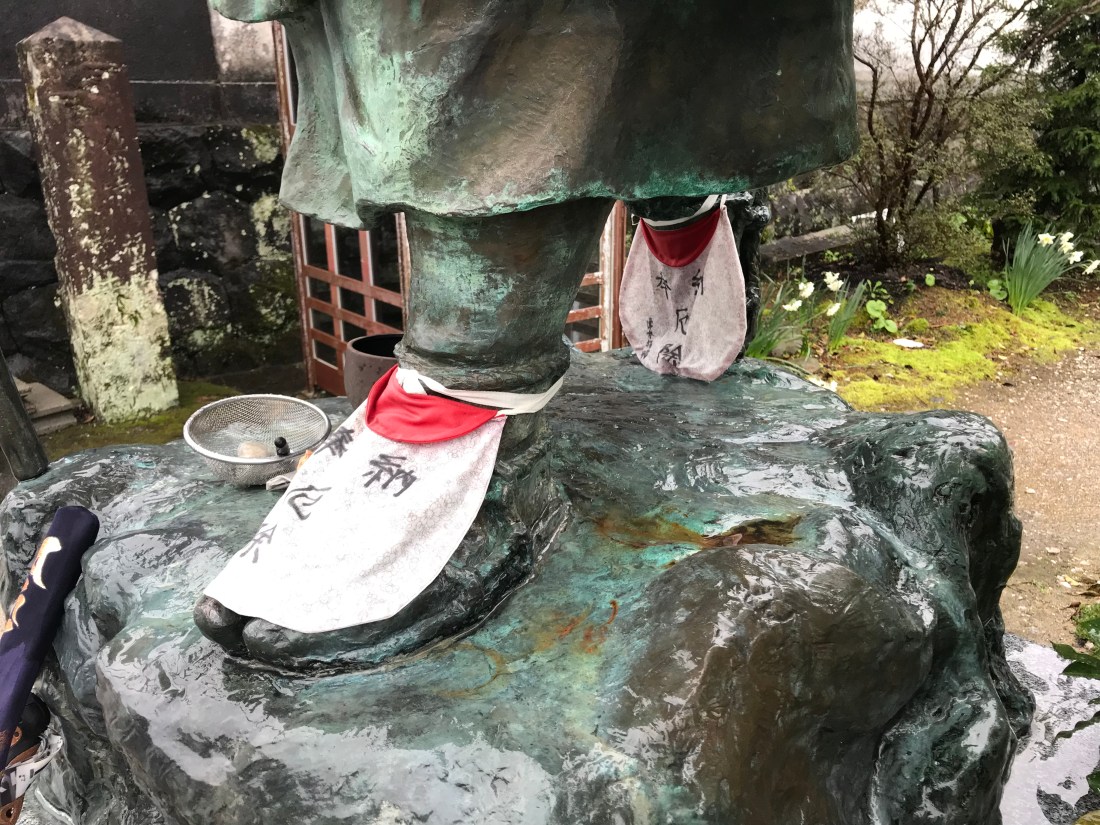
Temples 34 and 35 had their own special milieu. Temple 34 seemed to emphasize its pine trees. This tree had a large branch extended out at least 20 feet. We wondered how long it took form such a spread. As we left, I was amused that even Kukai had special foot coverings for a day like this one.

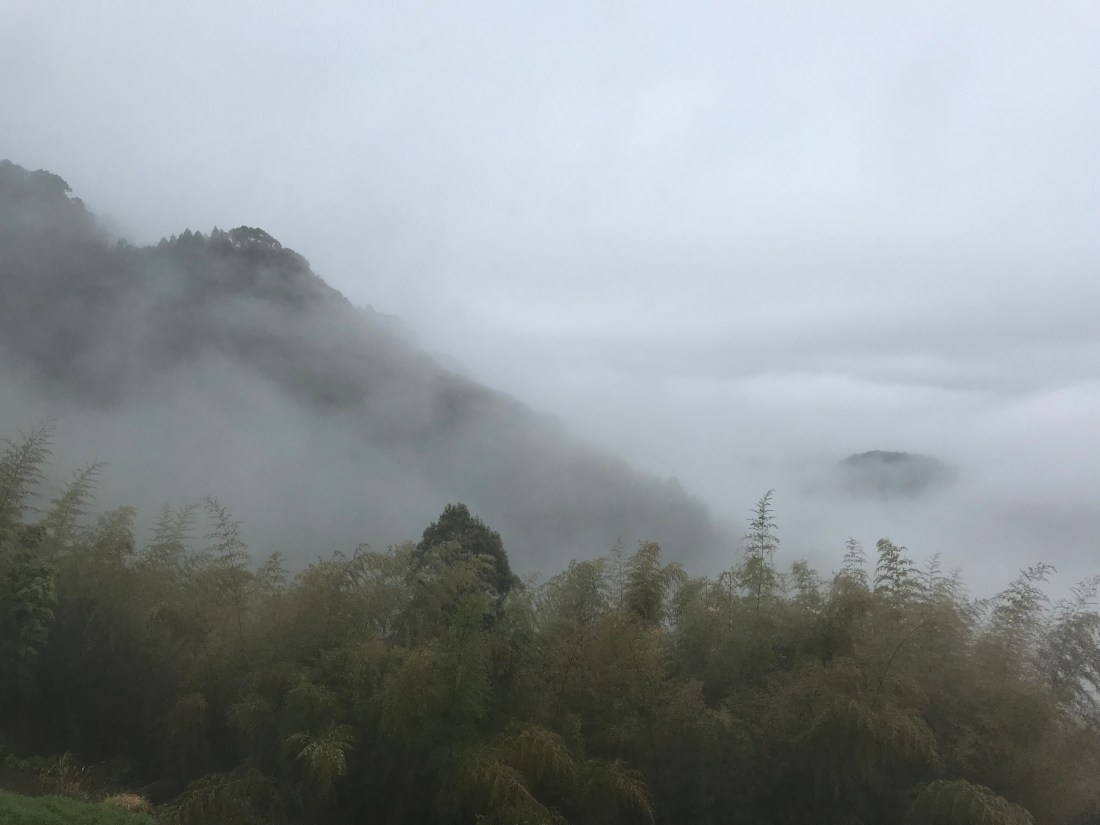
Our final temple, Kiyotakiji, was up 500 feet on a hill with an ethereal atmosphere. It was covered in a heavy blanket of mist. This view reminds me of scenes portrayed on many Japanese scrolls and shoji screens. One can feel the spiritual here.

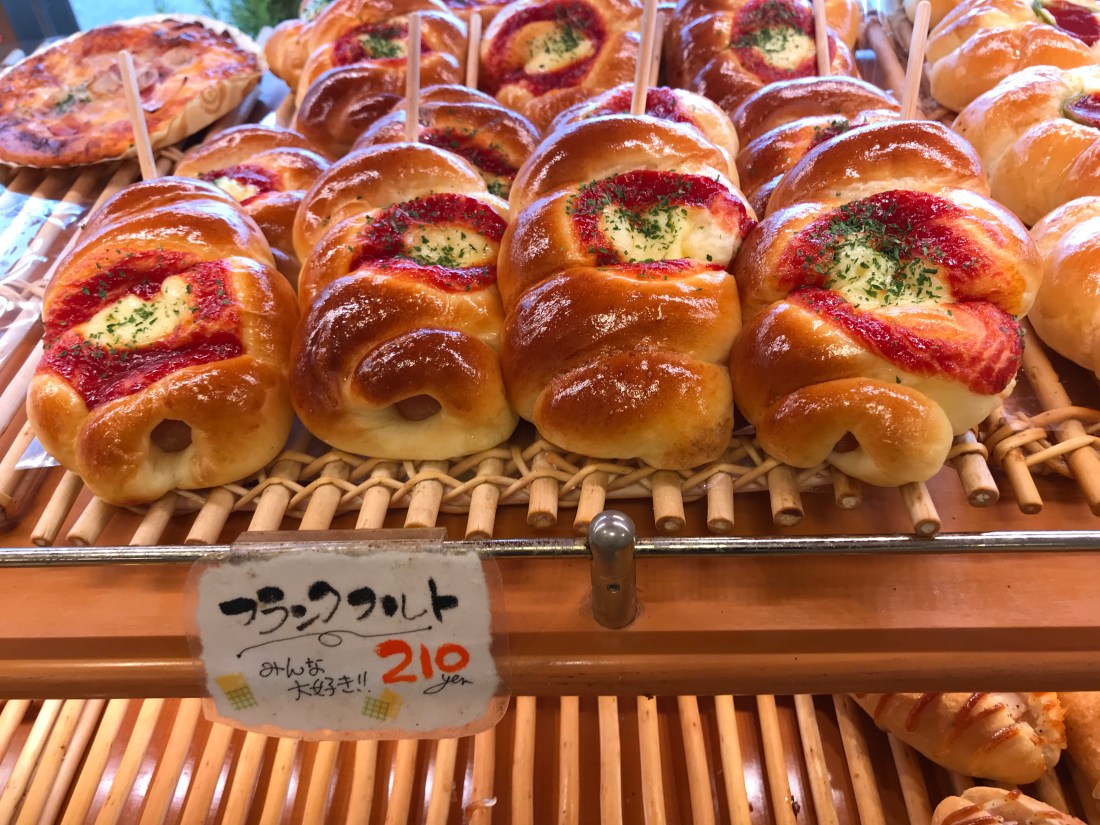
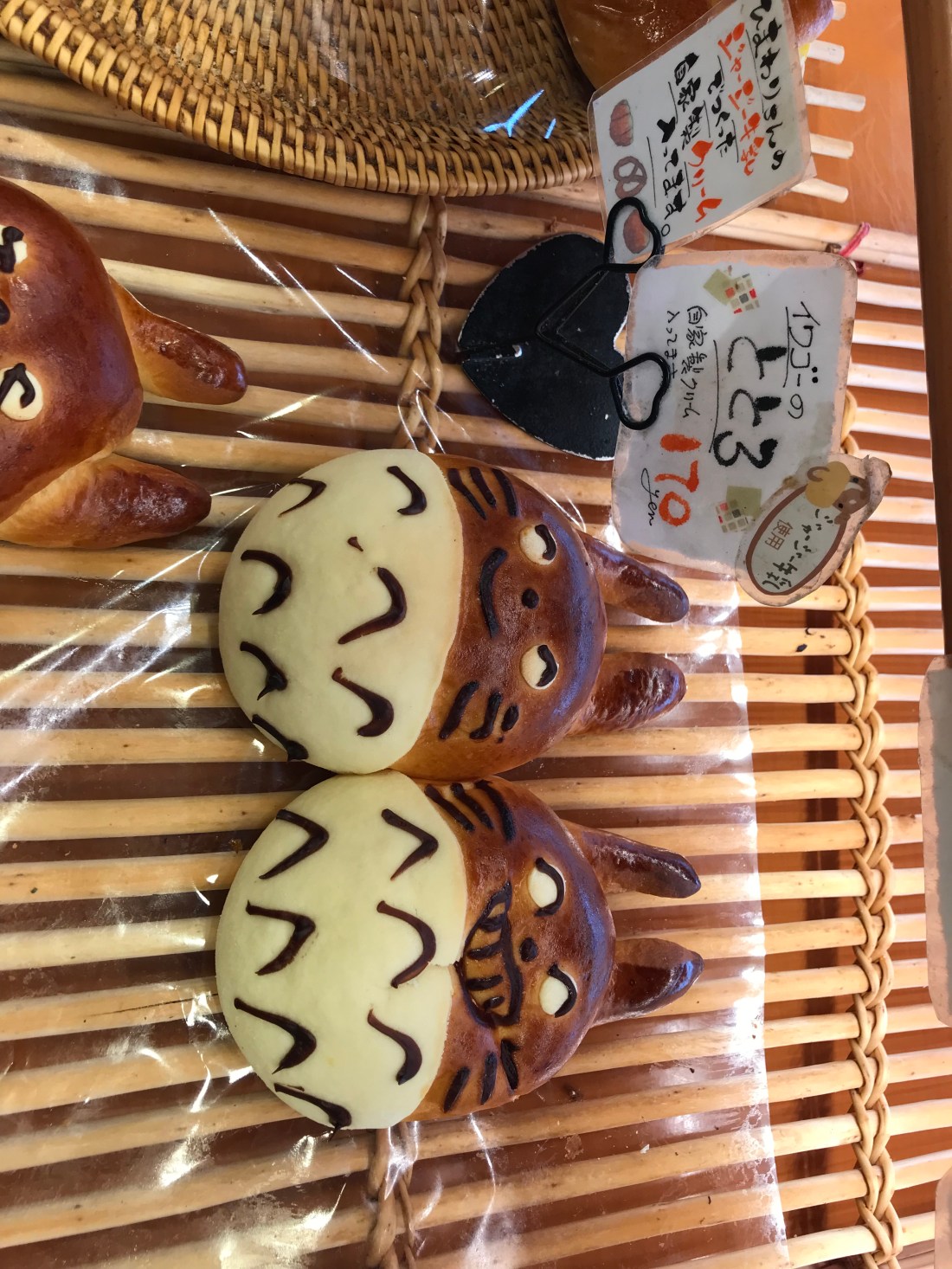
After such a hard day riding in different cabs, we checked into our “business hotel.” Clean, comfortable reminding me of what a Motel 6 must have been like. Next door was a Japanese bakery that served pan like pain in French. After ordering, we sat among tables of women of our age or a bit younger. Aoyama-san said that women tend to gather in the afternoon to have a coffee or tea with some pan taking a break from household chores. How about these delights? We had our coffee and pan while planning the next two days of walking and some riding the rails. The next segments are really lengthy and no more near marathons!

He still had chores to do before dinner. Aoyama-san needed some cash so off we went in search of an ATM. We found the .com Bank. On the way, an athletic equipment store magically appeared (thank you Kukai). We outfitted Aoyama-san with a wider in the toe box shoes. He seemed to step more lively after that with a broad smile on his face.

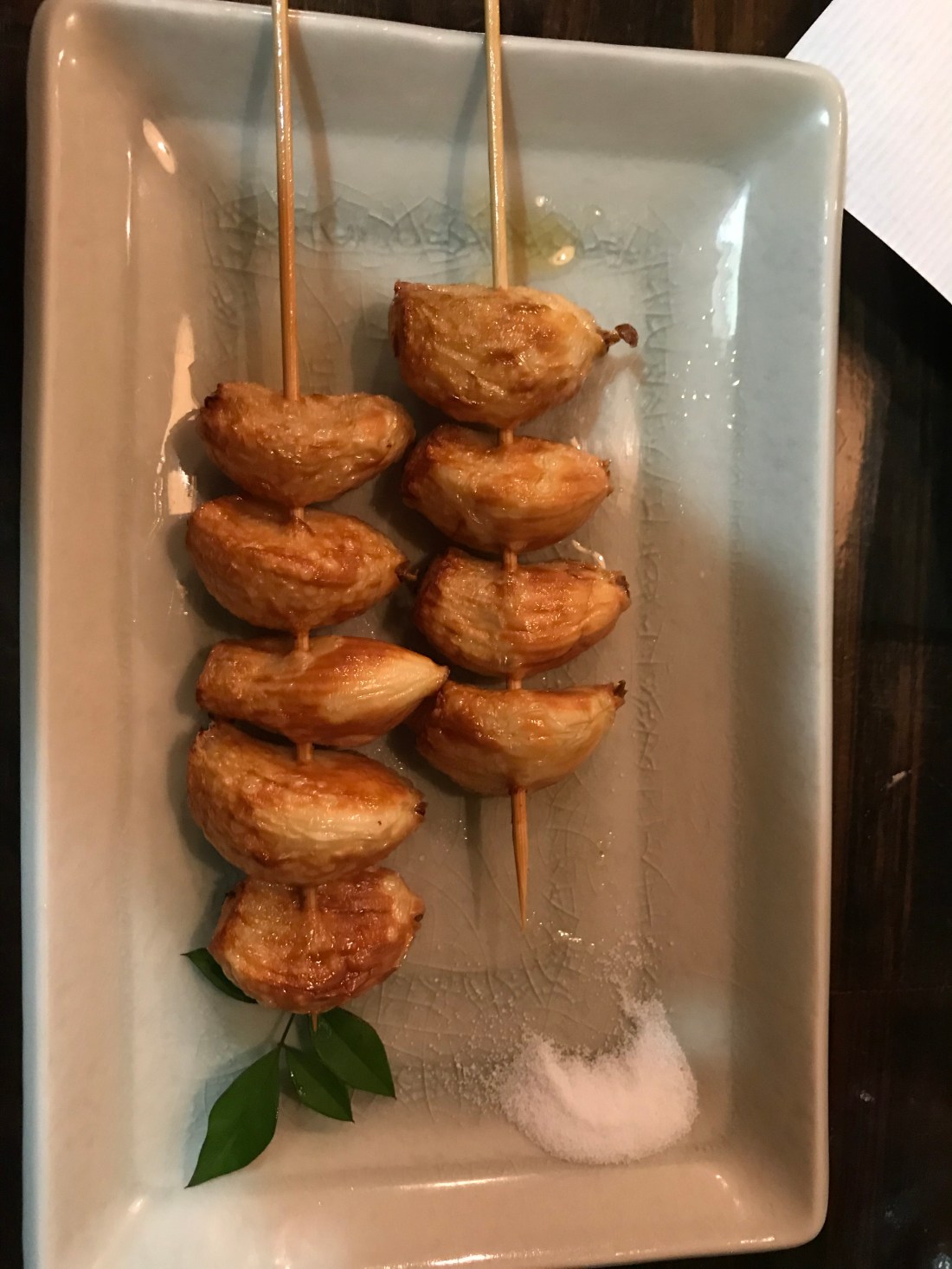
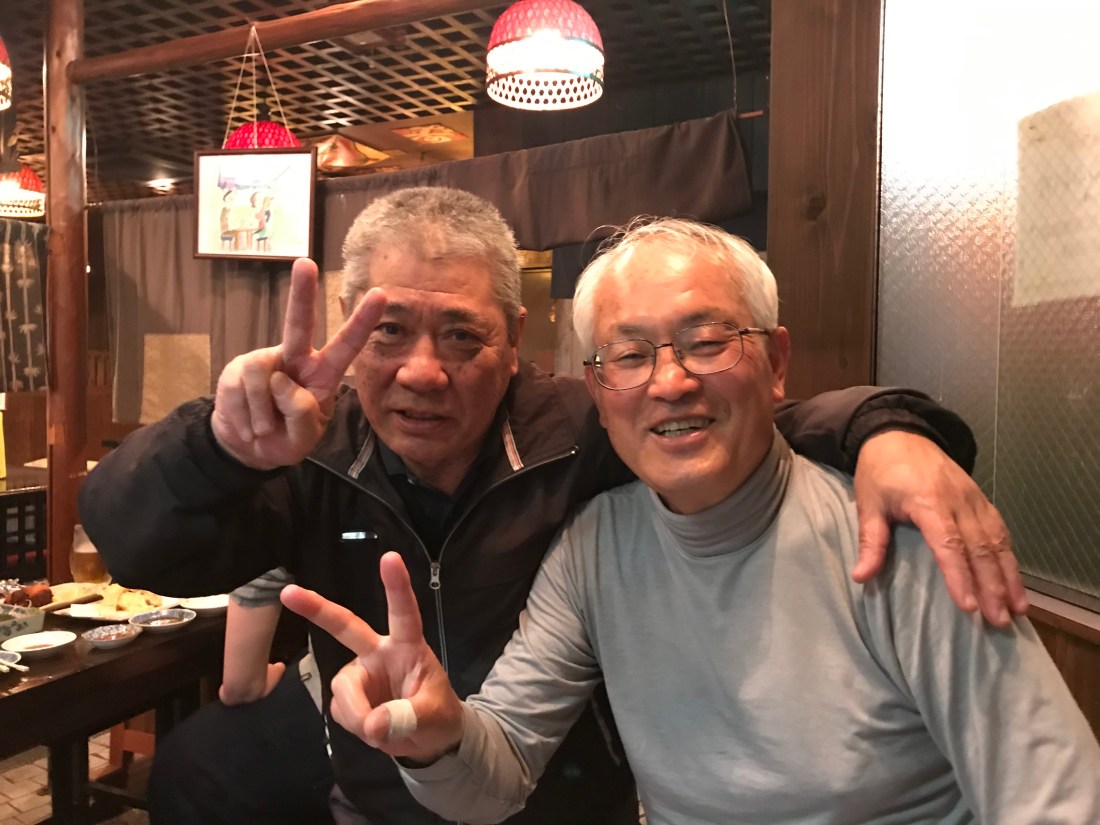
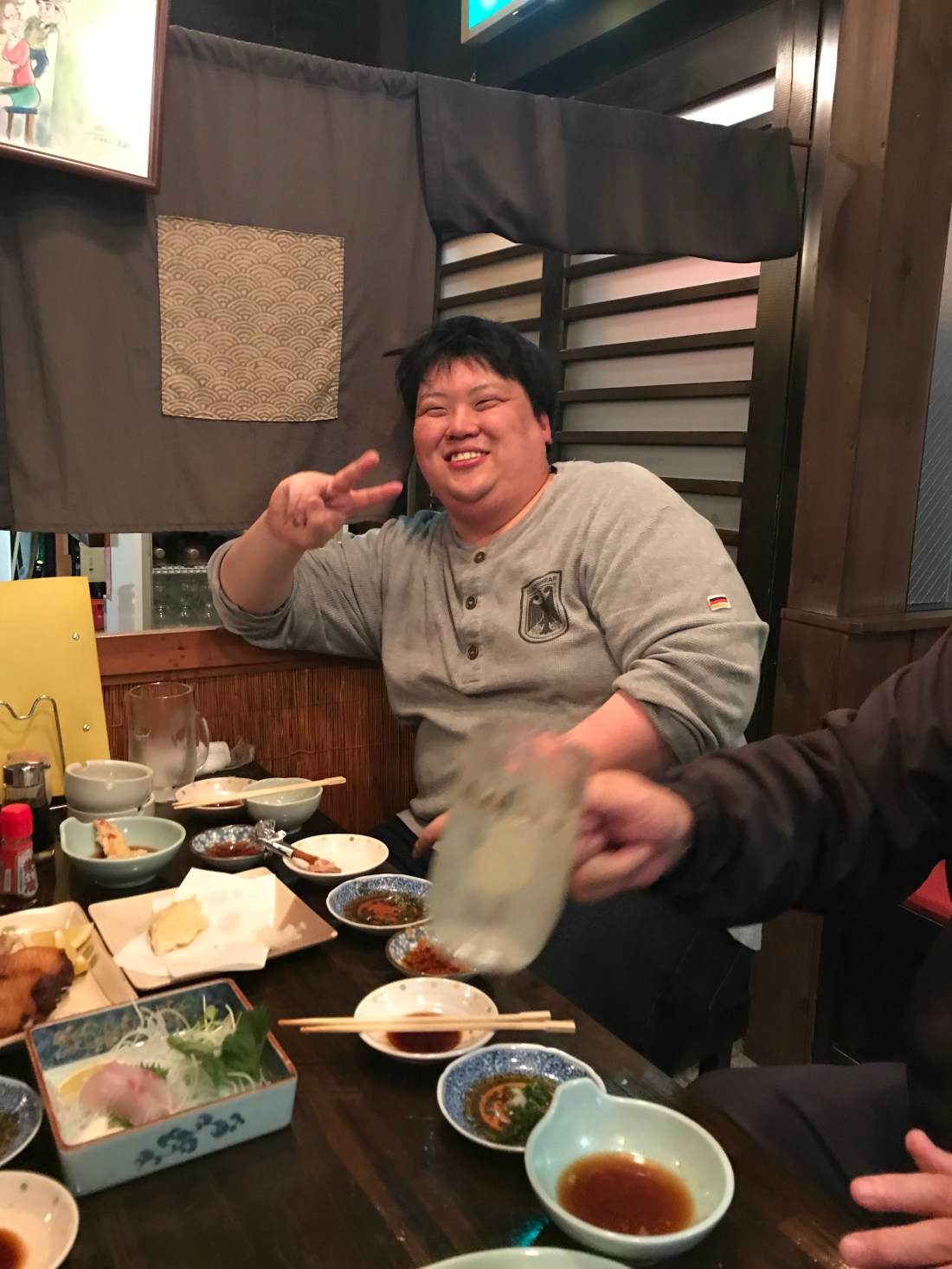
We were in high spirits going to dinner. We went to the izakaya (sounds like a name from the Old Testament) which is a Japanese pub like our sports bar without TV screens. Our chef served up delicious food like grilled garlic (who ordered that?), small swordfish-like sakana (fish), and of course, draft beer and local sake.

Aoyama-san said that locals especially men come to izakaya on Friday’s to celebrate the end of the week (TGIF). Here they call it Hanakin (meaning flowering Friday – Hana for flower and kin as the shortened form of kinyobi, Friday).

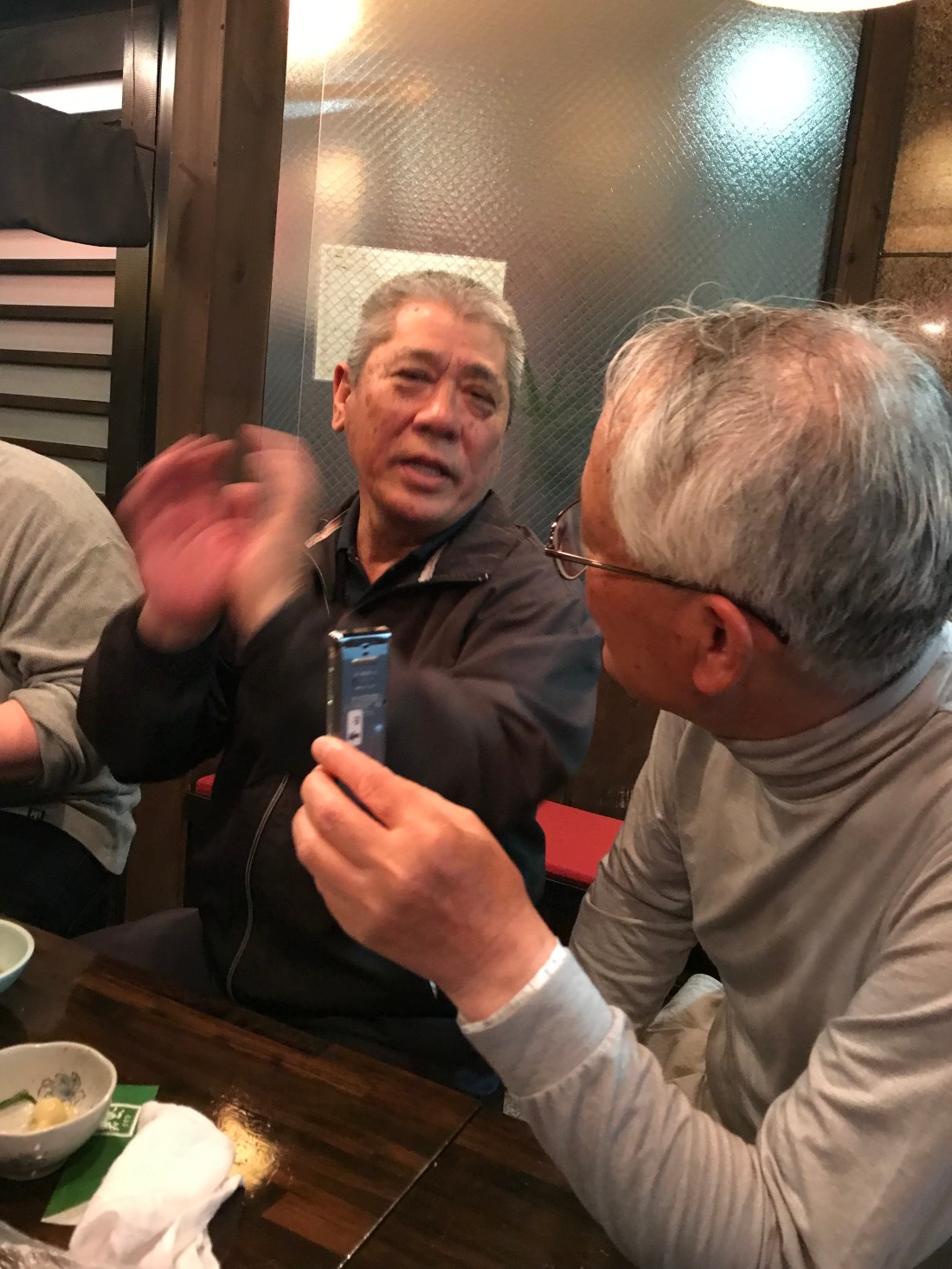
The three fellows at the next table were already into Hanakin mode. Ayoyama-san had his tape recorder in hand and we had a raucous time talking with the guys. I picked up about a third of the conversation.

Chaucer had it right in the Canterbury Tales. A pilgrimage is the whole journey.

Tomorrow, the walk to Temple 36, and onto Minshuku Micchan which is on Aoyama-san’s bucket list of things to do on the pilgrimage. I am looking forward to meeting Michiko, the woman owner. Her story was written in Asahi Shinbun, the NYT of Japan. Everyone that we talked with in this area knows about her and her minshuku. Ja mata, ne (until tomorrow).

Day 17: Japan’s Vegetable Garden (20 March 2019)

Most of Japan’s land is mountainous. The Kochi area is one of the largest flat plain areas. Although urbanized, a significant portion is devoted to vegetable production thus earning Kochi the title of Japan’s vegetable garden.
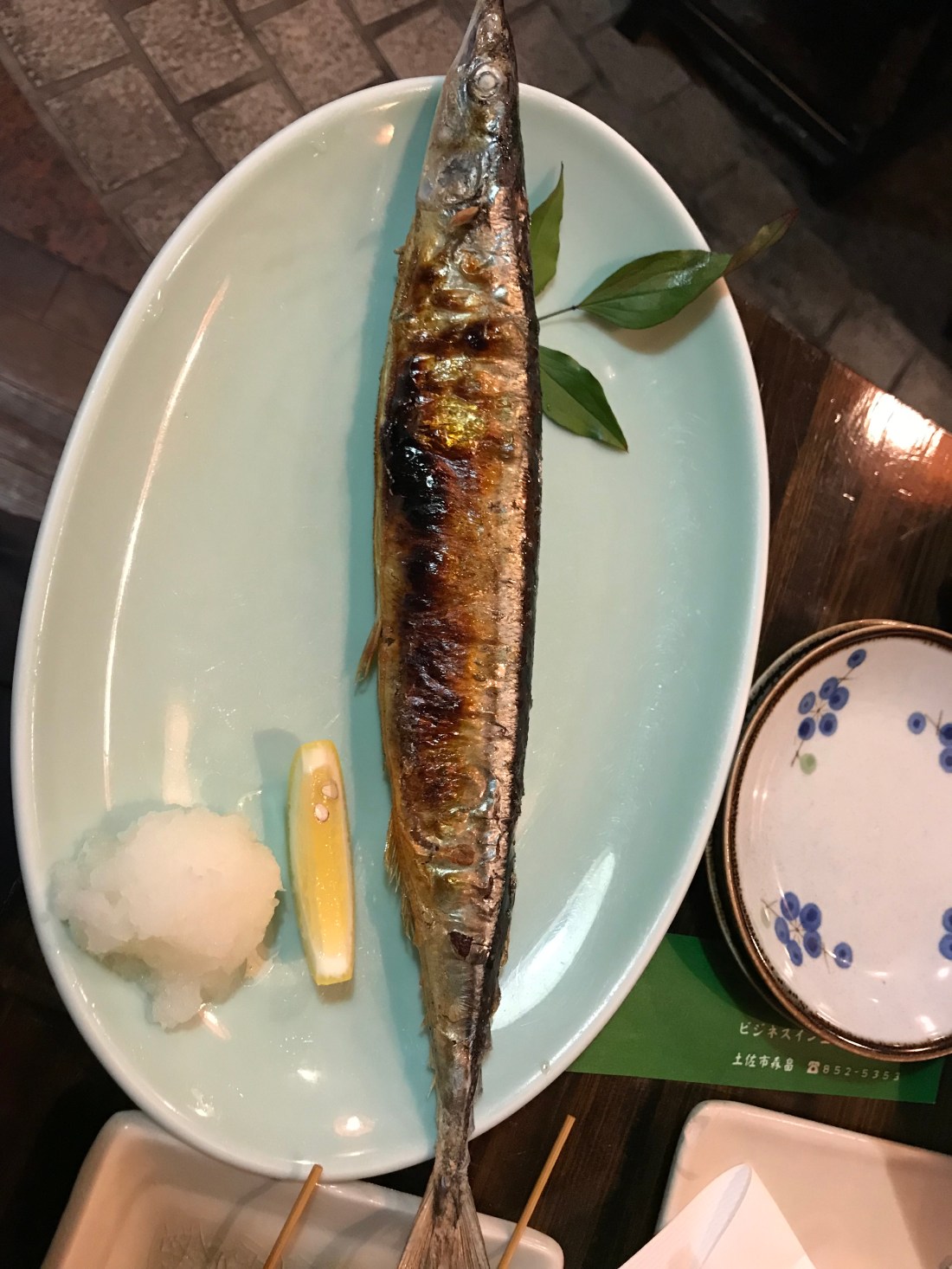
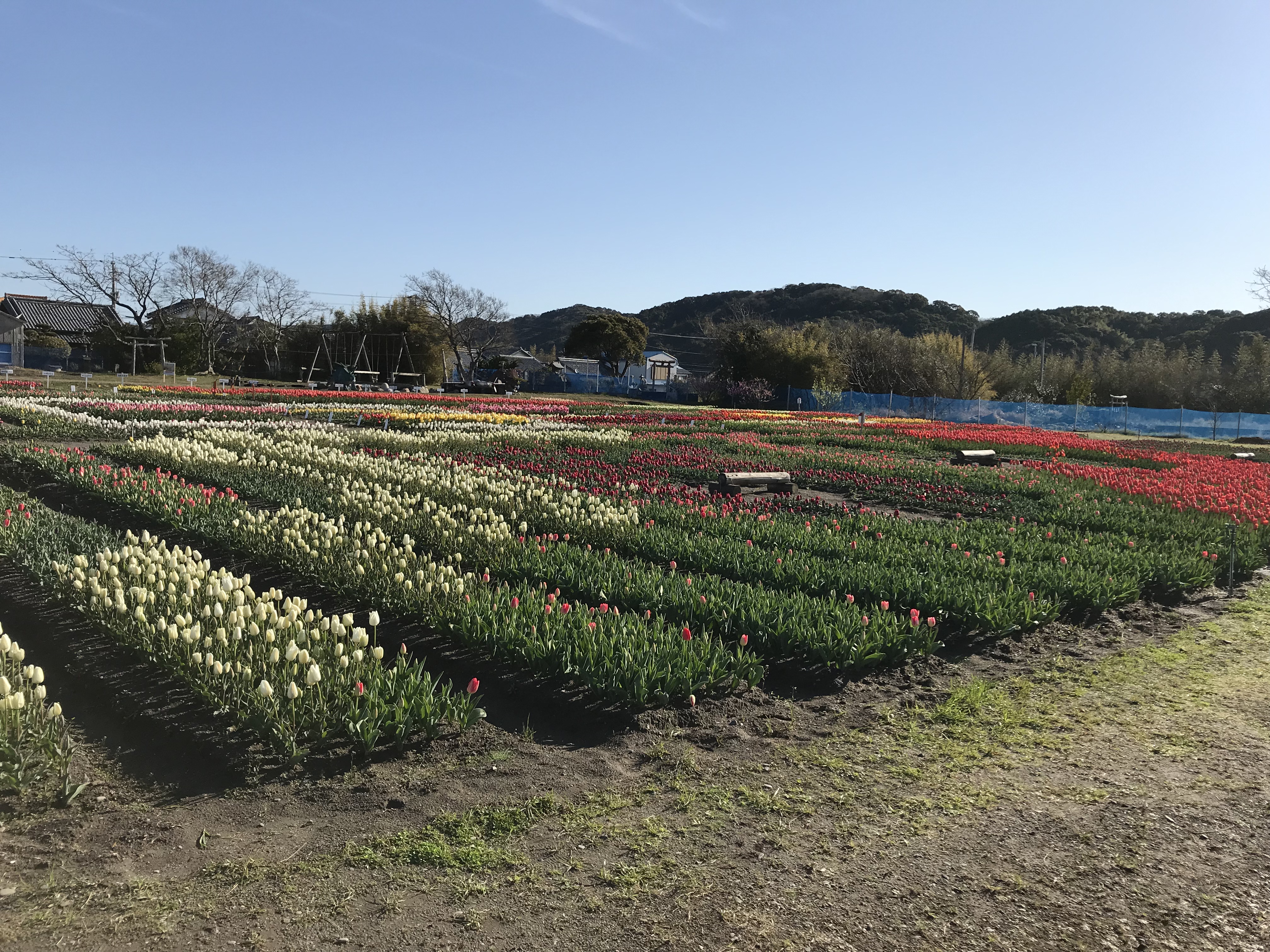
Indeed, most of the walk was flat. At the beginning, we came upon Kagami’s Tulip Festival which is during March. Not the Keukenhof in the Netherlands, an unexpected field of tulips spread out before us. I thought that this day would be somewhat boring. Kukai had other plans.

Before we reach Temple 28, I had to take four photos of modern Japanese life – no theme but some images of how Japanese and by extension how we live in current times.

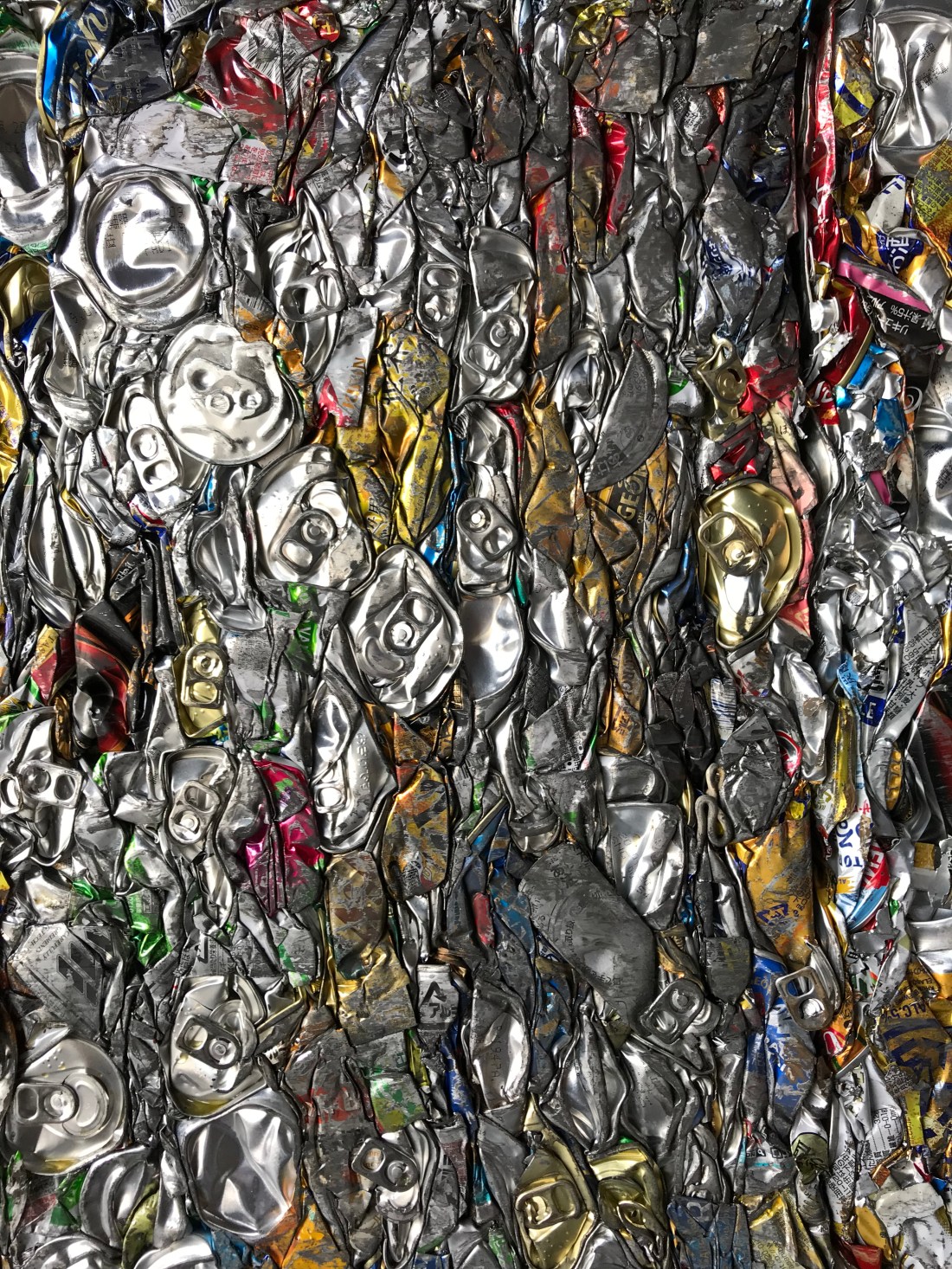
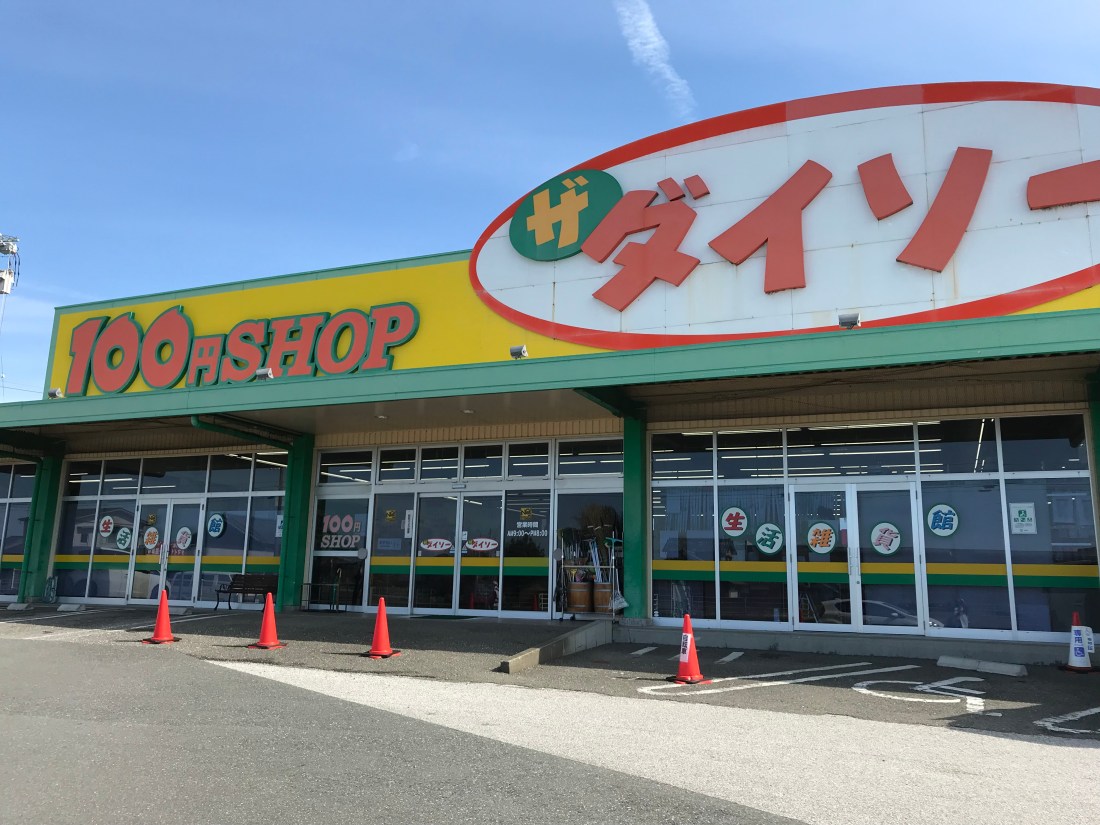
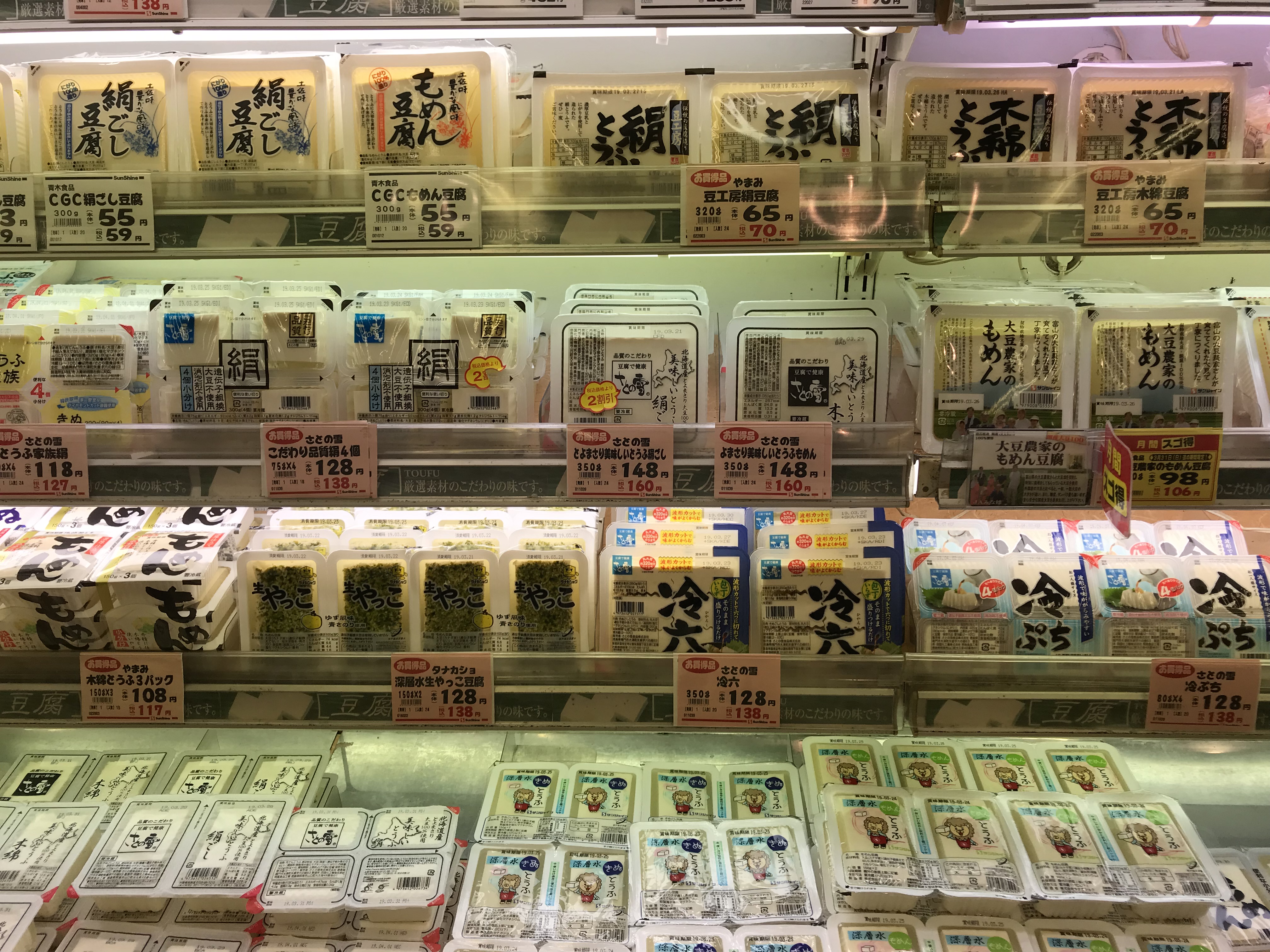
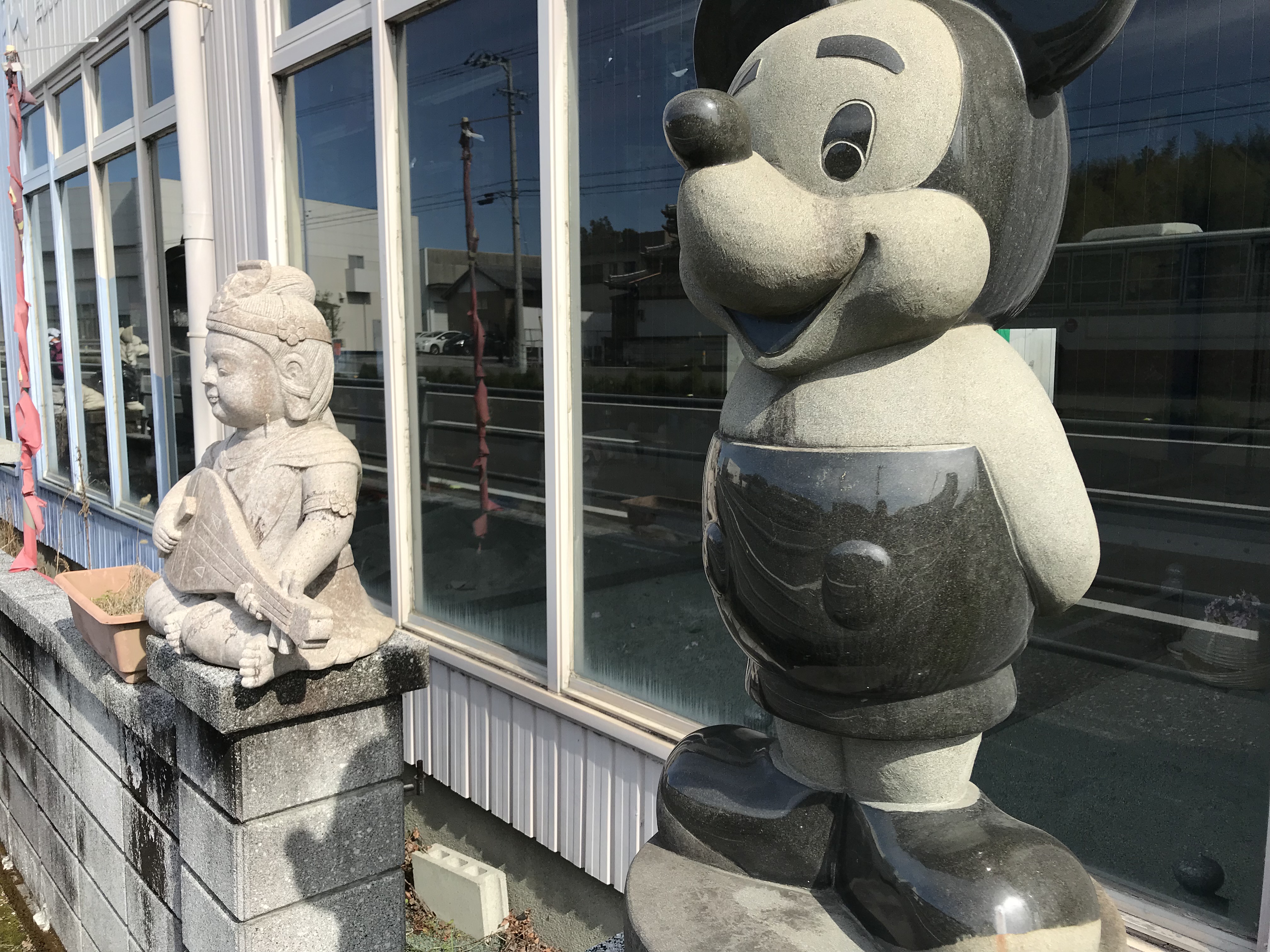
The first are the tofu choices. You think that we have choices between brands? I then passed a recycling center. Ever wonder what happens to those cans after you toss them into those blue bins? I could not resist recording my first sighting of a 100 yen shop. Given that the yen to dollar exchange rate is 111 to 1, the 100 yen shop is cheaper than the Dollar Store! How about having a granite effigy of MM in your backyard?

1001 Tofu
Jasper Johns? No, a Ron Yoshida
100 Yen Shop
MM and Friend

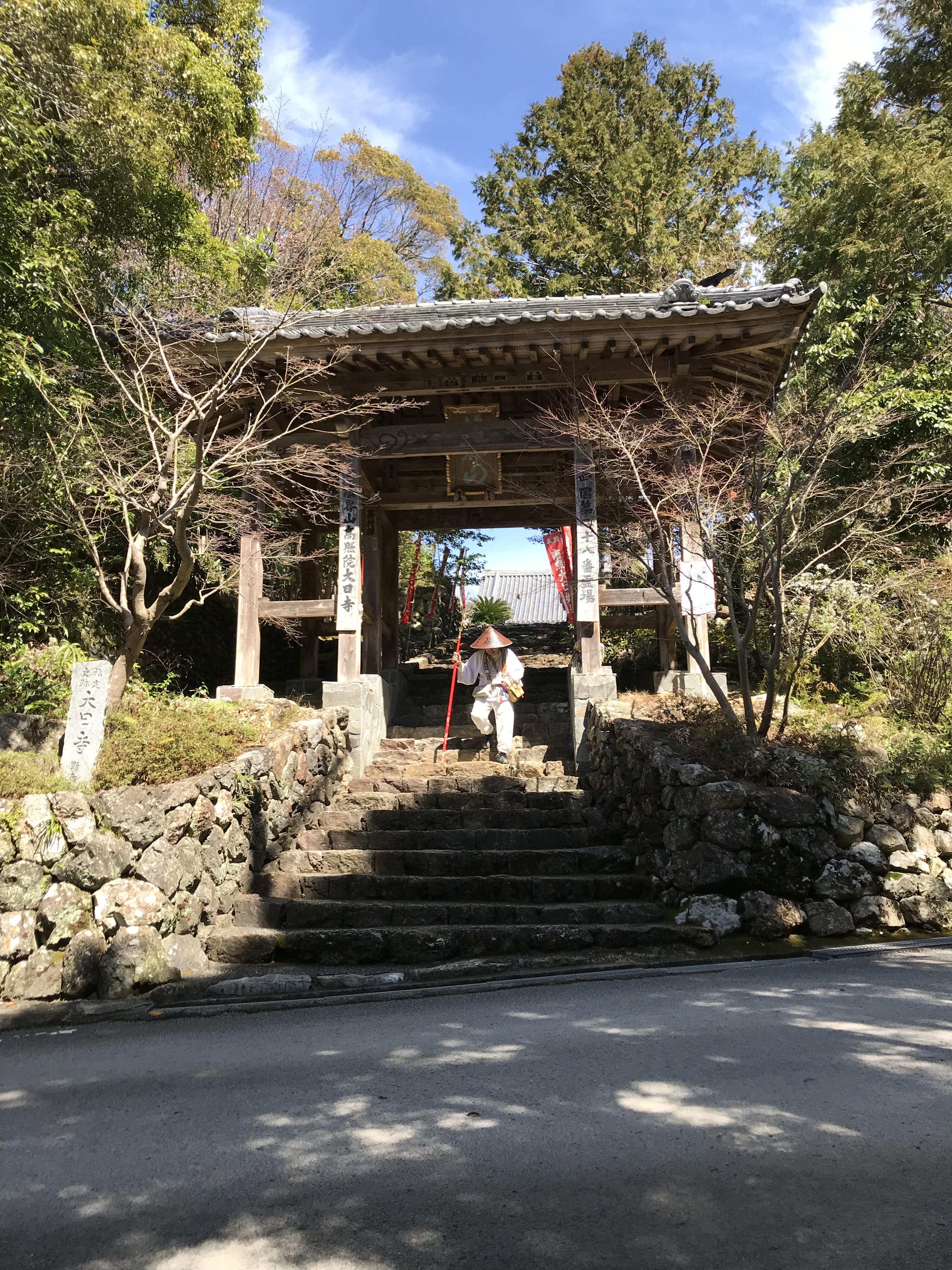
Back to Temple 28. When you think that you caught a break in walking flat ground, here comes another steep hill and then more steps to climb to the temple grounds. Here is a henro leaving the temple. He came by car.

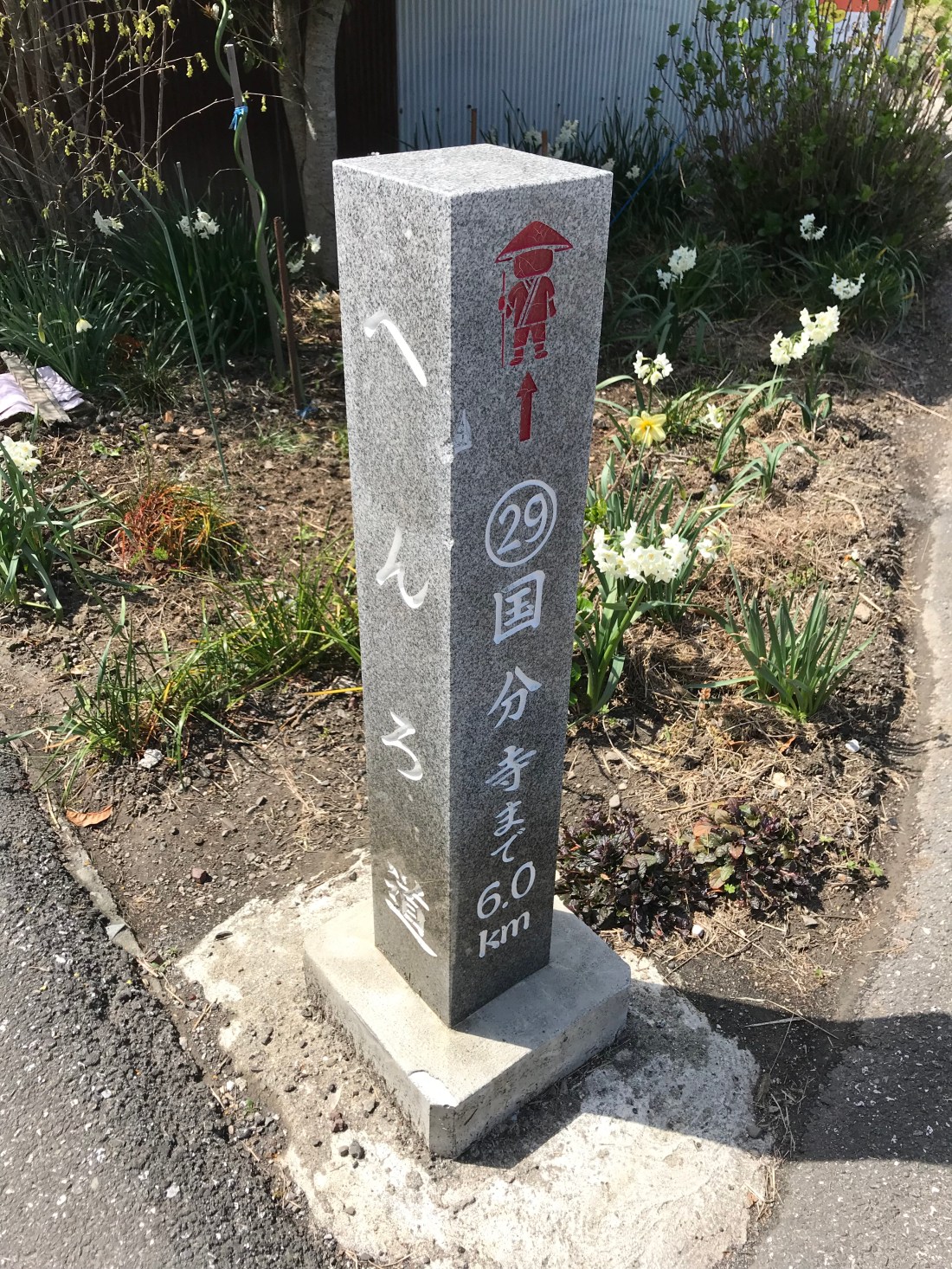
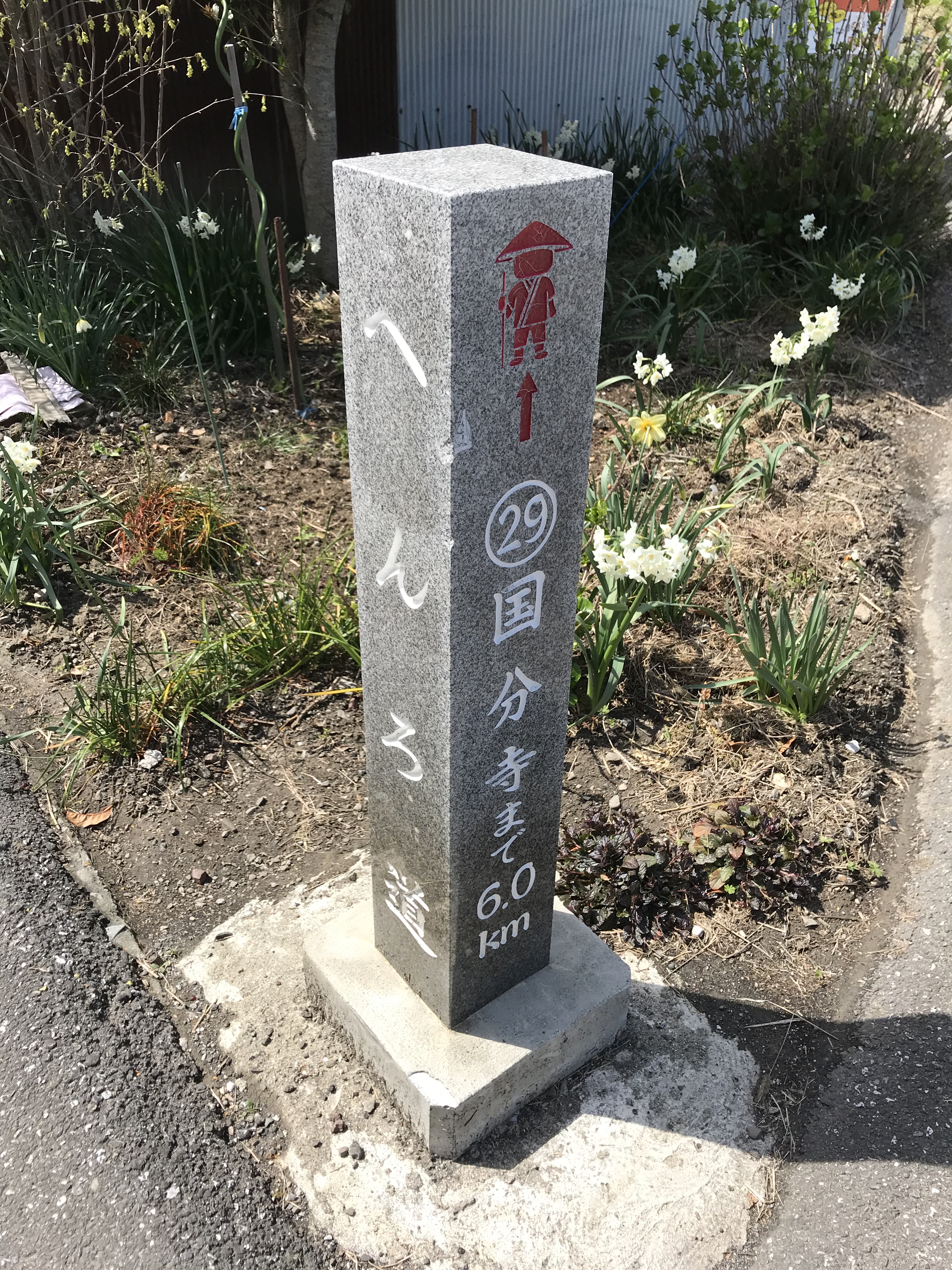
Fortunately, the trail from Temples 28 to 30 and finally to the hotel was flat. Here are some images of Japanese Vegetable Garden.
Henro Trail Marker
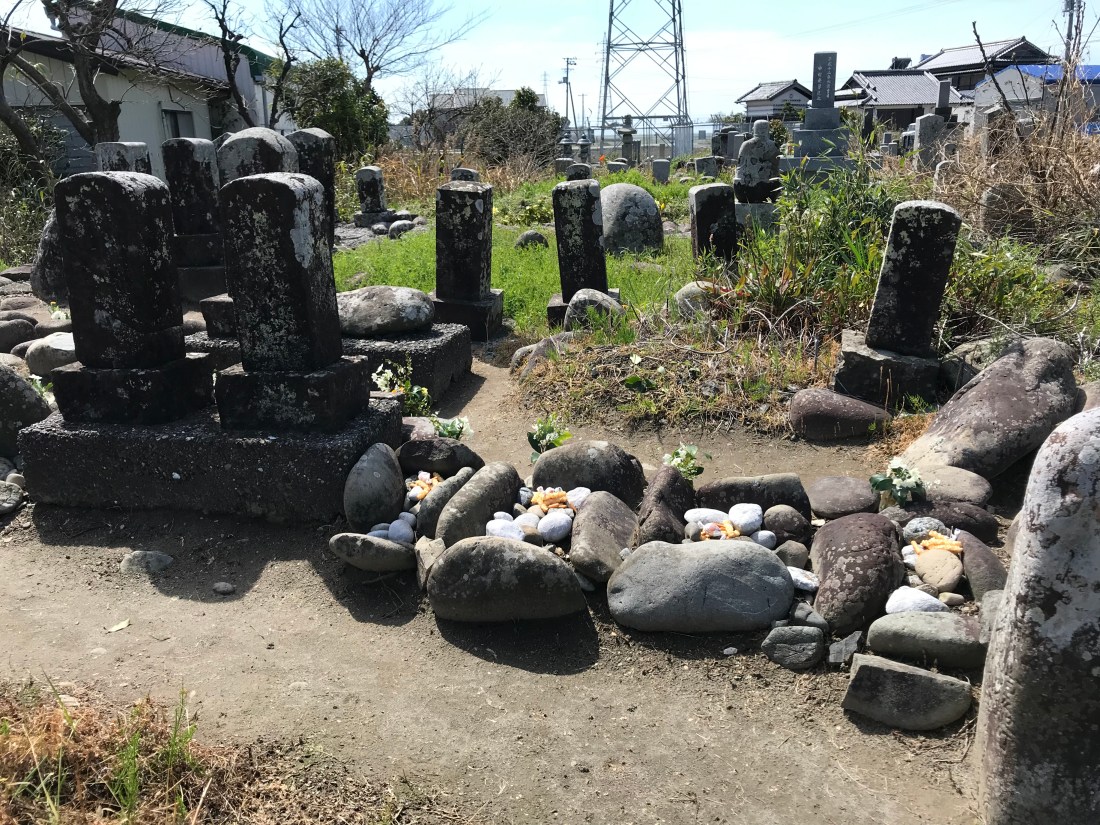
Cemetery With Food For The Anscesters
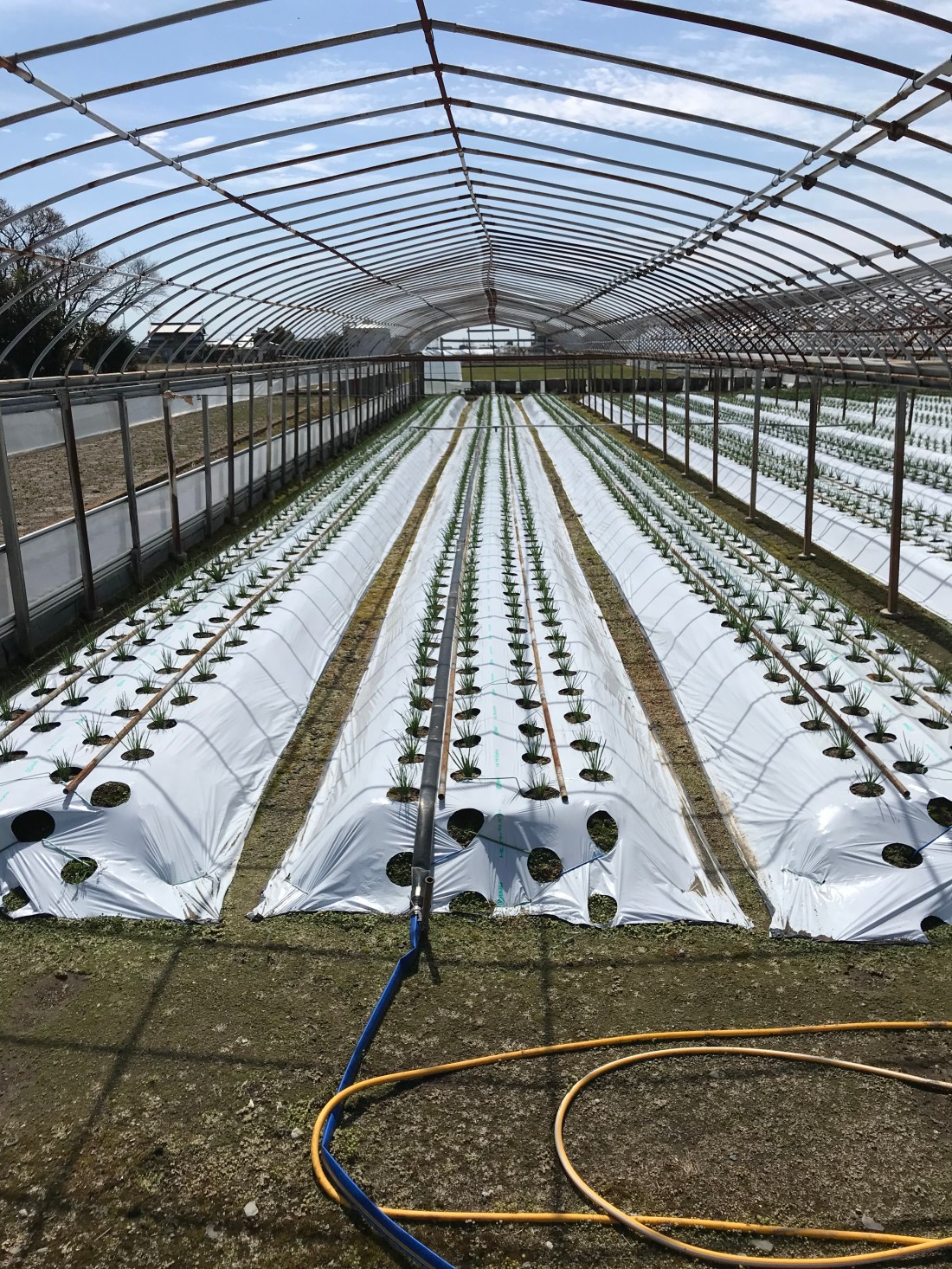
A Greenhouse Uncovered
Shrine in the Fields
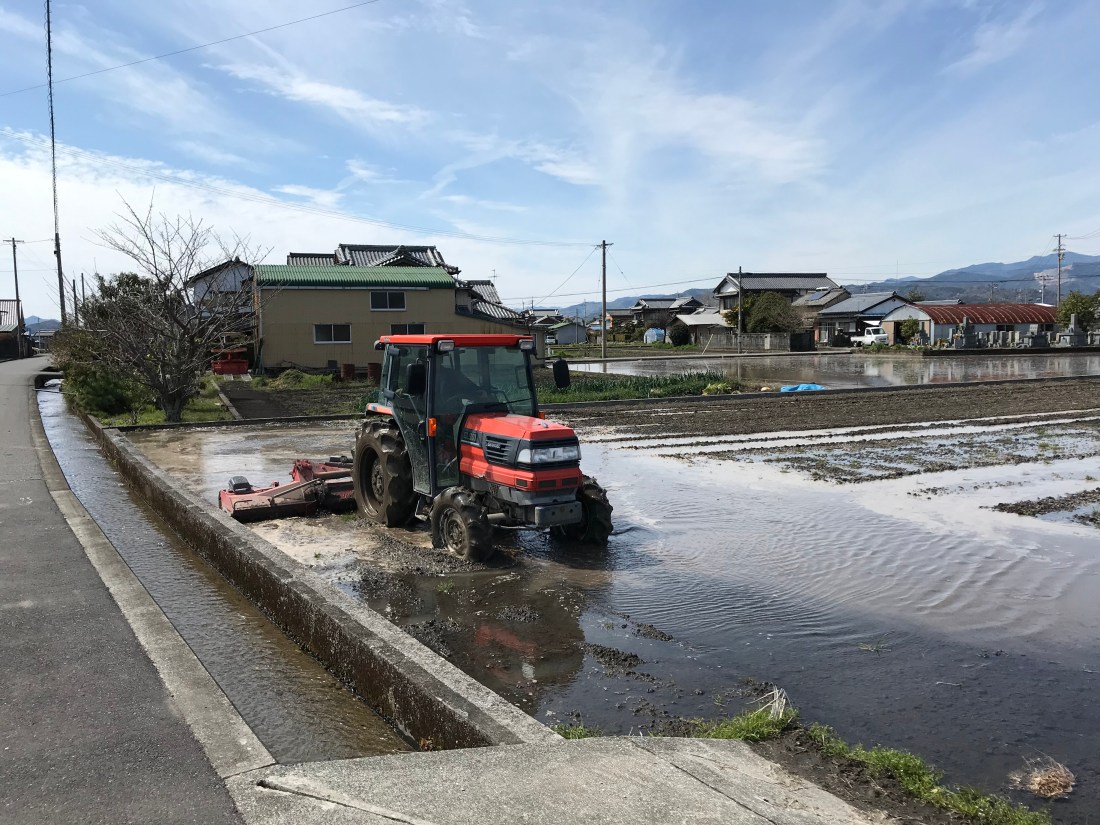
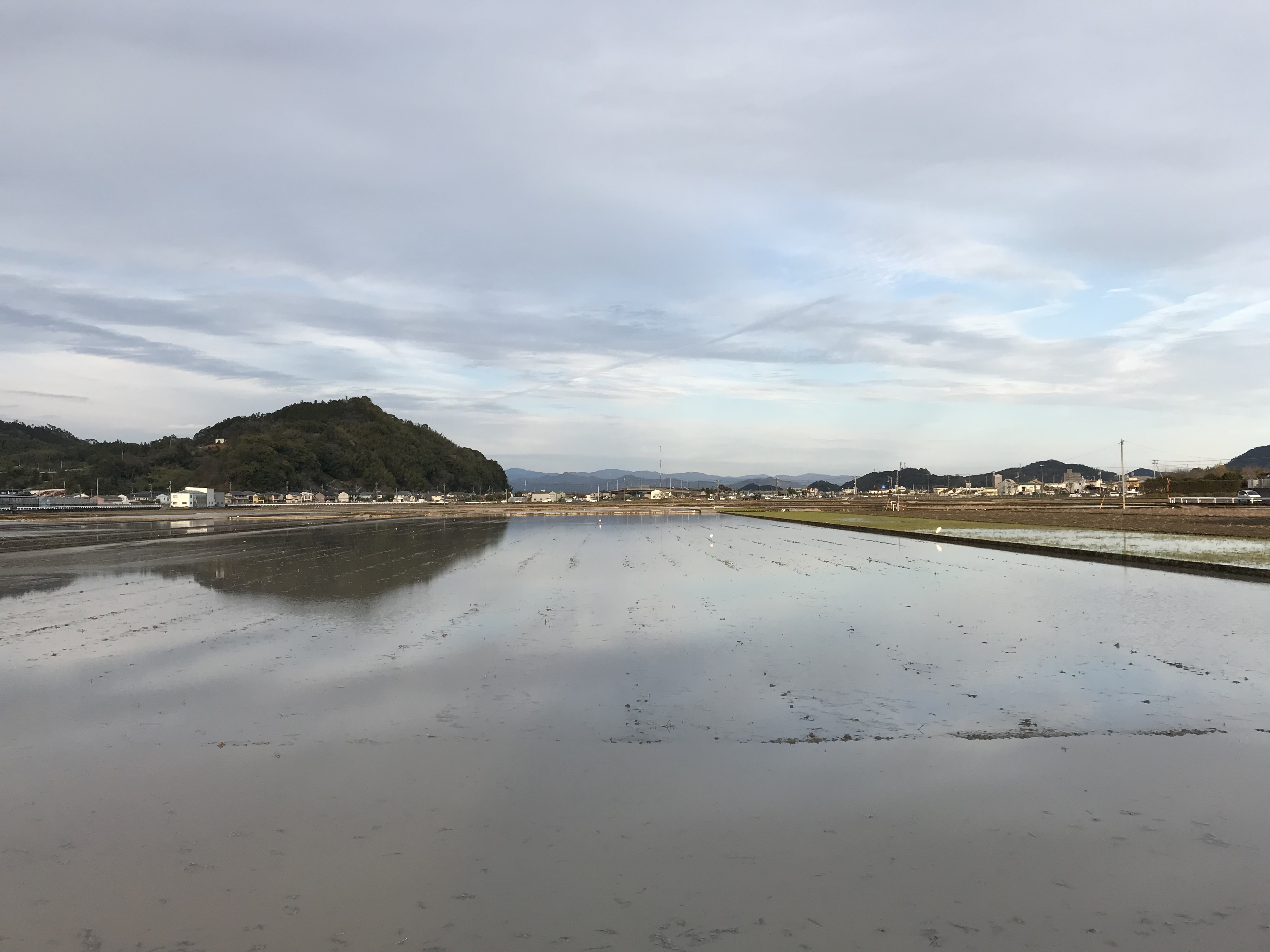
Preparing Rice Paddy
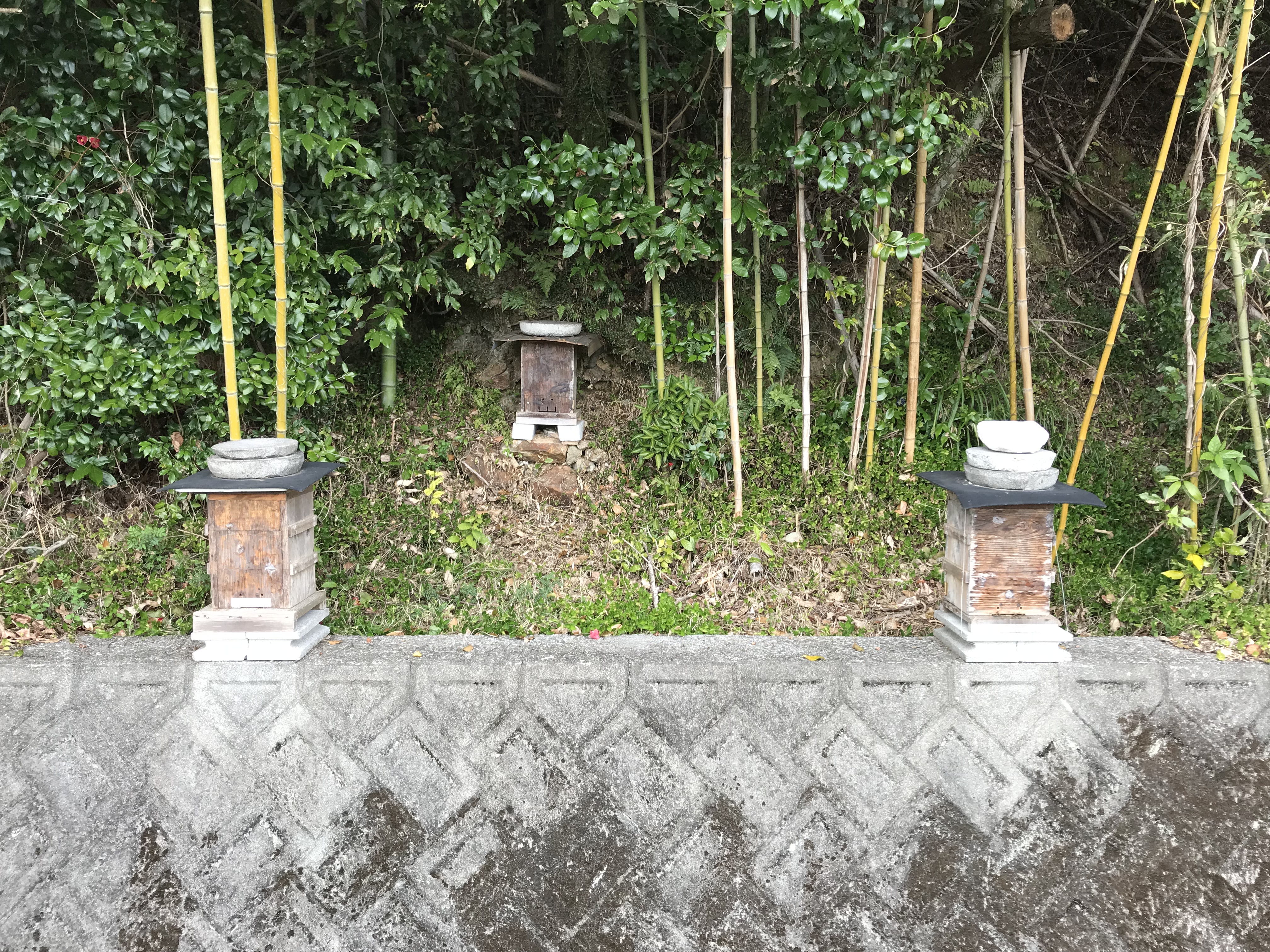
Beehives By The Road
Kochi Rice Paddies
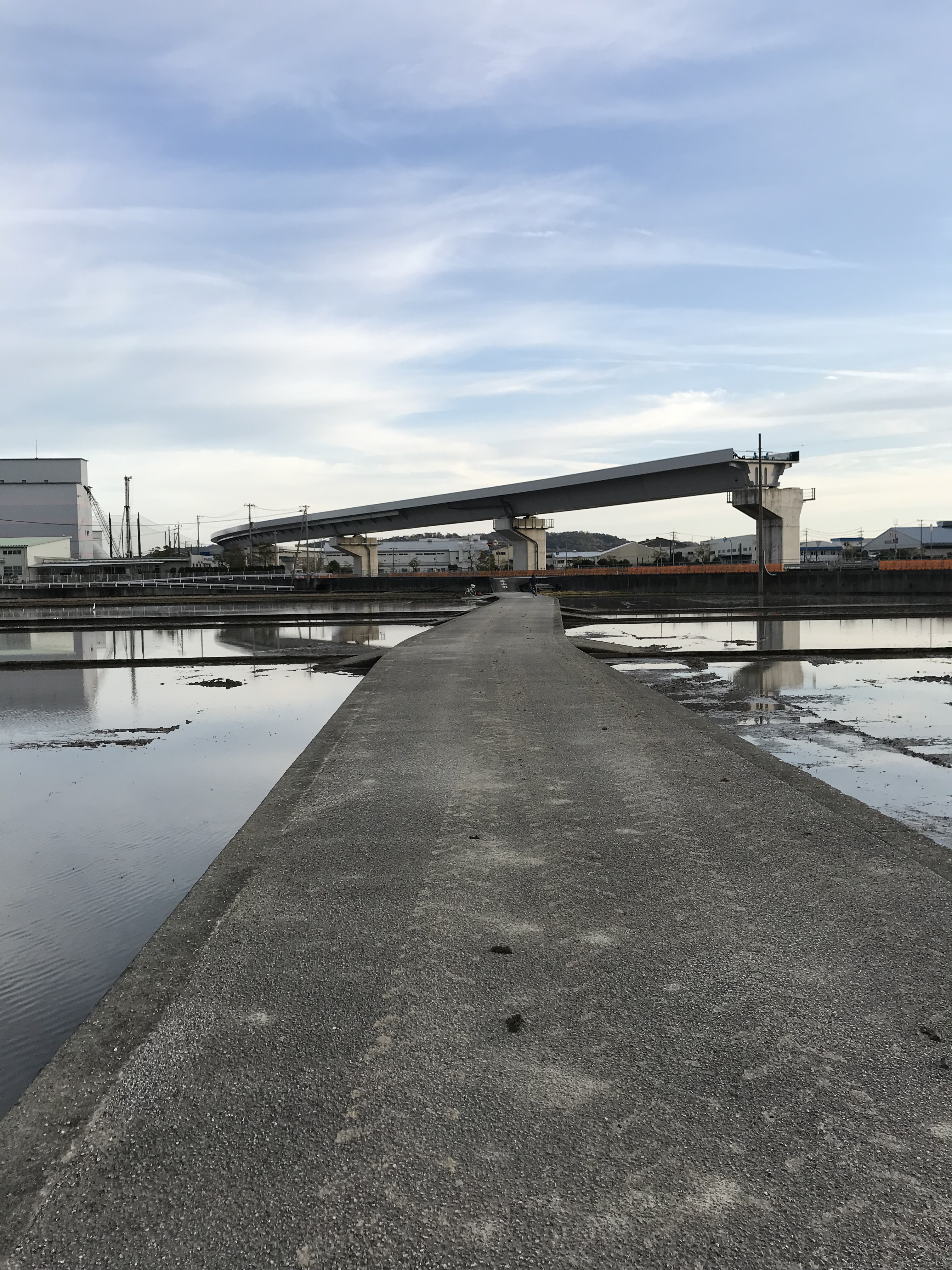
Unfinished Urban Structure

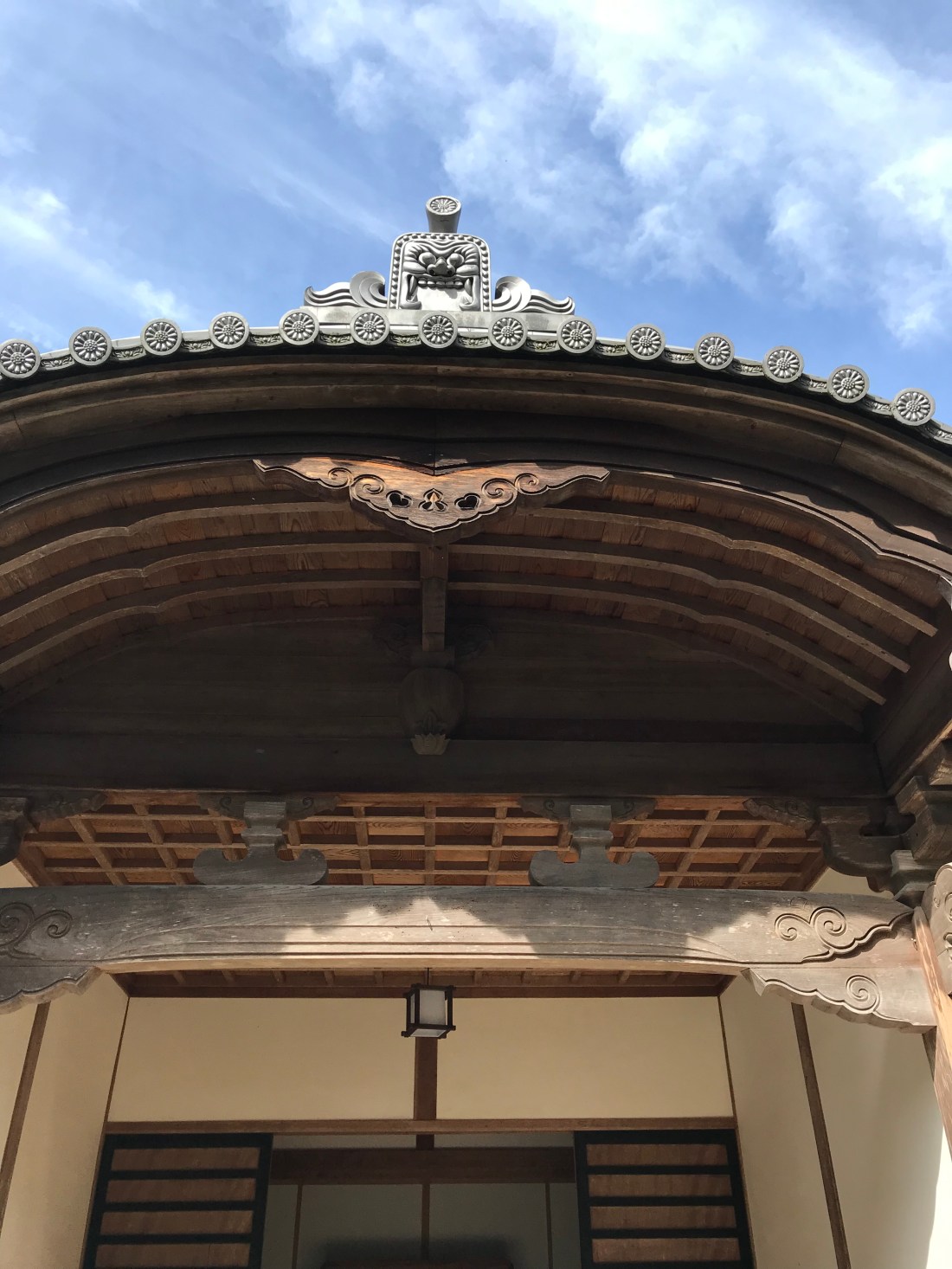
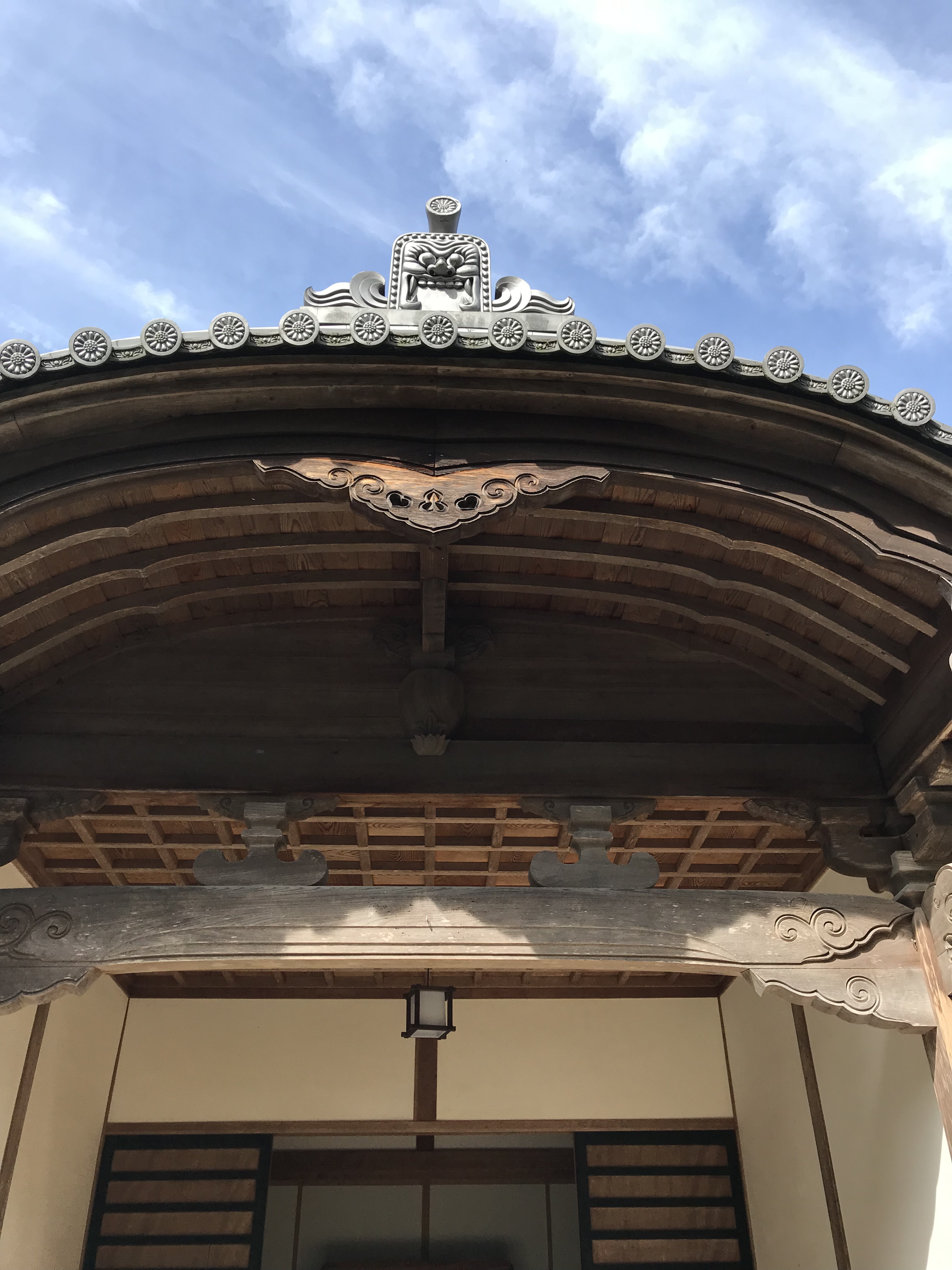
I seem to emphasize topics and images that unrelated to temples. A henro’s time is less than 1% spent on temple grounds. We are also living daily life confronted with what we encounter “on the road.” These experiences are assimilated along with those moments of facing the hondo with our hands clasped. In my opinion at this moment, is how we generalized that spiritual moments at the temple into our seemingly mundane and routine lives. I leave you with images from temples and a Shinto shrine.
Hondo, Temple 27
Buddhist Temple and Resting Place For Henro
Think Before You Enter
Temple 30 Hondo Towards Sunset

Day 16: Another Walk in the Rain (19 March 2019)

7 AM. No temples today. Time to start another walk – my second in the rain. The first occurred during the awakening phase. Now, I am in training. I hope that these exercises are few and far between.
Aoyama-san and I walked 17 miles, almost all in steady rain. Before this pilgrimage, I don’t think that I walked in the rain further than from building to car. I took days off from training when it rained. Now, it seems natural though my fellow walkers and I would prefer dry weather. The weather is what it is and we have to make progress along the path. Below are photos of Monique (Joseph is waving in the background – today was his 64th tanjobi birthday, Ayoyama-san, and moi in our rain gear.

The rain creates its own mood and beauty. We stopped several times to take photos. The first is of the mountains near Aki City during a momentary break from the rain. The other was taken from the overlook at the Akano rest area. The final image was taken at sunset from the second floor dining area at Sumiyoshi minshuku (a small Japanese inn) after the rain had cleared.

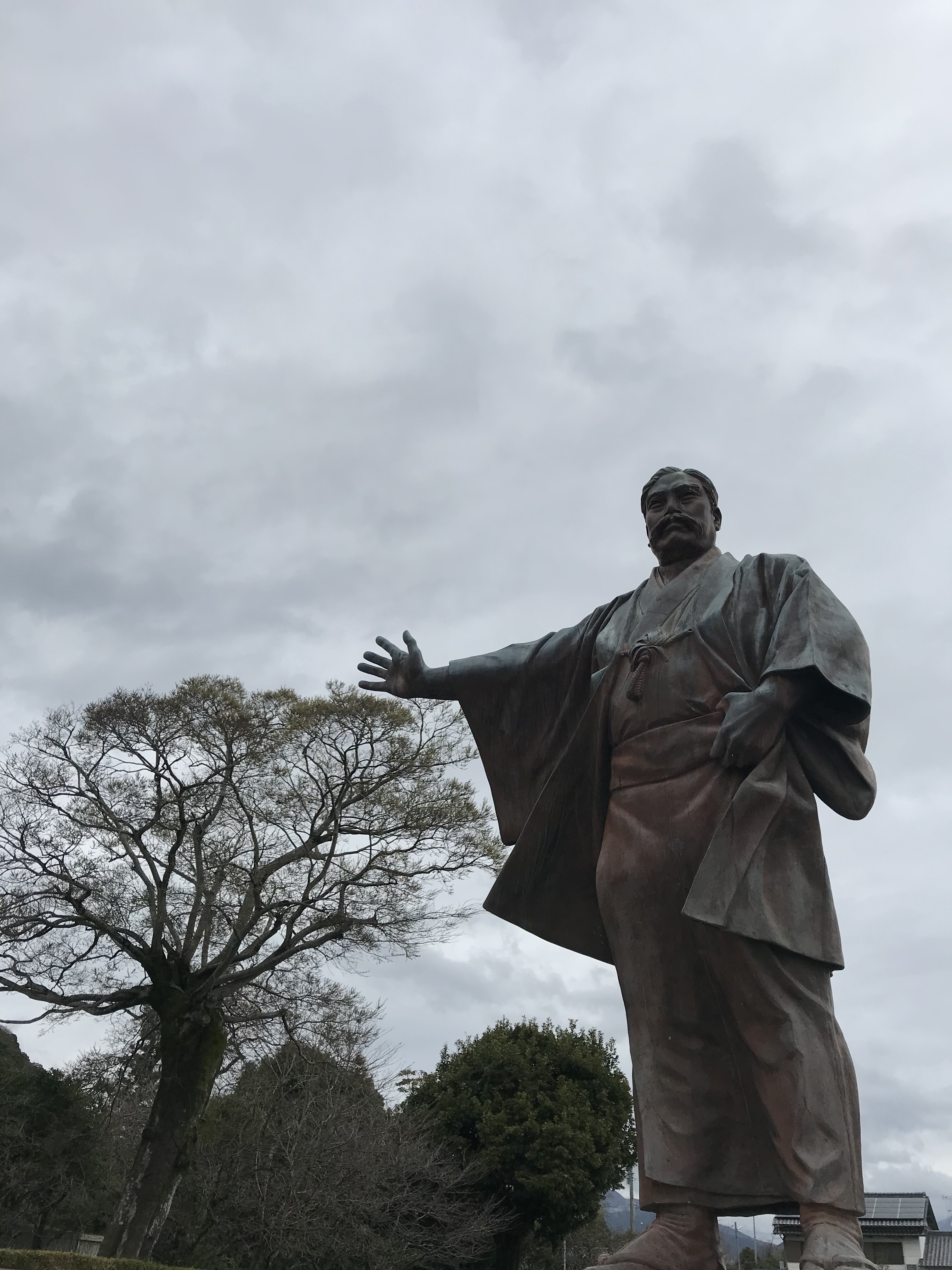
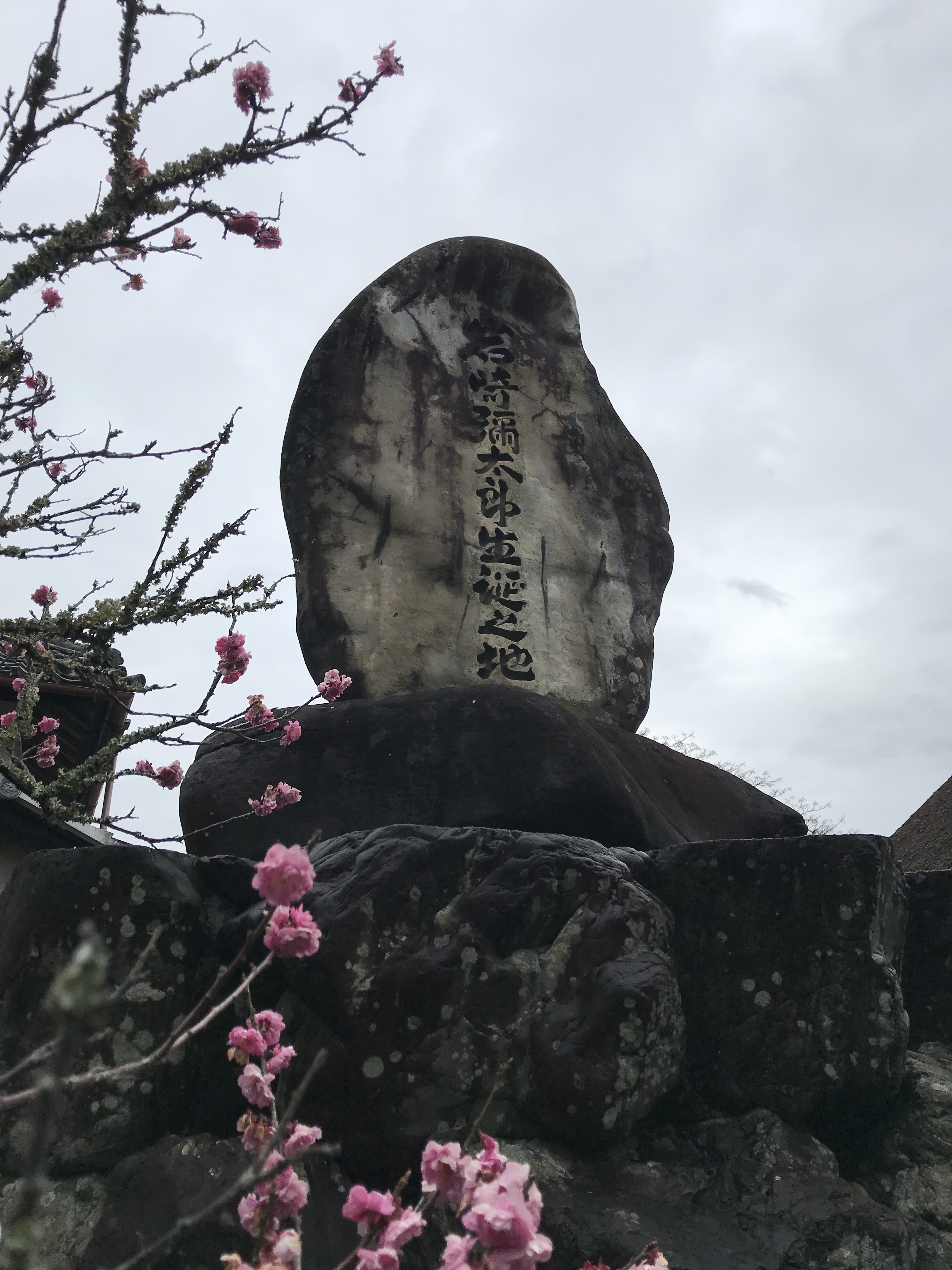
We also took a small detour to visit the boyhood home of Iwasaki Yataro who was the founder of Mitsubishi. This company was one of a handful of companies that built Japan during the Mejii period. These companies were labeled zaibatsu; they were essentially monopolies that eventually helped support the WW2 war efforts. Germany had similar all encompassing corporations such as Krupp and IG Farben. Here is a statue of Iwasaki, his thatched roof boyhood home, and the rock memorial to him. He lived only 51 years.

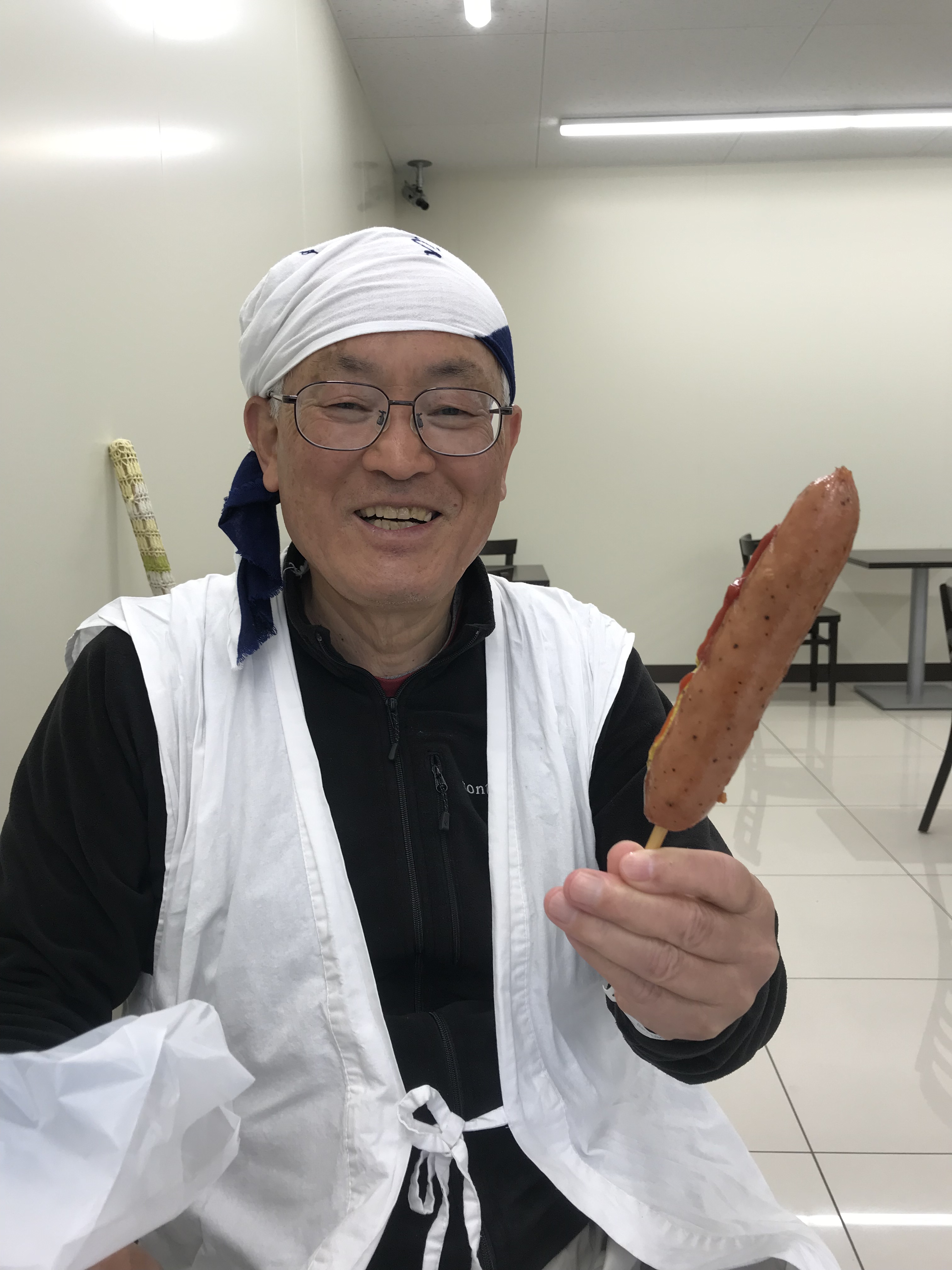
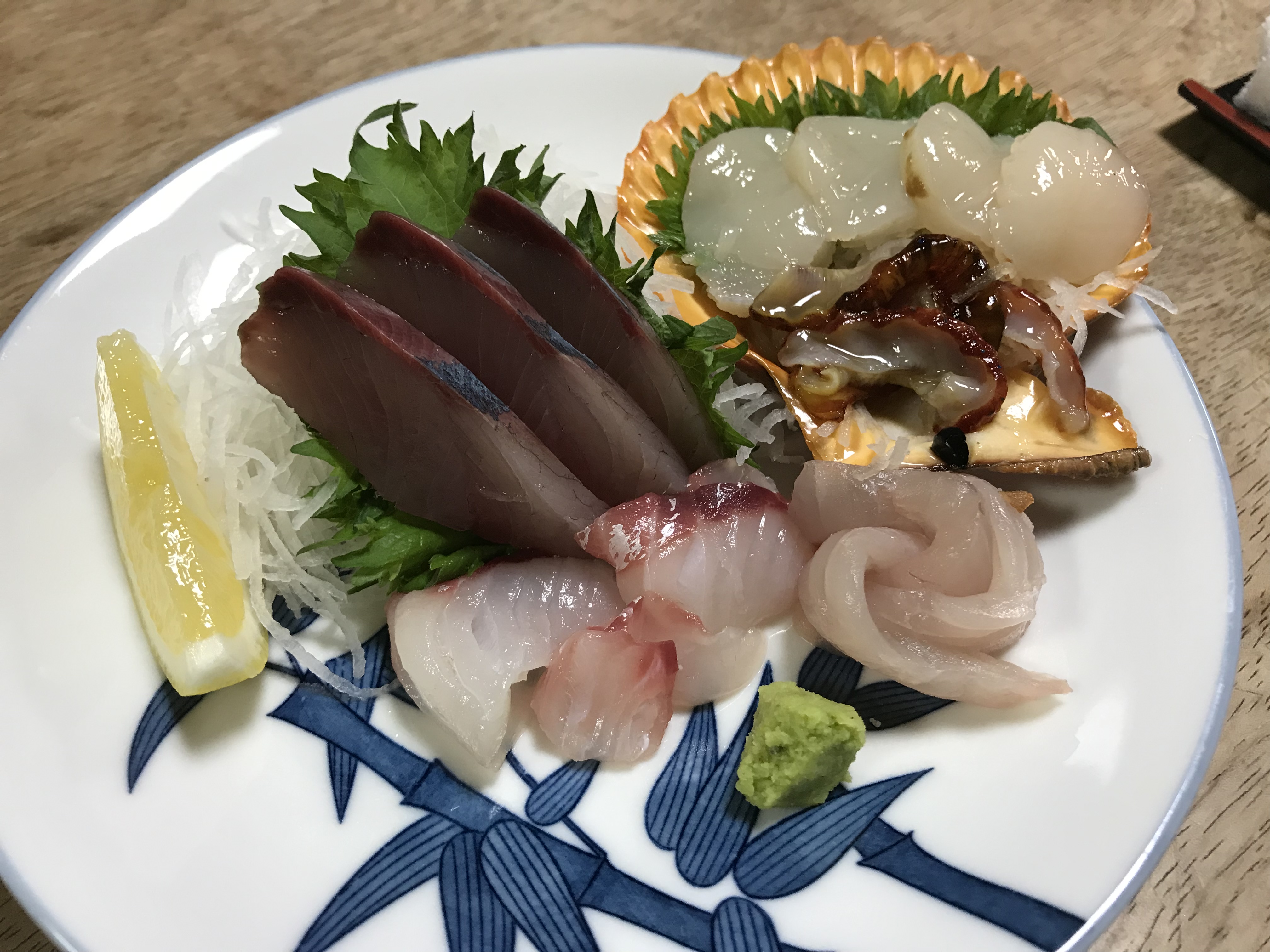
After 10 more miles of walking and a brief stop for lunch (that’s Aoyama-san with a hot dog), we arrived at our minshuku. This one is located right next to the beach. I forgot to mention that several of these minshuku have washing machines available to o-henro. I have taken every opportunity to do laundry. We ended with another fine dinner; we had many more dishes than just the sashimi that is pictured. Every minshuku has a yukata and obi ready for each guest. Surely beats camping on the Appalachian Trail!

Another days ends. I did learn some very useful survival words. How do you say: small, medium, or large when ordering coffee or tea? The answer: sho (small), chu (medium), and dai (large), followed by onegasimasu (polite form for please). But one can’t say, chu shitai. That means, I would like to kiss you. Thanks for the heads-up, Ayoyama-san.

Tomorrow, 18 miles to enter three temples (28, 29, and 30) and Kochi City.

Day 15: Yutanpo (18 March 2019)

Last night as I slipped under my futon, I felt a very warm object similar to a rock by my feet. What was that? For the first time, I had hot water bottle warming up my bed.

Ayoyama-San had a water bottle in his bed. He said that putting that water bottle under the futon was an act of yutanpo, hospitality towards a guest beyond the usual.

Japanese homes then and many now do not have central air. Space heaters are the favored method of heating. Although better than nothing, space heaters may not adequately do the job. Hence, the water bottle.

The home that we stayed in was a traditional Japanese home built 85 to 90 years ago. Think of the sets for samurai movies and you will get a sense of such a home. It was a privilege to have stayed in one. Here are some photos of the home.

It was time to go and begin what became an 18 miler. We passed by a gas station where a farmer had just filled up his tank.

We passed a Shinto shrine where locals pray at for a good fishing season and for the fishermen’s safety. BTW – shrines abound everywhere in Japan.

After 12 miles, we completed a 6 mile hike up 1500 feet to Konomineji Temple 27. When we arrived at the sanmon (mountain gate), we found that we still had over 100 steps to go before reaching the hondo. We made it to the top, said prayers, and had our books signed. This temple was certainly one of the most beautifully set that we have seen.

Back to the inn for dinner and o-furo. Tomorrow’s another day with rain in the forecast. A 15 miler ahead.

Day 14: From the Physical to the Metaphysical (17 March 2019)

Happy St Patrick’s Day from Hotsumisakiji Temple 24, Cape Muroto, Shikoku, Japan.

Two weeks on the road provides a good moment to reflect on this journey.

My physical condition is about what I thought it would at this point. Fourteen months of walking around town, up and down Mountaintop, and to Coopersburg laid a good foundation. I did hurt from Temple 1 to Temple 22 from blisters and from carrying my man bag plus the backpack – about 12+ pounds. Now, the extra weight seems routine and my feet feel fine even after a 12 mile day. An 18 miler is still tiring and never again a 24 miler. That was simply, baca desho ka (that was really pretty stupid, no)?

I have commented before about how much I have enjoyed the local food. Everything has been delicious and at many times first-rate. Joseph from France said to me after one dinner, the dining was comparable in taste and presentation of a one star Michelin restaurant that he and his wife ate before he came to Japan. The dinners in the ryokans and temples are one seventh the cost of a typical Michelin one-star. From ramen to unagi (broiled eel), you can’t beat the quality to price ratio. Here I am with my beer waiting for my chirashi (sashimi bowl). The fellow in the photo couldn’t be happier. Thanks to all the ladies who have made the many meals that have sustained this henro.

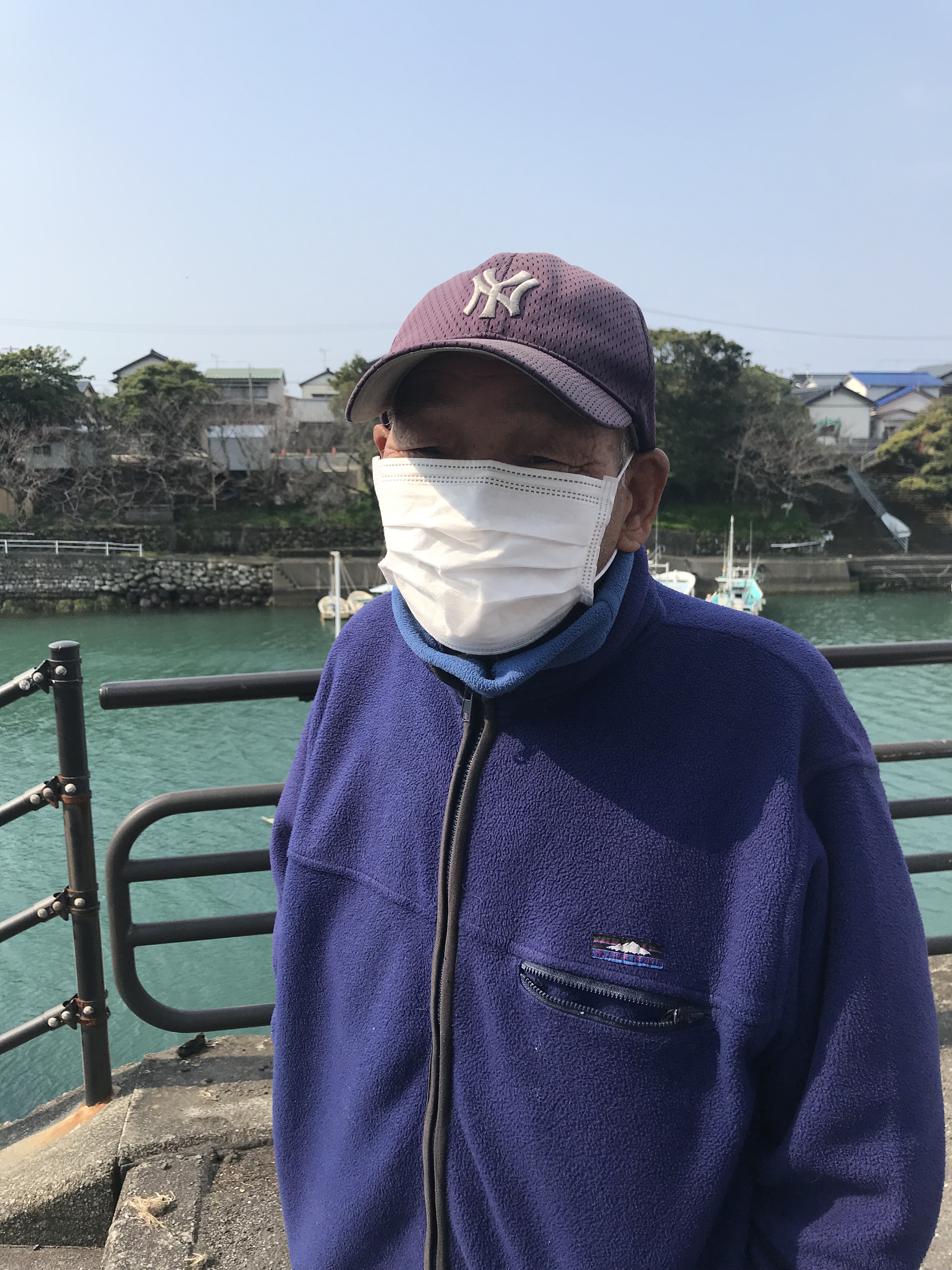
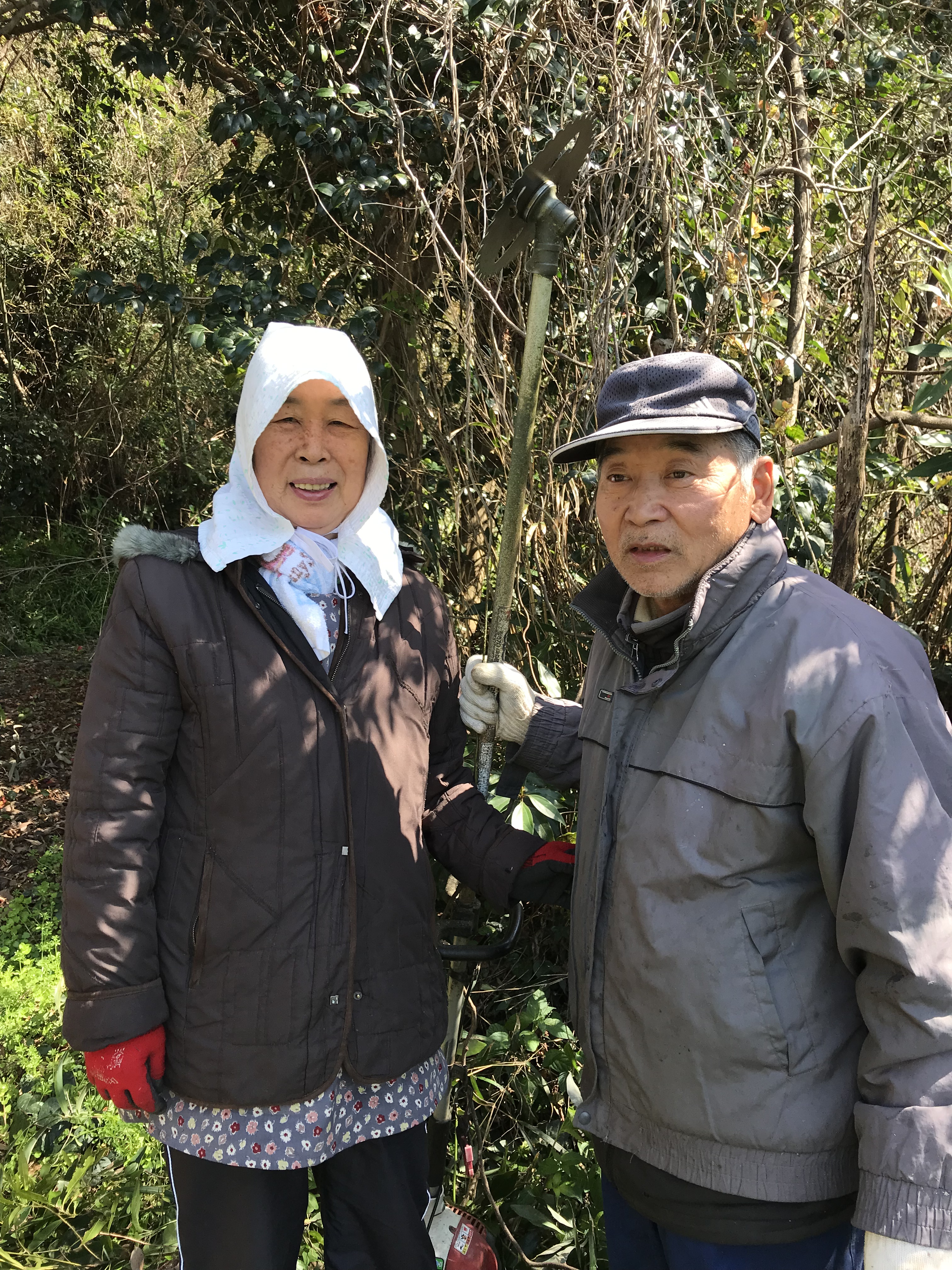
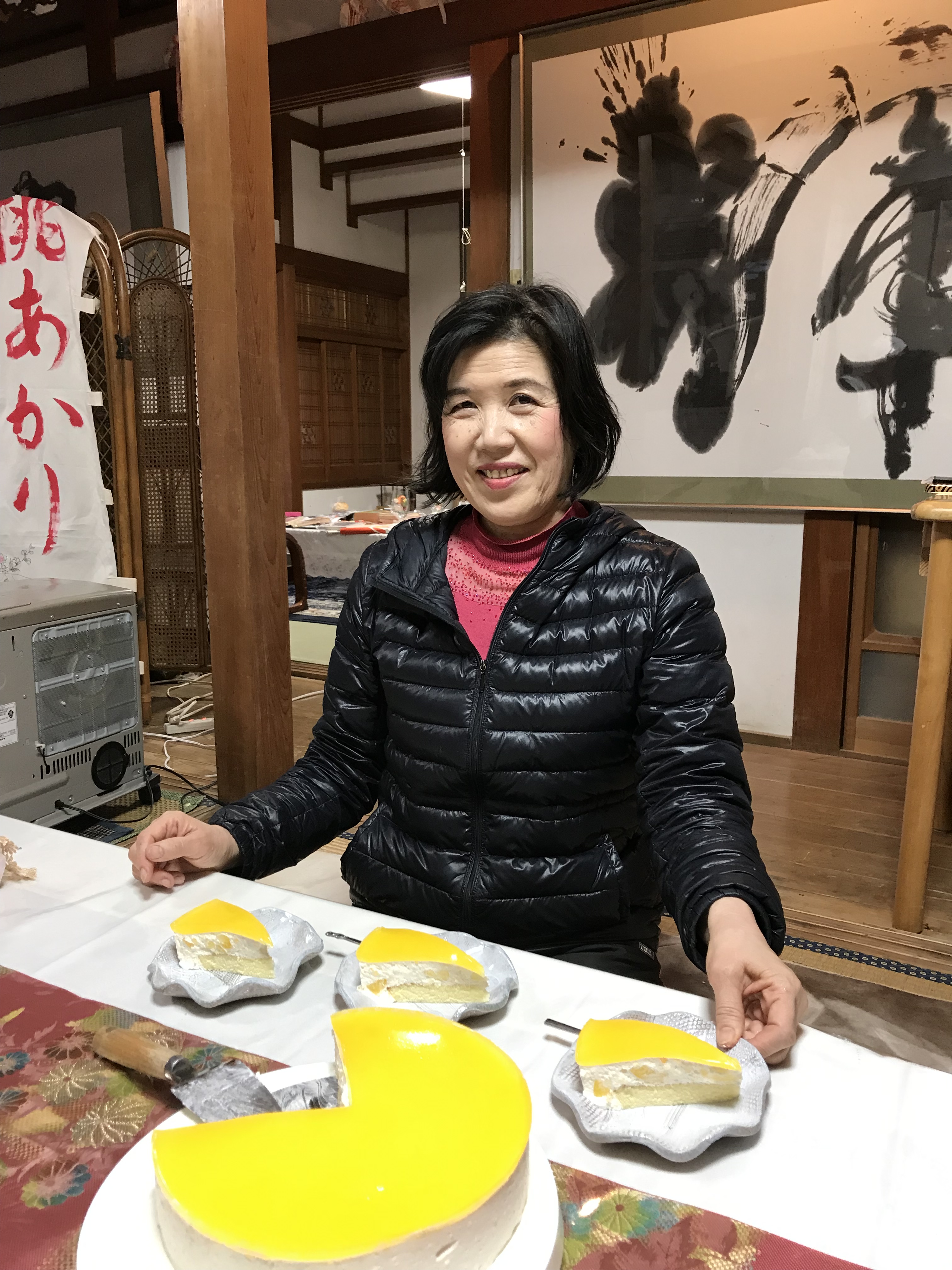
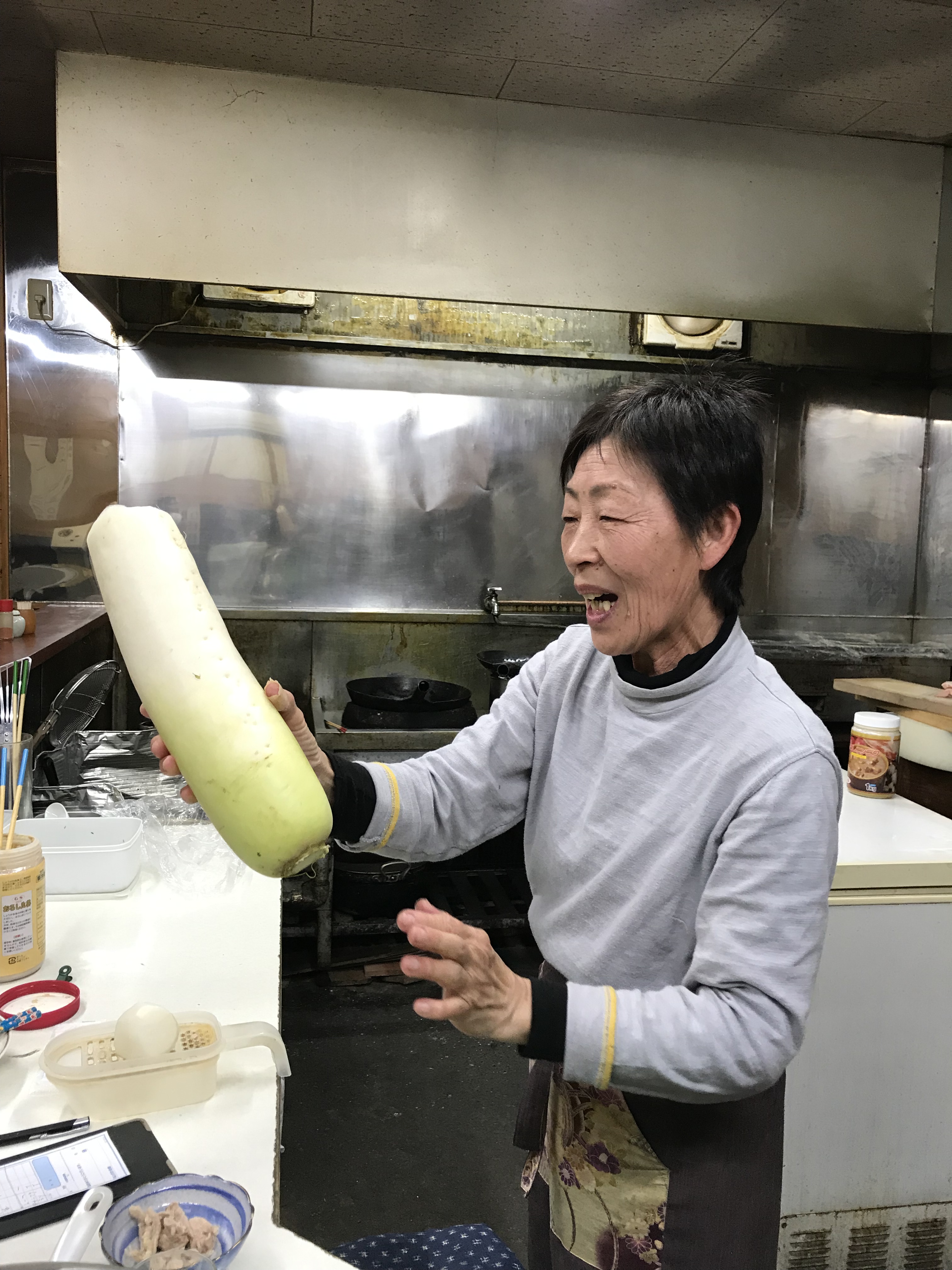
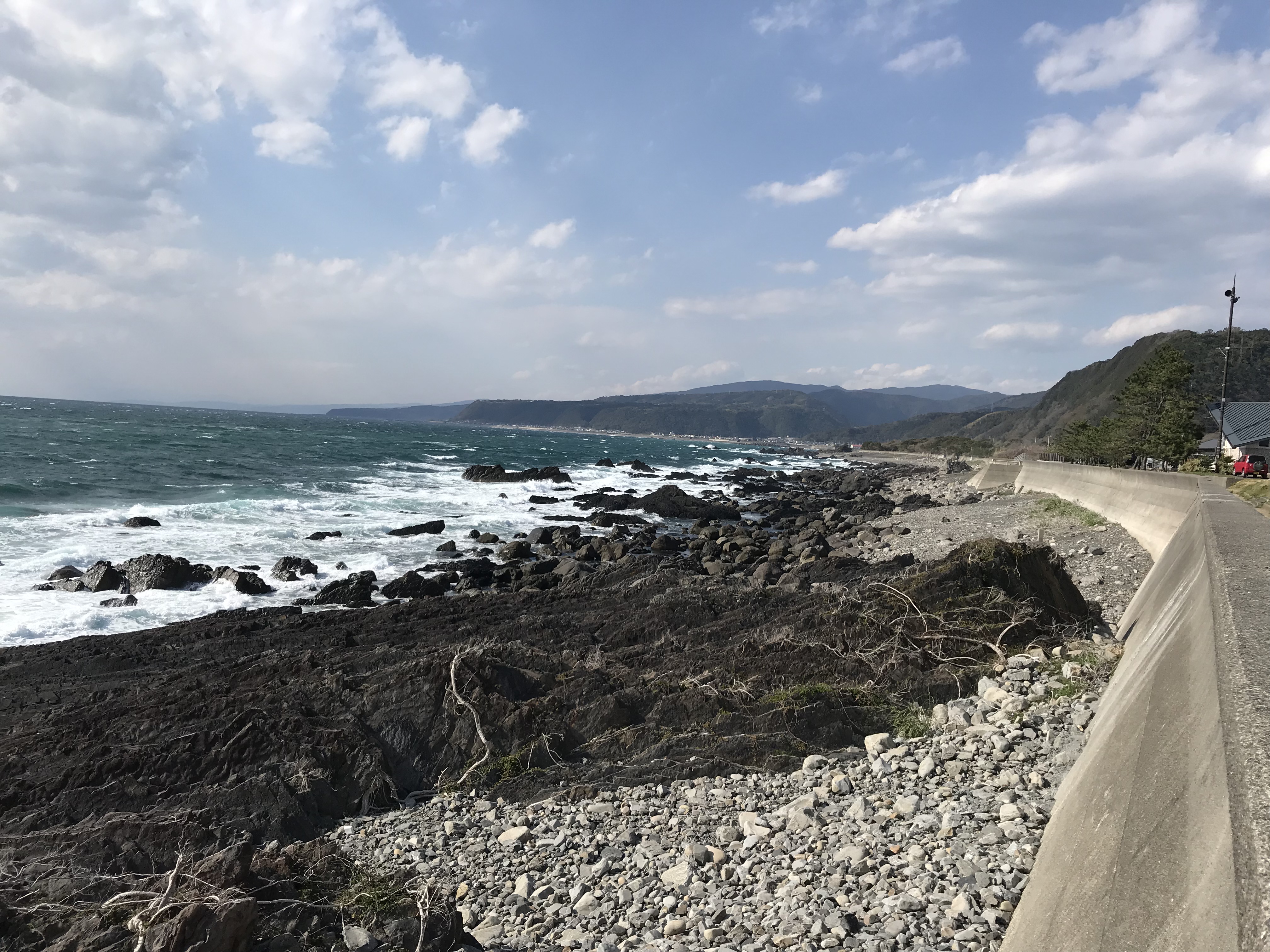
On the cultural level, walking allows one to stop, see, and talk with people up close and personal. Today’s walk took us to a fish market where a man was preparing marinated mackerel, by fishing boats where a fisherman was wearing a Yankees cap — sorry no Red Sox caps seen yet, by a beach where a surfer was preparing her board for a ride on the waves, by a fruit orchard where we stopped to talk with a farmer couple, in an artist’s studio who offered us a special fruit cake and coffee, and finally at a ramen shop for dinner where our cook was holding a supersized daikon that she was about to slice and dice. Everyone has been so gracious and accepting of this camera toting American sansei.

I have commented before about how much the people I have encountered remind me of my family. I feel suspended in time because I am transported back decades to situations that I experienced in my childhood and early adulthood. I am a close cousin of the people in this land, not a distant relative.

Last night, I had my best sleep of the trip. I don’t believe it was because I have finally overcome jet lag or that I was exhausted. I think that I had dealt with or set aside issues that were playing on my mind. Where will I sleep the next night? Will I be able to climb the next mountain or walk 18 miles? What will I do during the extra-long Golden Week at the end of April when the emperor retires? Those issues are gone — for the moment. Indeed, where to sleep the next night is a pre-occupation of the henro. However, rather than project every issue into the future, I am thinking so much more in the present.

I mentioned that although the temple experience is moving, the real spirit of the pilgrimage is in its people and our place within nature. The small acts of kindness have been unexpected. I did not mention the driver who stopped next to us on a lonely stretch of Route 55 to give us a pastry akin to a Twinkie.

My time with Ayoyama-San has been precious. I am learning more Japanese words and because I am with a Japanese person, I am able to be part of interactions that are unknown to most foreigners. How much richer is this experience than being on tour alone or with non-Japanese people? Talk about up close and personal. Here is Ayoyama-San interviewing the owner of the inn where we stayed in this night.

We have also shared stories of our lives that have brought deep emotions to the surface. What a gift to be so connected to others. Ayoyama-San and I agree that each act that we do contributes to the souls within ourselves and others. That is the essence of the struggle to reach some level of enlightenment. Unlike Kukai’s cloistered cave, the walk has opened so many opportunities to be kind and to receive kindness. We decided to take this photo when we started our walk at 7 AM. I am the shorter shadow on the right.

The walk helps me “feel” the place and my part in it. After climbing up 3500 feet, I think about a mountain differently than seeing it from afar or motoring by one. As Ayoyama-San and I walked from Cape Muroto to Kiragawa, the winds gusted to 40 mph. We felt the power, saw the trees swaying back and forth, heard the waves crashing on the beach. As spring arrives in Shikoku, we have seen beauty in vegetable and decorative gardens around homes, orchards with budding trees, rice paddies being prepared for planting, and sakura flowering here and there.

Is Kukai with us? I don’t believe in the afterlife or an outer body who “watches” over us. But walking with time to reflect, I often think that Kukai is walking with us. He beckons us to see beauty. He beckons us to appreciate life as a positive experience rather than one to be endure.

Thanks for your support and thanks for reading.

Day 13: Down to Cape Muroto (16 March 2019)

As we were going to bed last night, it hailed! What was going to be the weather tomorrow? Like Americans, the Japanese devote plenty of minutes to forecasting the weather. The TV commentator along with a Japanese version of Vanna White predicted no rain.

When we woke, black clouds were above but they soon cleared. Windy, yes, but no rain.

We decided to be prudent after yesterday. We cut back to a more sensible 12 mile walk. What we didn’t know was that we had to climb 500 feet at the end. Heads down, we managed the climb and arrived at Temple 24 – about 45 miles down the road from Temple 23.

Before moving on, a word of praise for Lodge Ozaki. Not only did we dine at a high gourmet level (see yesterday’s blog), the proprietor was attentive and very helpful in helping us plan the next segment of our trip. Five stars for Lodge Ozaki which her grandmother founded 40 years ago. Here she is.

Our first landmark was the Meotoiwa Rocks. The word means husband and wife together. Here they are bound with ropes. The photo can’t capture the sublime beauty of the rocks and the setting in which they sit.

Since we were on a “short” walk, we veered off the henro road to visit the GeoMarine Center. This newly constructed museum presents the geological and cultural history of the Muroto area. Did you know that Japan sits at the conjuncture of four tectonic plates? No wonder it is probably the most active earthquake and volcanic region in the world.

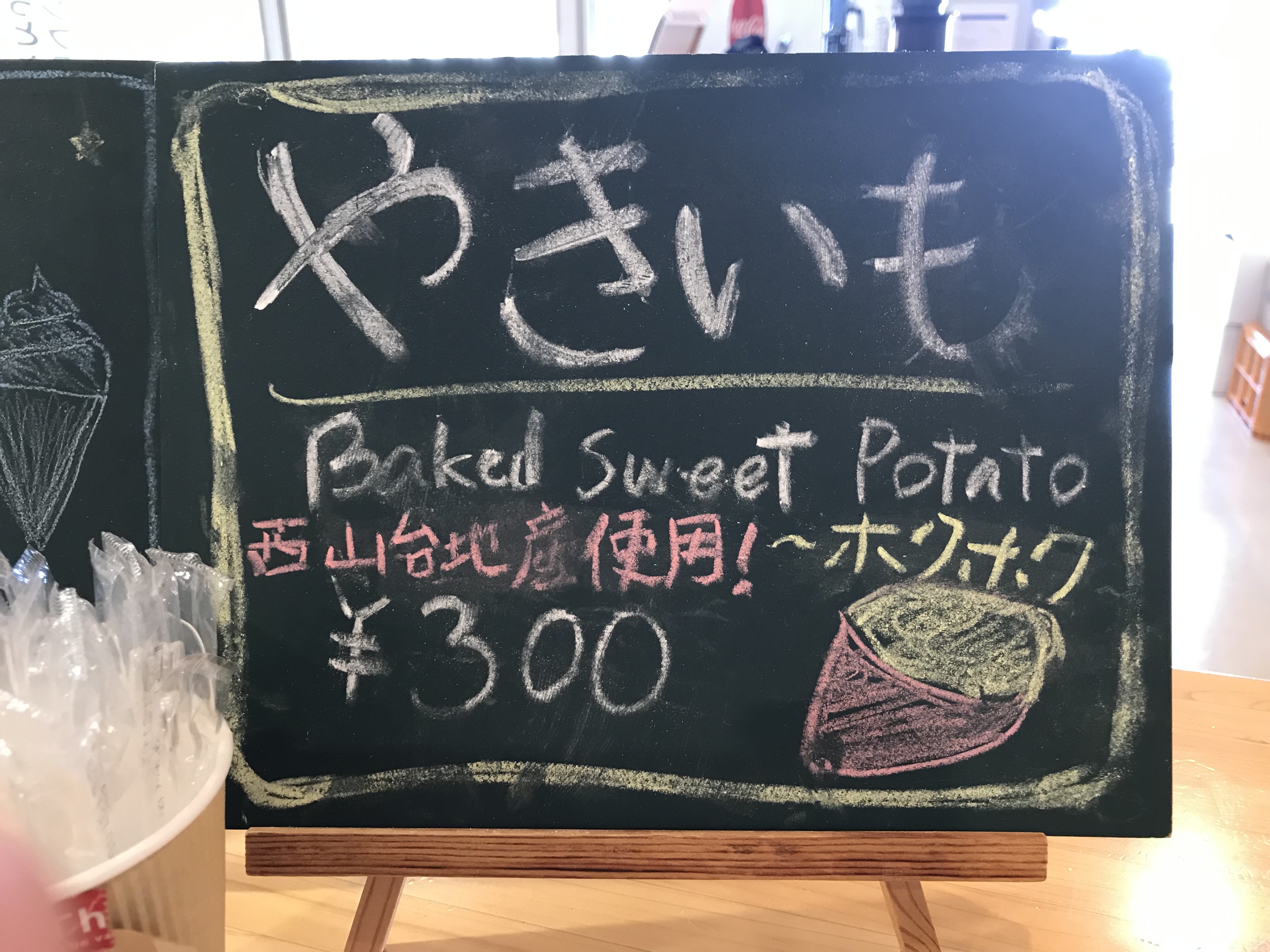
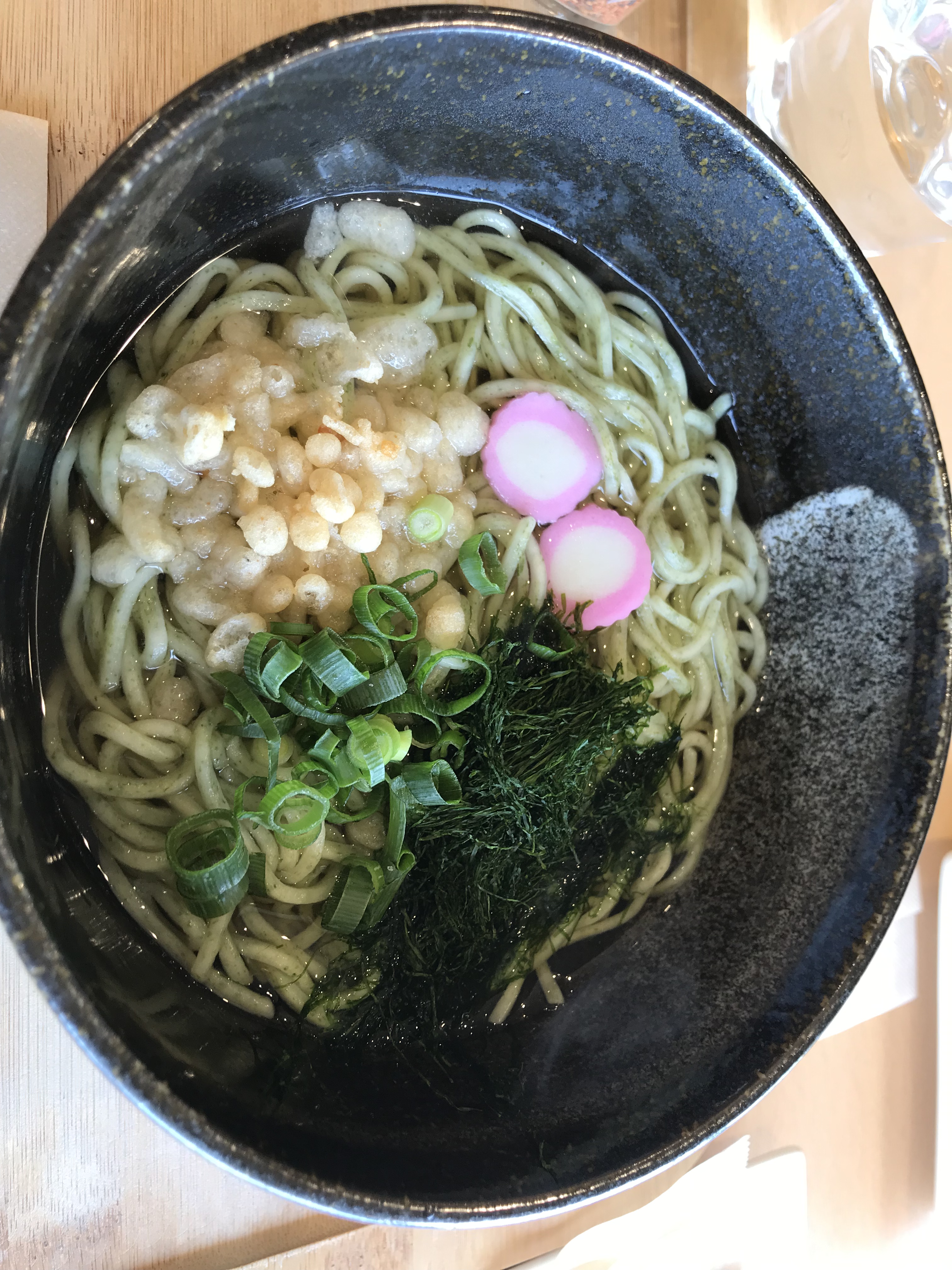
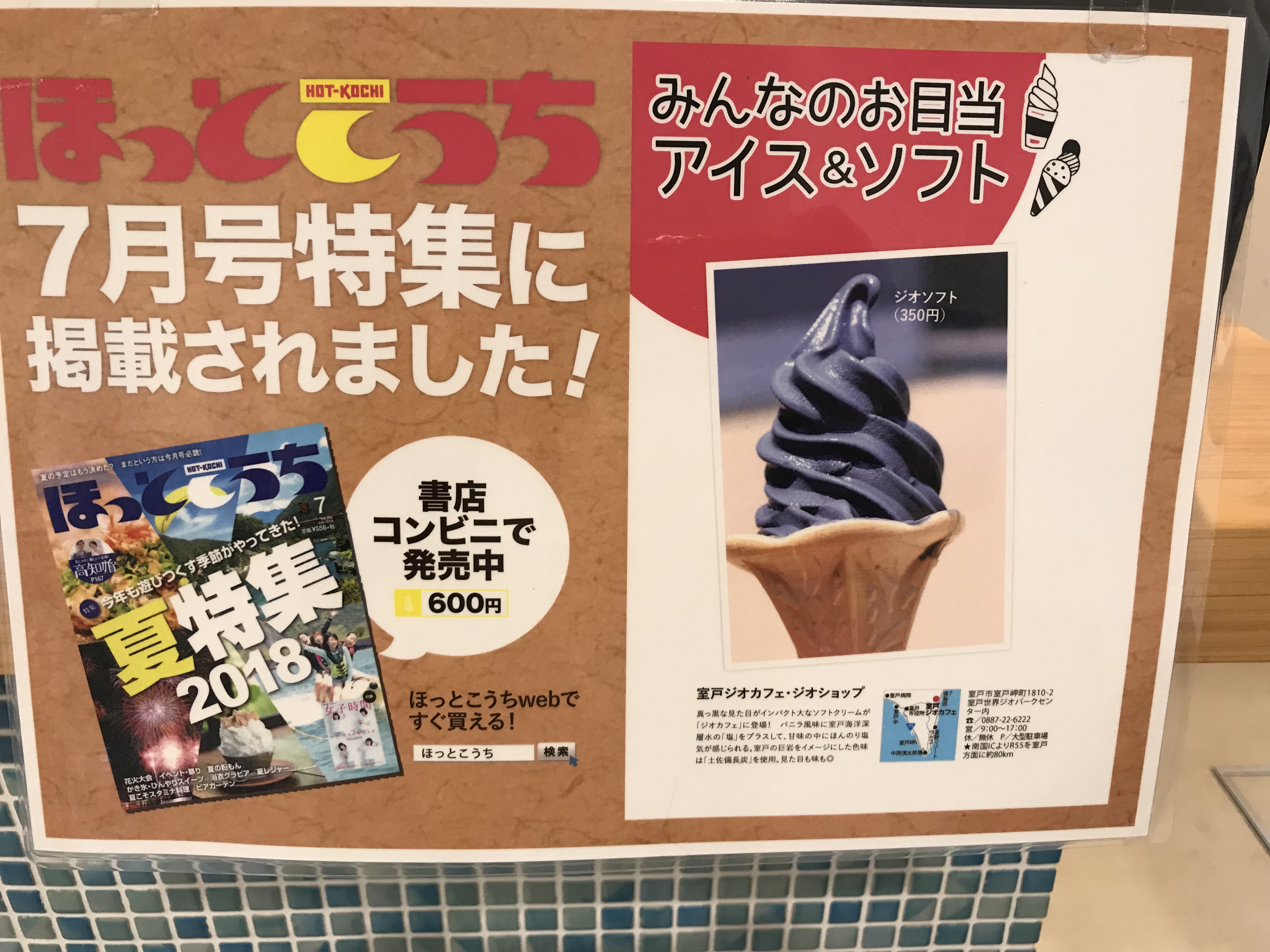
Since it was almost noon, hirugohan (lunchtime). I dined on a bowl of what else, seaweed noodles. Ayoyama-San enjoyed his curry. We both had yaki-emo (grilled Japanese sweet potato). Another hit from the past. We topped it off with salty vanilla ice cream that was charcoal colored with real charcoal! I loved it because it was off sweet; that’s the best that I can describe the flavor.

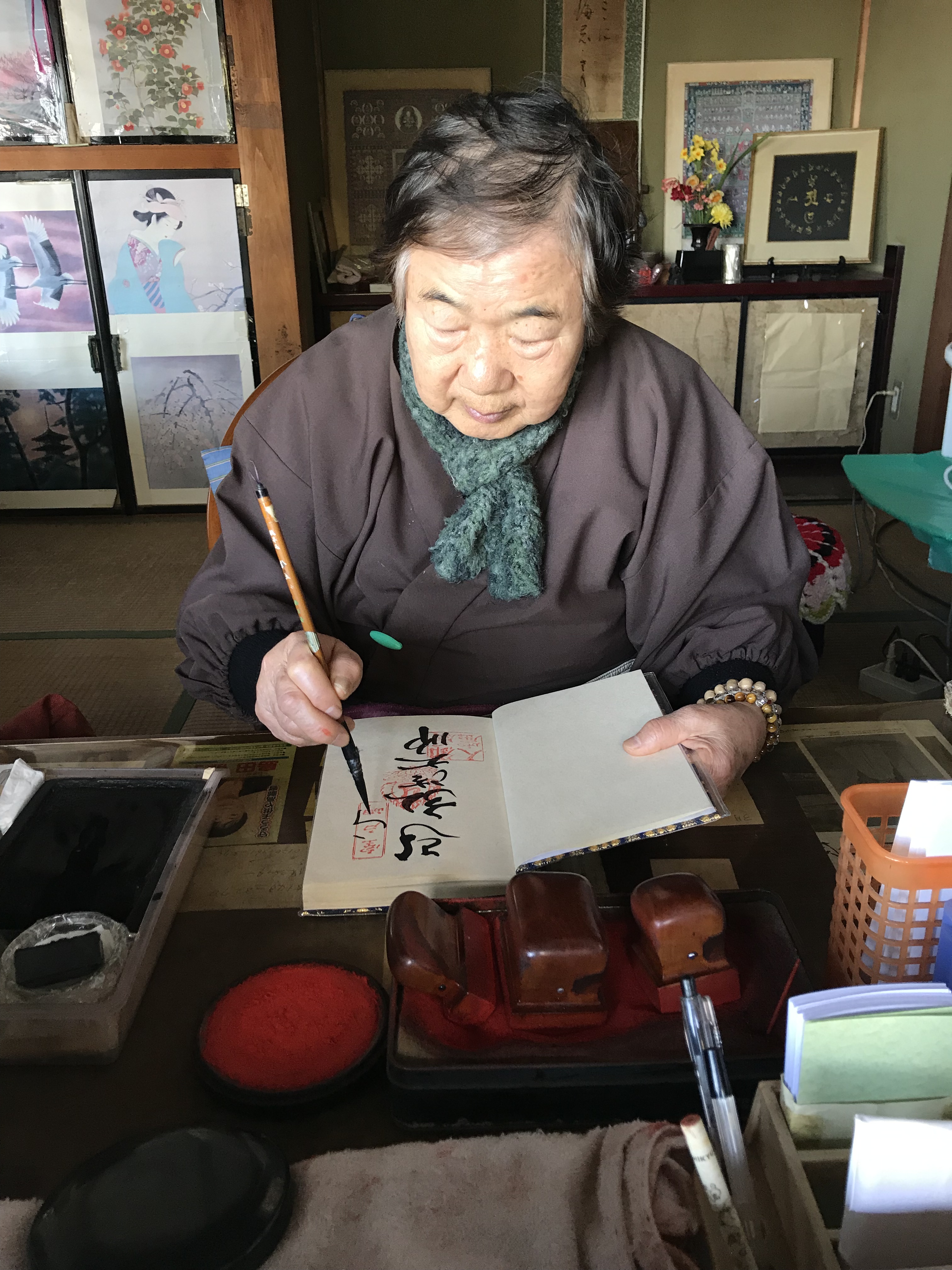
Alas, it was time to get on the road. The goal was to reach Mikurodo and Shinmei caves where Kukai reached enlightenment and where we lived. This is where it all began. Kukai means sky and earth – the two elements that he saw from his cave while meditating. Here is a photo of the Mikurodo cave where he meditated and the calligrapher who signed our record books.

After we walked about 300 meters Down the road, we began our final climb to Temple 24. After visiting the temple, we checked into the temple hotel. My room is oversized. The dinner was delicious and featured local bonito sashimi marinated in a soy vinegar.

Time for rest. That near marathon day took a lot out of us. Two temples tomorrow and about 12-15 miles of walking.

Day 12: A Near Marathon (15 March 2019)

Ayoyama-San and I had agreed to meet at an inn along the route to Cape Muroto. But what were we thinking?

My walk would be 40 km or 24 miles. I thought about calling him to change our inn but I did not have his mobile number. I thought about taking the train until the end of its line – cutting 8 miles off the walk.

In the end, I did the right thing and the decided to walk the distance. I started at 7:00 AM and did not arrive at the inn until 5:15 PM. I am glad that I did.

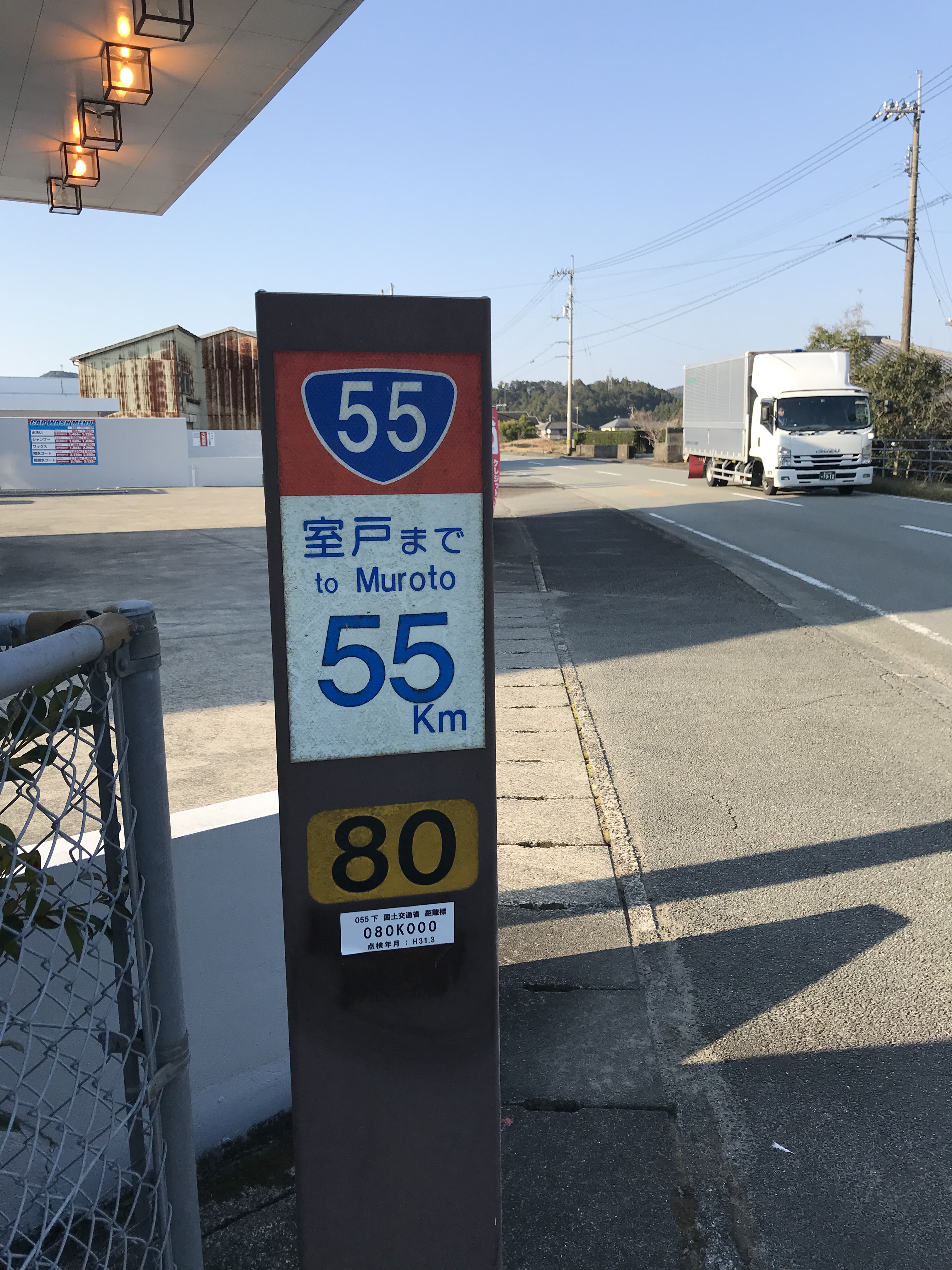
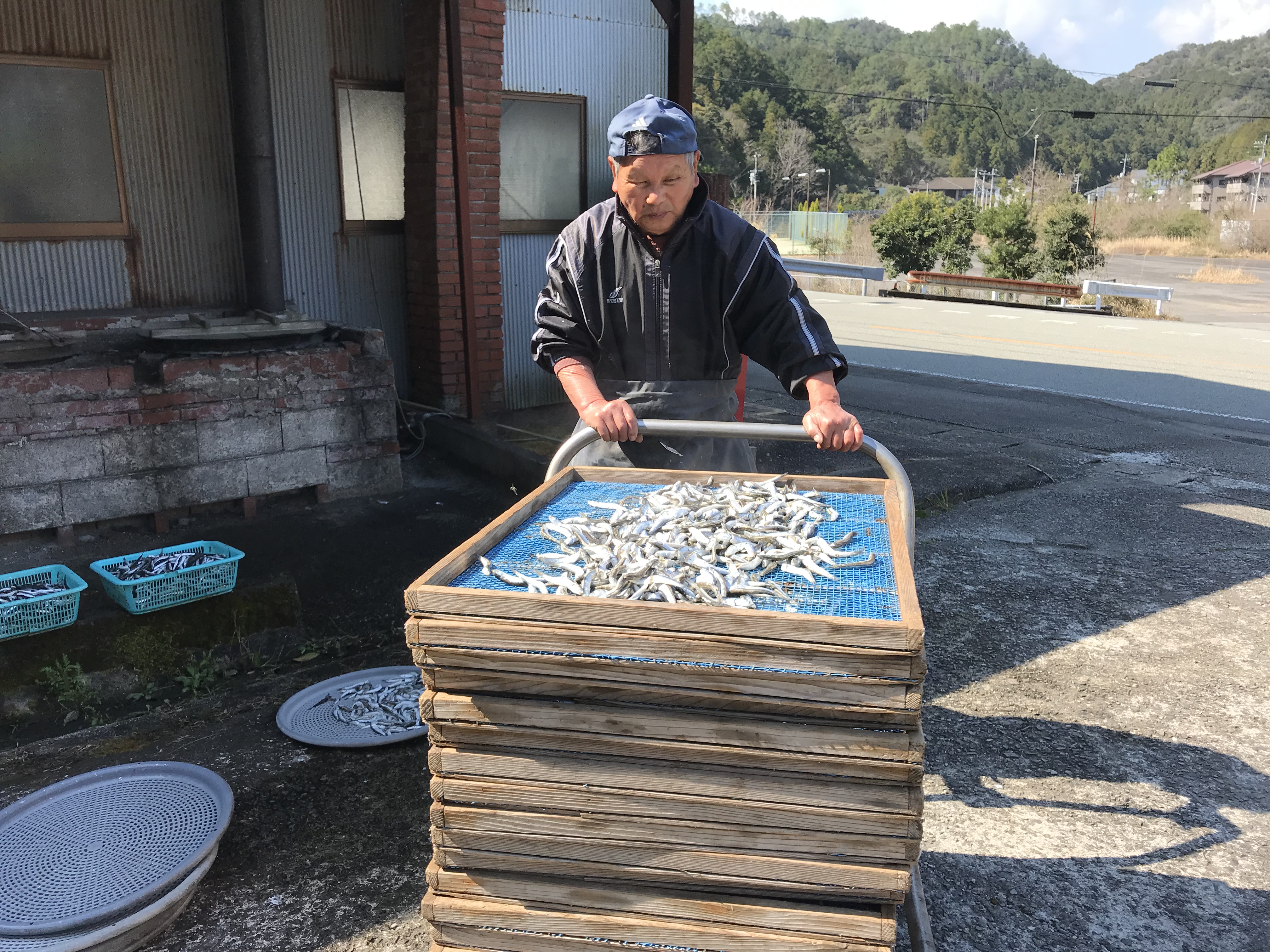
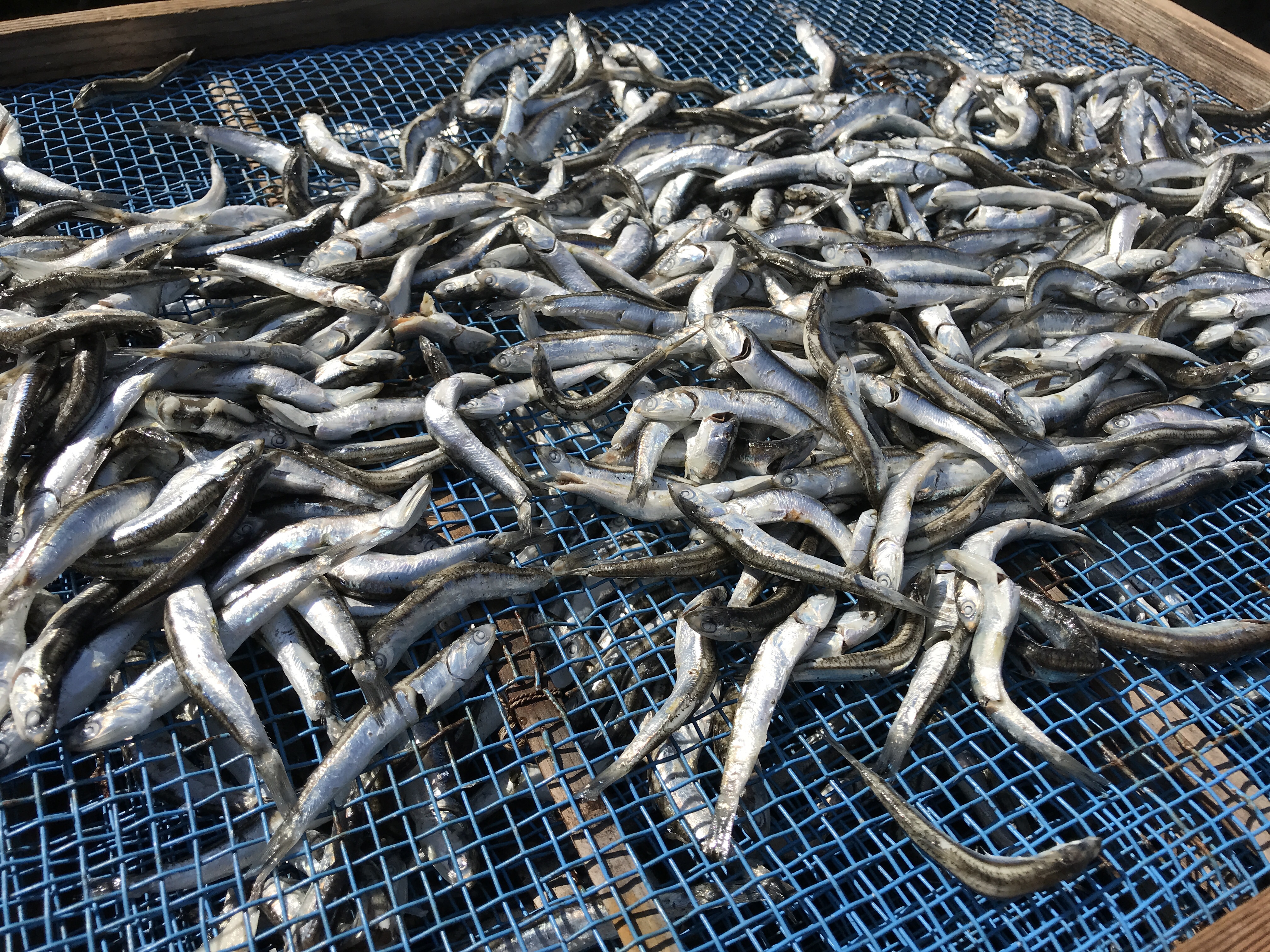
The first was noting that we were on Route 55. I had Nate King Cole singing Route 66 in my mind for several miles. Then, there was the man steaming small fish before laying them out for drying.

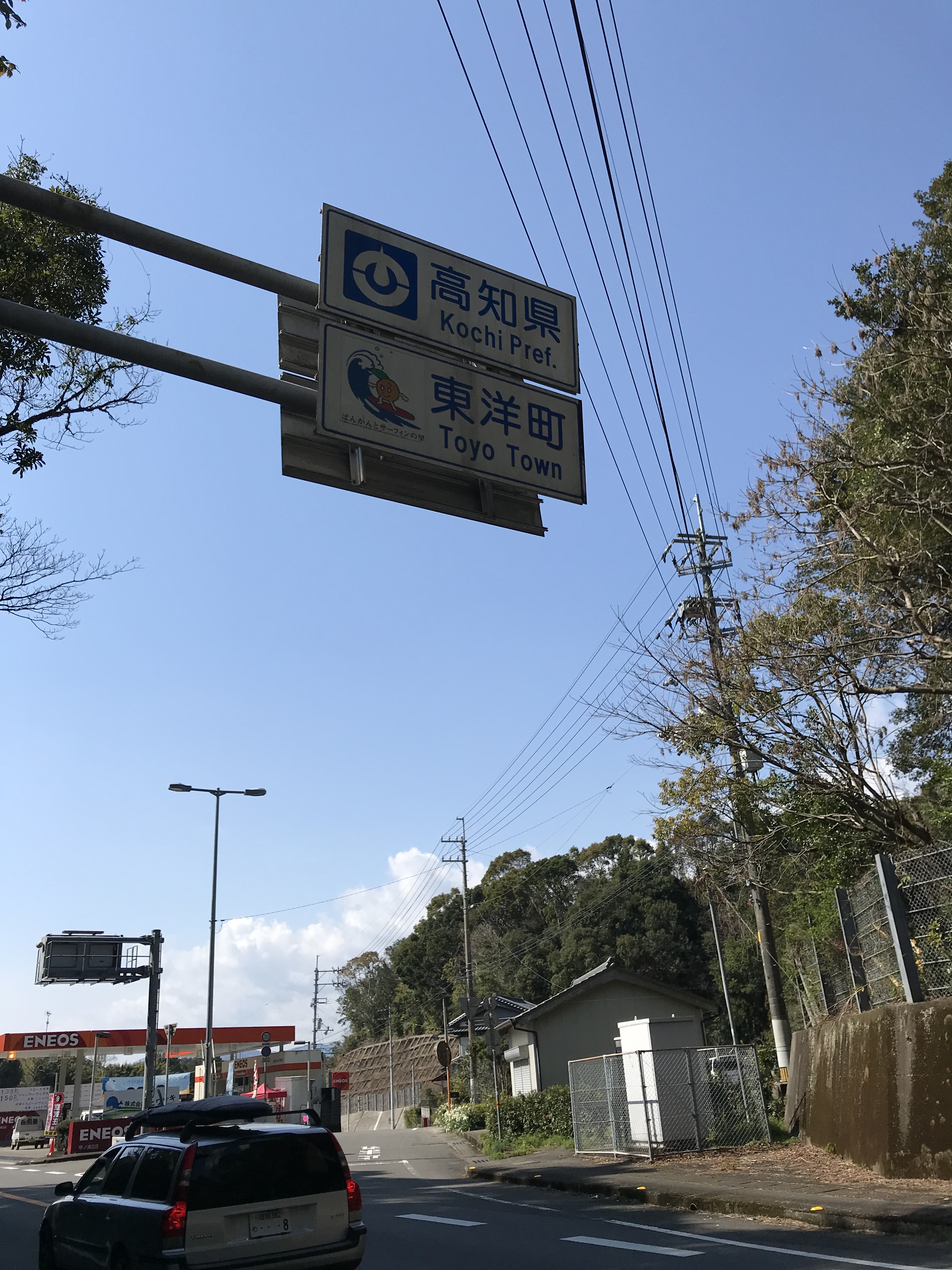
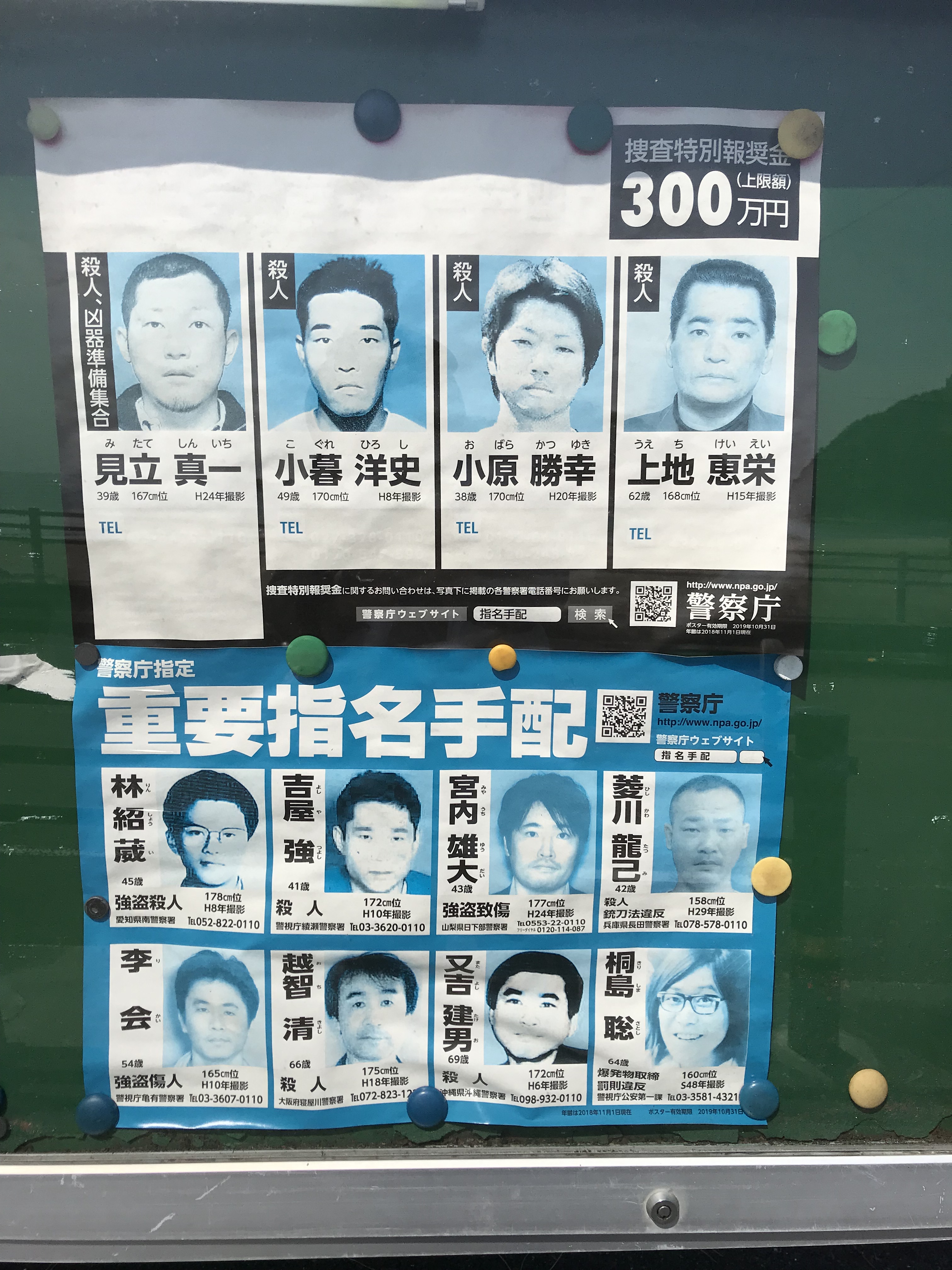
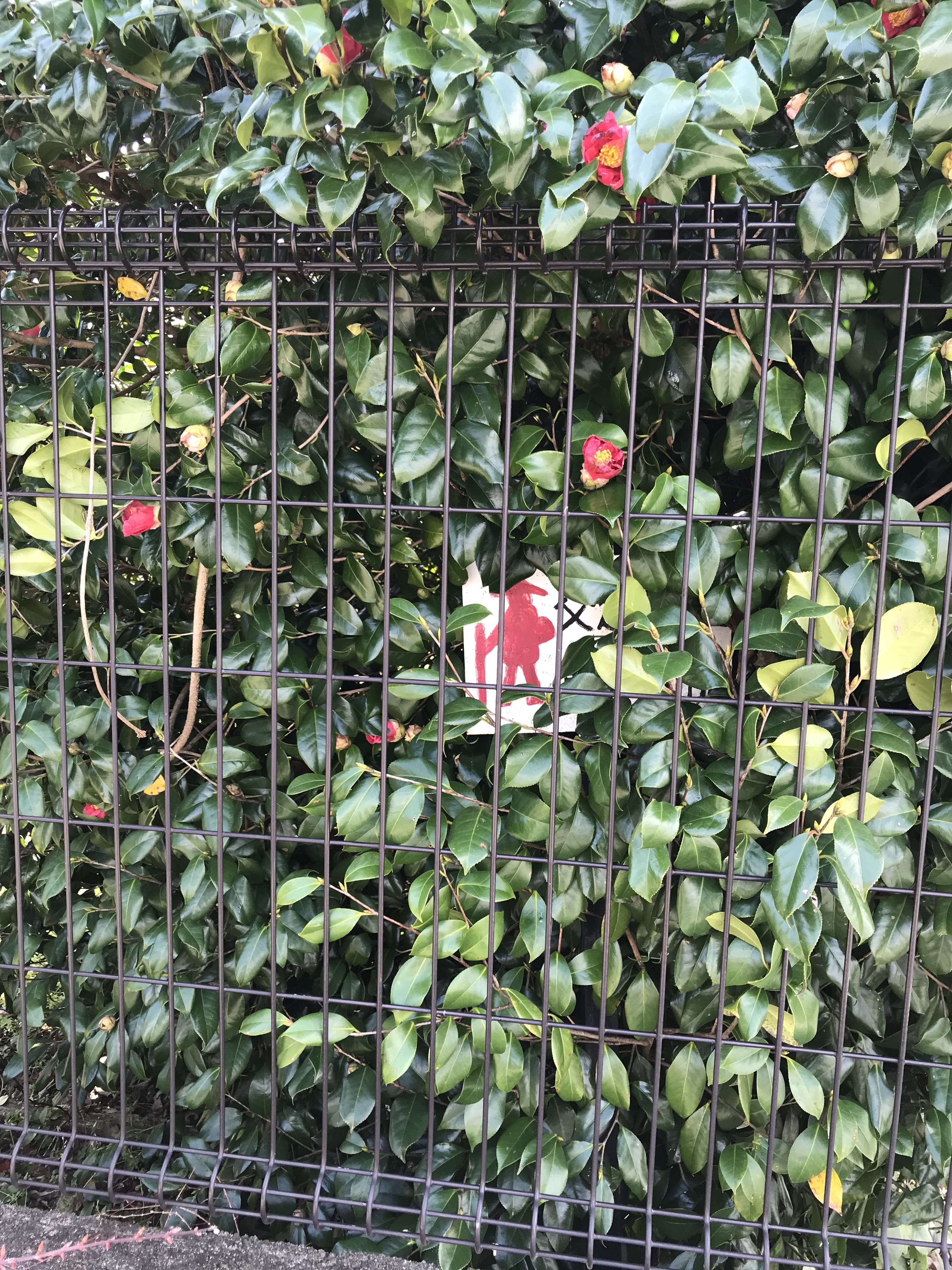
Then came crossing the border from Tokushima prefecture to Kochi prefecture. Another phase of our training is about to begin. Unfortunately, I came upon a “Most Wanted” list posted at a police station. Crime is almost non-existent in Japan. But I guess every society has its bad guys. I even played more mind games to keep me occupied such as “Where is the o-henro.”

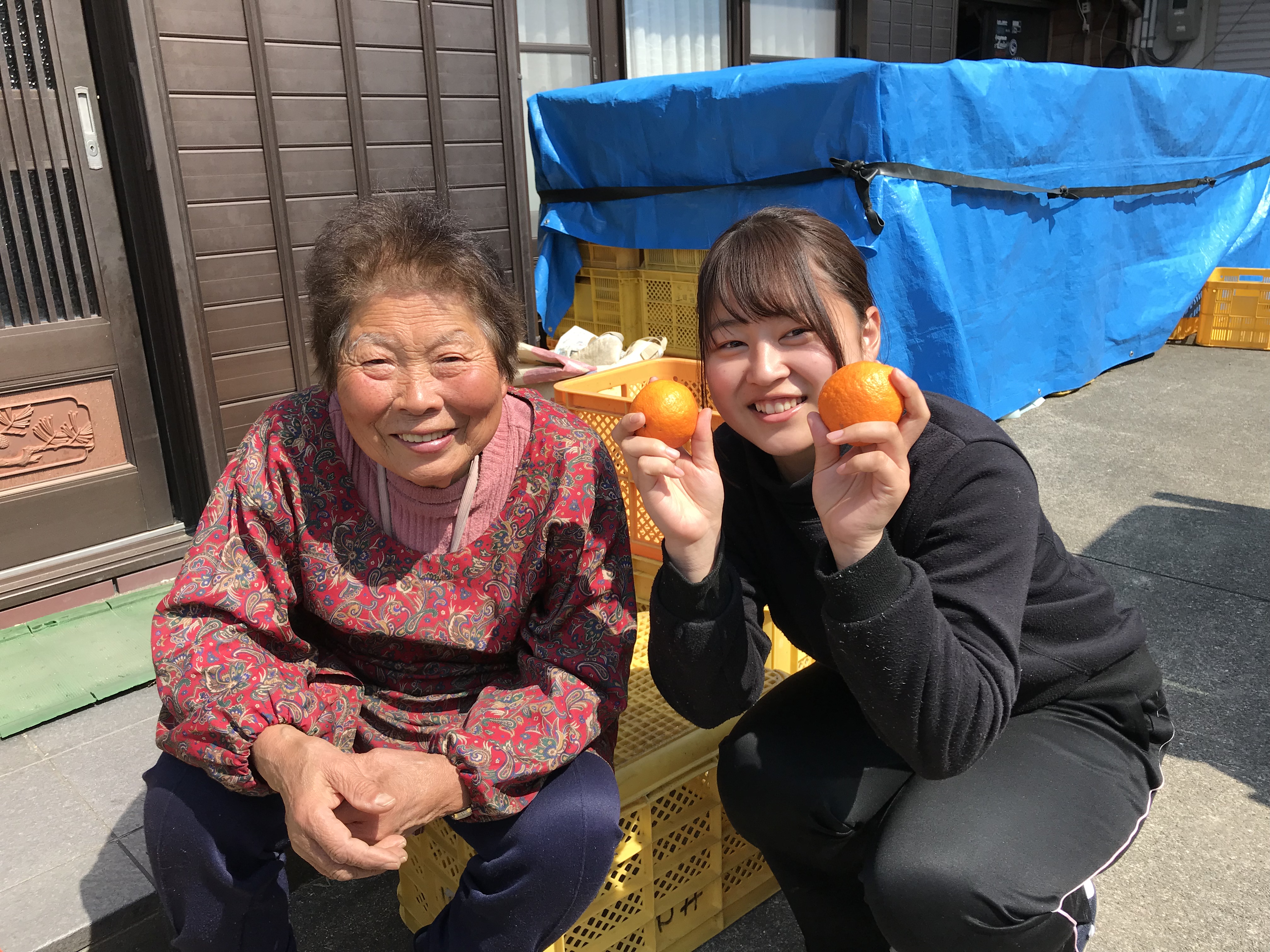
The sweetest moment came when I asked a young woman whether I could buy an orange from the ones she was sorting. Poa-Poa oranges are grown in this region. She was flummoxed. Just then, her grandmother came out her house to find out what was going on. We got into a conversation of who I was, my family, and why I was in Japan. She told her granddaughter to peel me an orange. She then gave me two more. I asked if I could take their photo. Here they are together with the two oranges. They came in handy as nourishment on this 40 km walk.

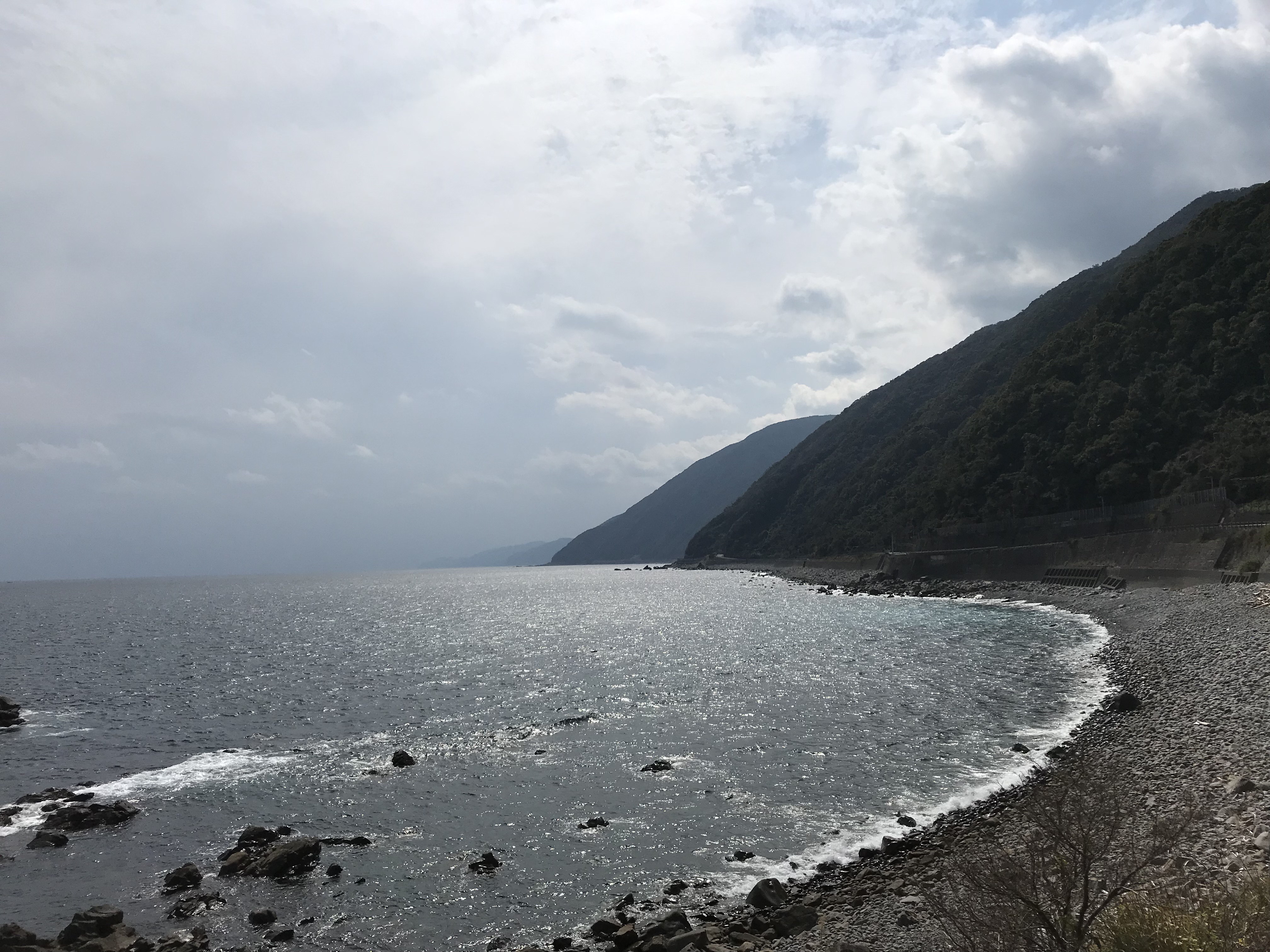
Finally, the final leg of the day – the coastline that looks like California 1. I walked 12 miles of the road. Twelve more miles tomorrow.

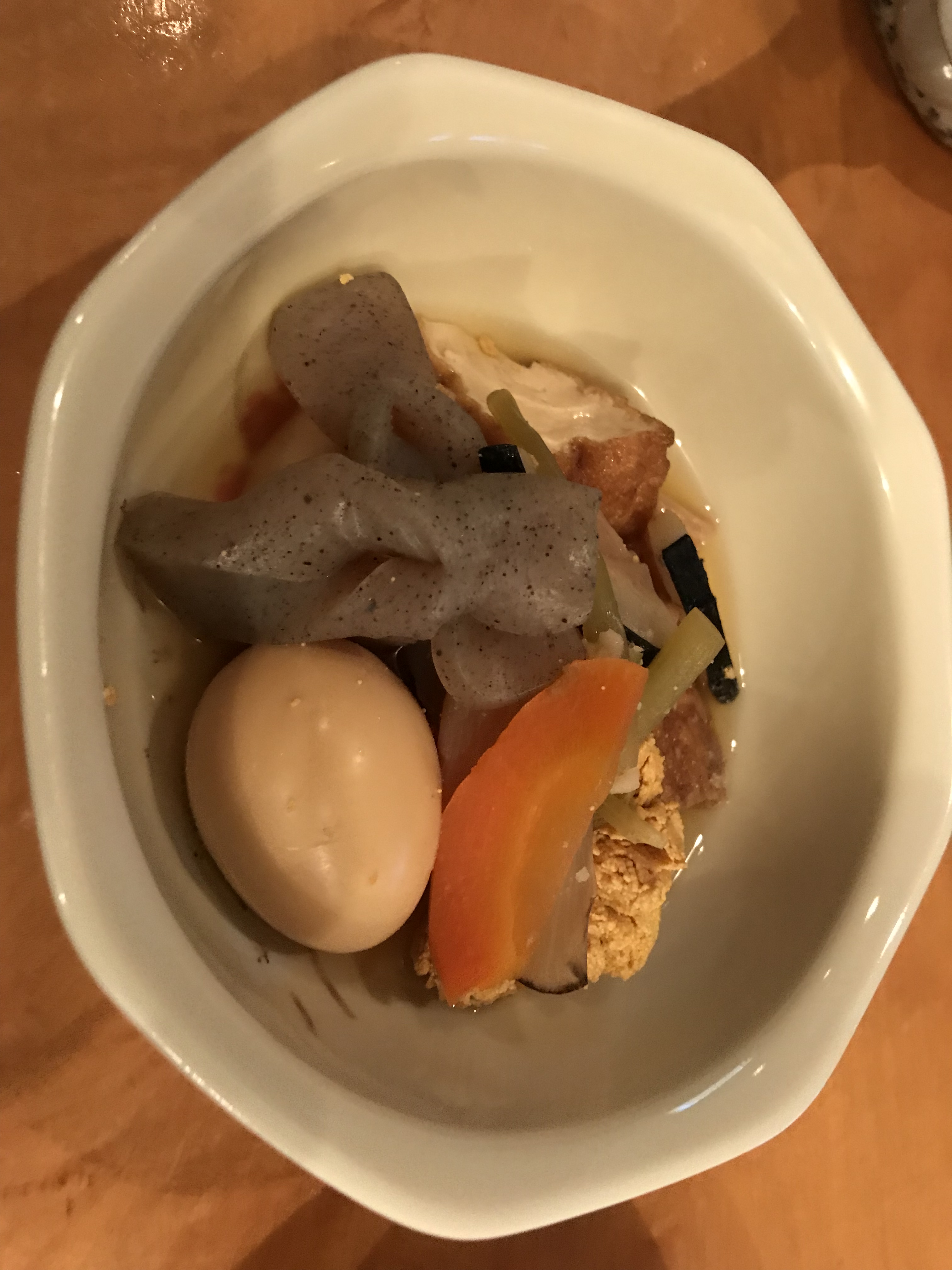
I reached the Ozaki Inn in time for dinner – one that included onishimei, a dish that we used to prepare on New Year’s Day.

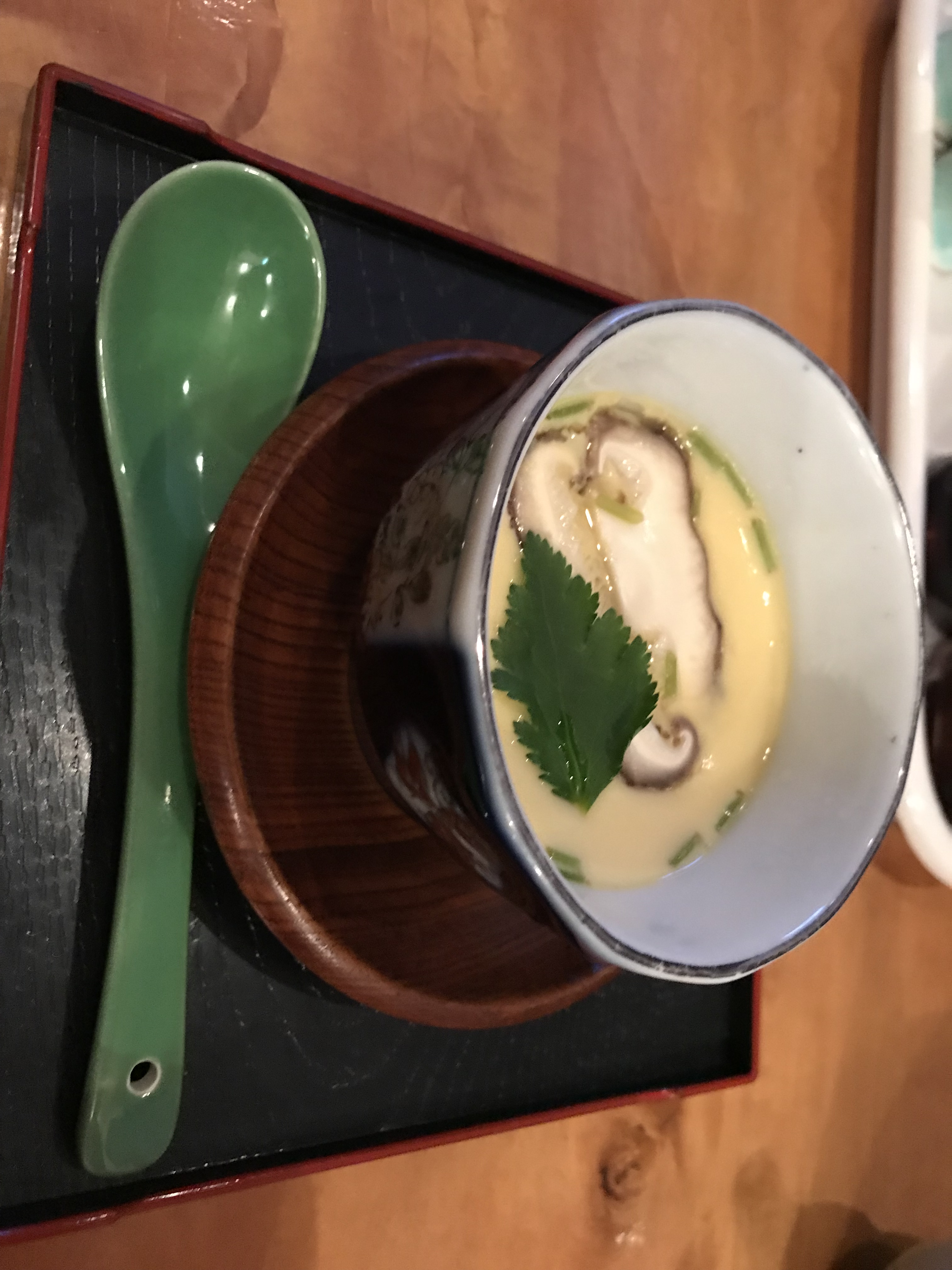
Another favorite was chawan mushi, vegetables cooked in a seaweed fish broth and baked in a custard medium. Another of my grandmother’s special dishes.

How about the beautiful sashimi arrangement? This dinner would cost at least $100 in New York.

Ayoyama-San made it to the inn just as we were starting dinner. He had walked 21 miles. The team is in place. Tomorrow is our walk to Cape Muroto.

Day 11: The Beginnings of a Team (14 March 2019)

Sometimes we can’t remember when we start a friendship or a relationship. I think that Ayoyama-San and I started one in the onsen at the Sazanka inn. As you know, Japanese people oftentimes partake in a communal hot bath. It is a very nice way to relax before dinner time.

While soaking, Ayoyama-San said, “Gokuraka,” meaning I am in heaven. I could not agree more after these very long walks.

We continued talking at dinner. He is a retired high school teacher of English and former principal. He learned English by watching America westerns starring John Ford, John Wayne, and Clint Eastwood. Also, a Department of Defense Dependent School was located nearby. He played after school with Americans. During our walk, we talked about nuances like the difference between a wind and a breeze, among other topics like our families.

It was wonderful to share in the beauty that we saw on our walk. Sunrise at the temple as we began our walk at 6 AM. A fresh river with water so clear that the surface shimmered. We talked with locals who were harvesting seaweed from rivulets formed by the tides. We watched birds stretch their wings – they looked like the eagle on old American coins. We sat on the beach eating our lunches.

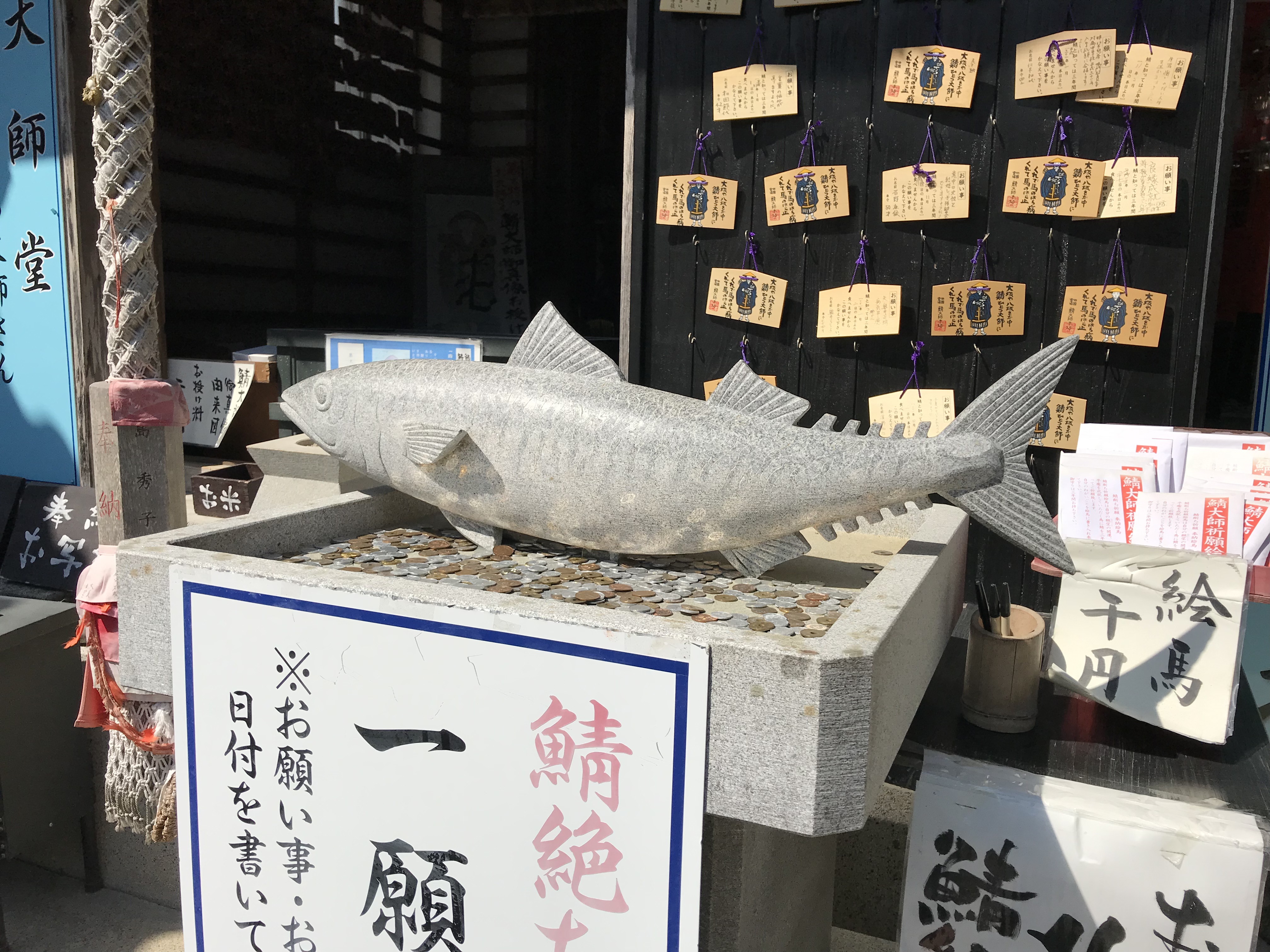
We stopped at a temple that is not one of the 88. This temple is dedicated to the fish species, saba, mackerel. I had my book signed because saba whether raw or grilled is my favorite of all.

We agreed to walk together until the end of March when he returns home to his honeydew list. He will complete the journey of the 88 in fall and meet his wife for the walk up Mt Koya, the traditional end point of the pilgrimage.

I am privileged to have met him. We will be sharing many thoughts during our time together. We departed towards the end of this walking segment to meet up at the end of the next day. I was turning left for the Minshuku Yoshida, yes you read it correctly. And would you know it, another guest arrived – Obata-San with whom I walked the day before and shared dinner at Sazanka. The pilgrim’s world is indeed small.

Obata-San, joined me in kampei, cheers at dinner. He is 66. His wife died last year. He is on the pilgrimage in her memory.

Yoshida-San reminded me so much of my grandmother. I told her that because our noses we were so alike that we had to be related. Yoshida is the 12th most common last name in Japan. She prepared a wonderful dinner. The other images were of the inlet in front of her house and her welcoming sign. The black large characters spell out Yoshida – hard to miss when you are a Yoshida.

When I left the next morning, she bowed to me and came outside as I was walking away from her home. She waved until I was gone – just like my grandmother did when I came to visit her. This moment brought tears of reliving a wonderful memory.