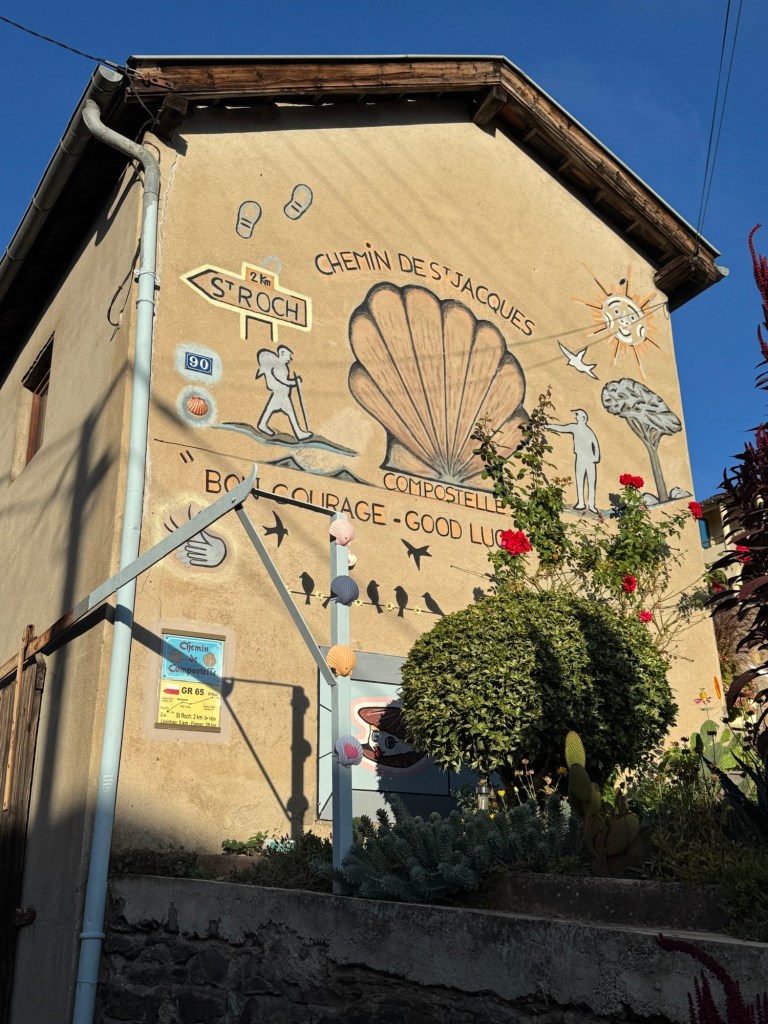
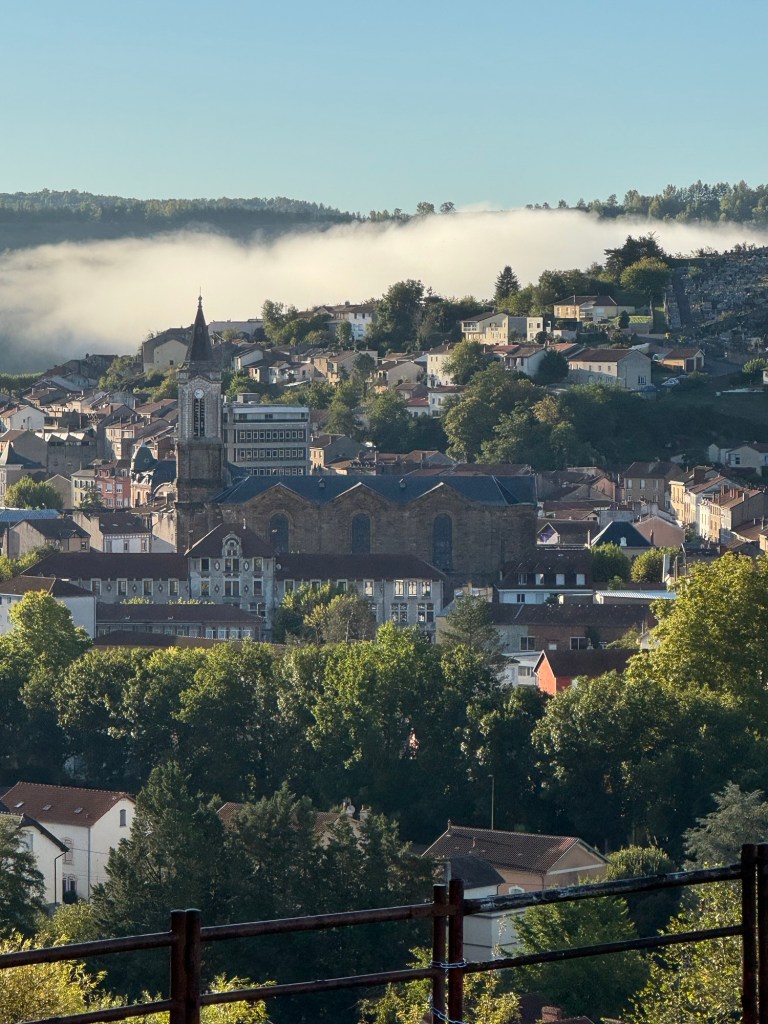
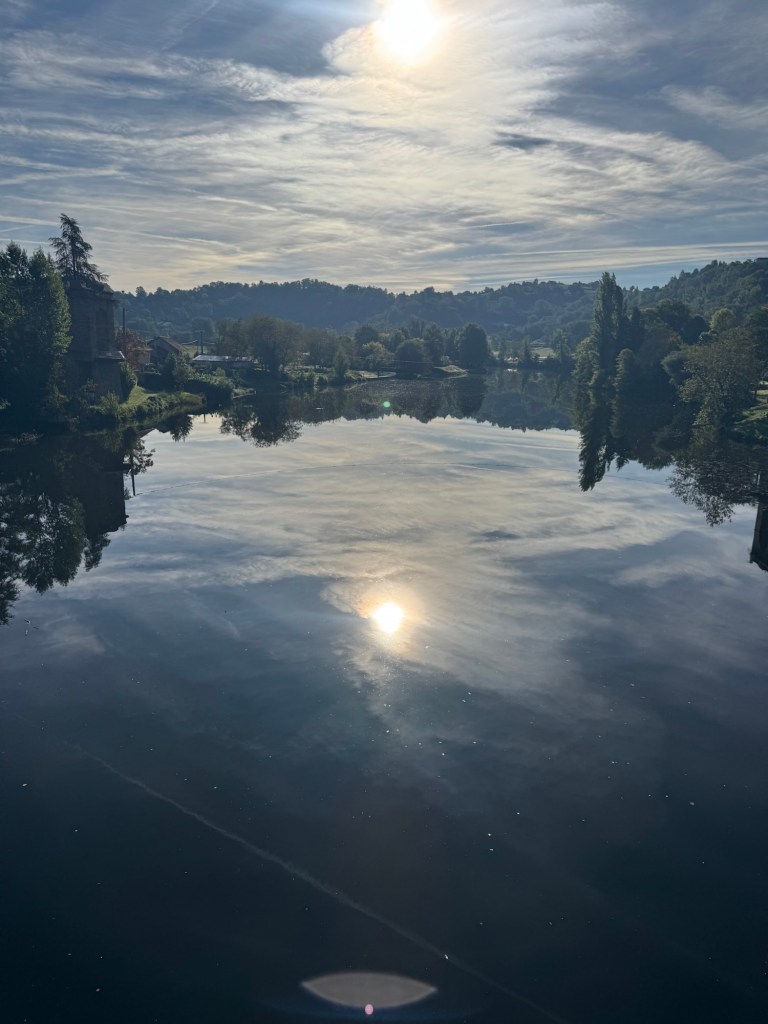
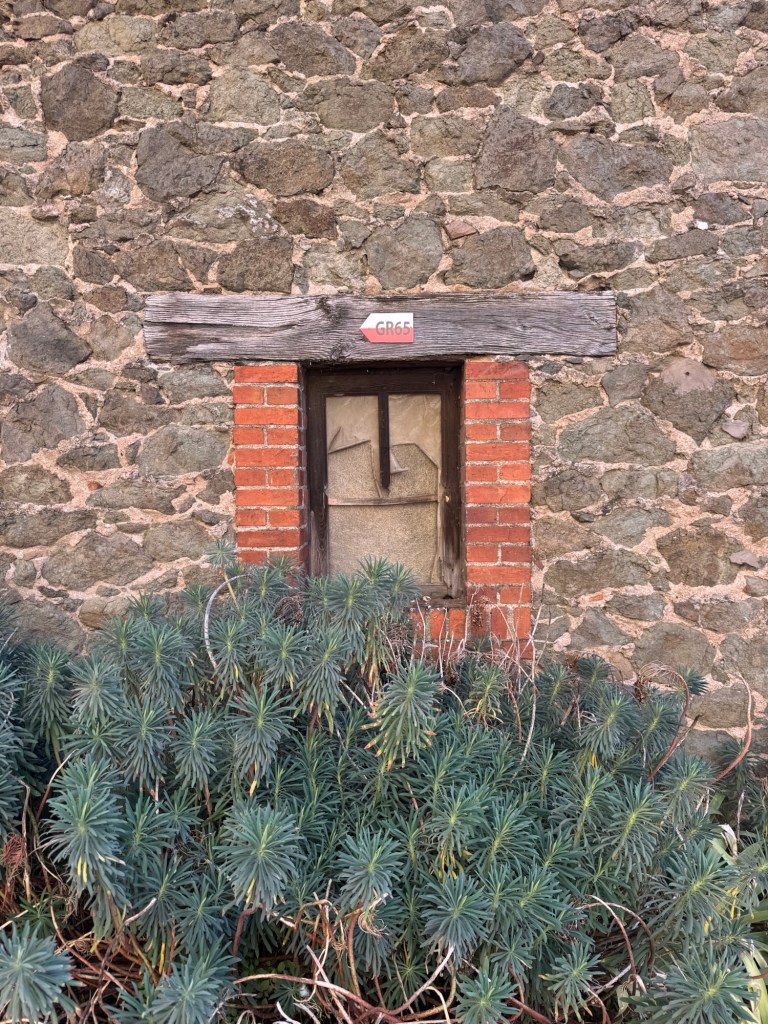
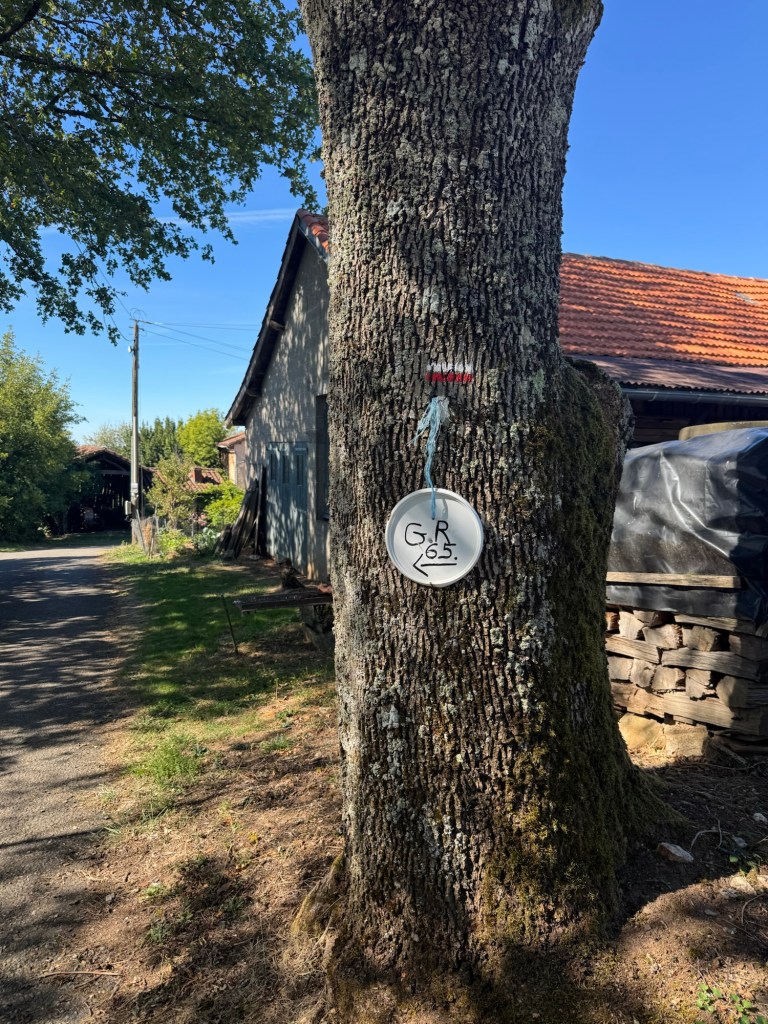
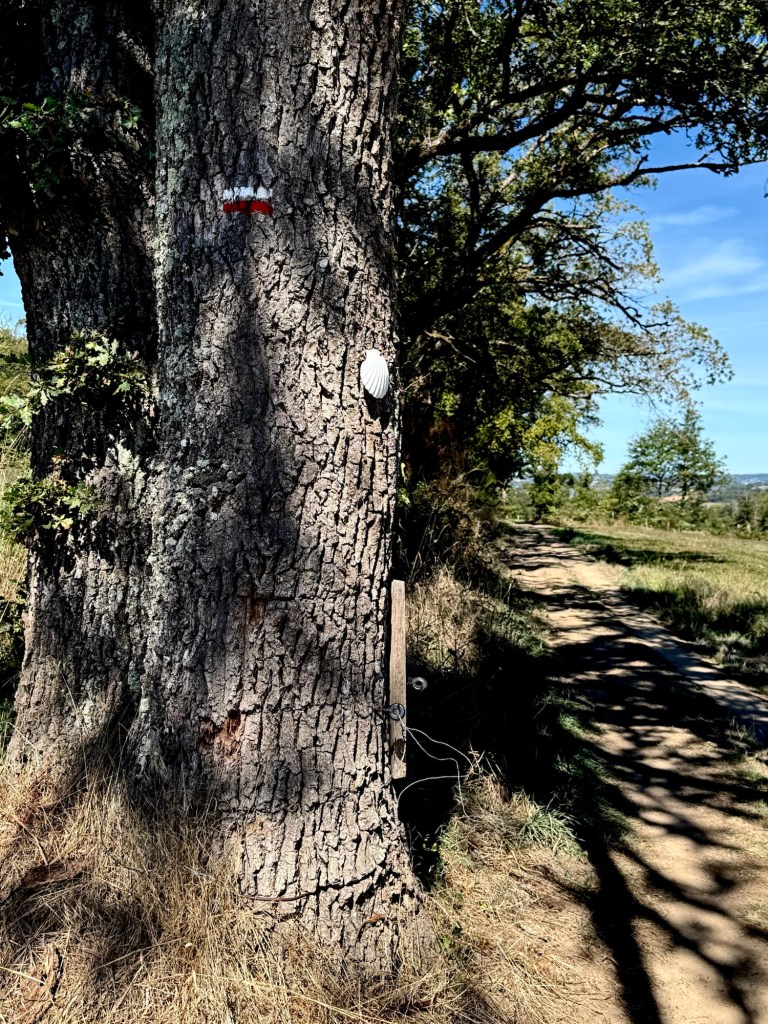
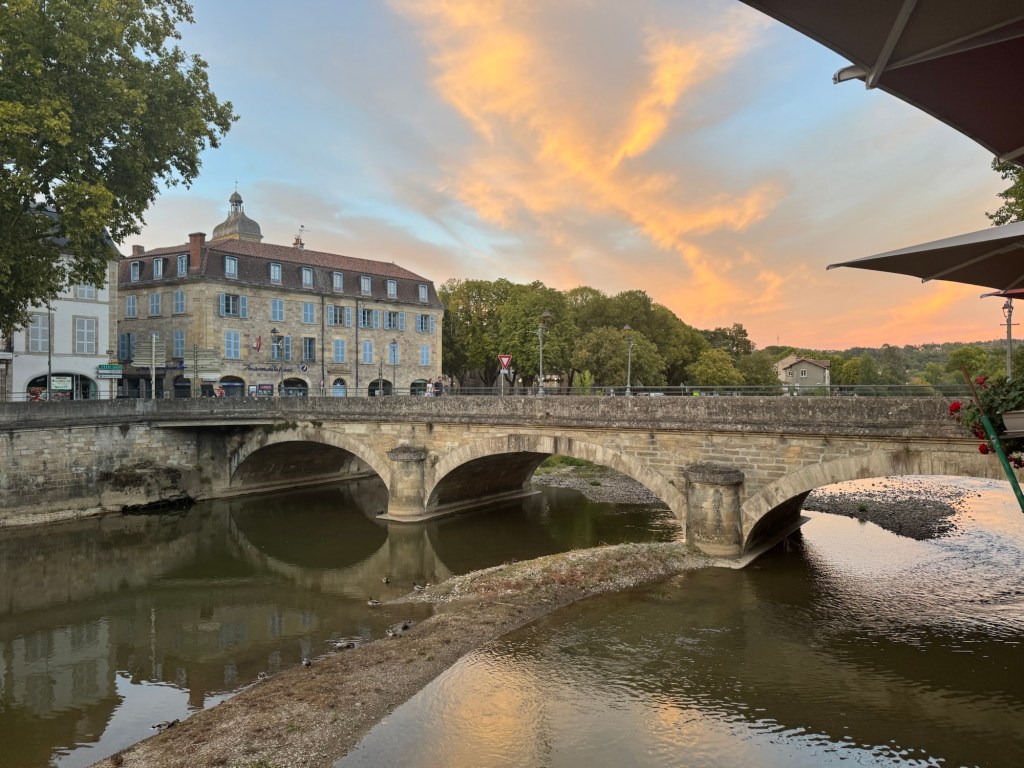
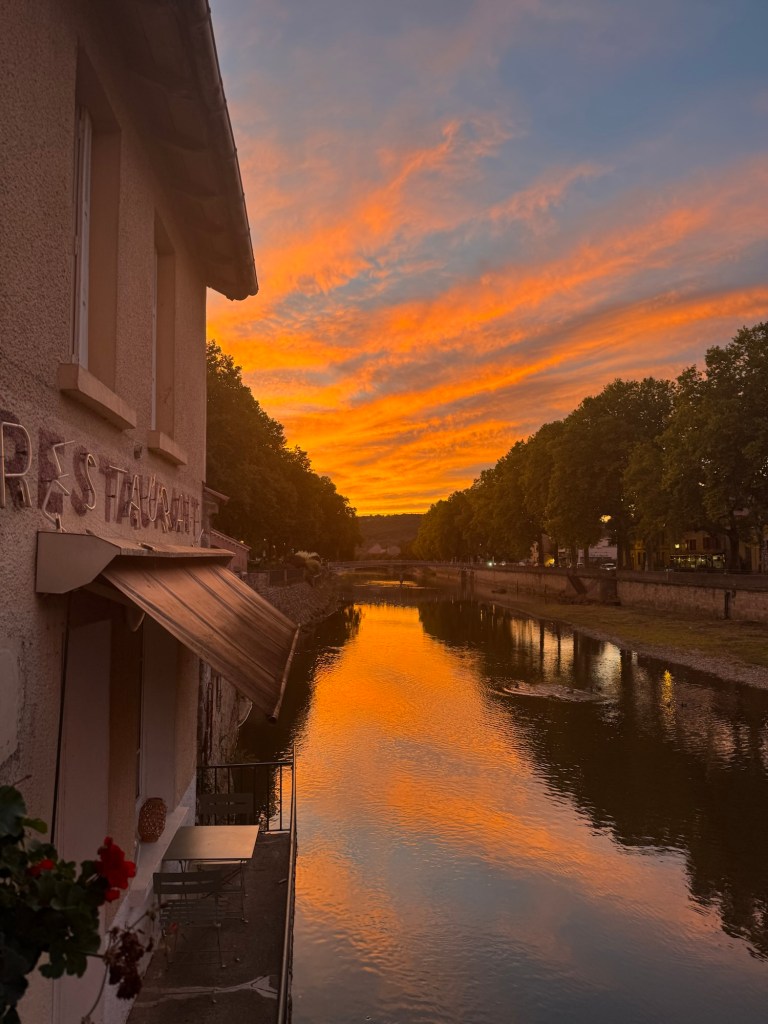
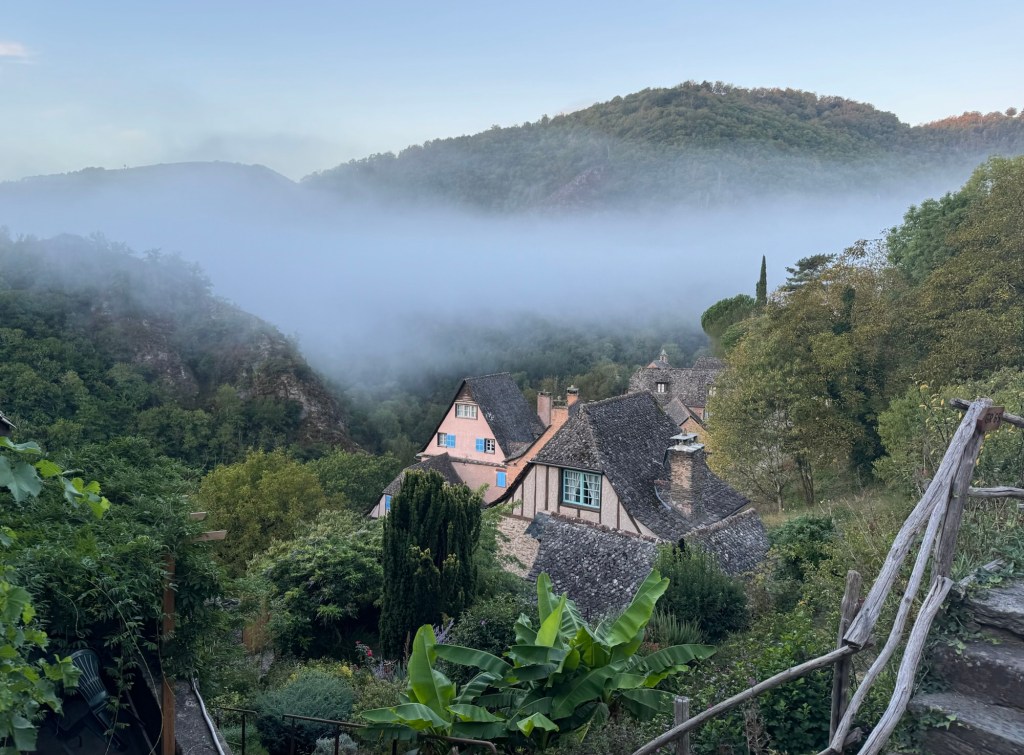
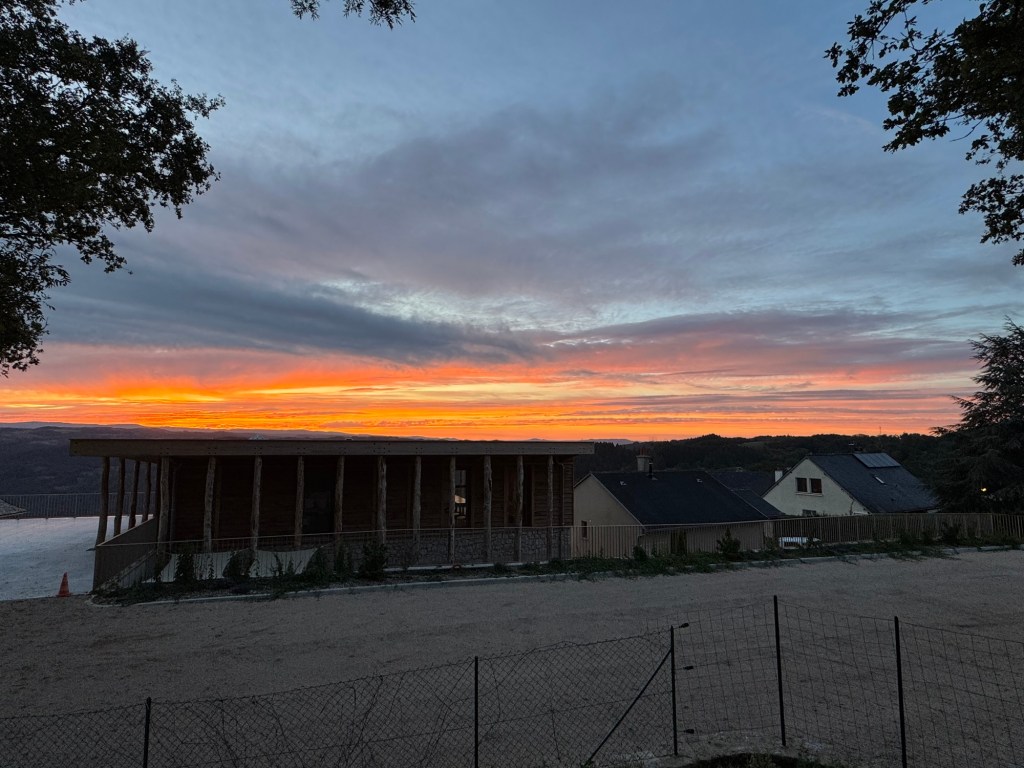
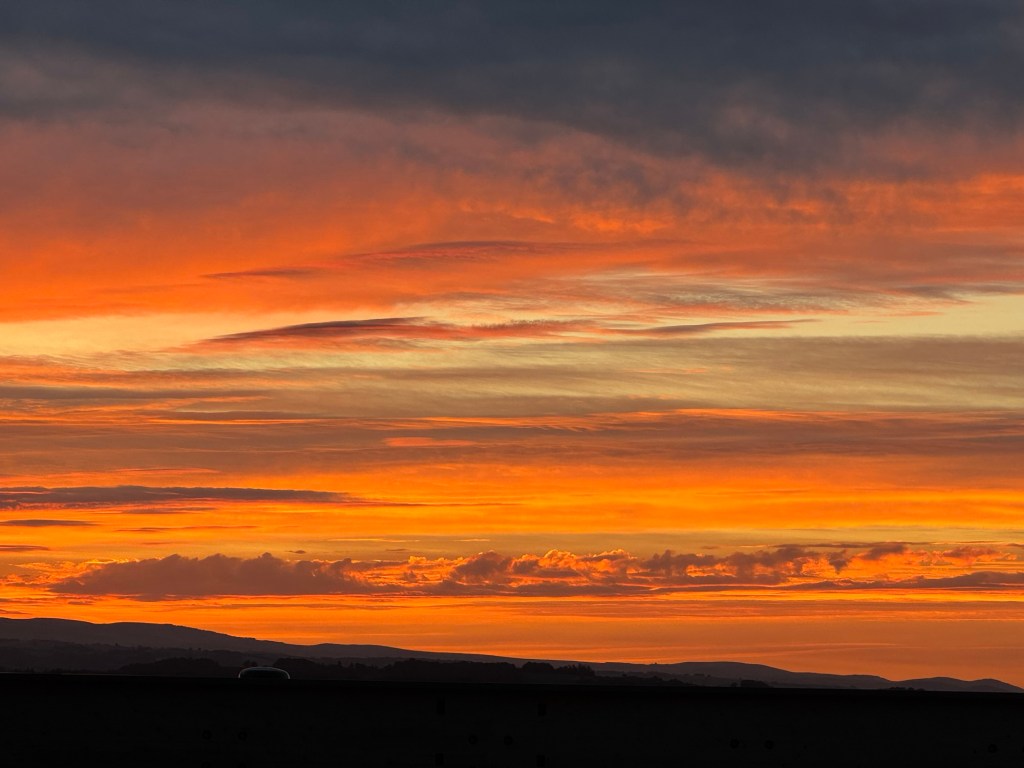
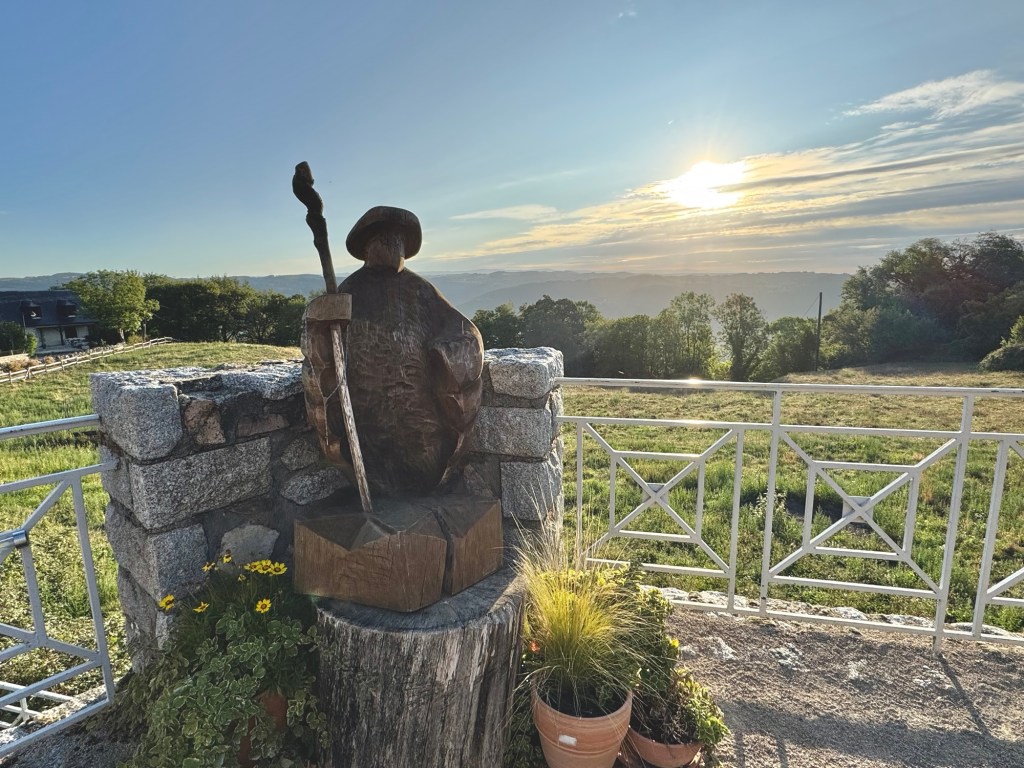
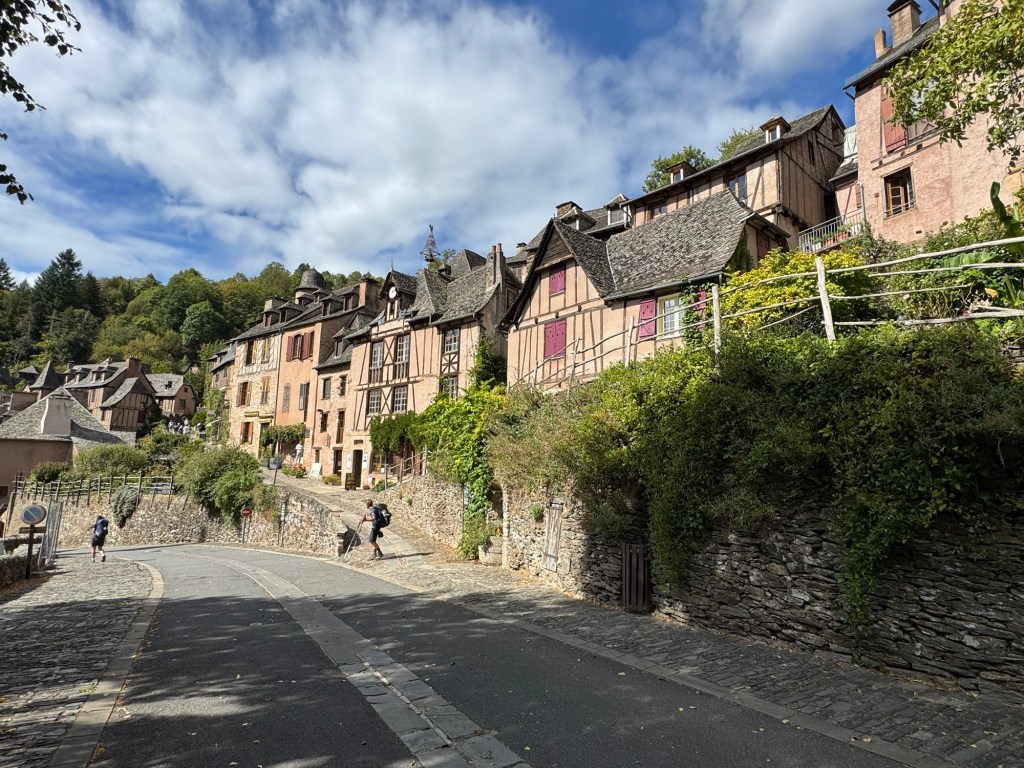
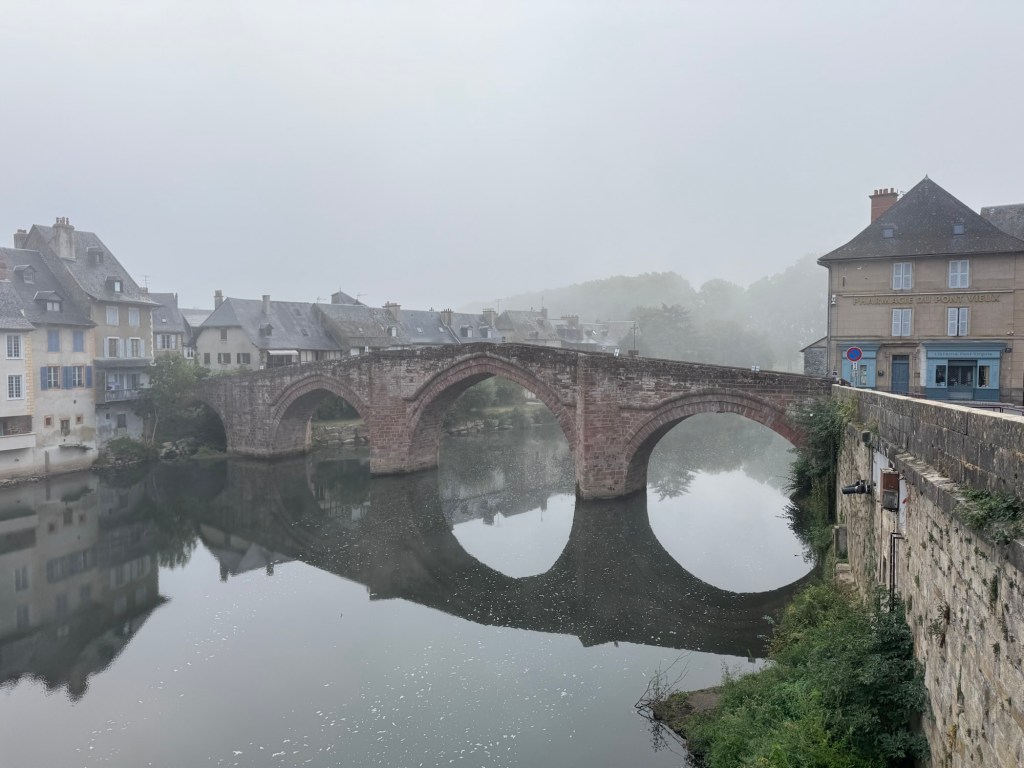
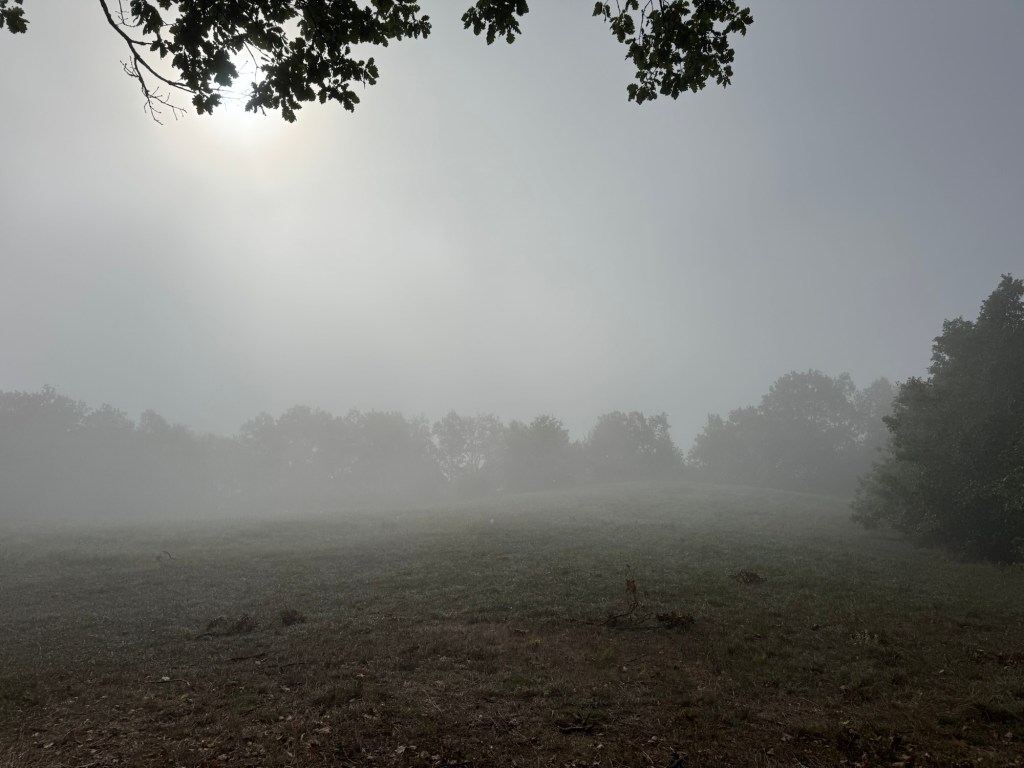
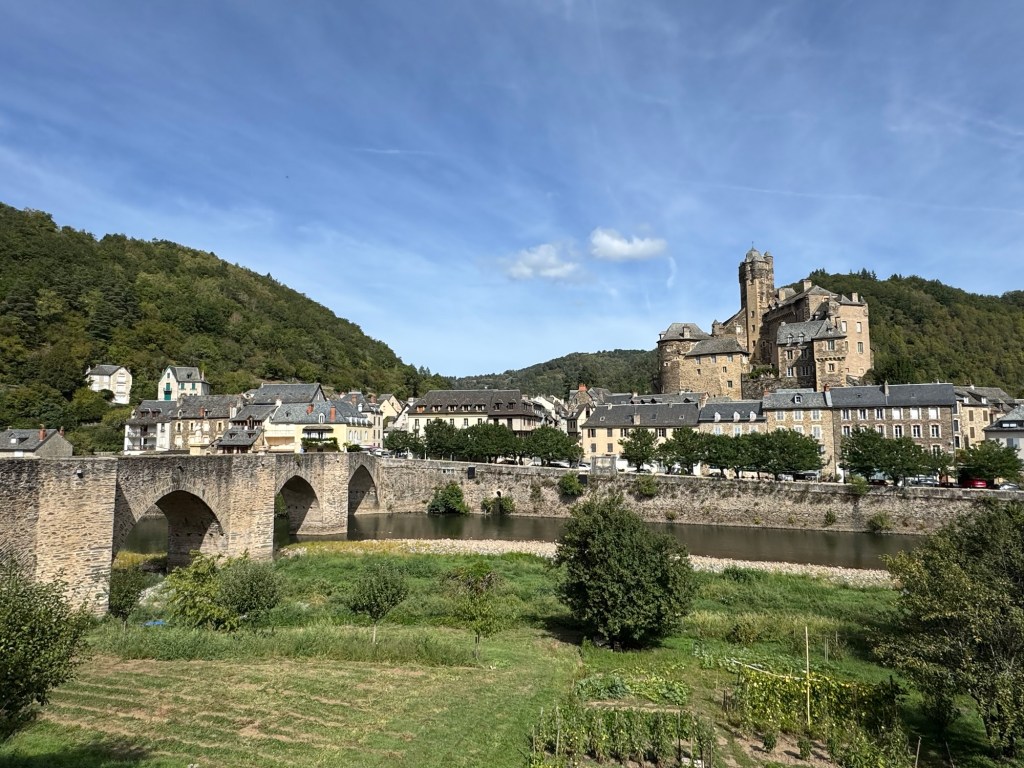
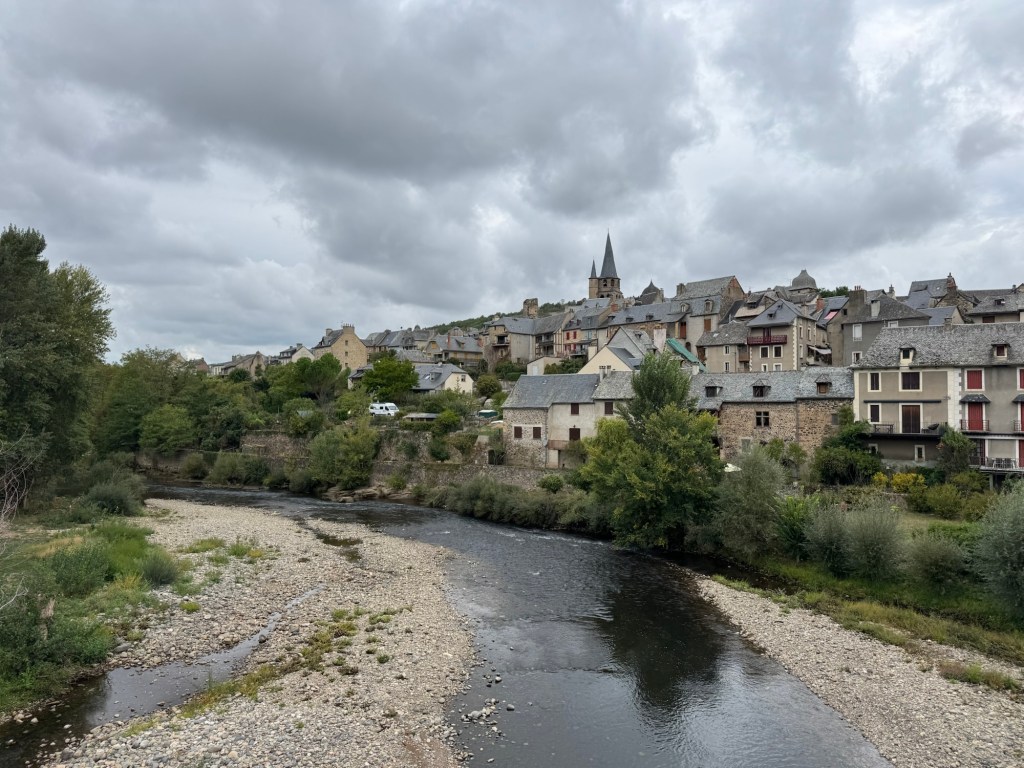
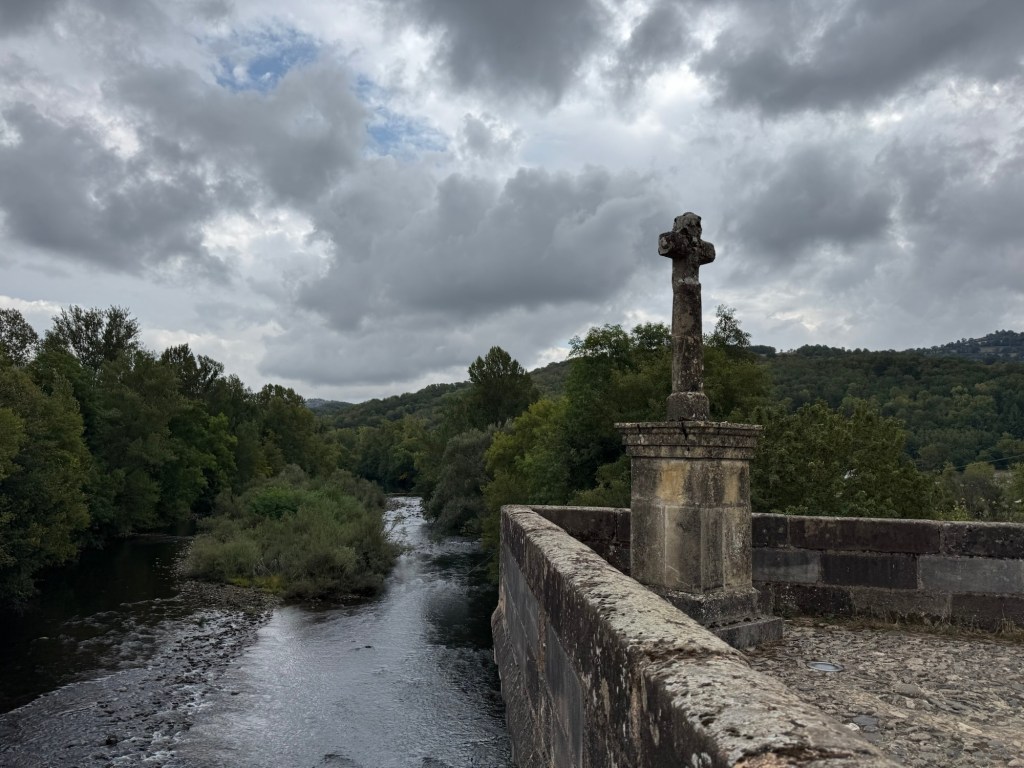
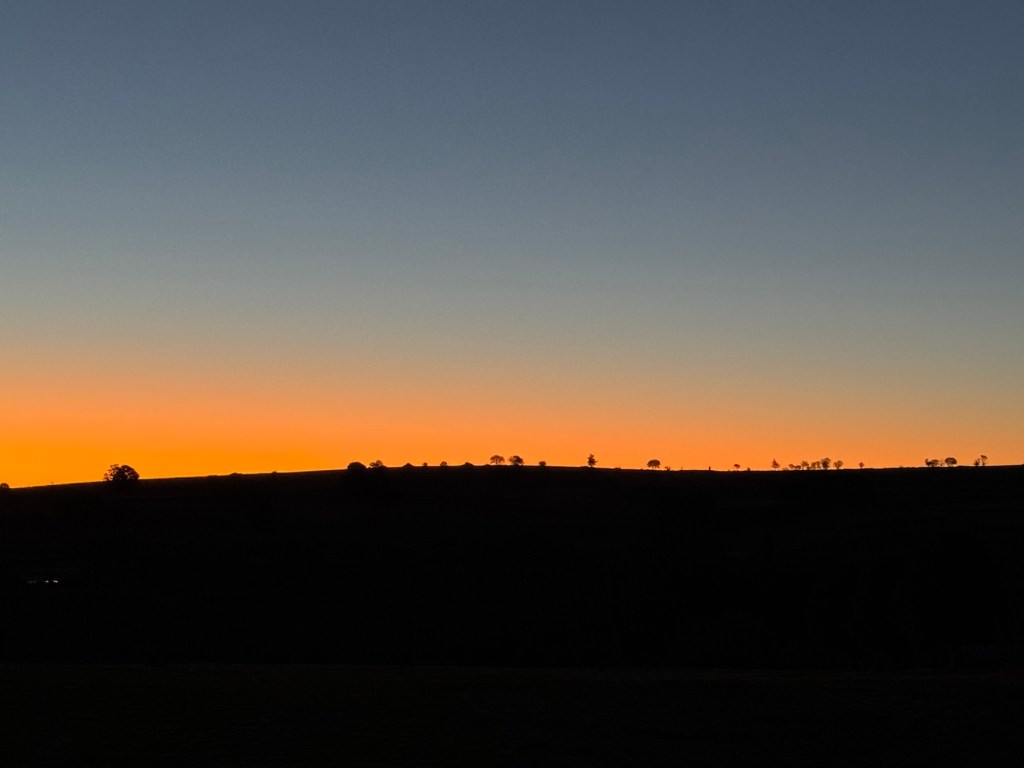
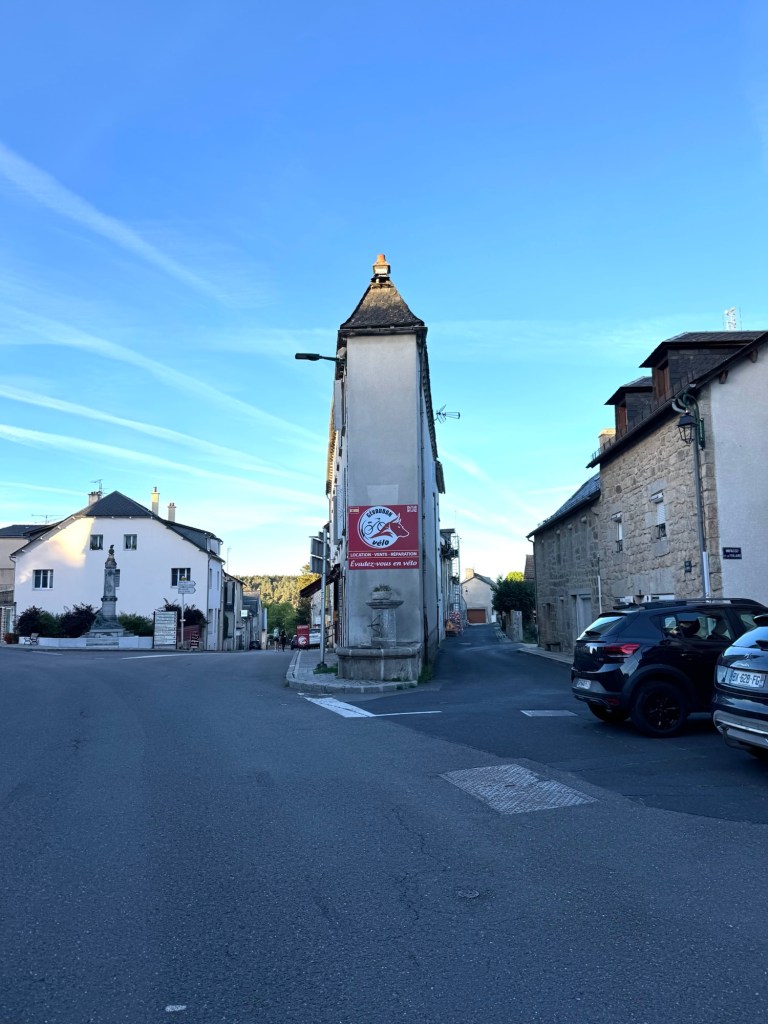
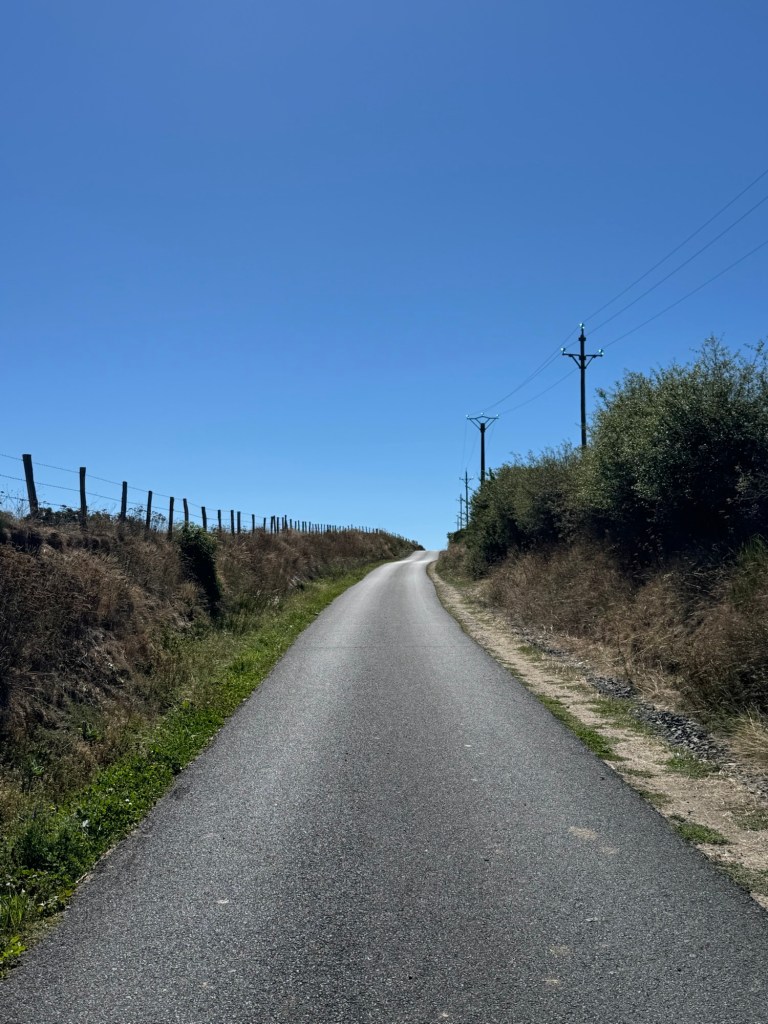
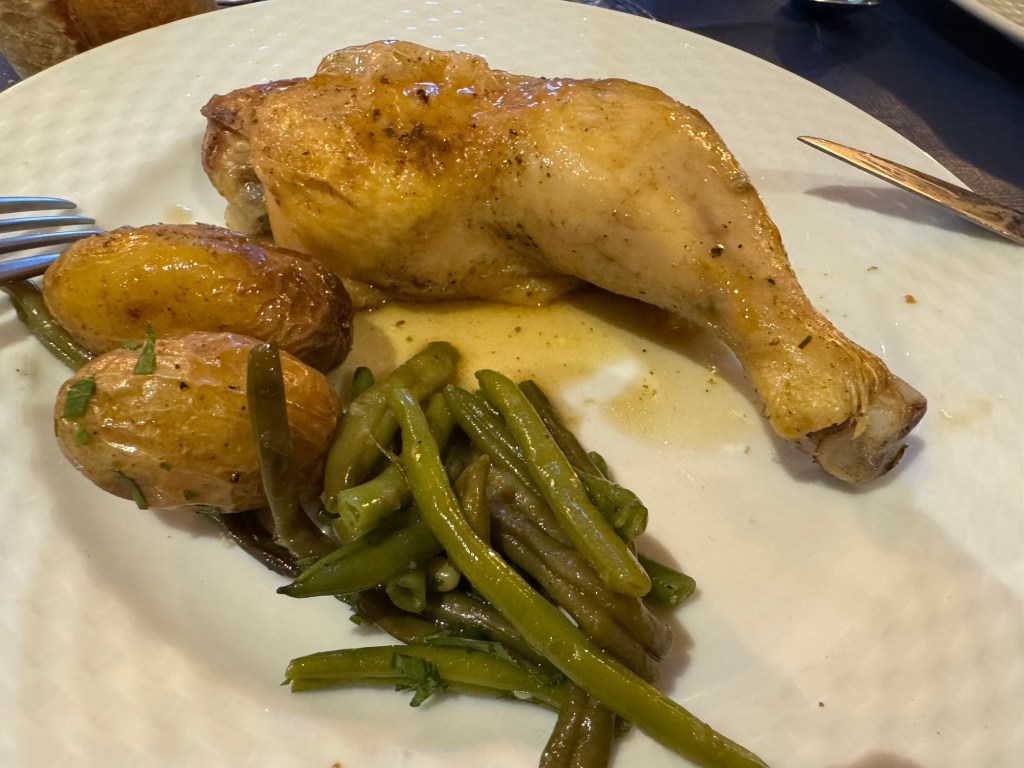
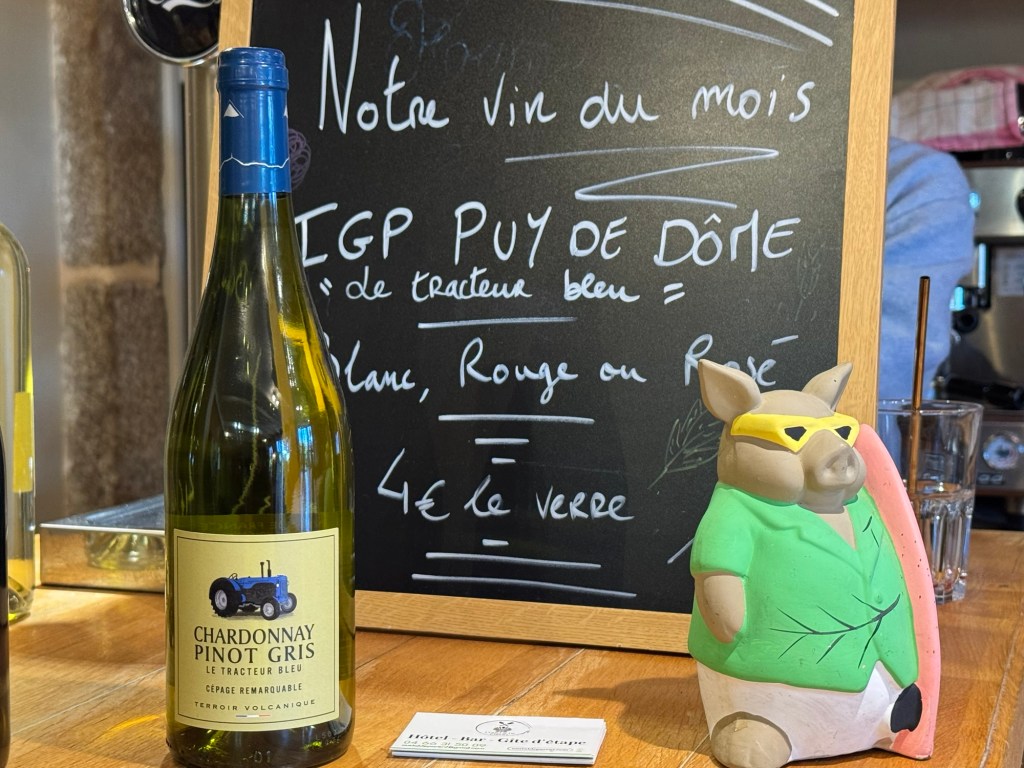
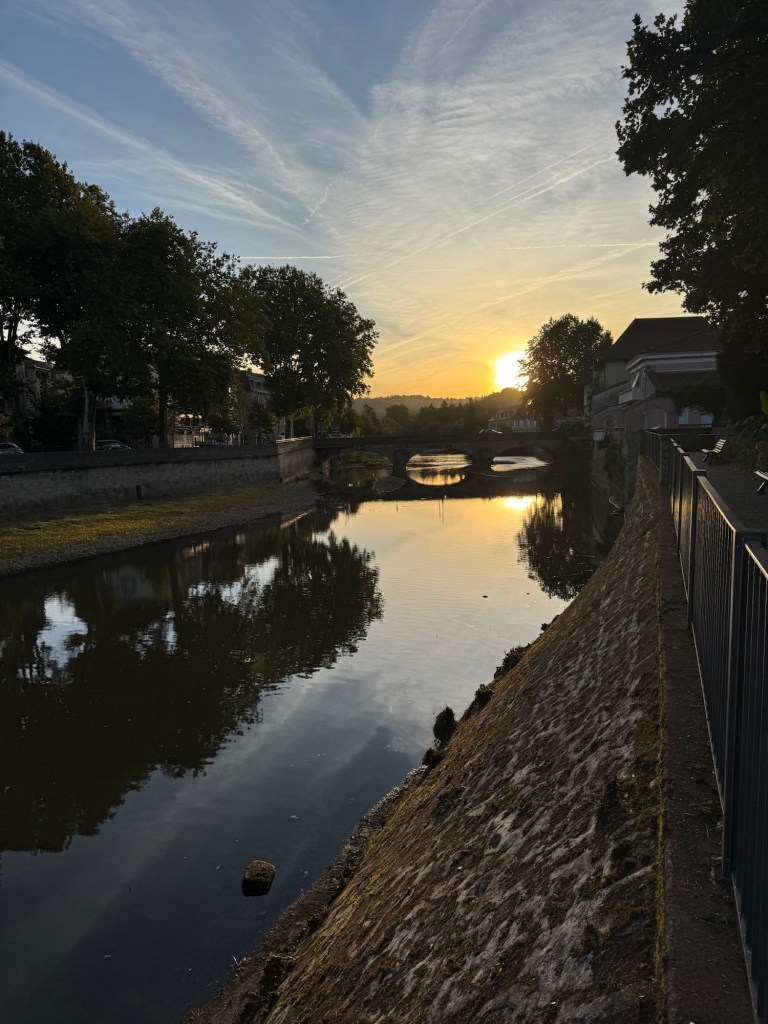
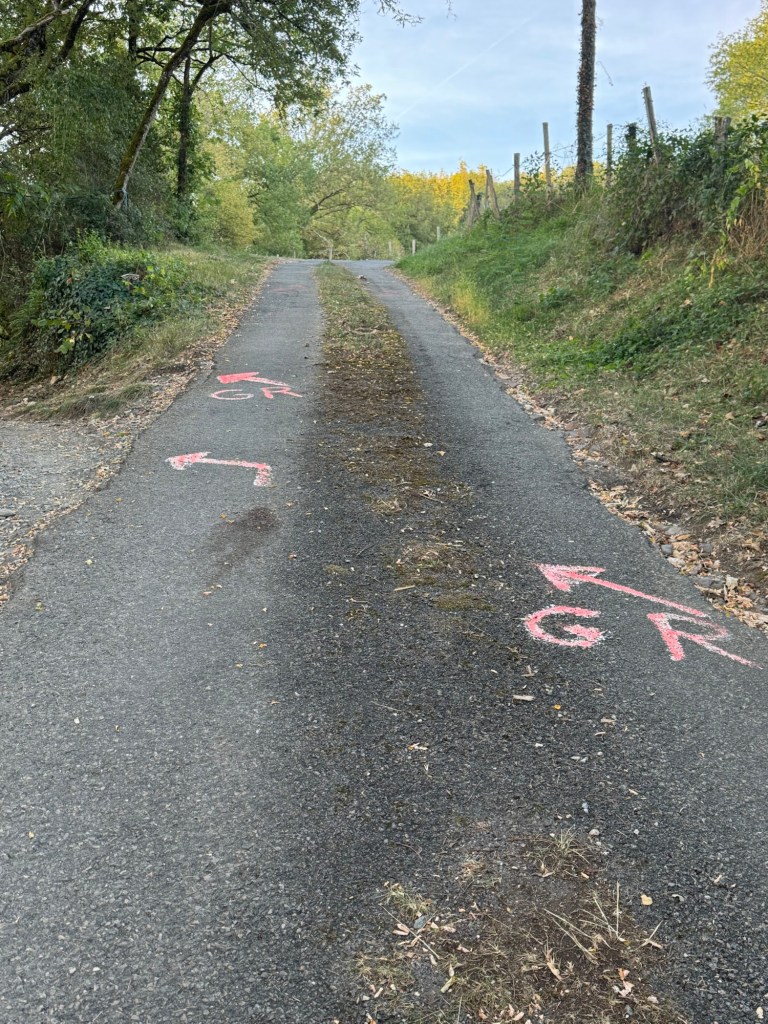
The morning was cool when I began walking along the river. The sun had risen above the horizon spreading color over the town. Within a mile, I was up a steep road when the arrows on the road pointed left for the GR. Pretty subtle, eh? But much better than the small white over red blazes when confronting choices of which road to take or making some zigzag turns to stay on the trail.
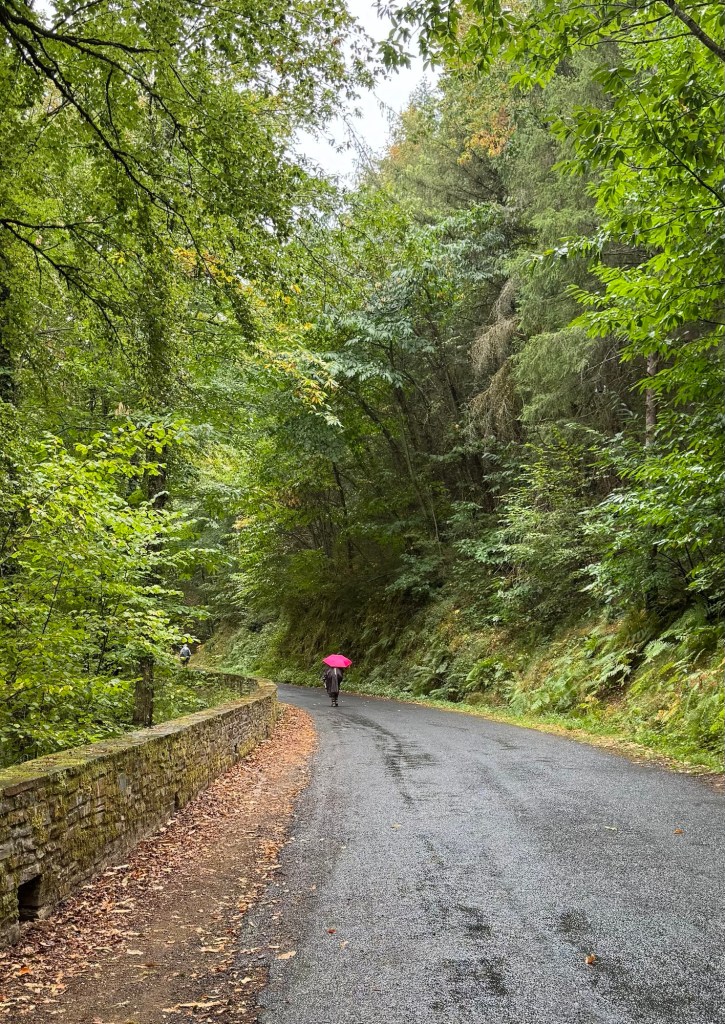
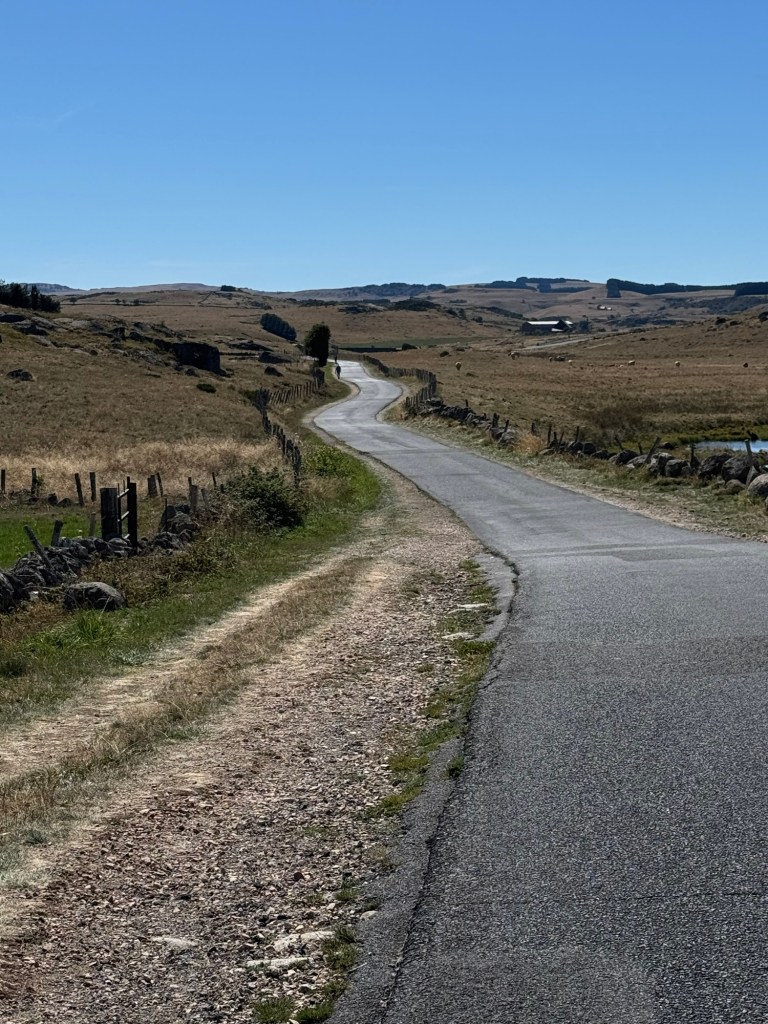
GR-65 was mostly paved roads at this point with little traffic. Some hikers hate having asphalt under their feet; they want earth even if it is rocky. I am in the other camp. Although I love going through forests and up mountains on trails, the smoothness of the asphalt is easier on my bones and muscles.
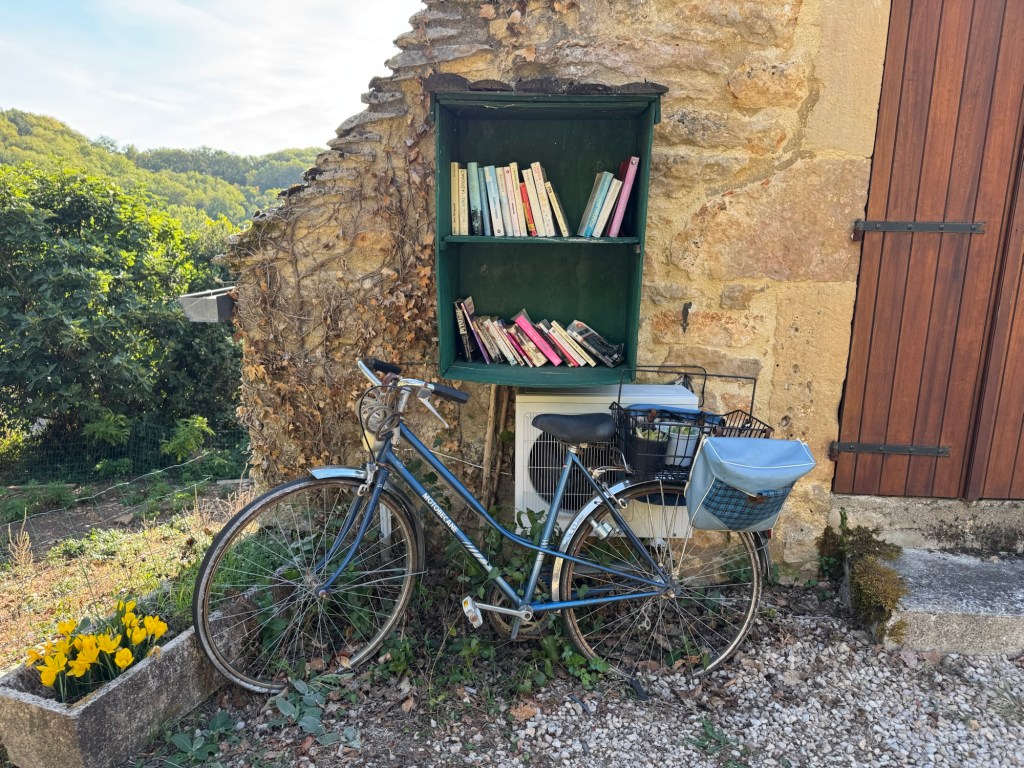
So it was when I reached Faycelles at about the 5 mile mark. A free lending library was on my left — the fourth so far on the Chemin. These libraries have had different styles: no doors or doors with no windows. Another sign of promoting a literate society.
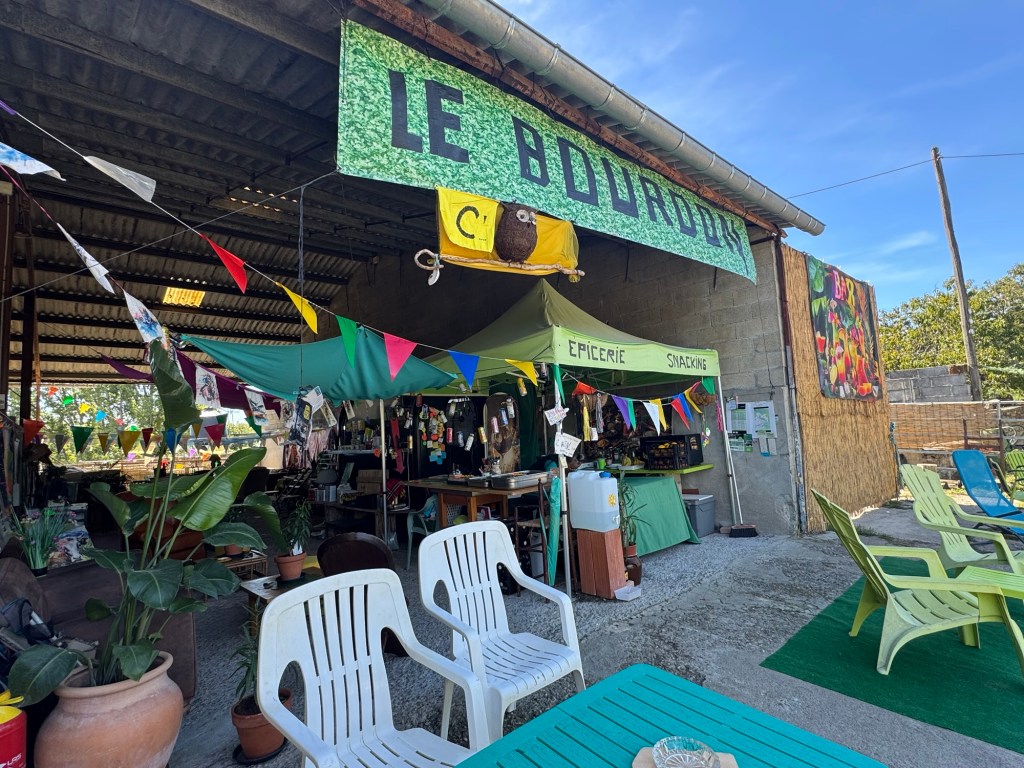
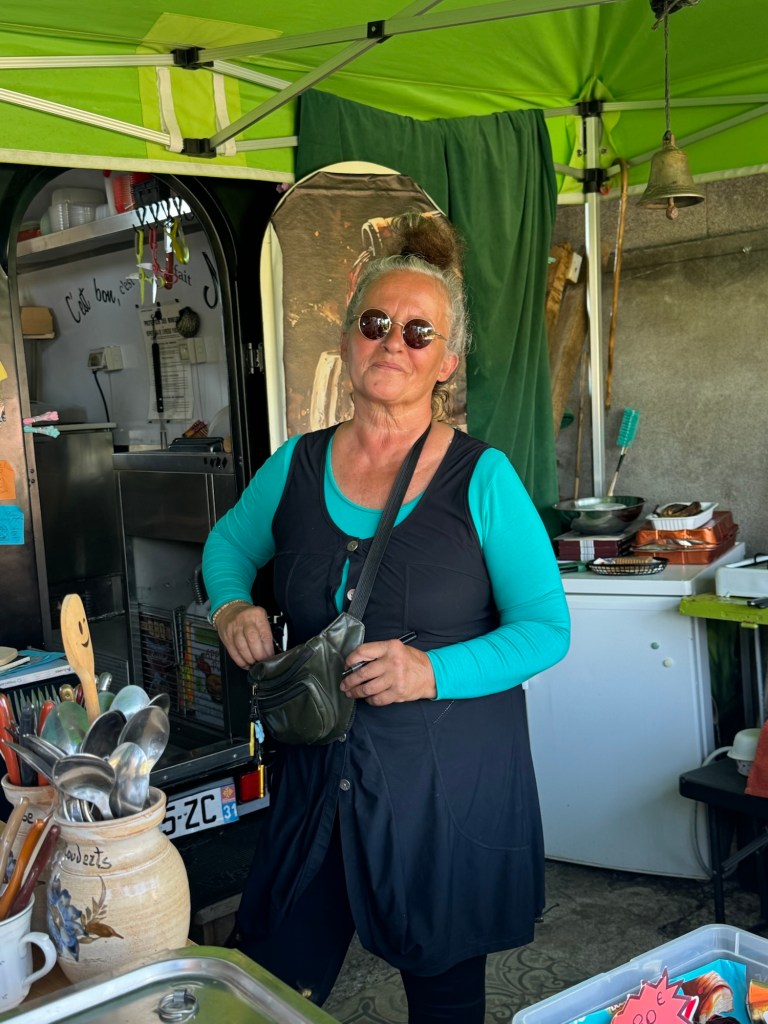
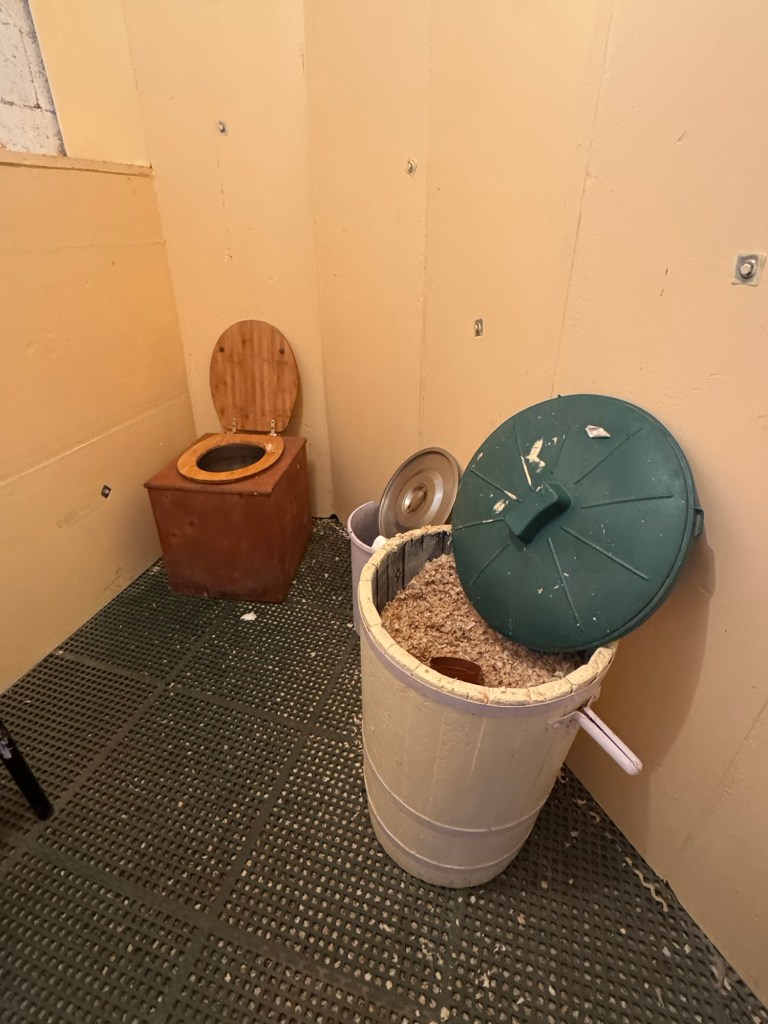
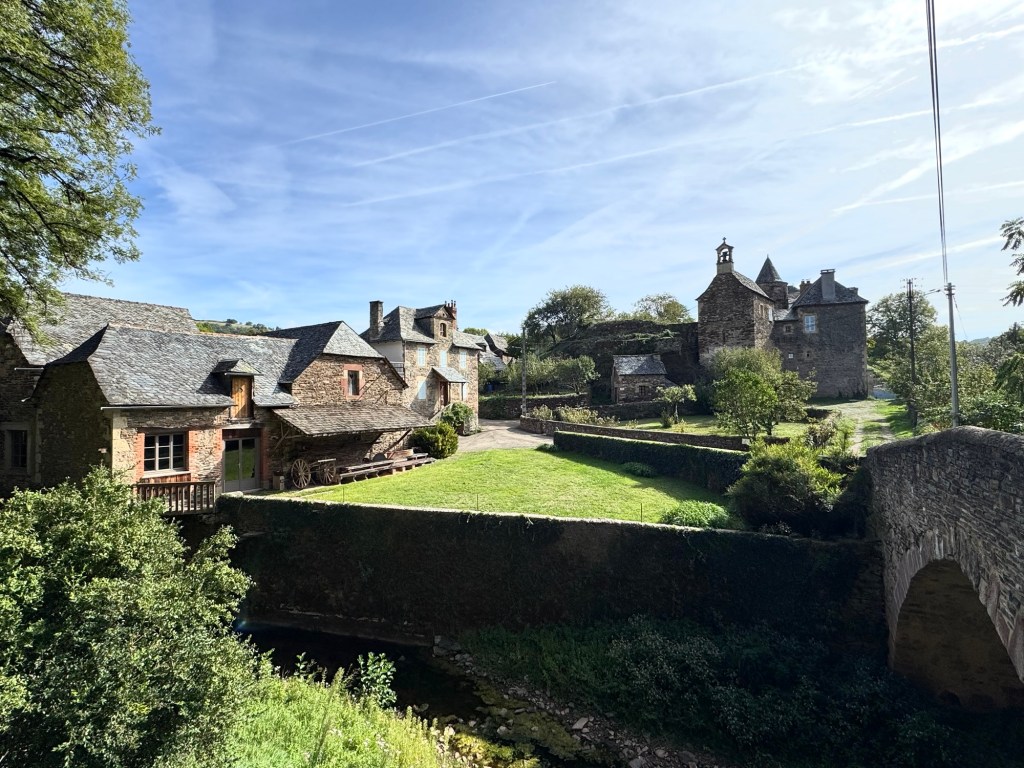
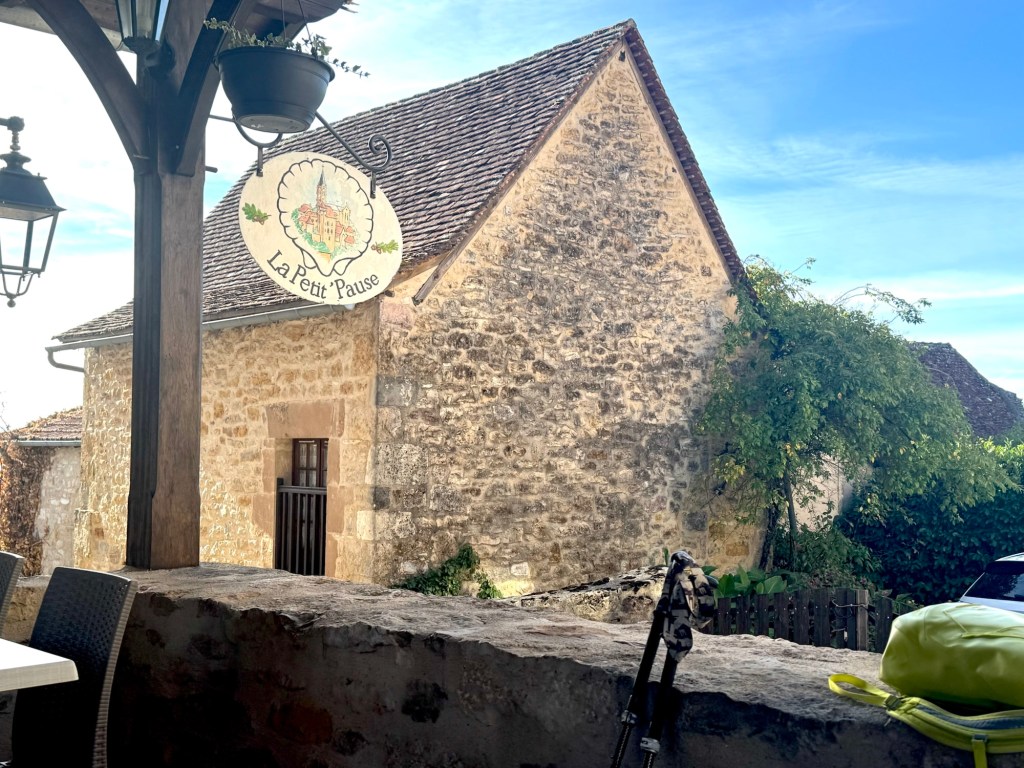
I made a sharp right turn to go to the village center. Shortly thereafter, La Petit Pause was just that, a place where you can have a café, bier, sandwiches, snacks and fruits, and most importantly, a very clean toilette. The place was filled with hikers. The guidebooks warned that no other facilities were available for the next 8 miles. This place is a gold mine.
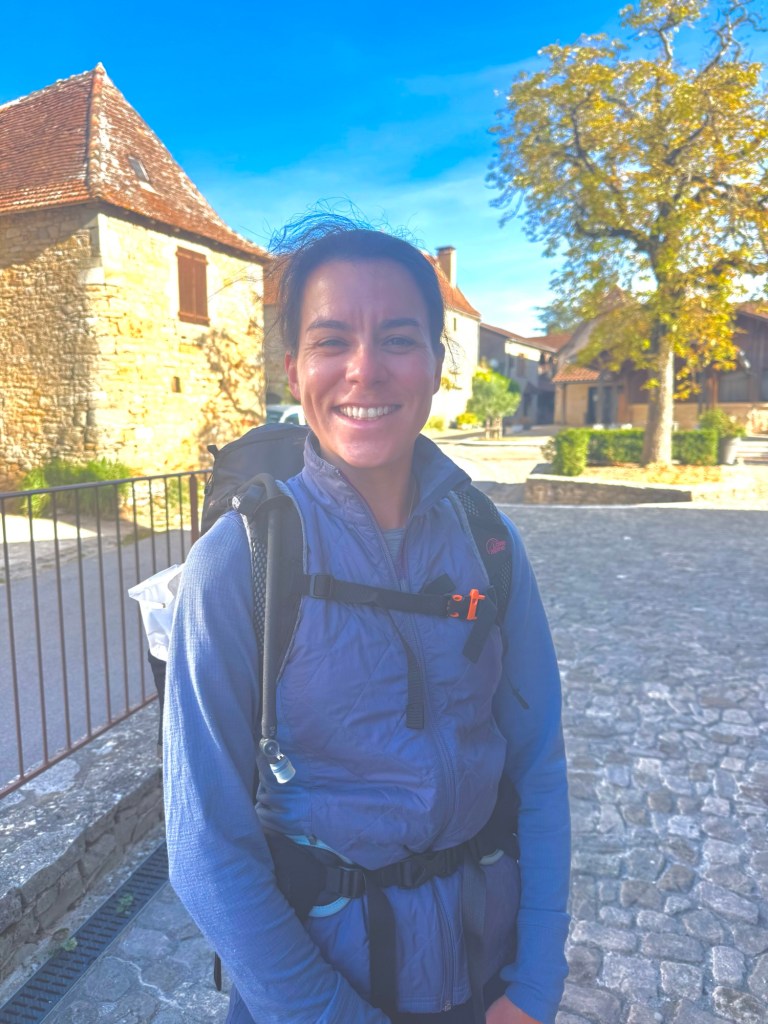
In the village, I met up again with Valerié from Montréal. We first met on Day 1 when I was refilling a water bottle labeled Naya. She recognized Naya as a Canadian brand. Turns out we had flown on Air Canada to Lyon though a day apart. I had seen her off and on the Chemin. This Chemin is her 8th Camino. She has a list of other walks to take. She will end this one in Cahors. Perhaps we will meet again.
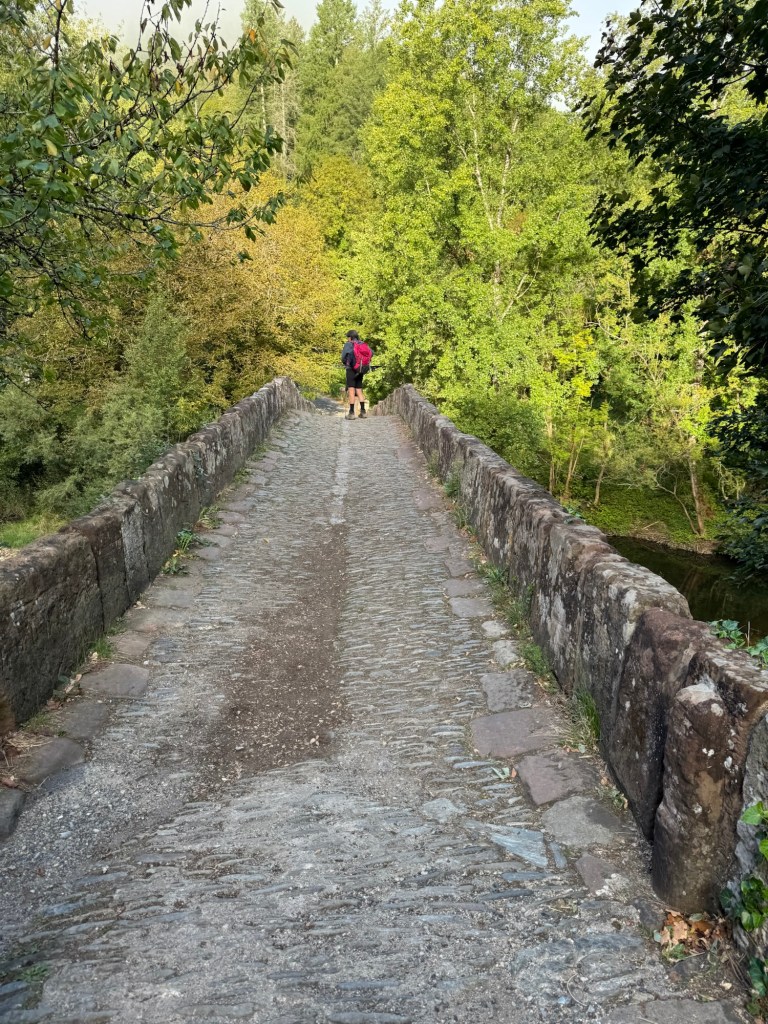
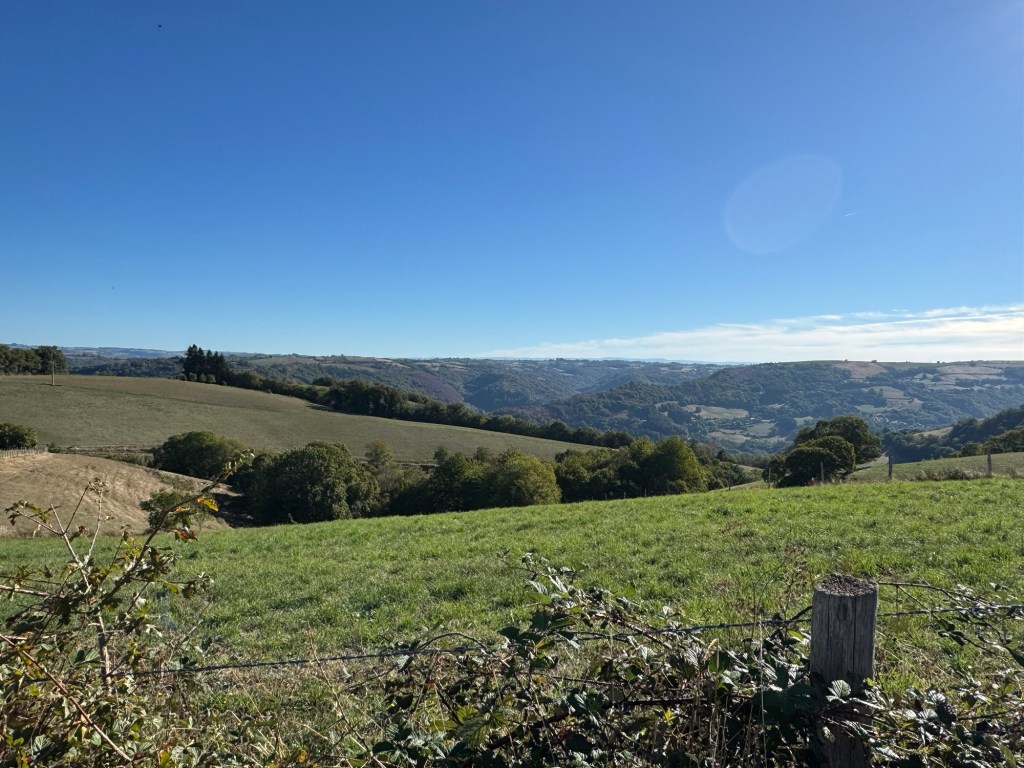
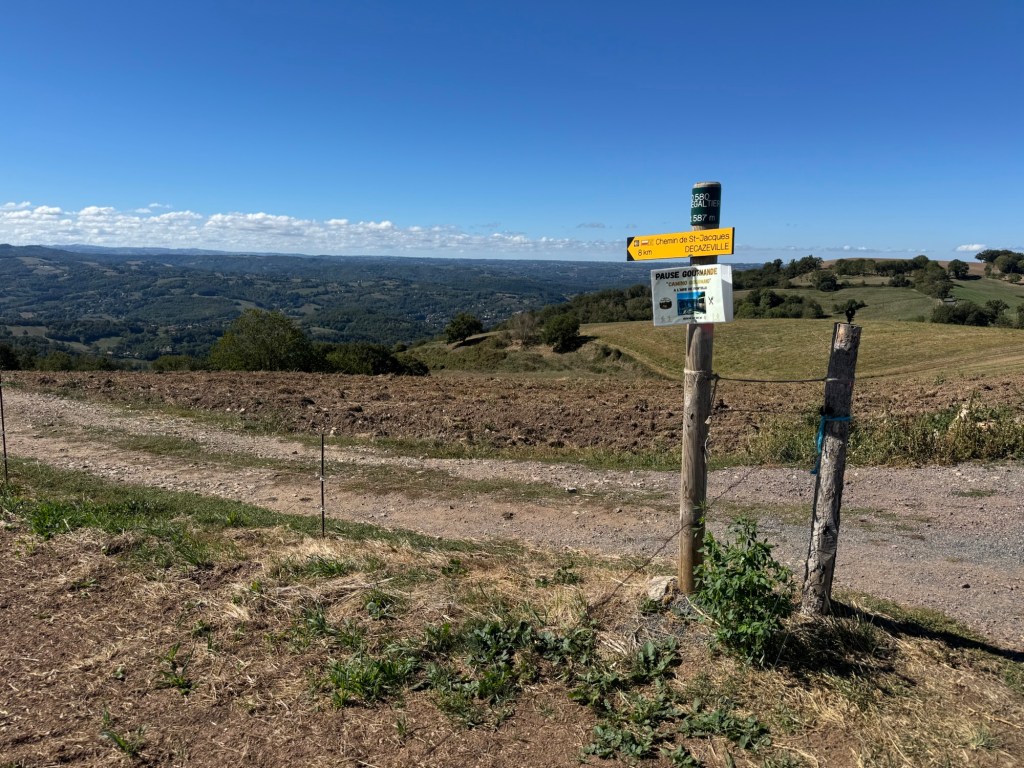
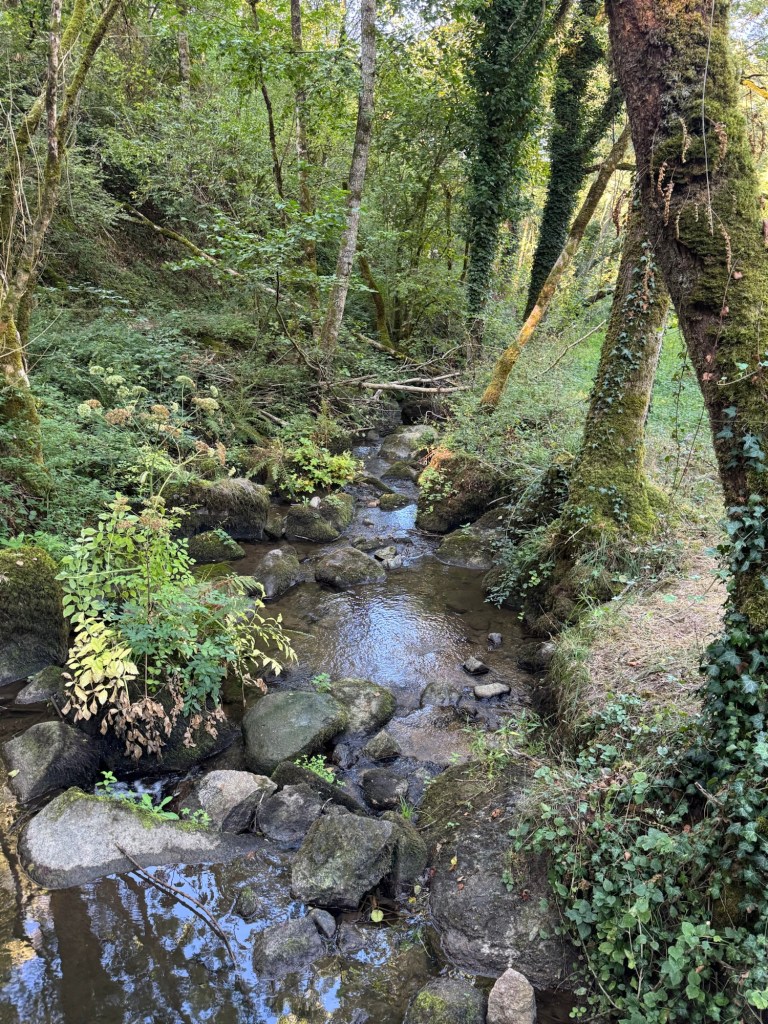
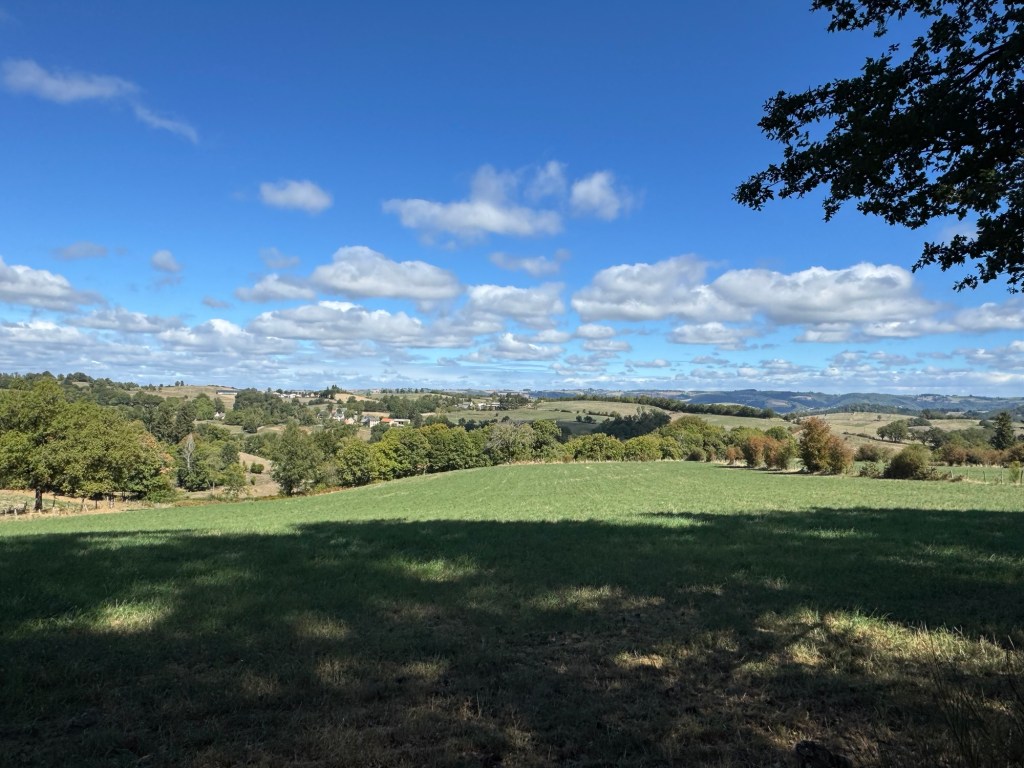
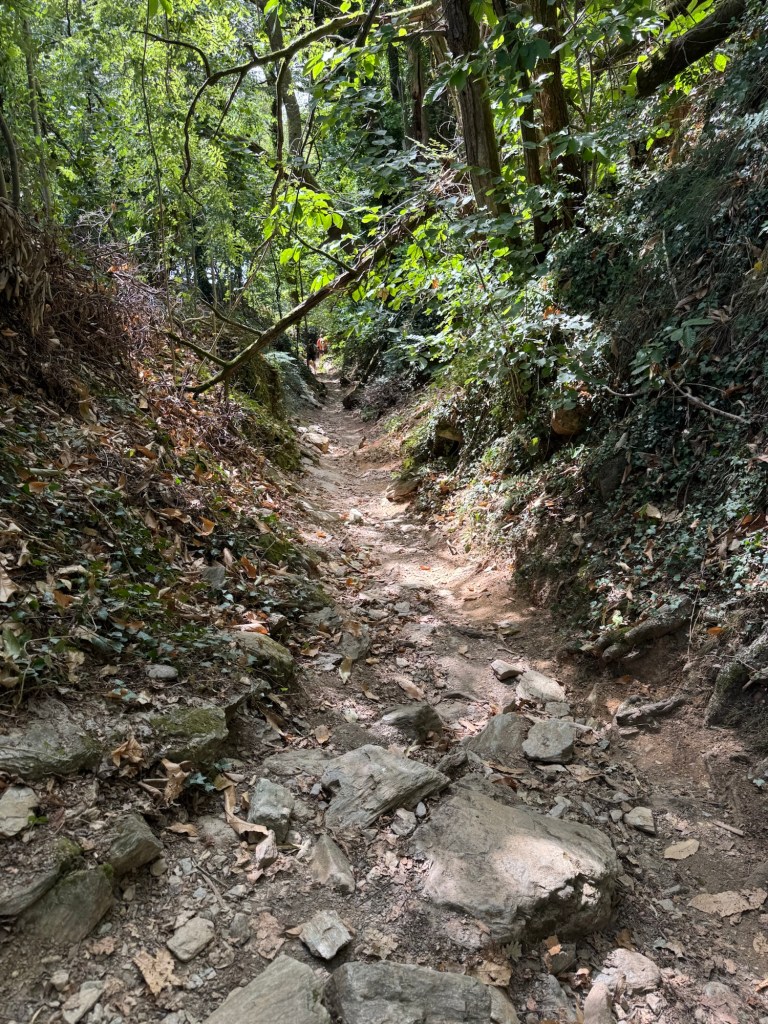
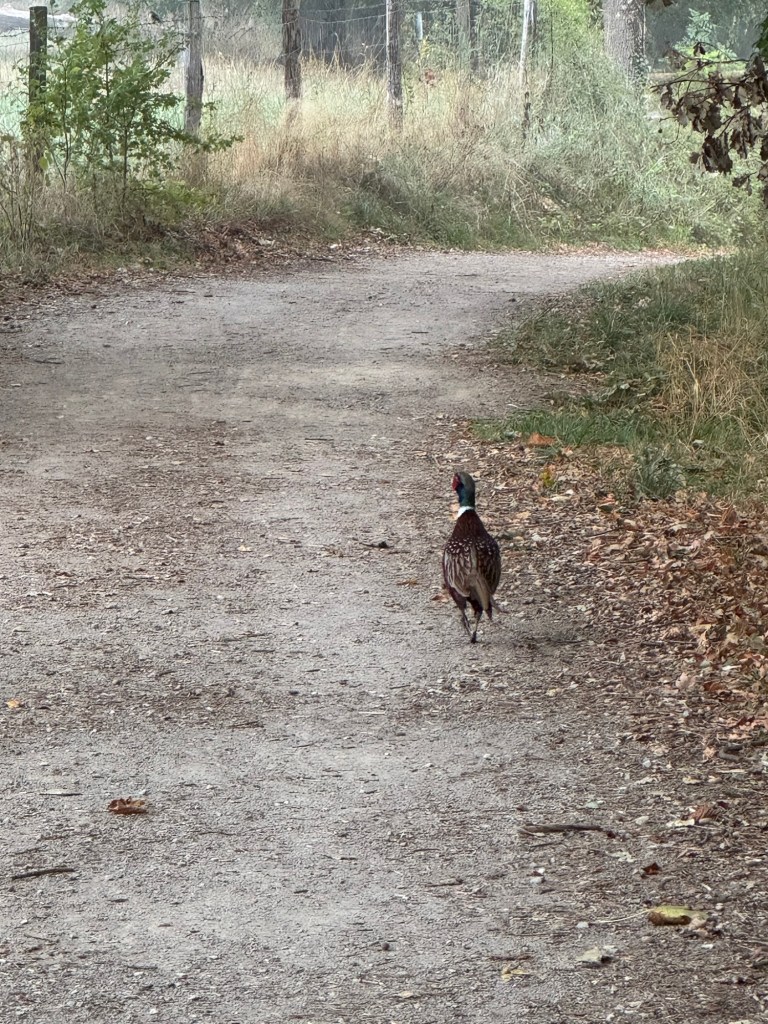
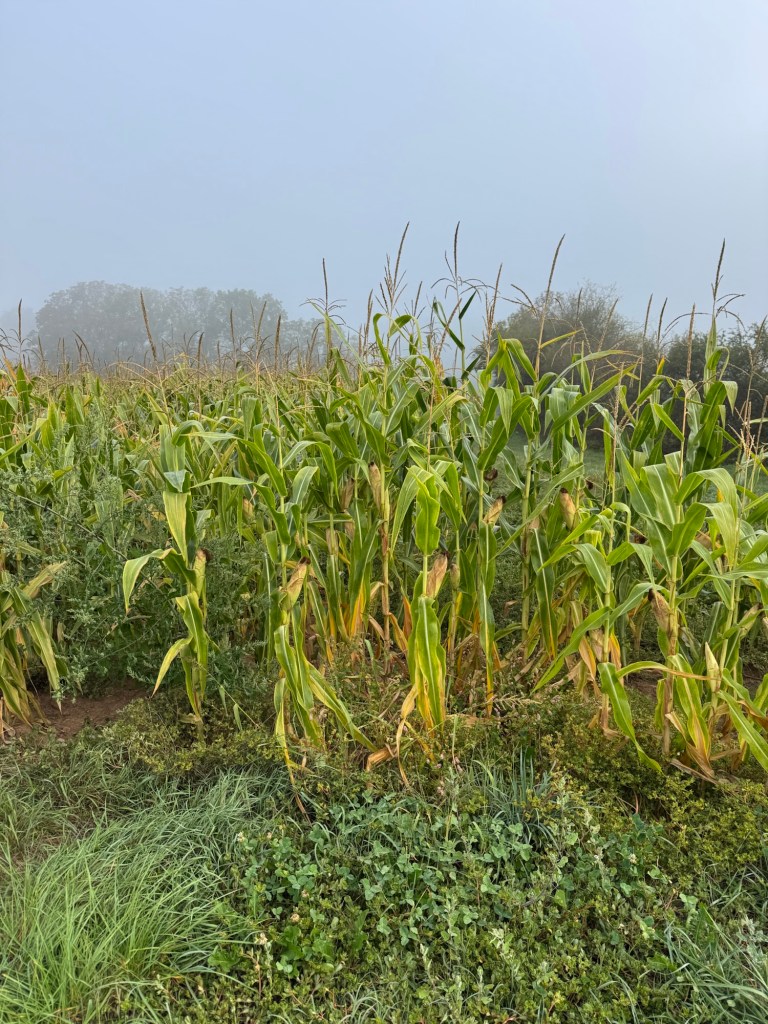
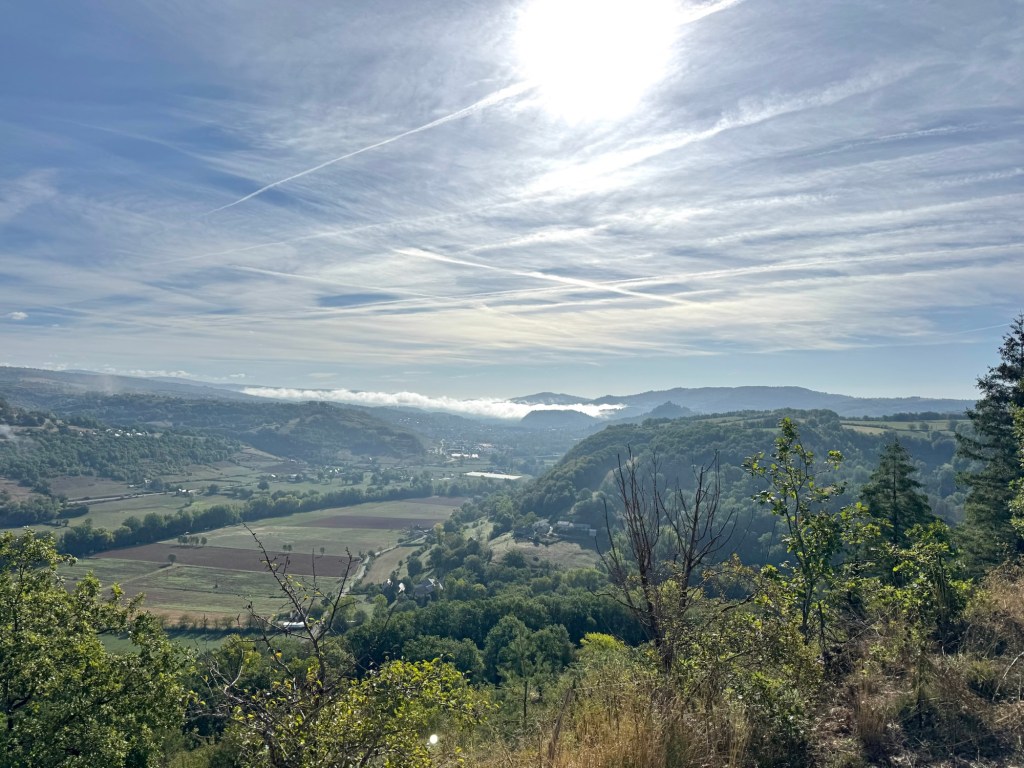
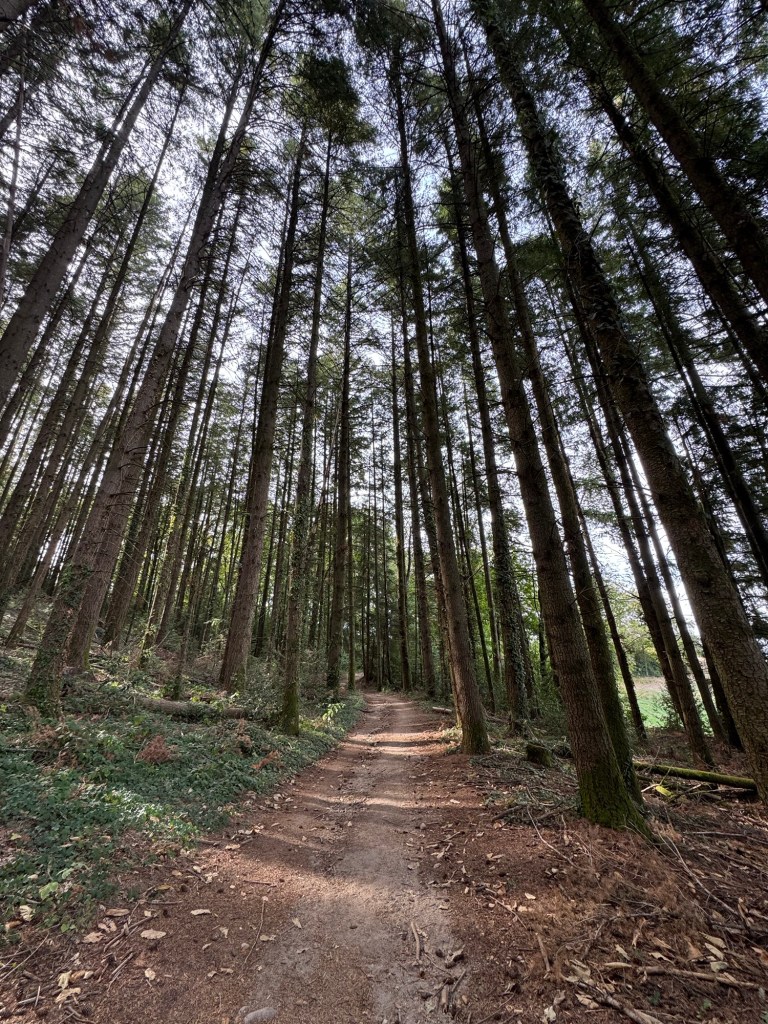
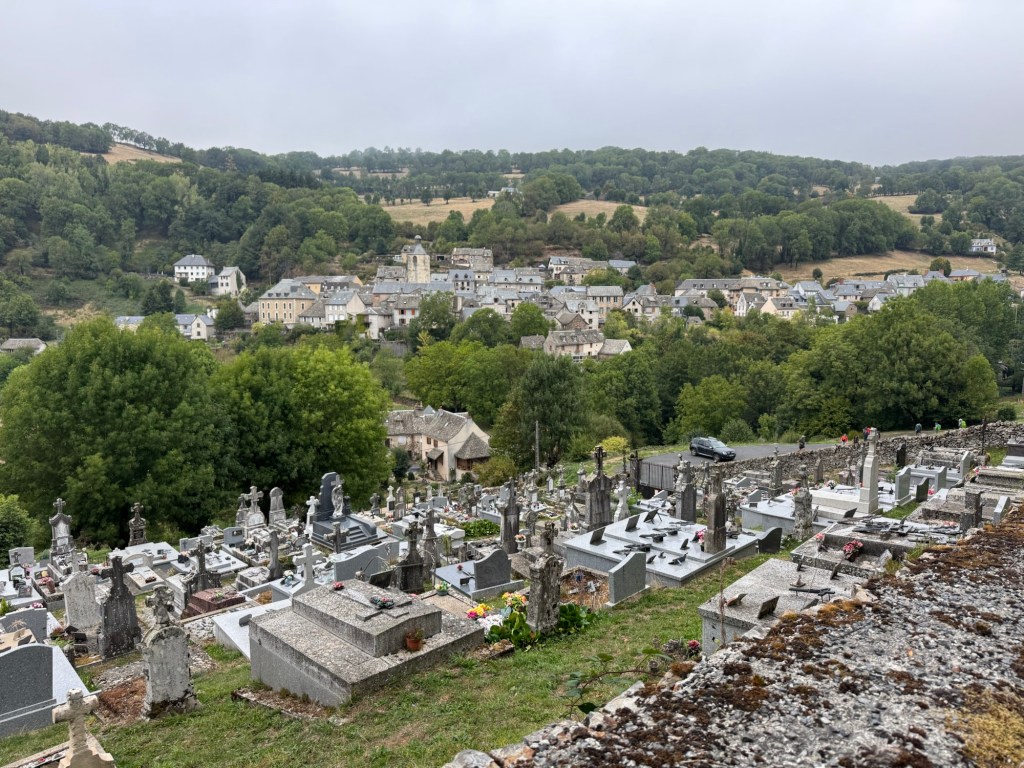
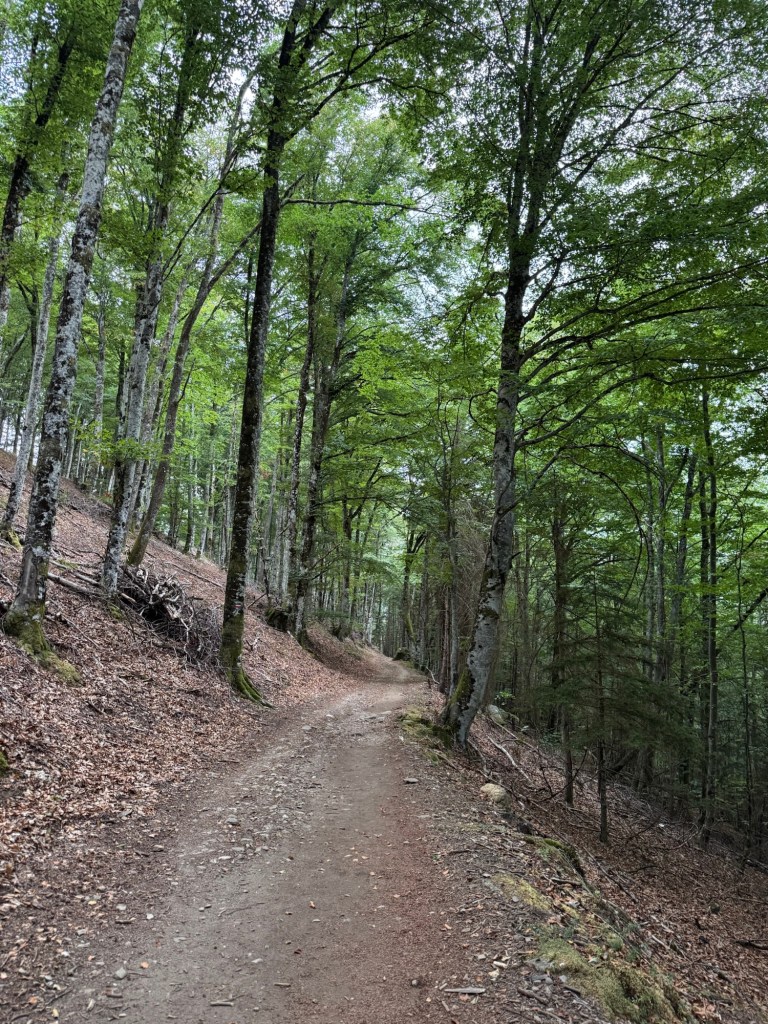
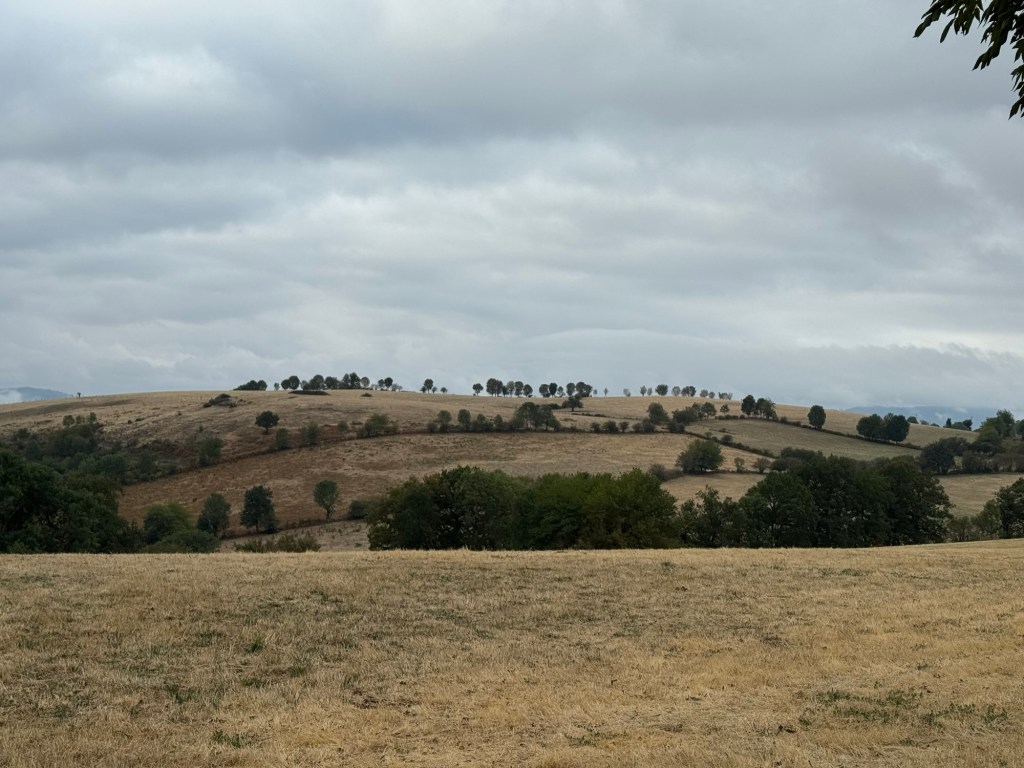
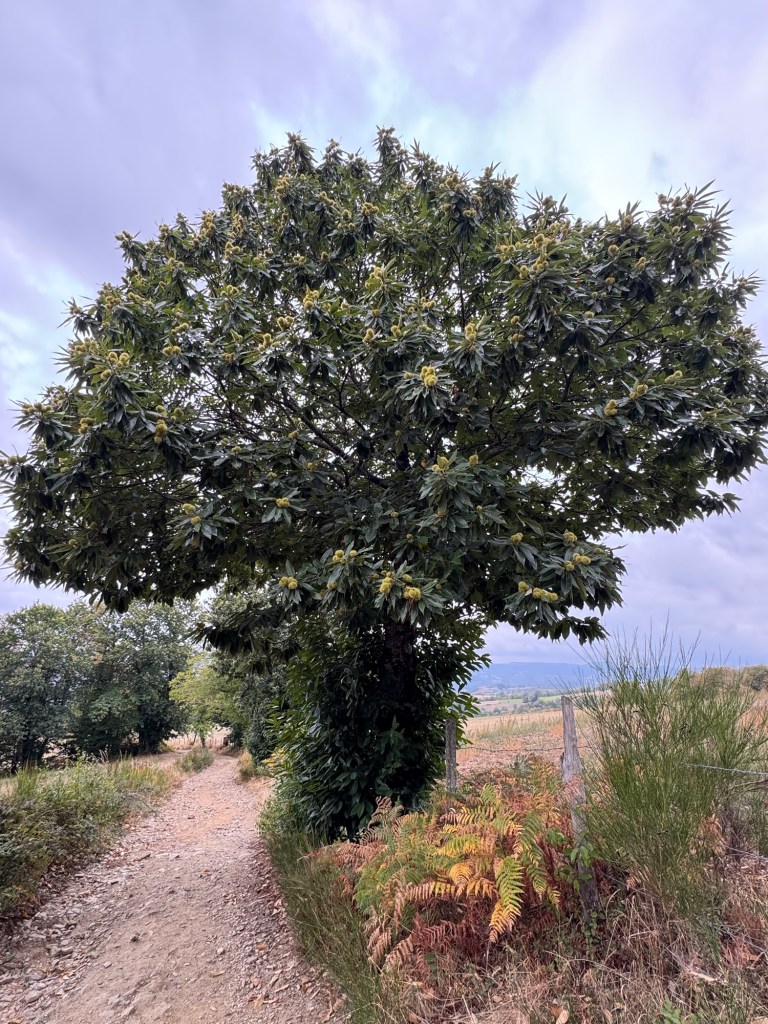
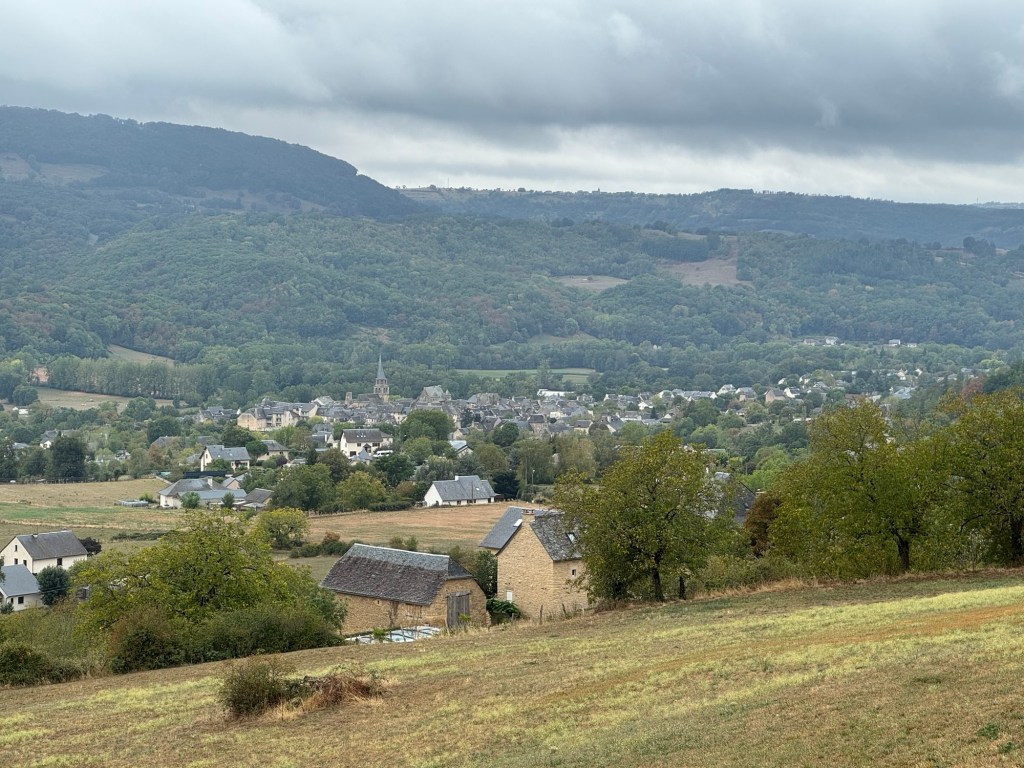
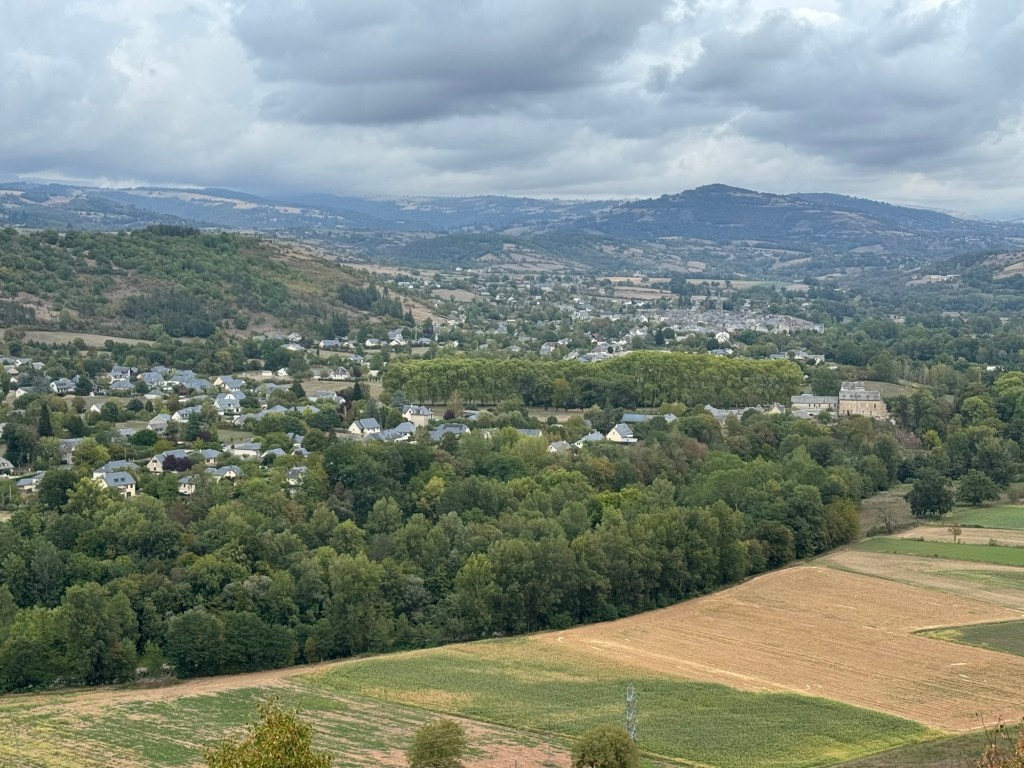
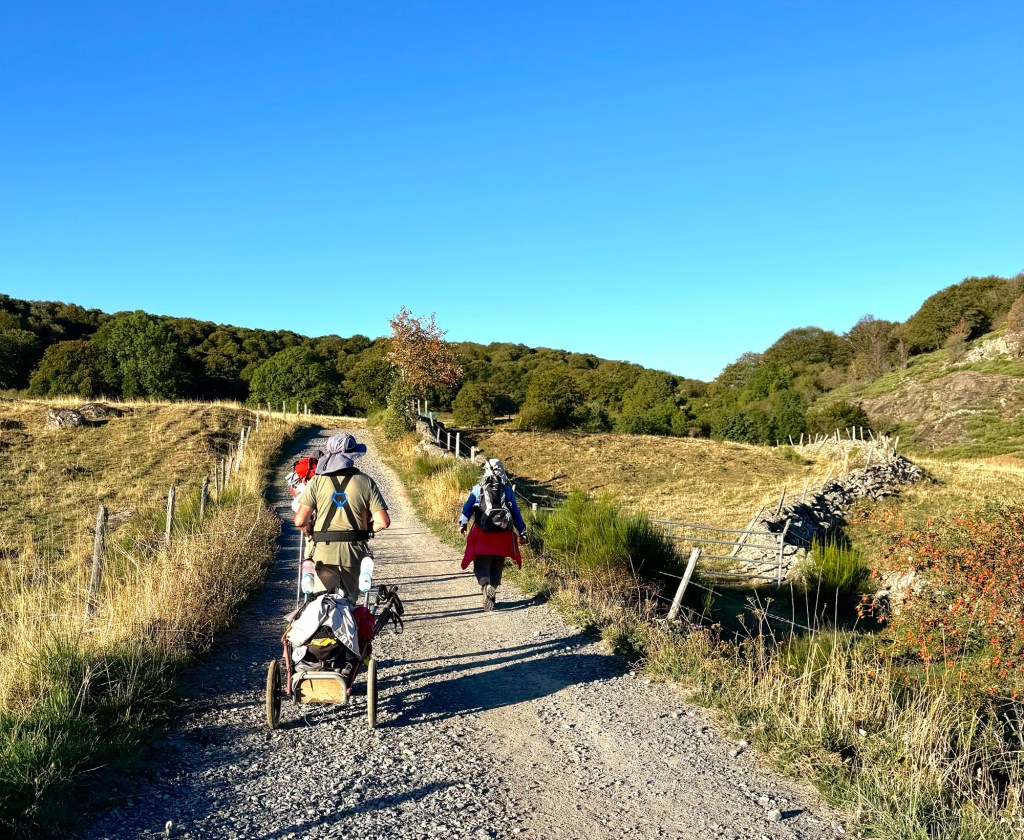
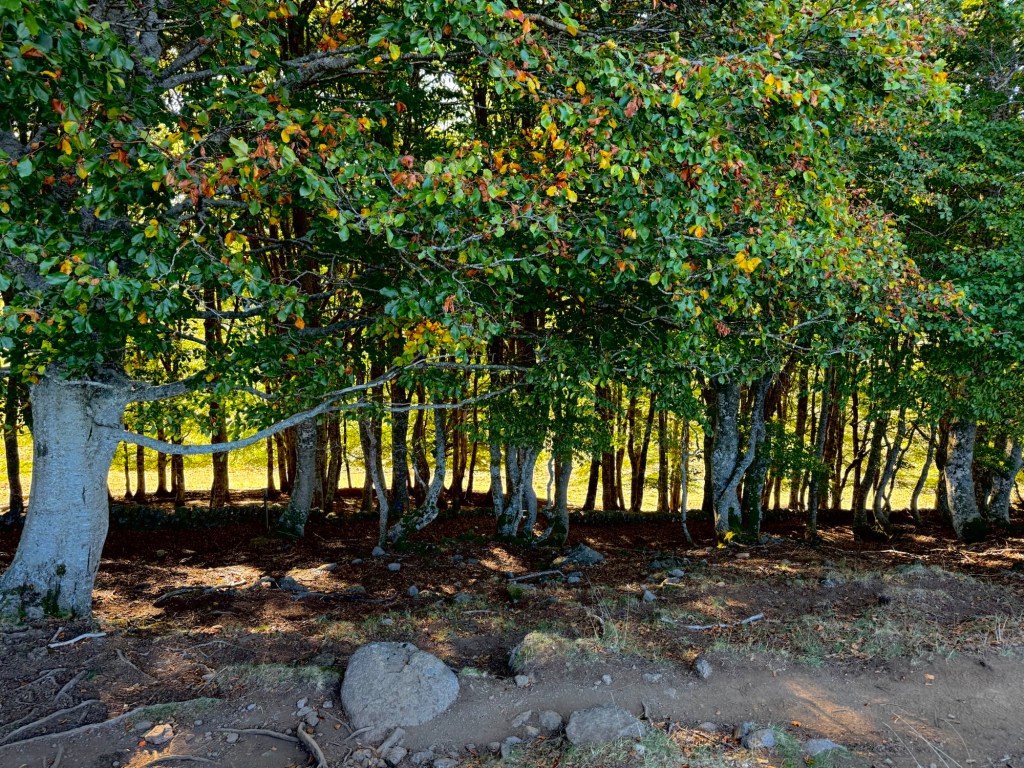
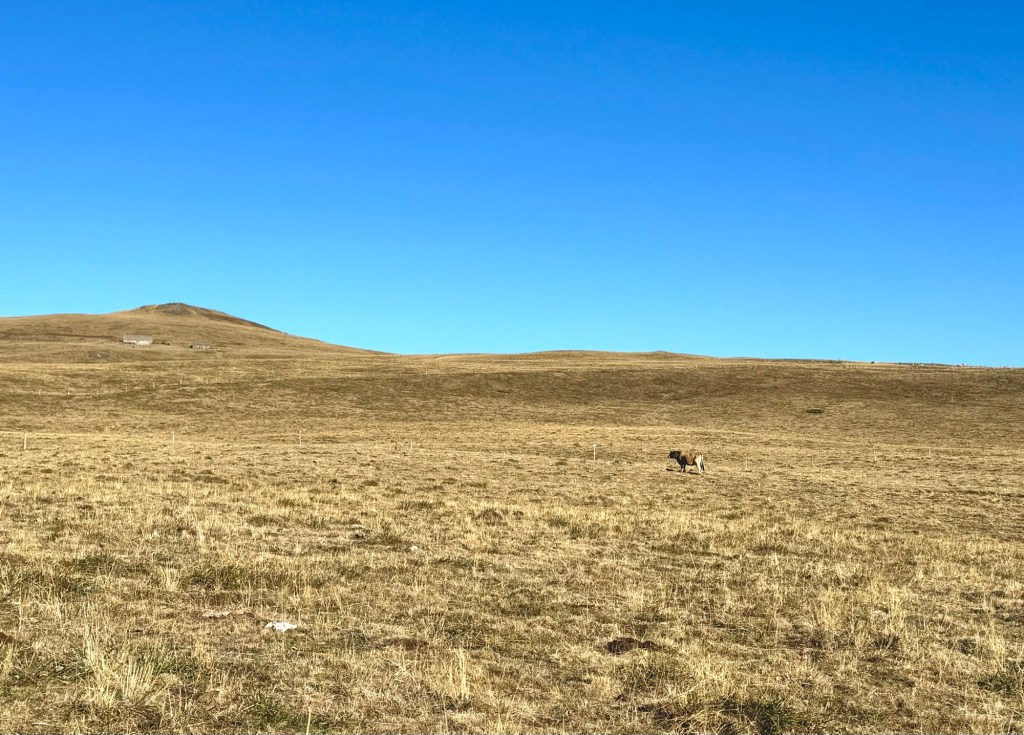
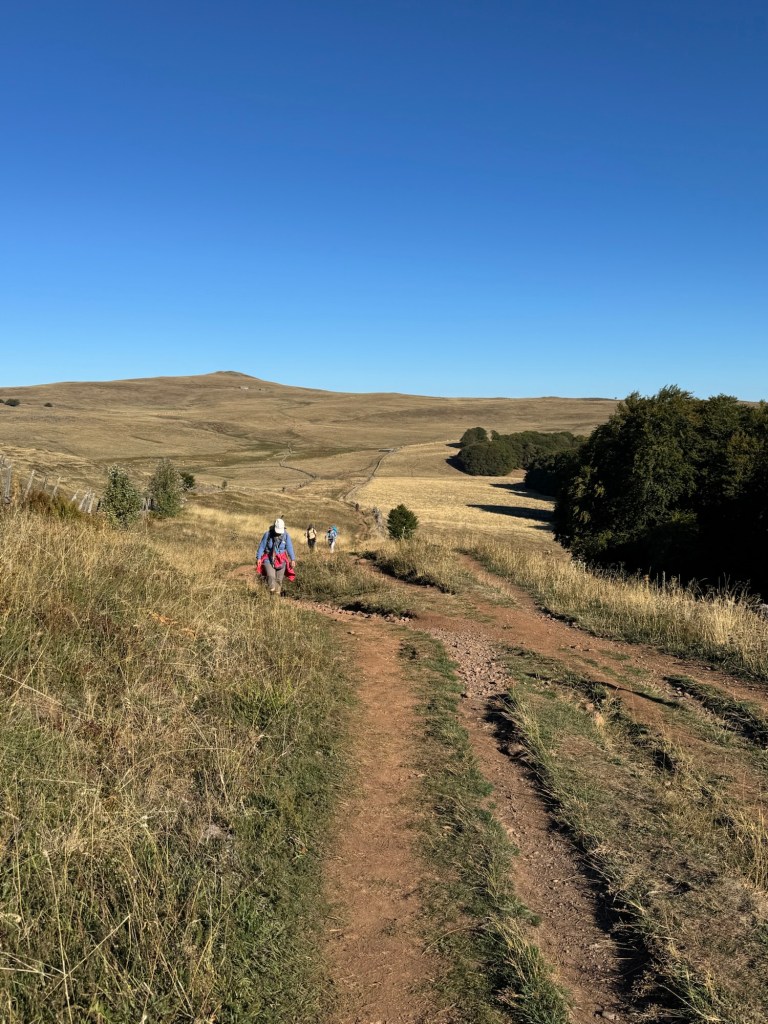
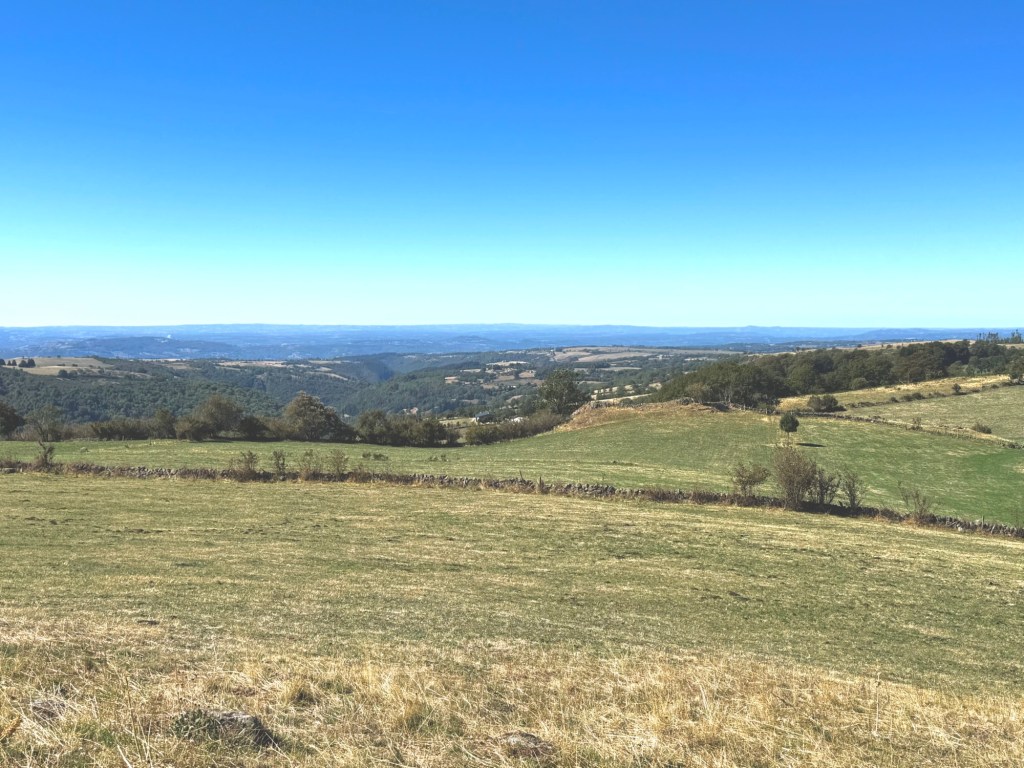
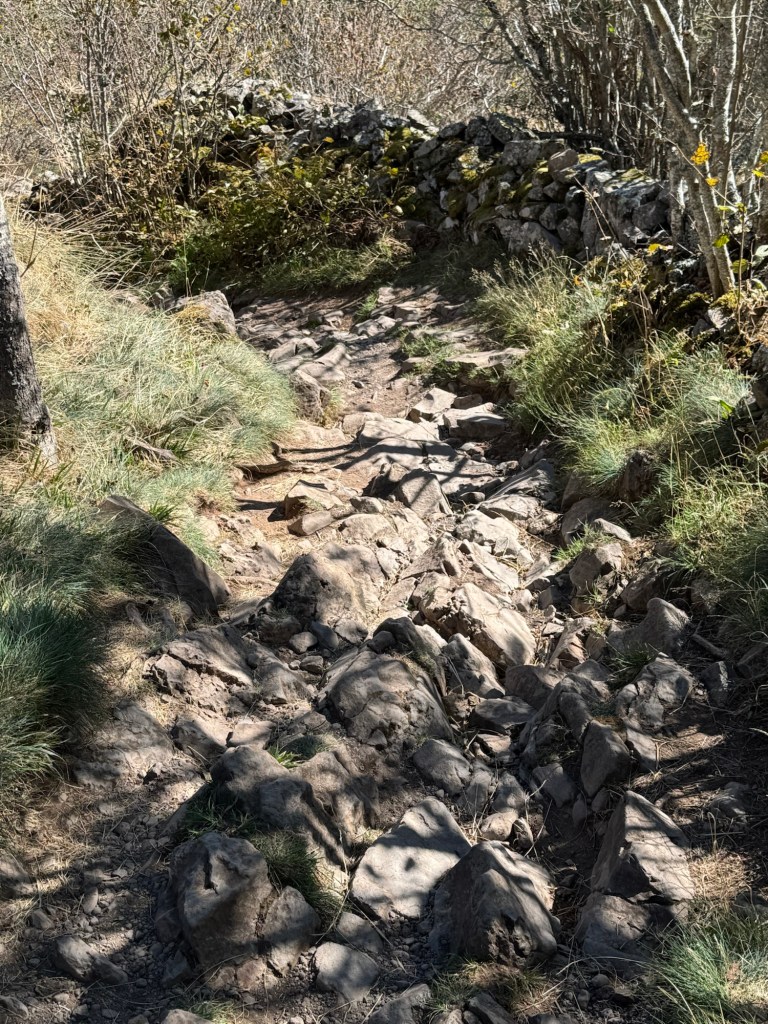
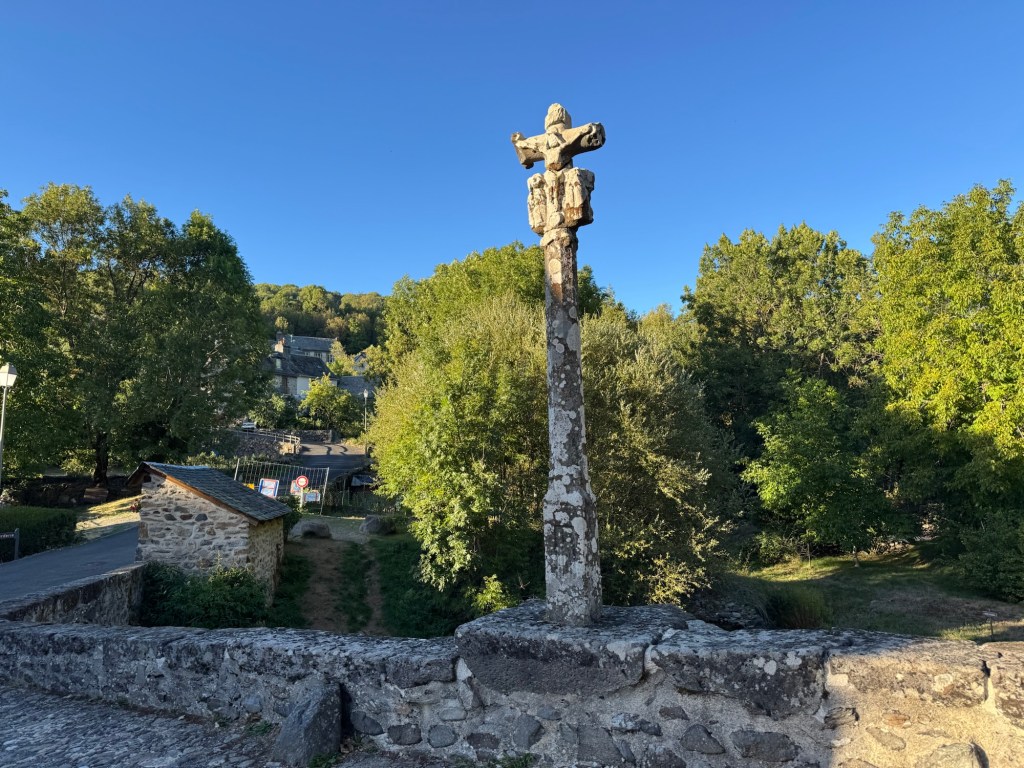
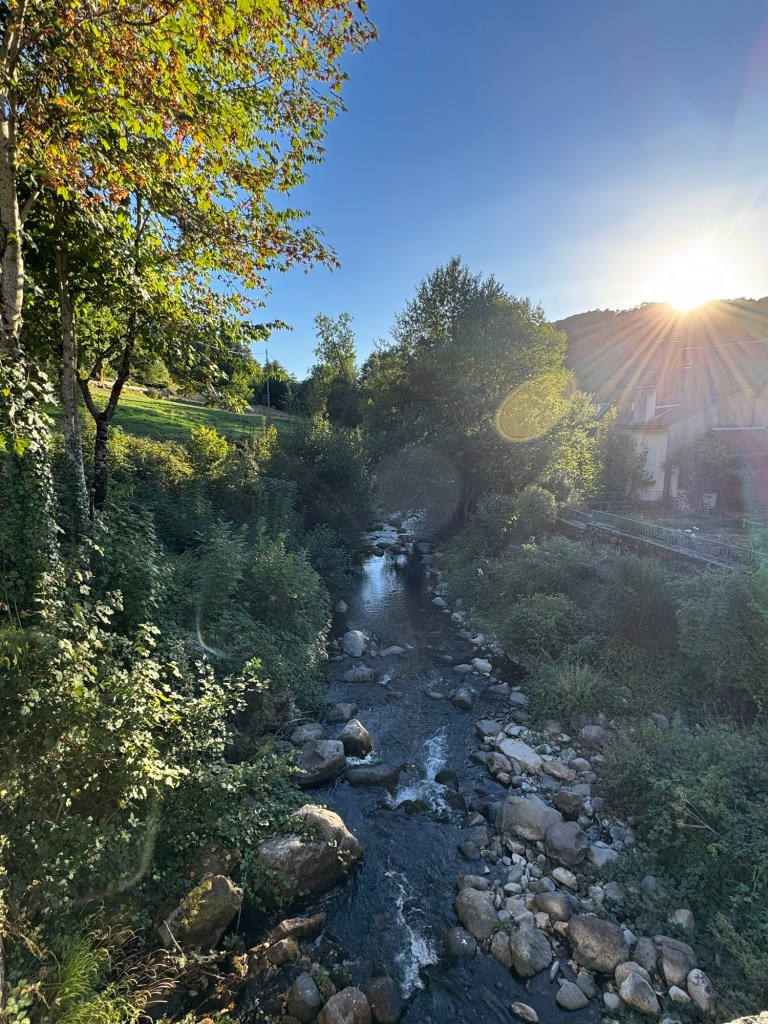
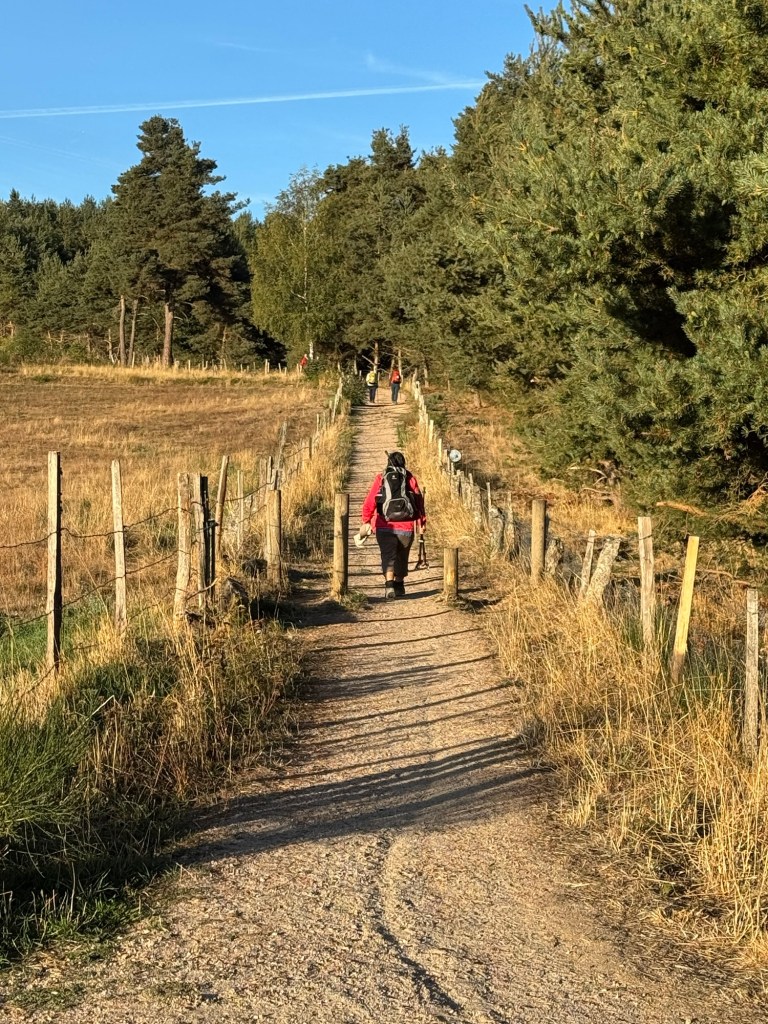
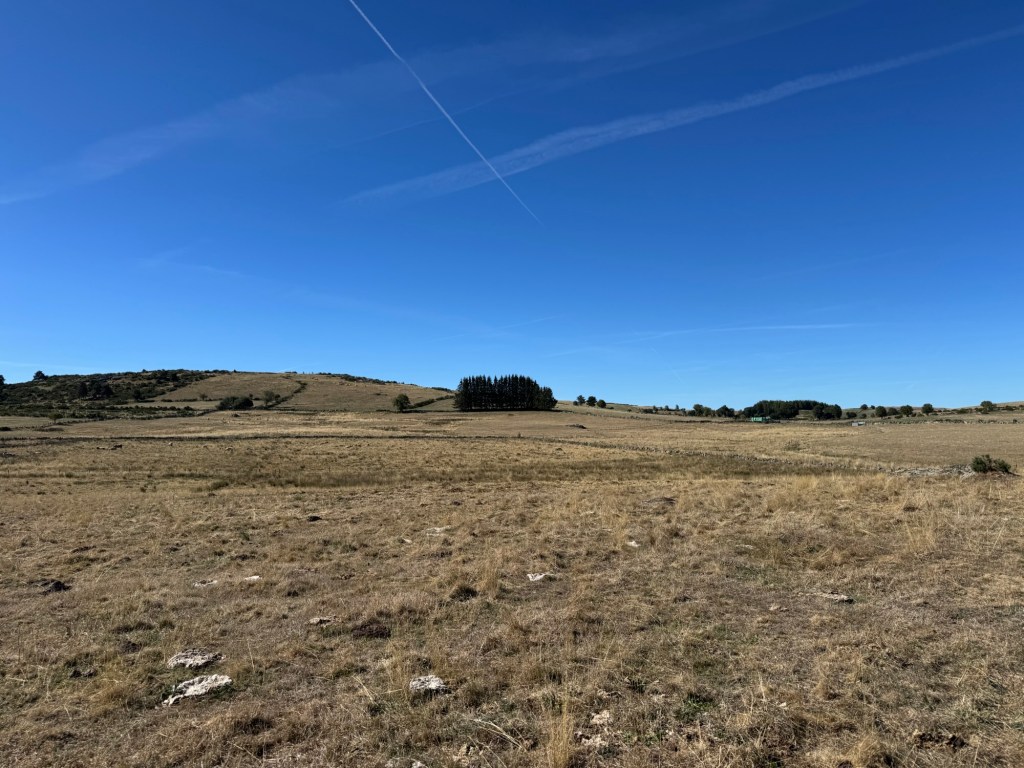
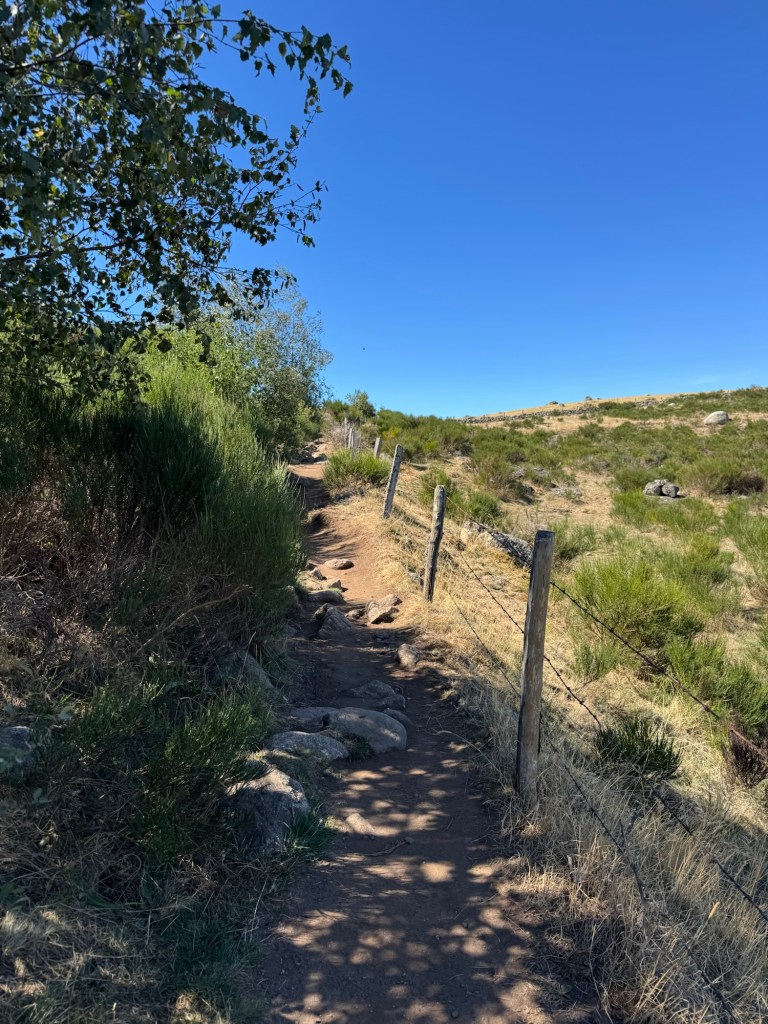
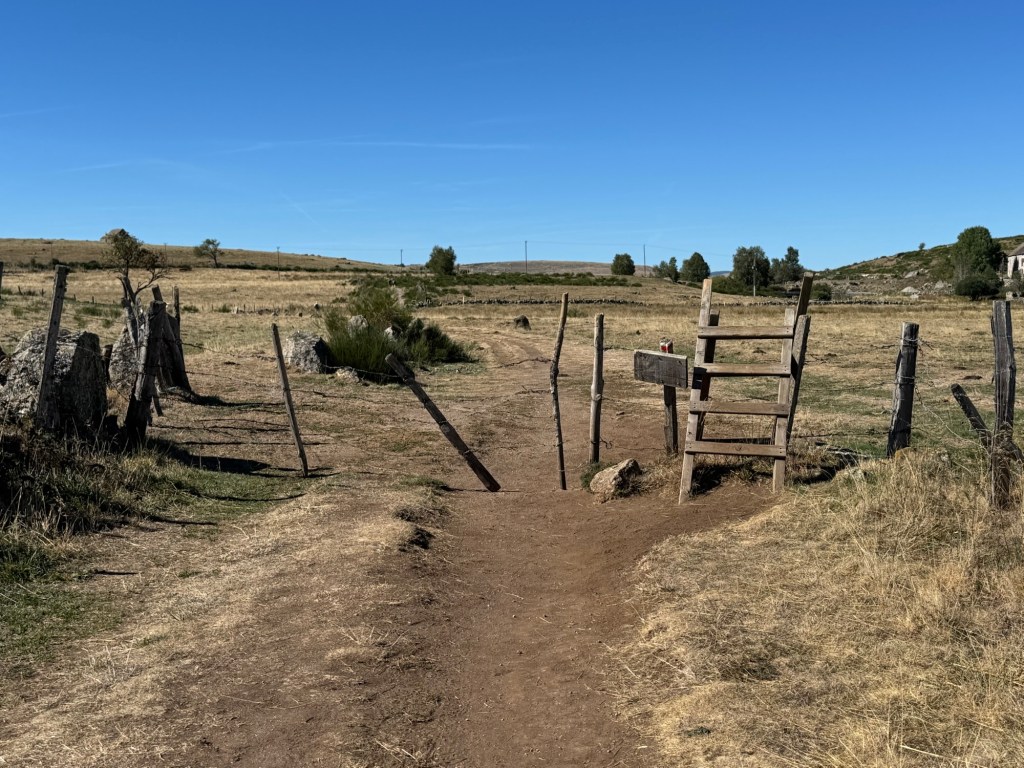
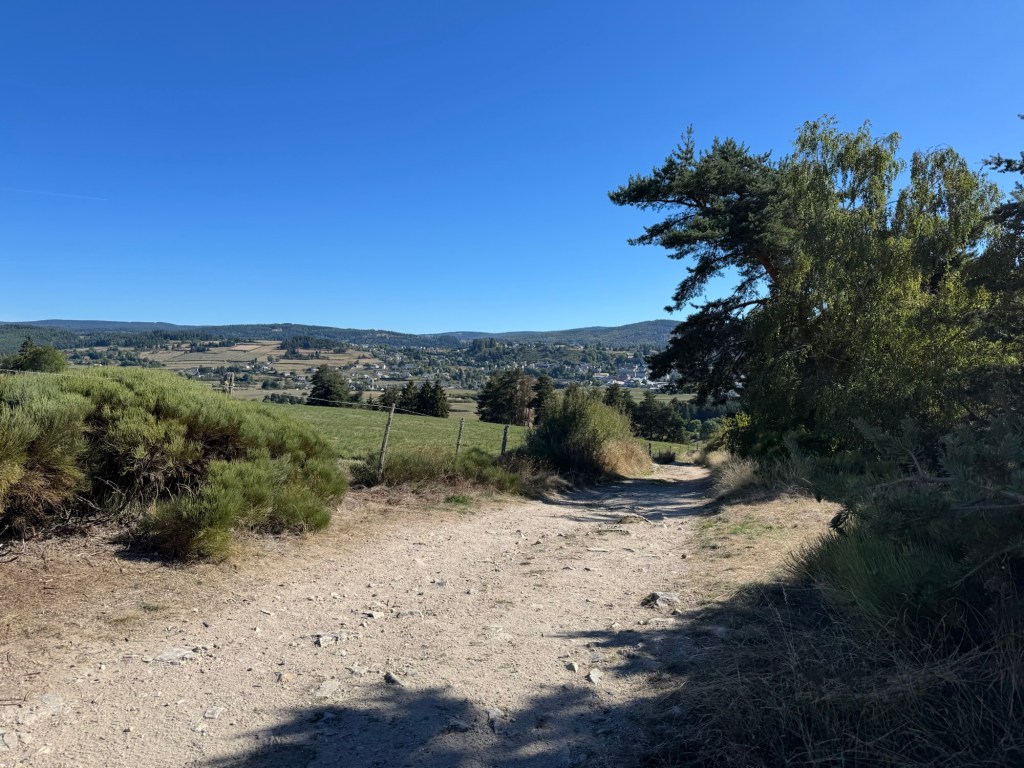
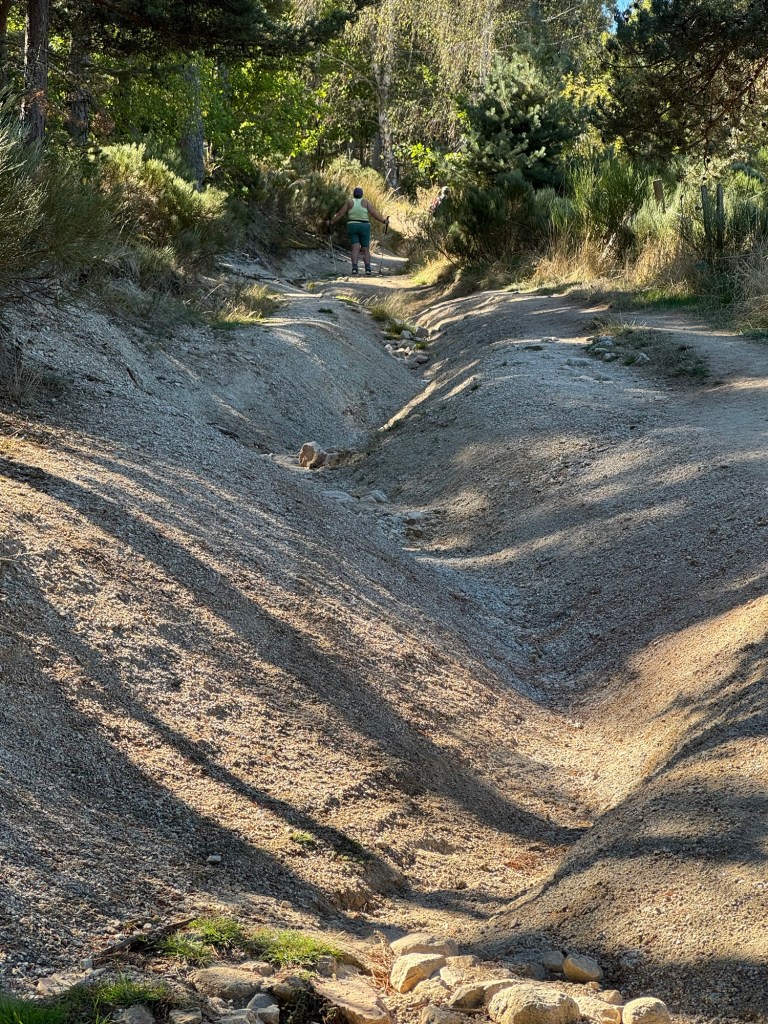
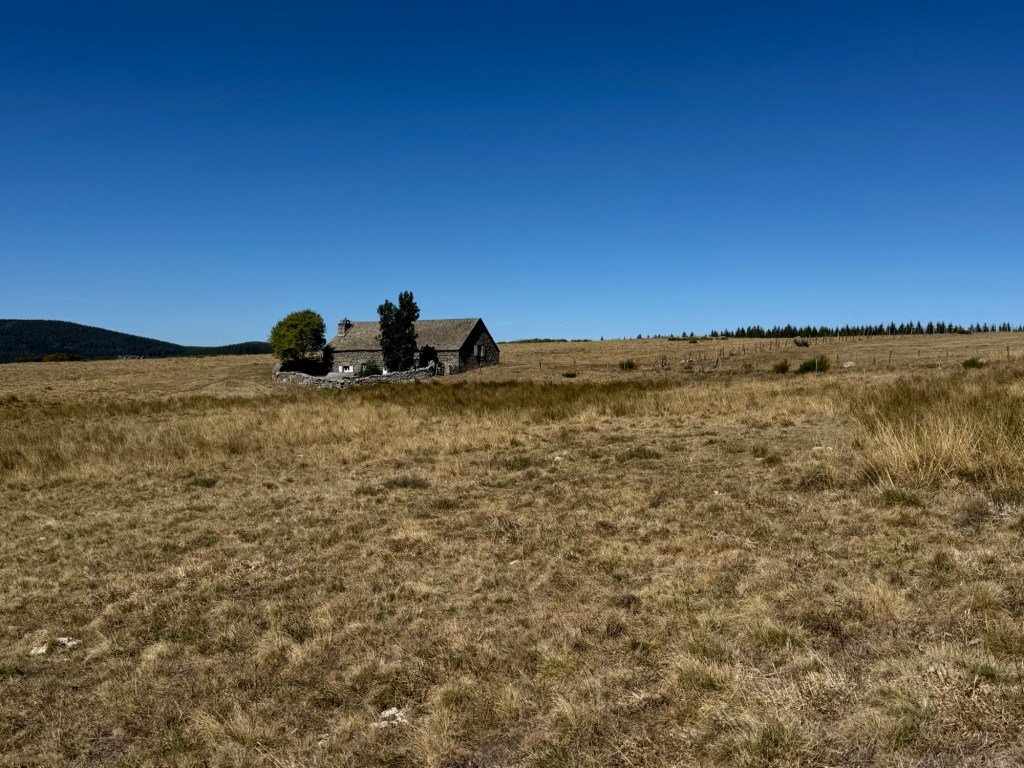
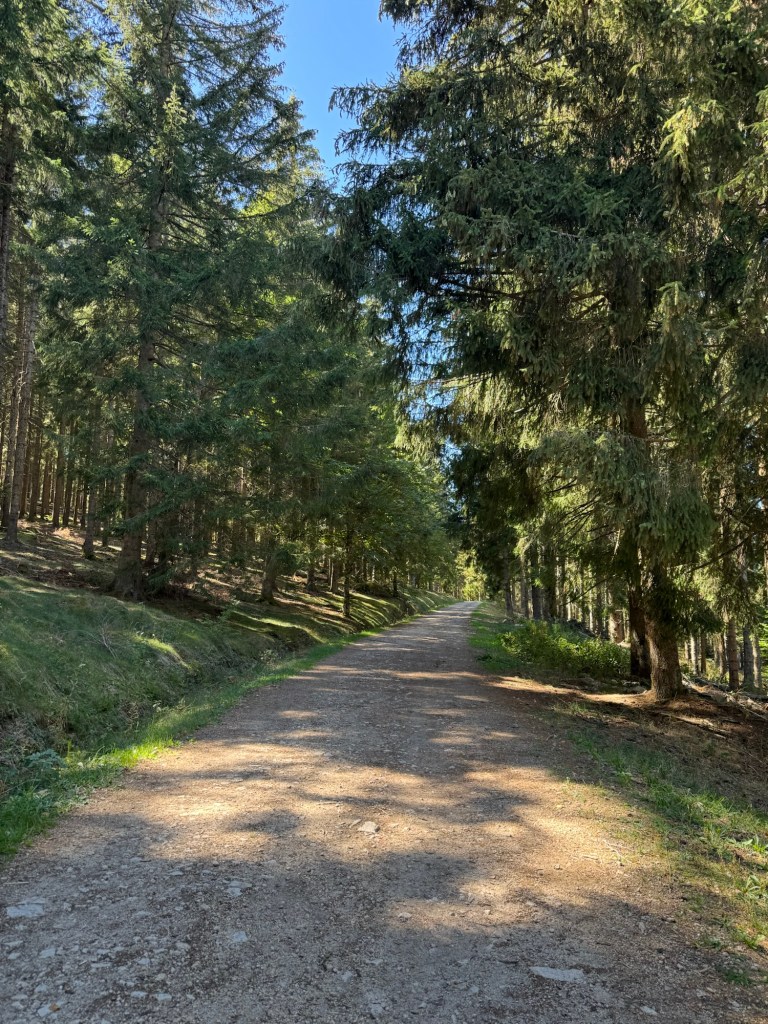
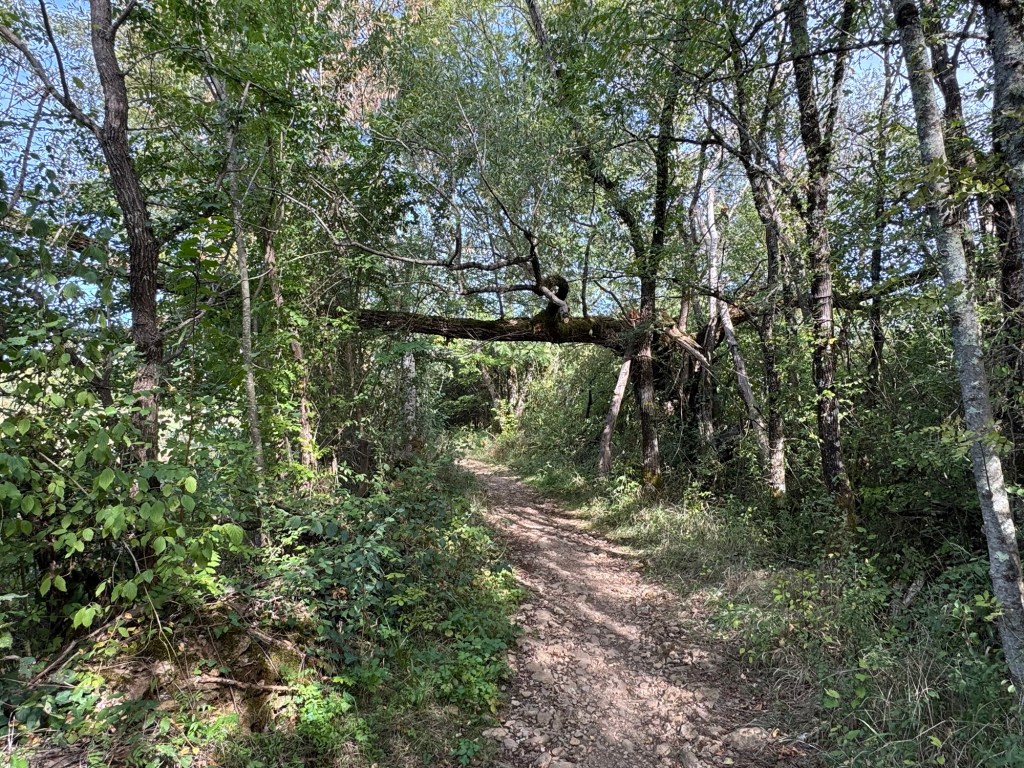
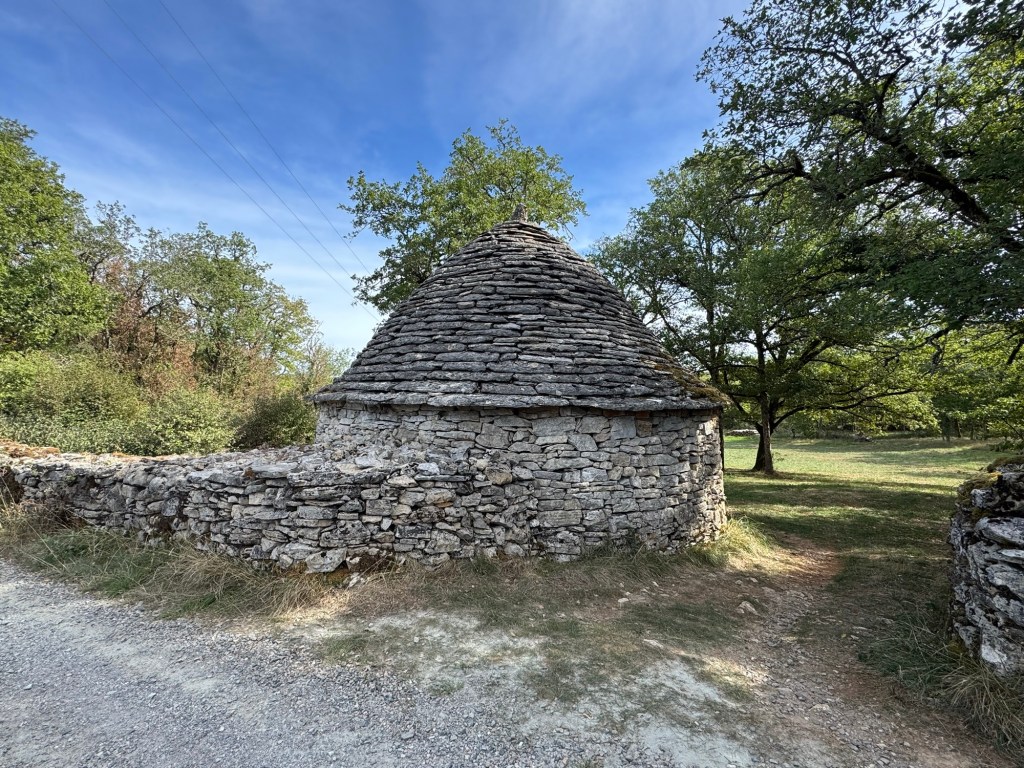
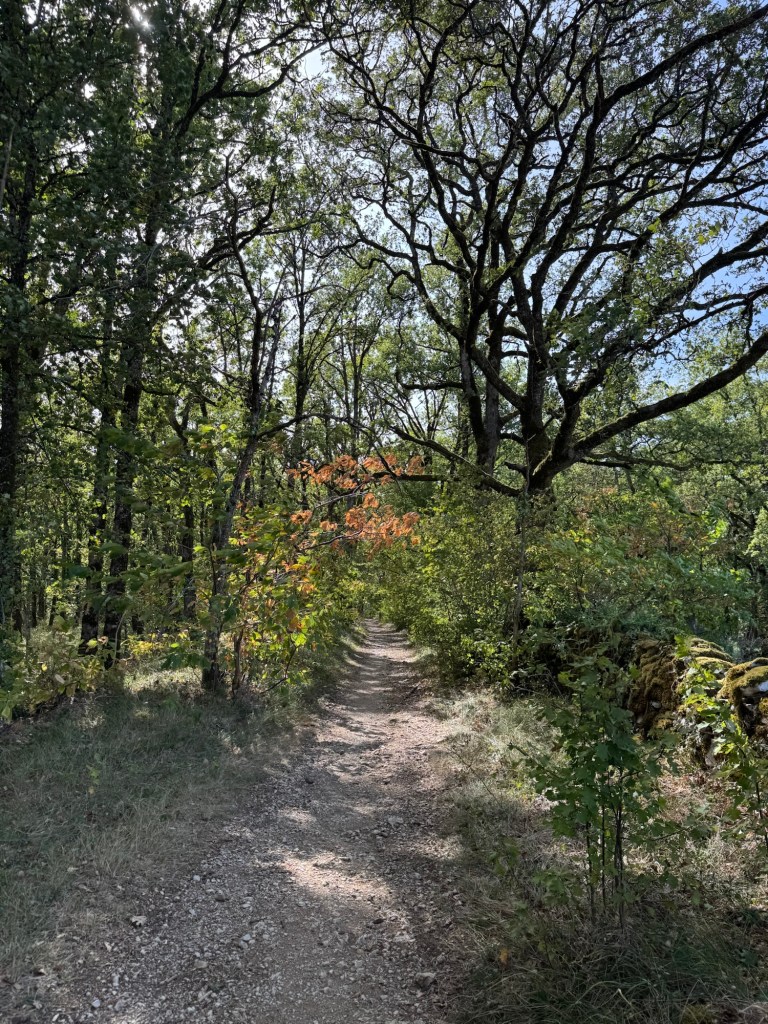
Fifteen miles to go. Here are some views of the trail until I descended into Carjac. The temperature peaked at 88F and the elevation gain with a few steep sections was 2600 feet.
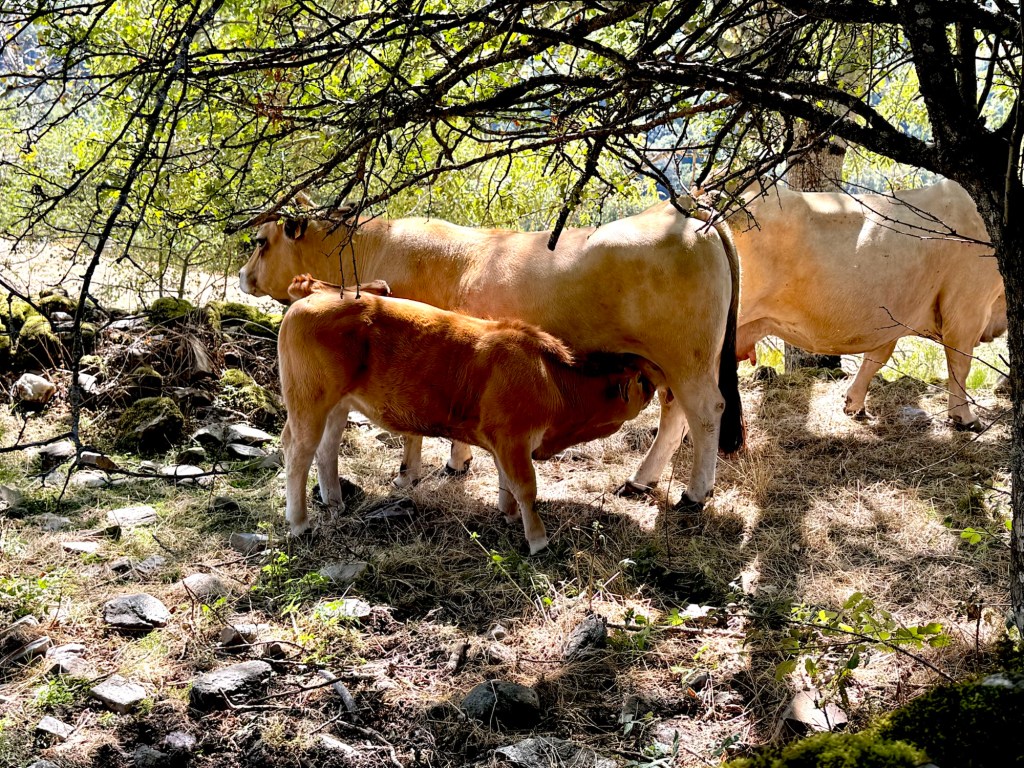
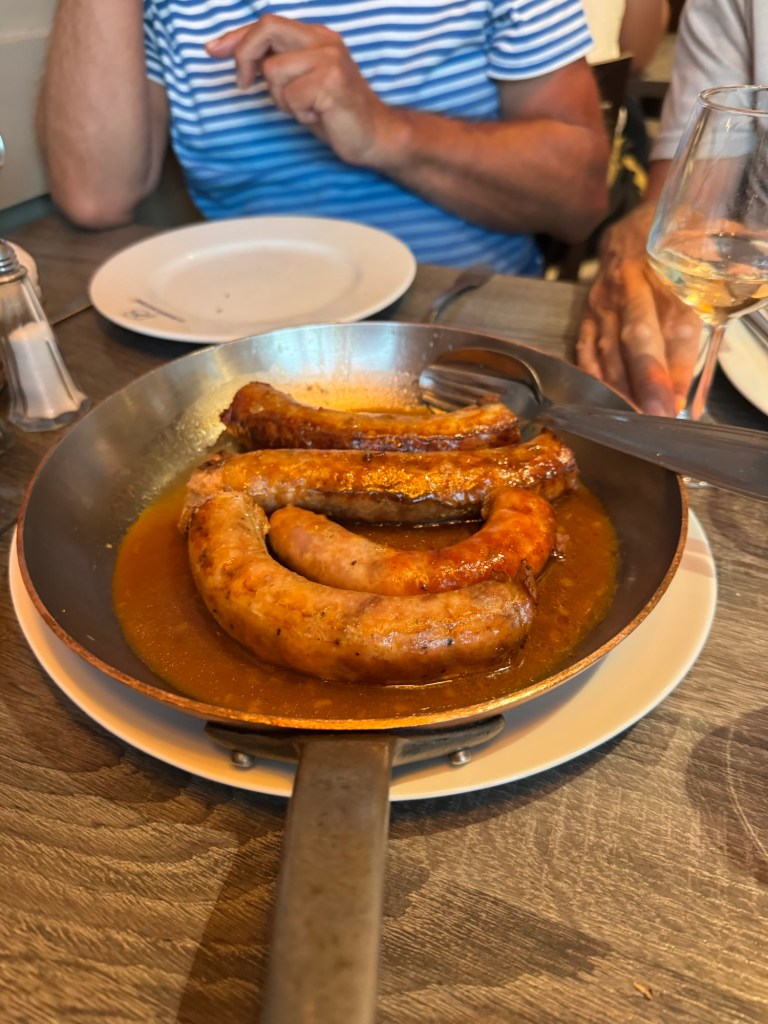
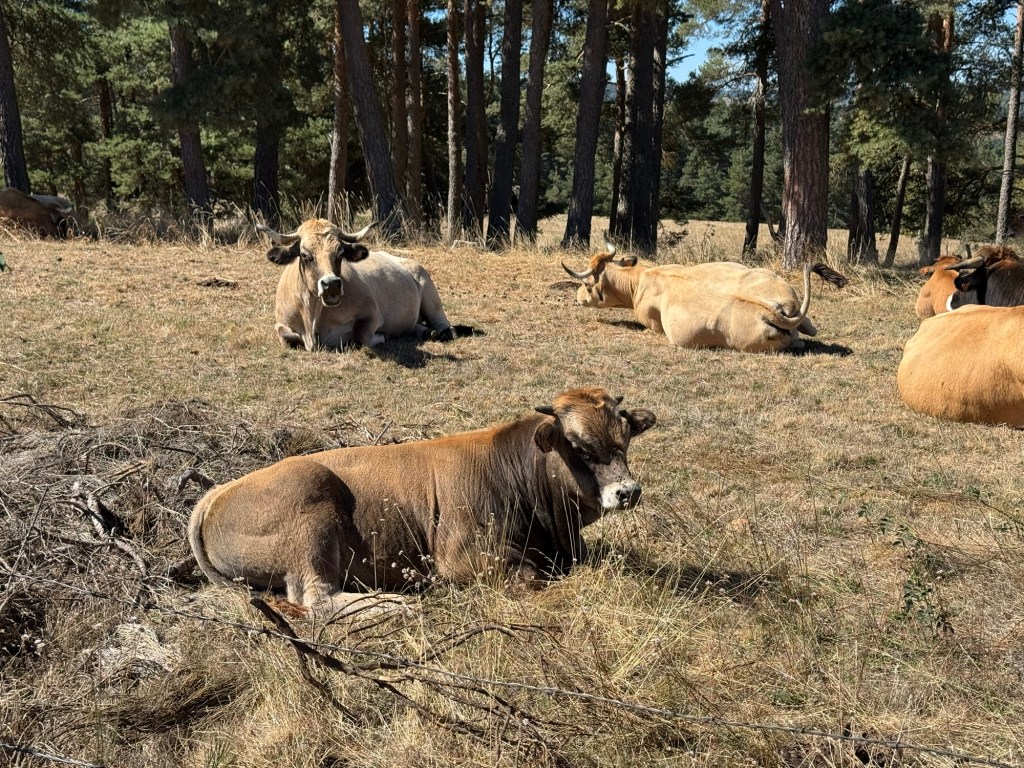
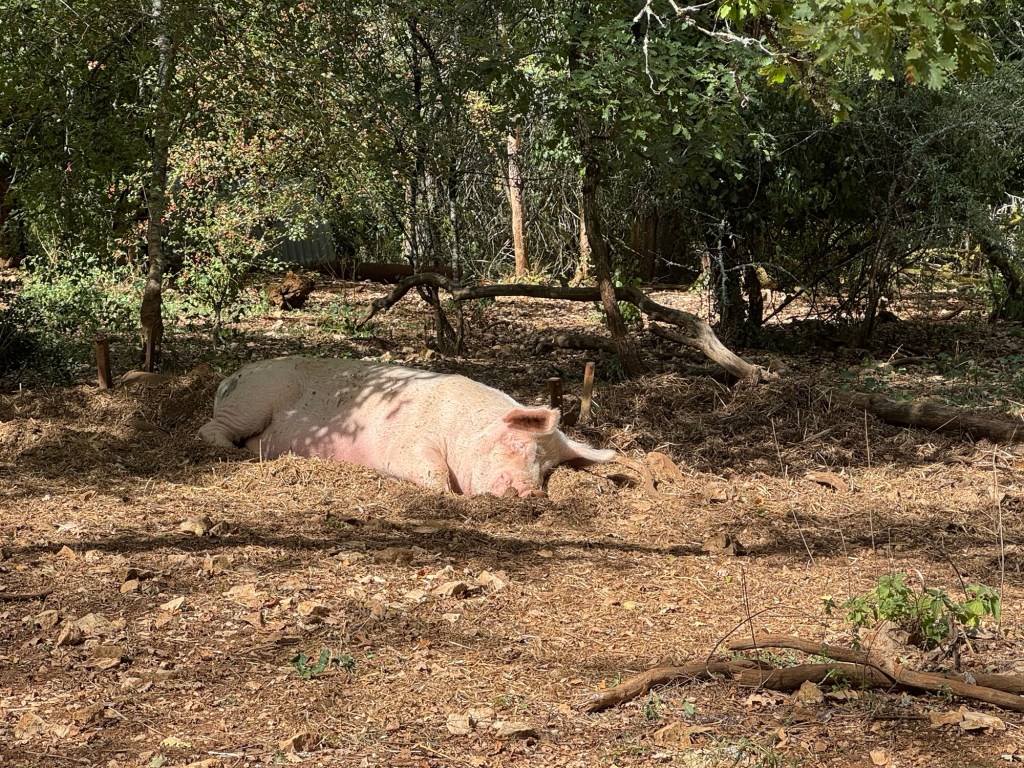
BTW, pork has often appeared on the menu. All we have seen on the road have been cows. Below is my first siting of a pig — certainly not a suckling one. The last time that I saw a pig as this size was at the Iowa State Fair.
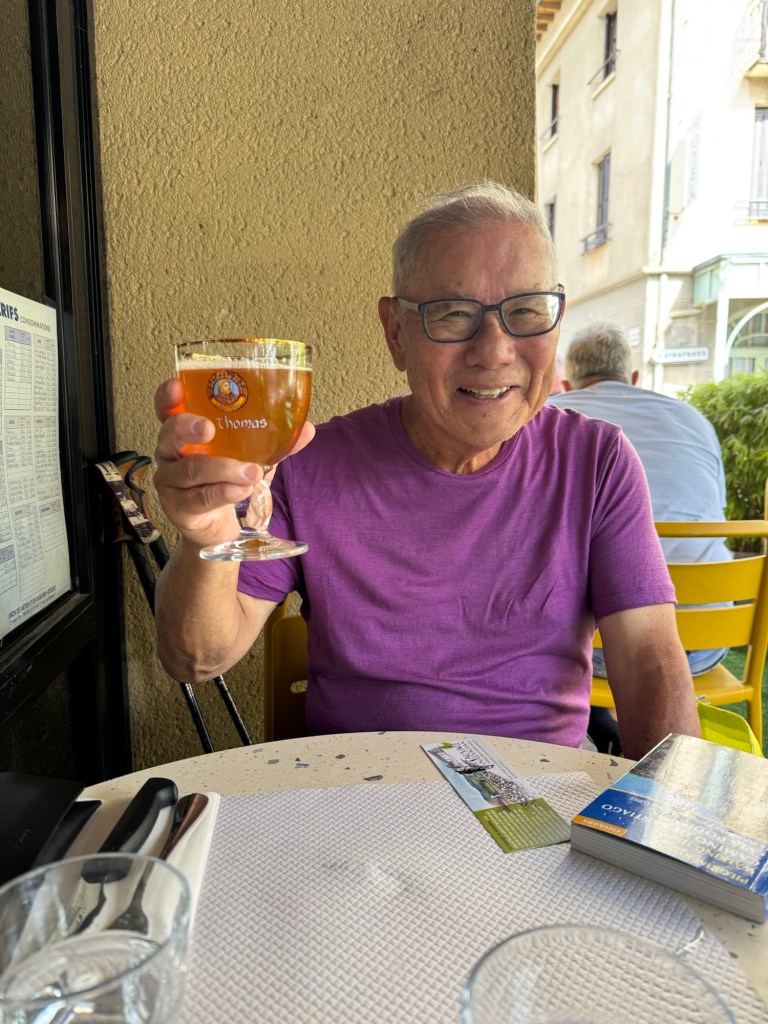
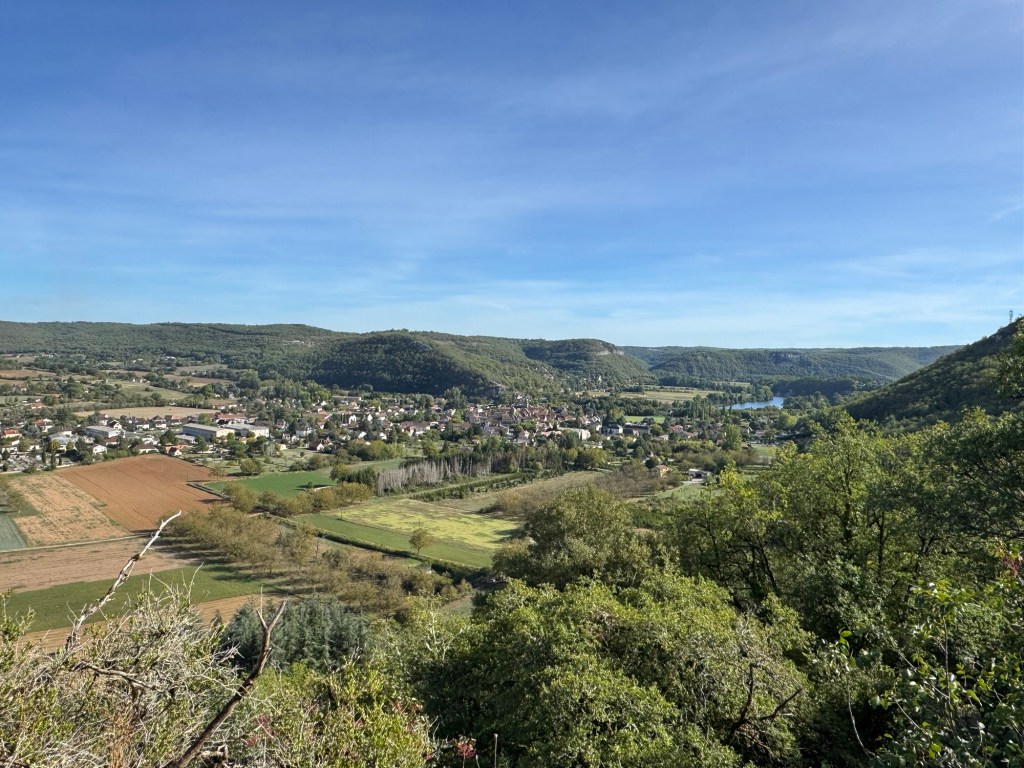
I was wondering at this point whether I would reach 20 miles on this stage. I just wanted to check into my hotel. As I descended, I saw Carjac at mile 19.5. I knew that I would accomplish both though an image of the 50cl of what turned out to be Leffe beer twinkled in my eyes.
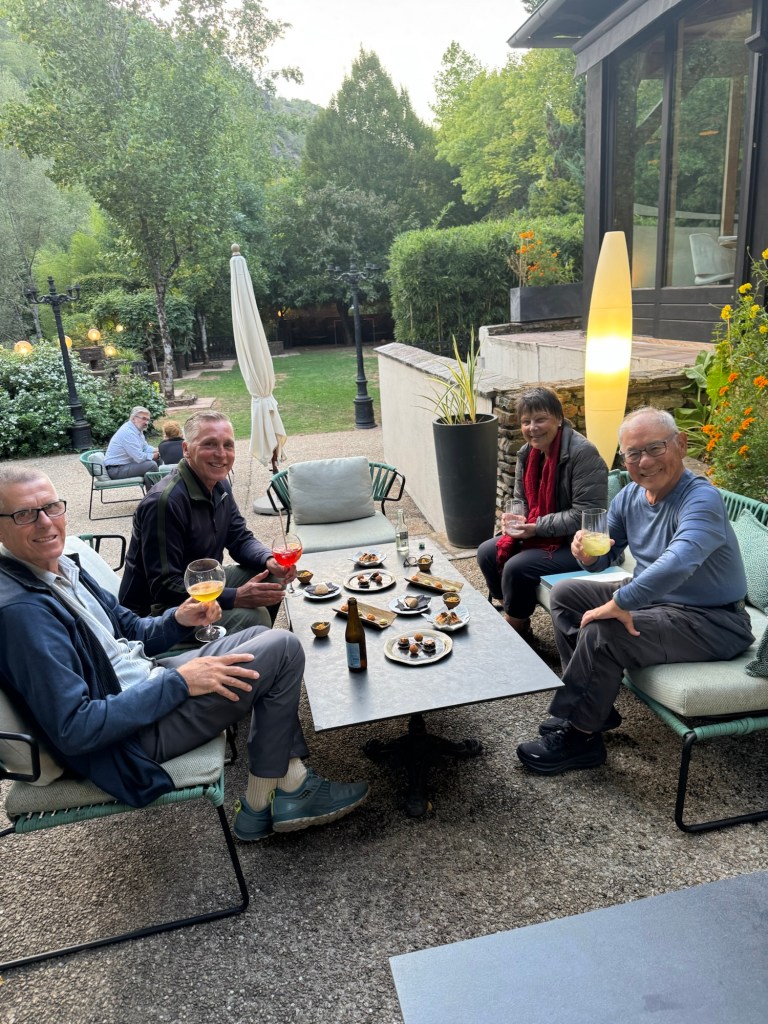
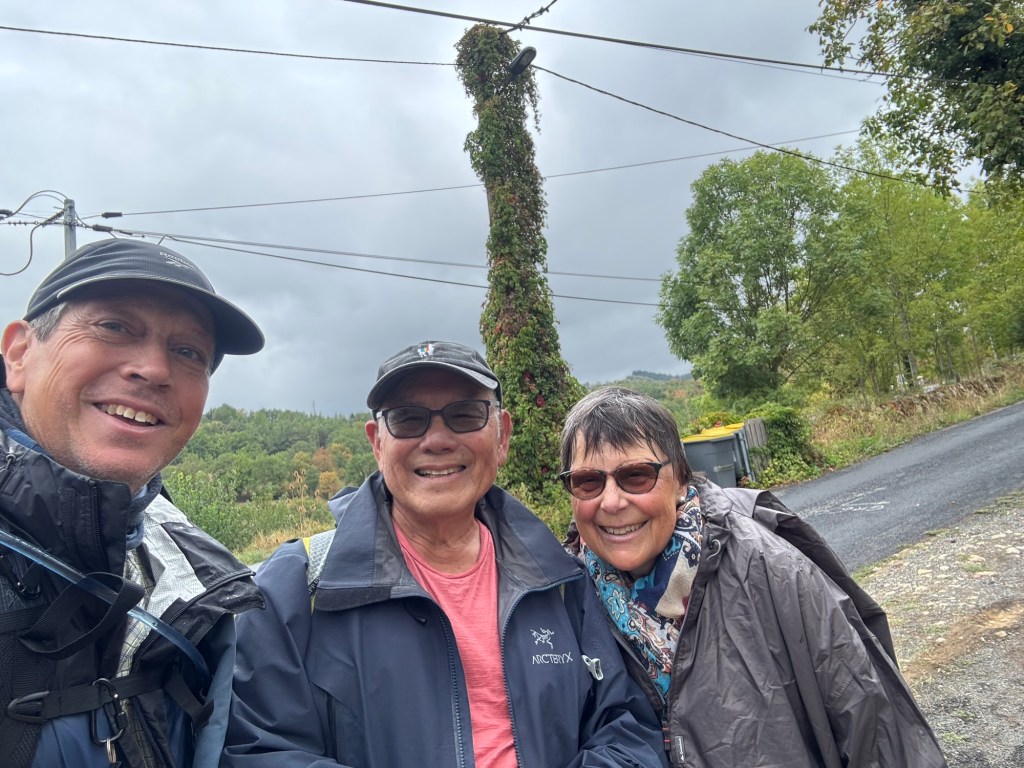
While talking with Sharon and sipping my beer, a woman named Miriam called out saying that she overheard me telling the hotel manager that I was born in California. She is also a California native born at Queen of Angels hospital in LA; she in 1954, the same year as my sister, and I in 1948.
She is walking alone on her second Camino. Her husband is not at the level of walking so here she is by herself.
She did her first from St Jean PP to Santiago. She will end in Cahors. We both agreed that women outnumbered men on this Chemin; she said 6:1 depending upon what stage one is on; Monique and I thought 3:1. She agreed that it is safe for women going solo. Yes, almost everyone have been Francophones (99%) — no Spaniards, no Asians, and very few others. She is the second American that I have met. Miriam said that three others are on the road and a day or two behind us.
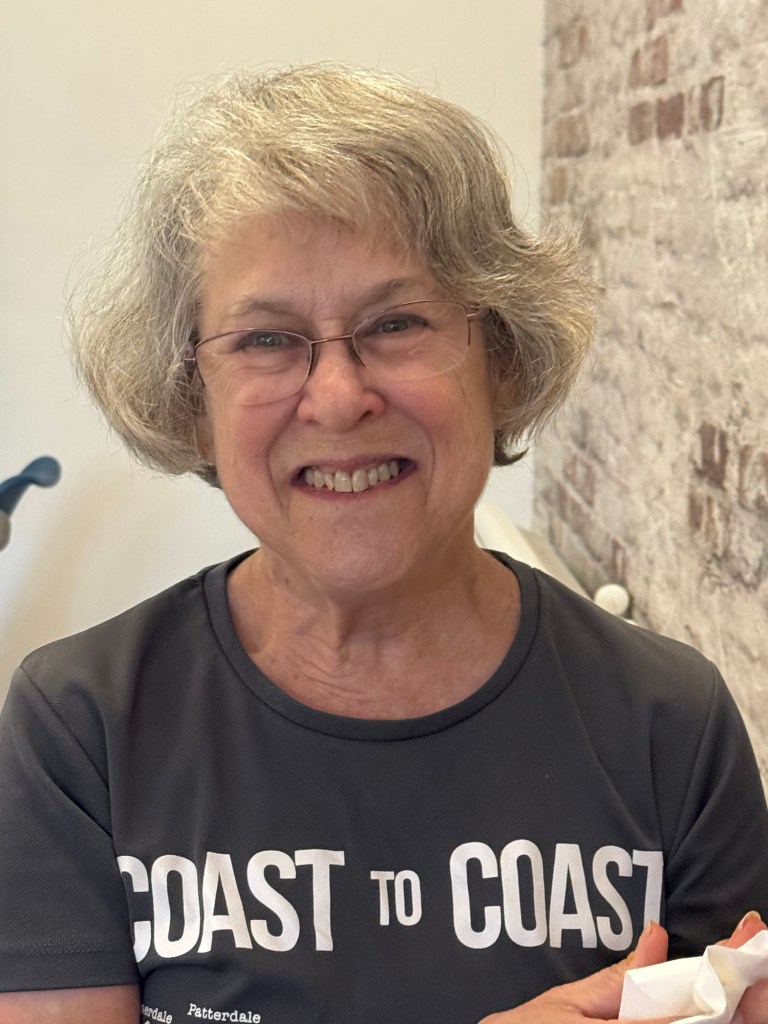
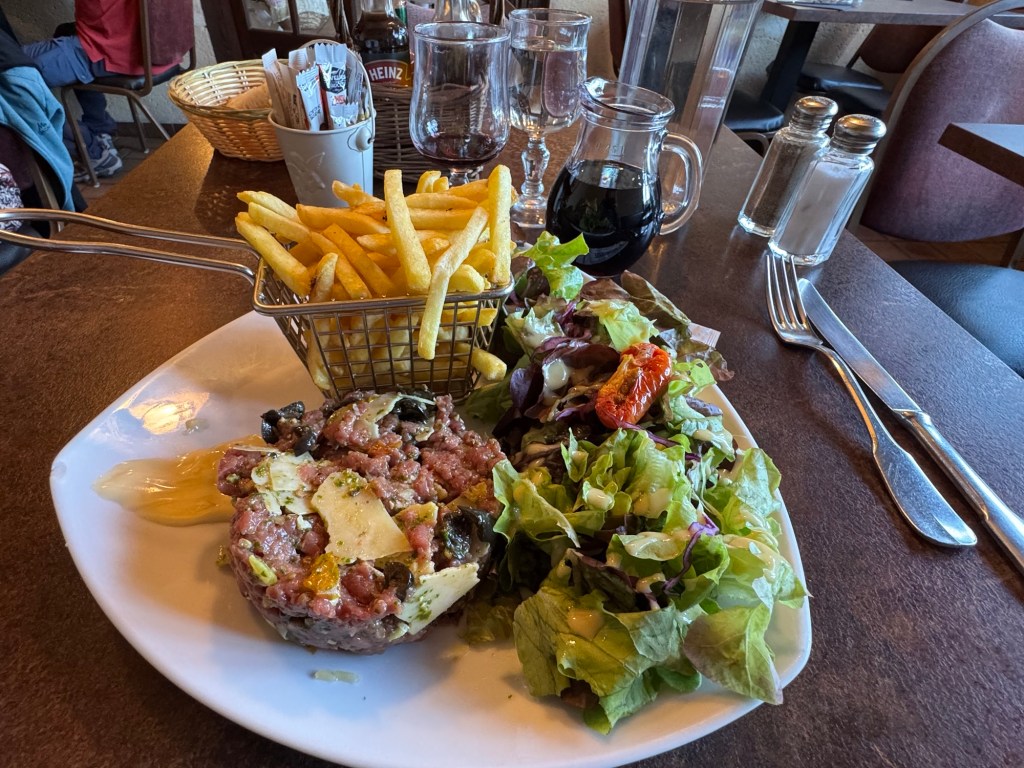
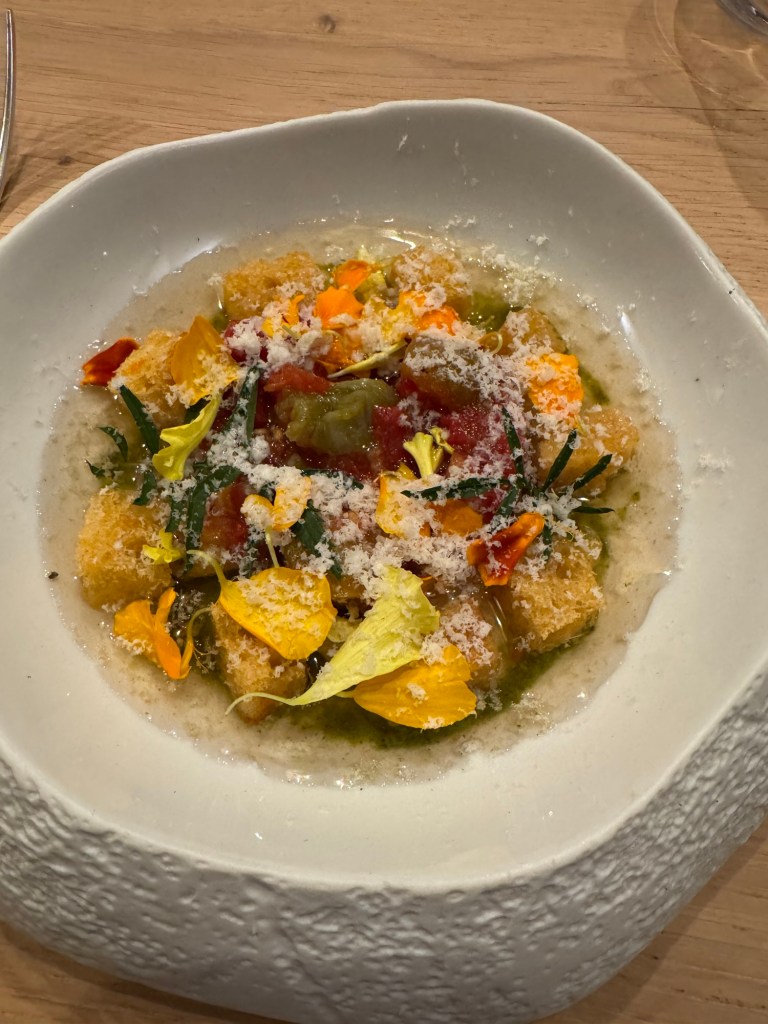
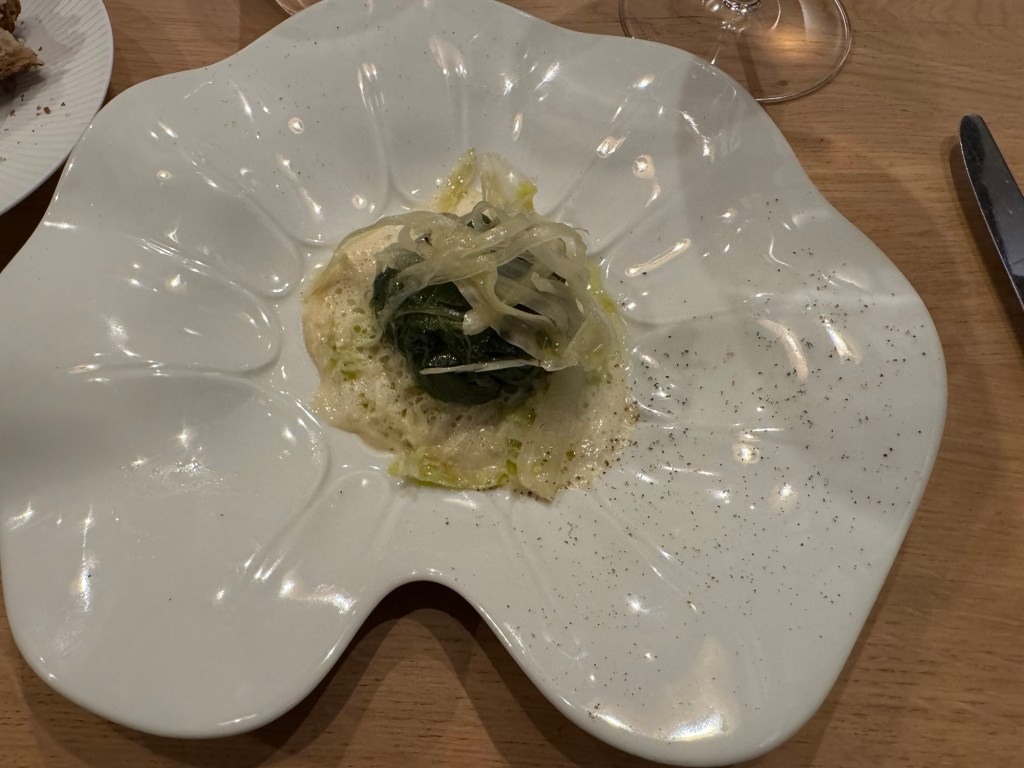
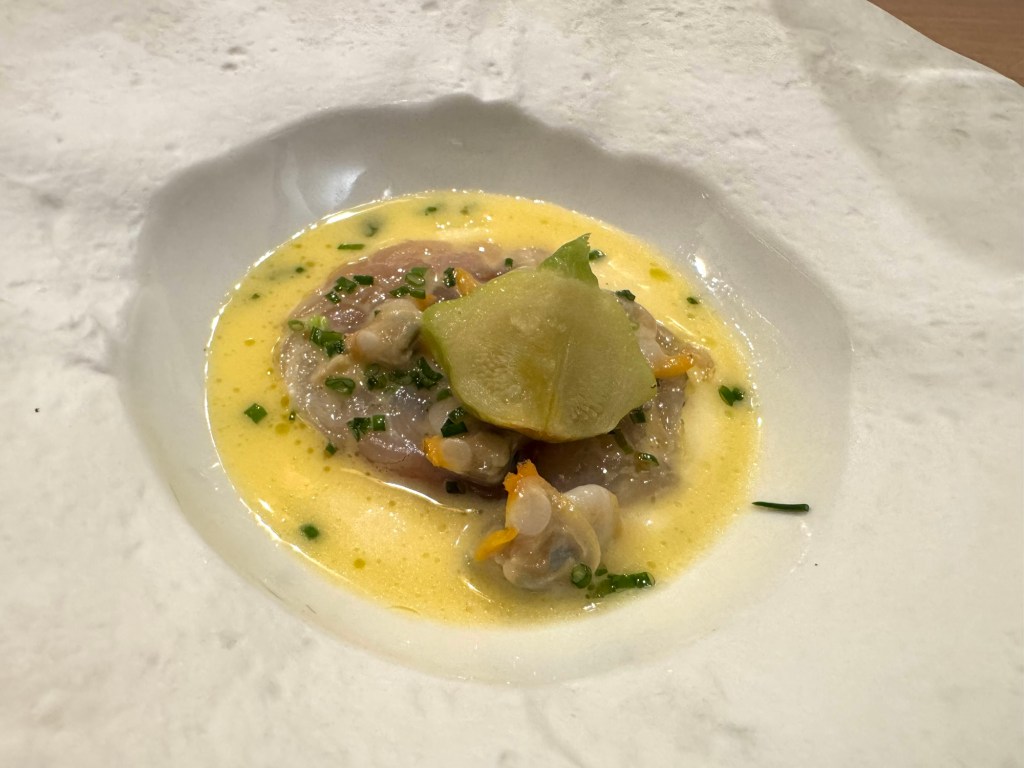
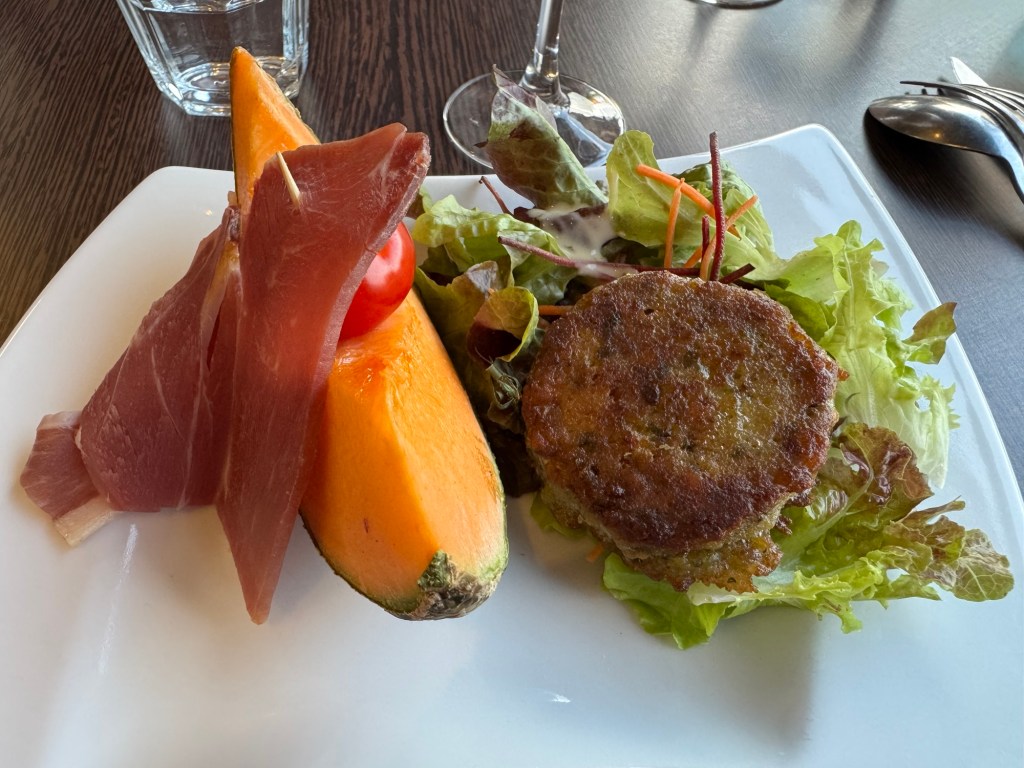
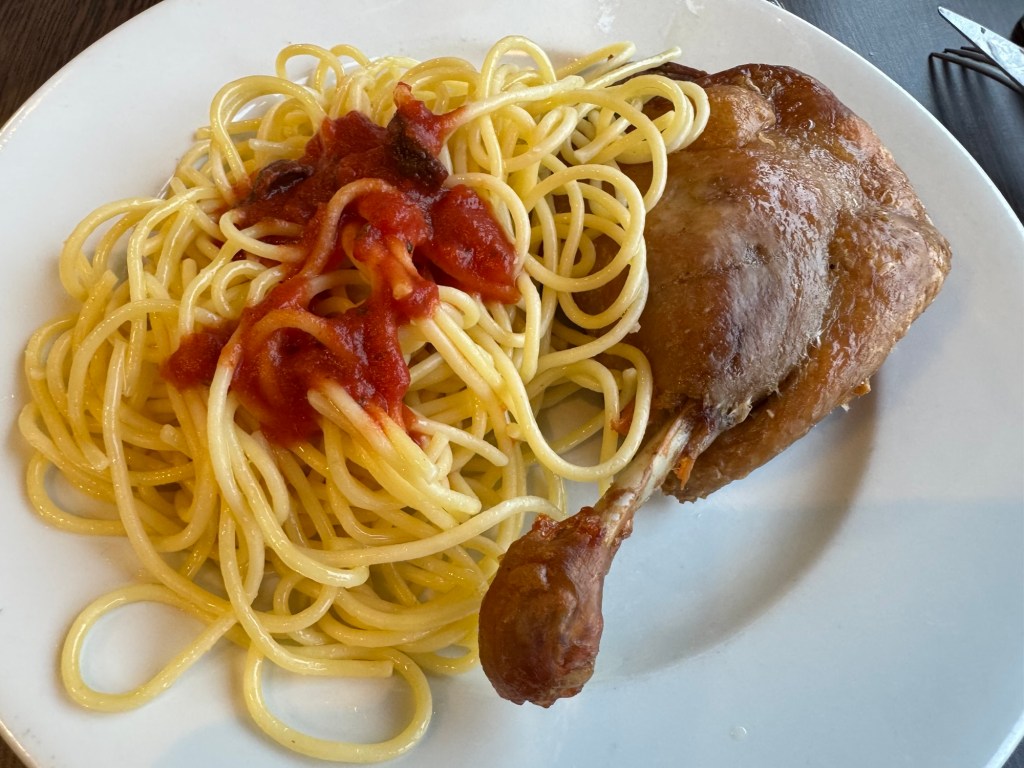
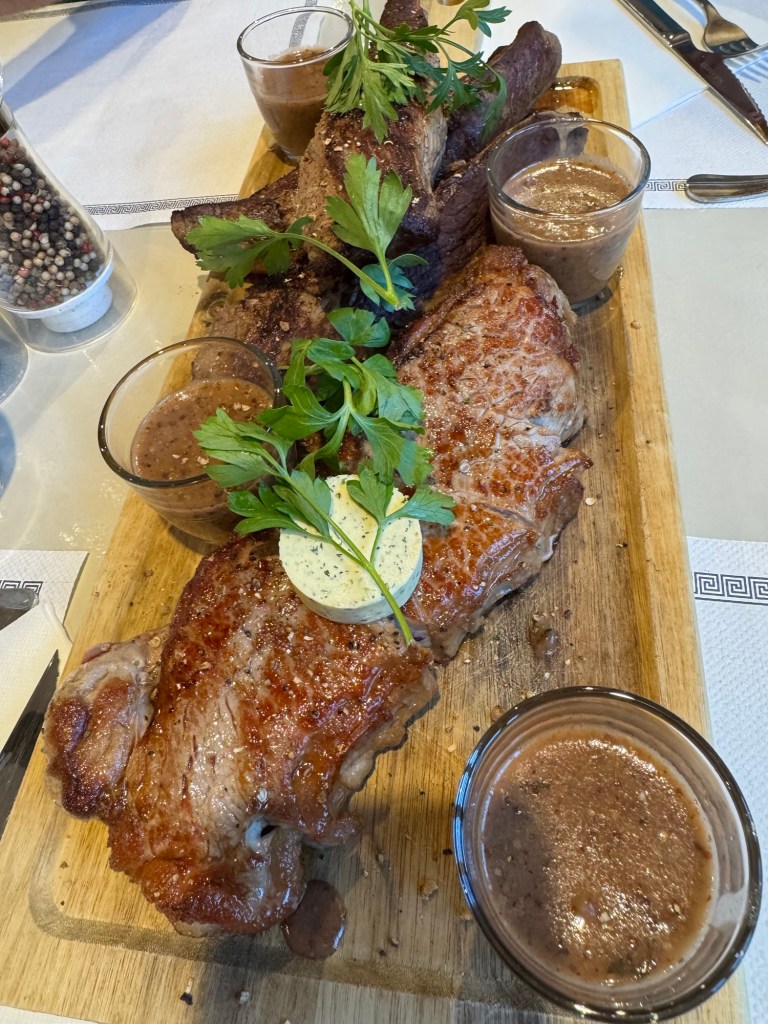
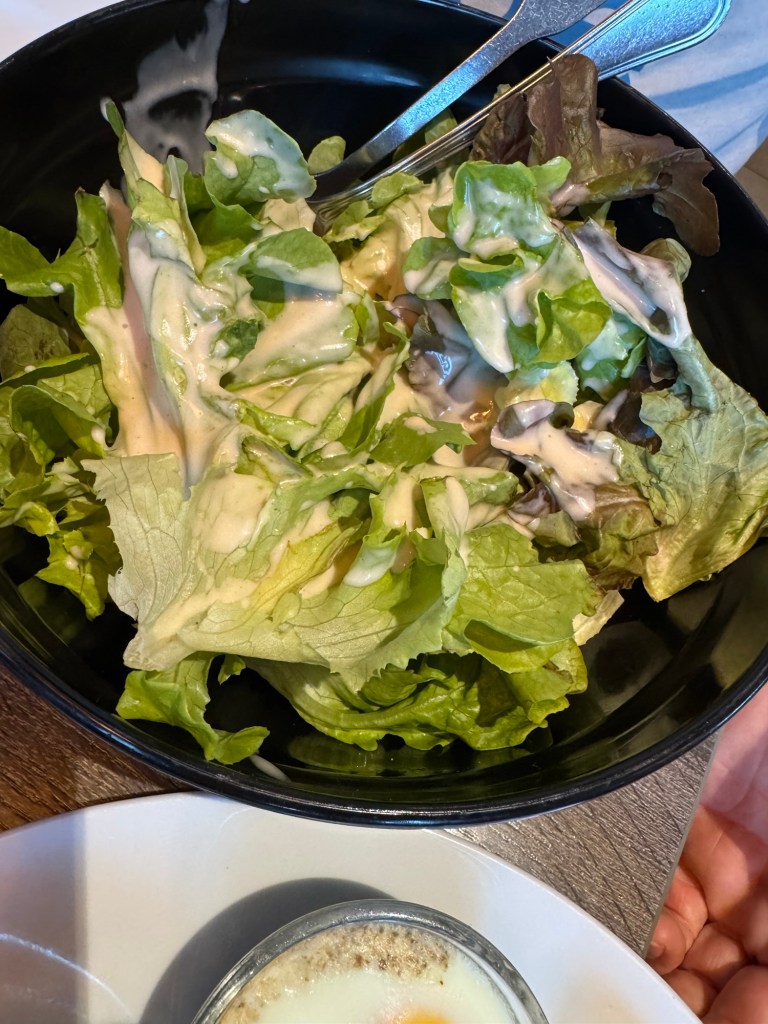
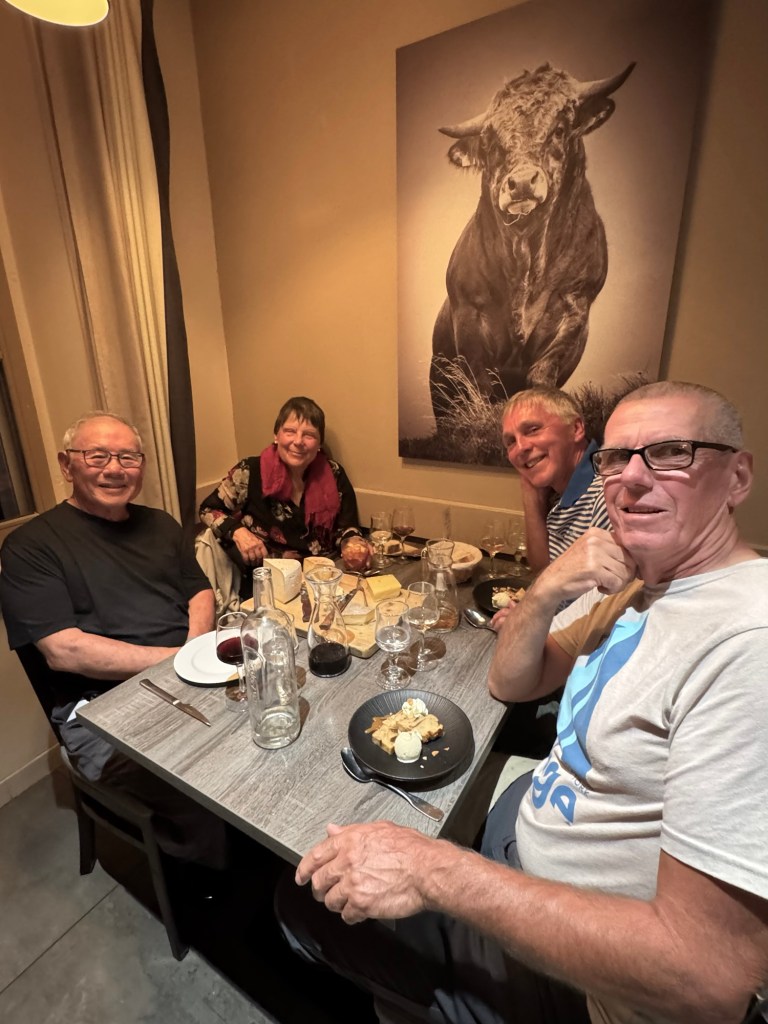
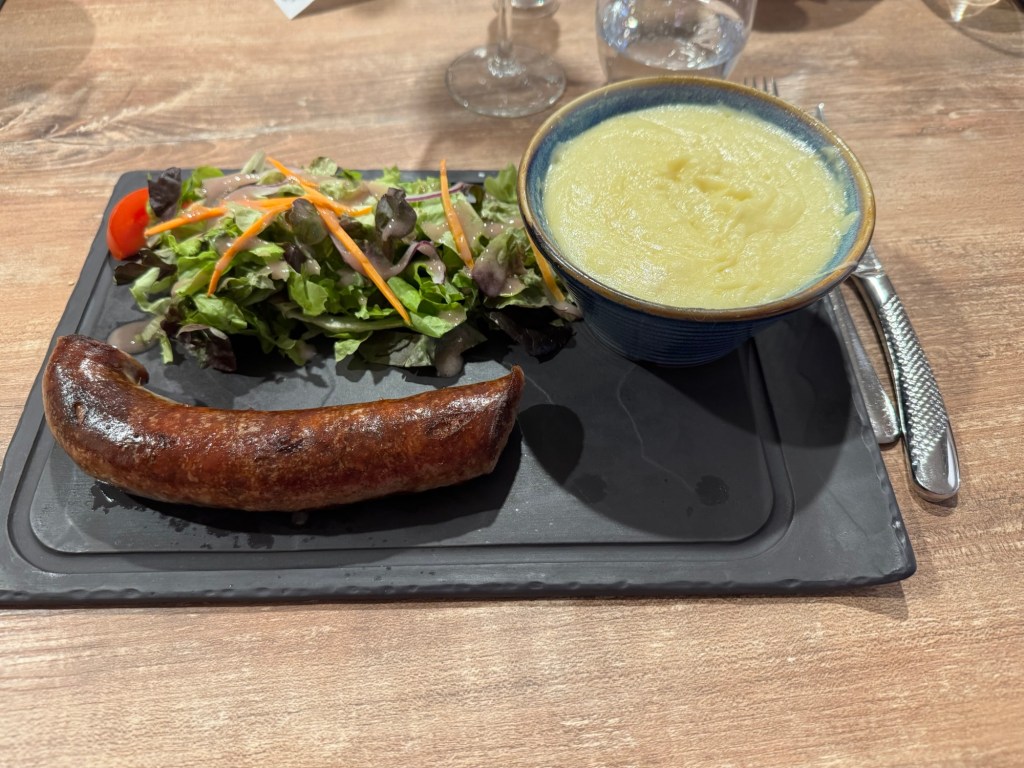
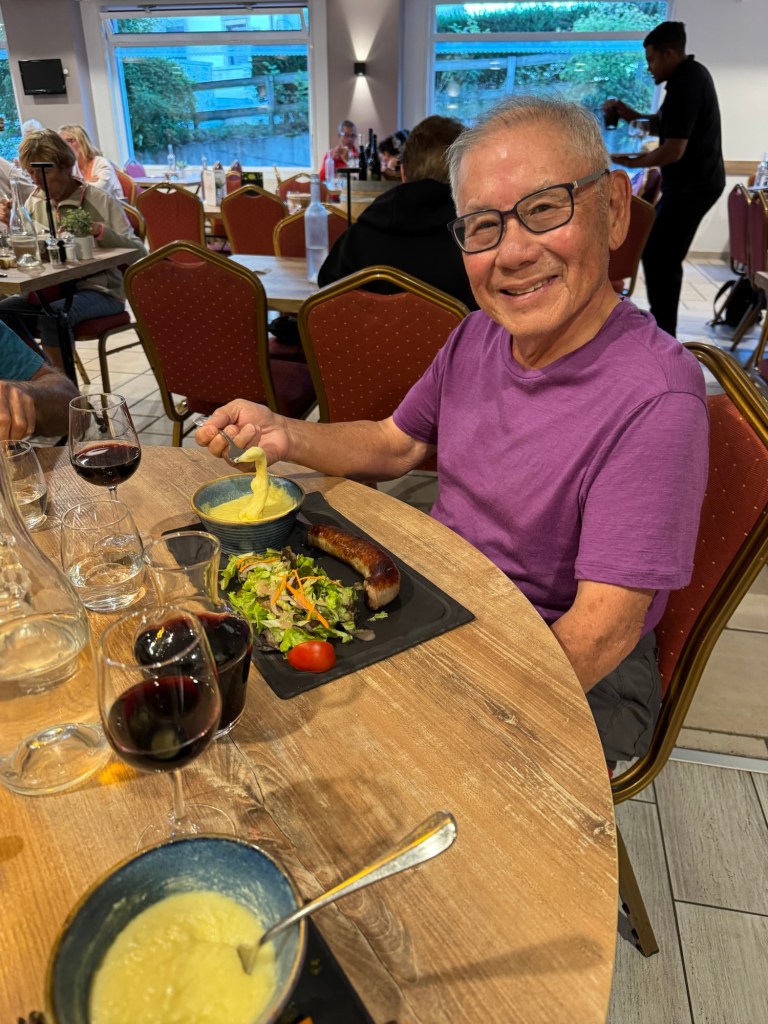
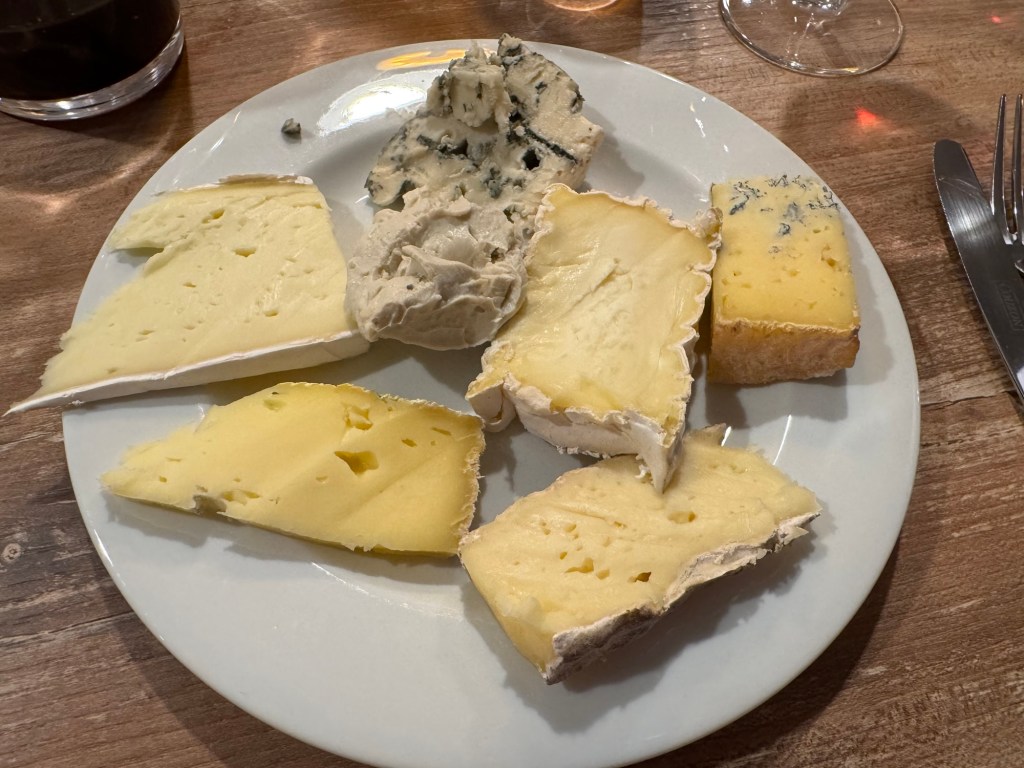
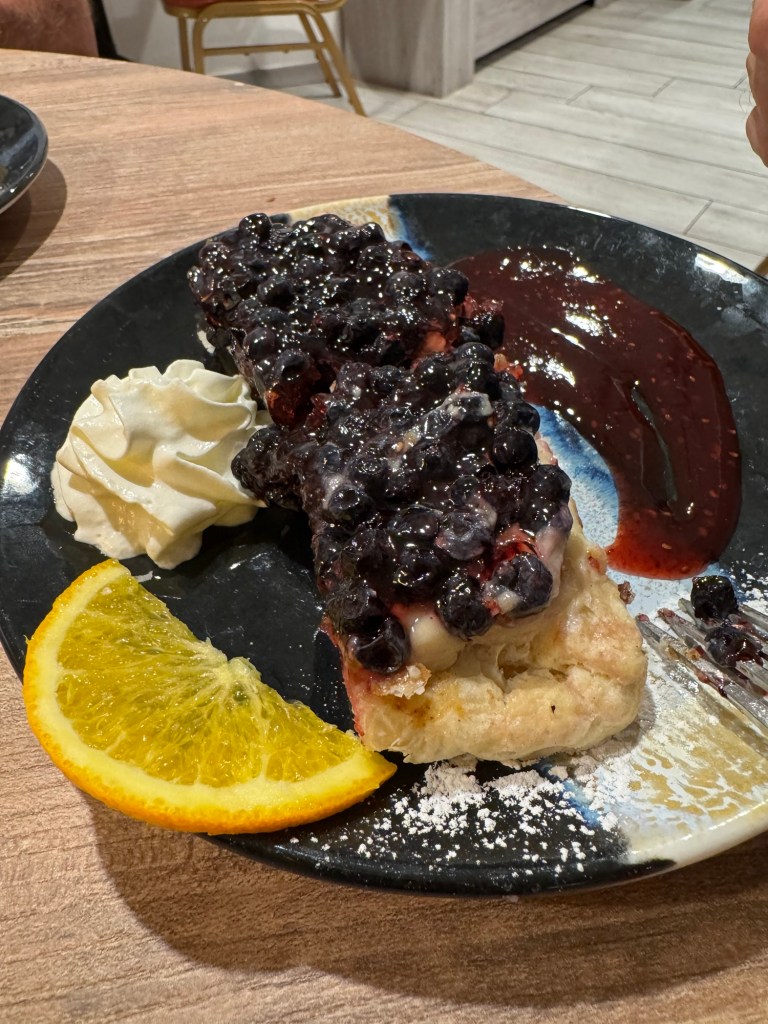
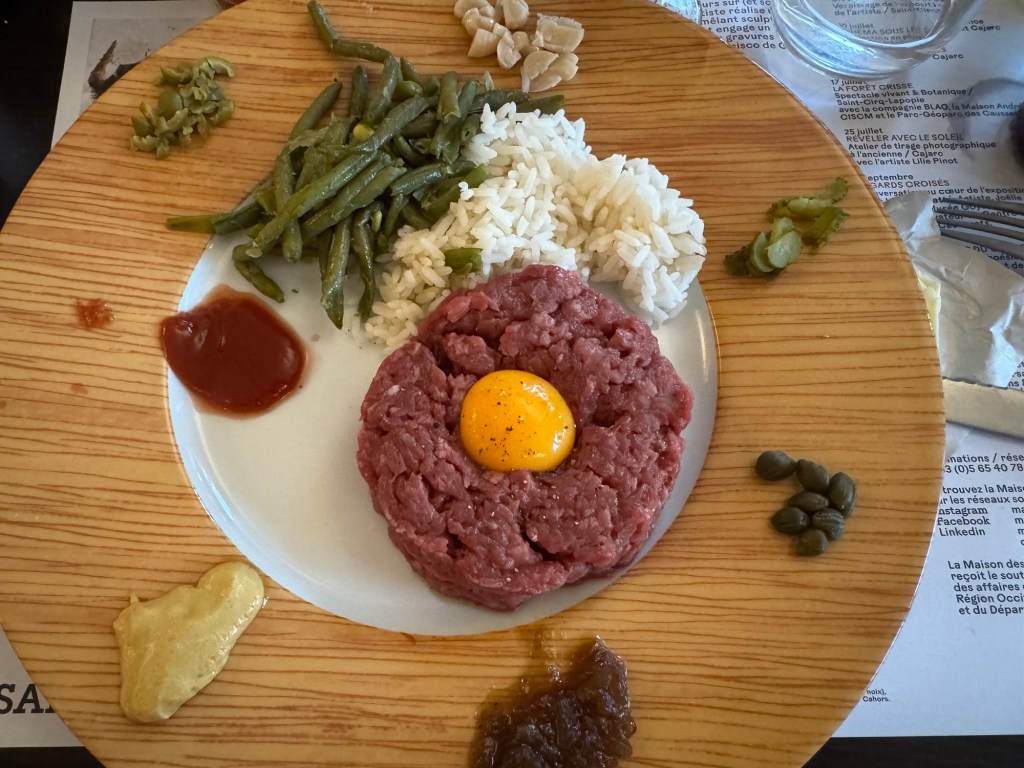
We enjoyed dinner together. I had my third steak tartare. At the table next to ours, three of the four women did too. Lots of proteins ingested.
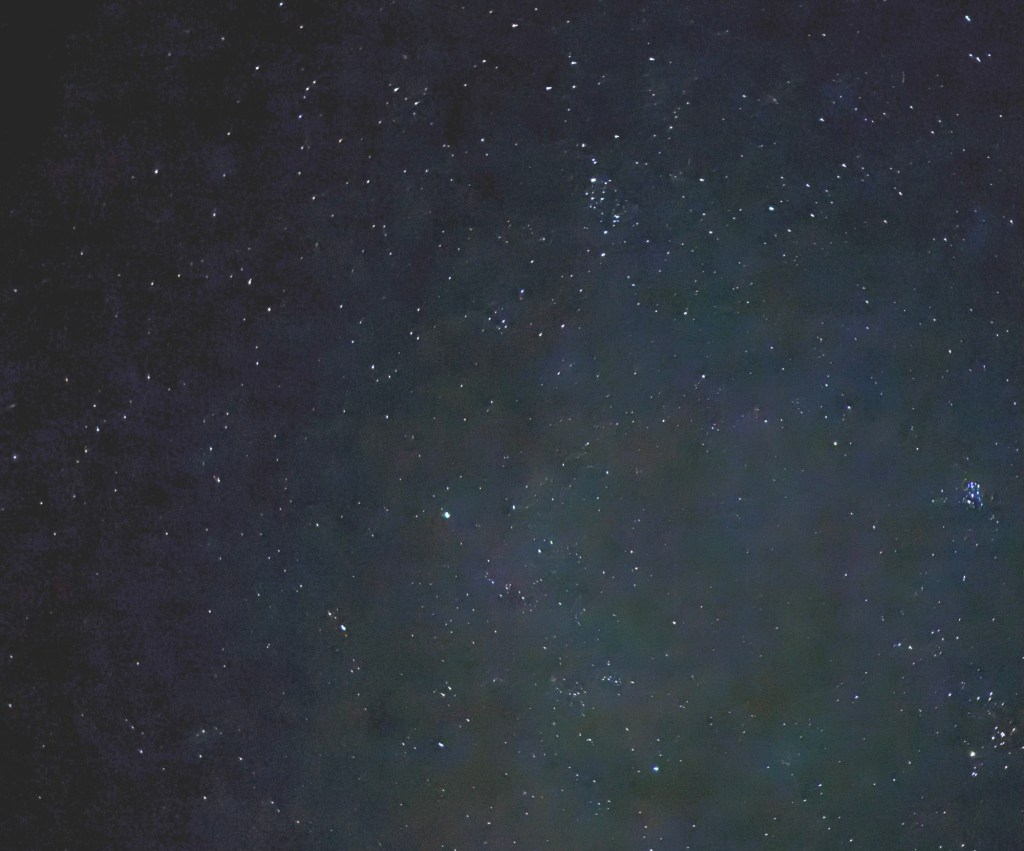
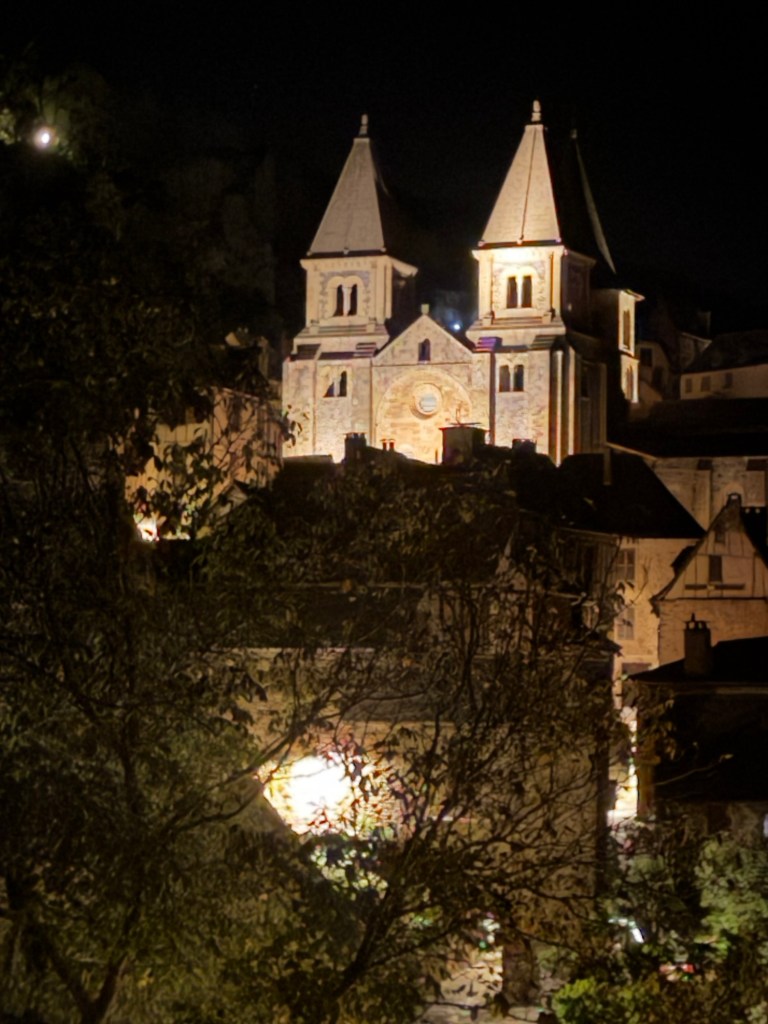
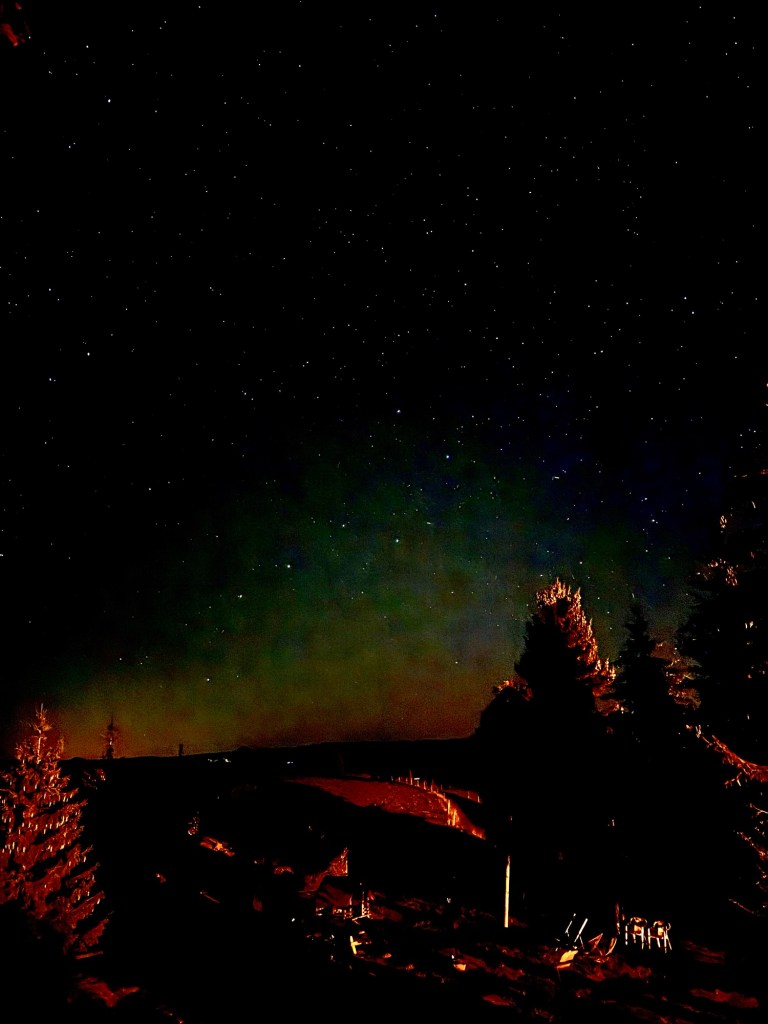
In the middle of the night, I stepped out of my room and reveled in seeing so many stars. It’s dark out here and the lights of the village are out as well. What a gift for those us in cities with light pollution.